
 Published on and written by Cyril Jarnias
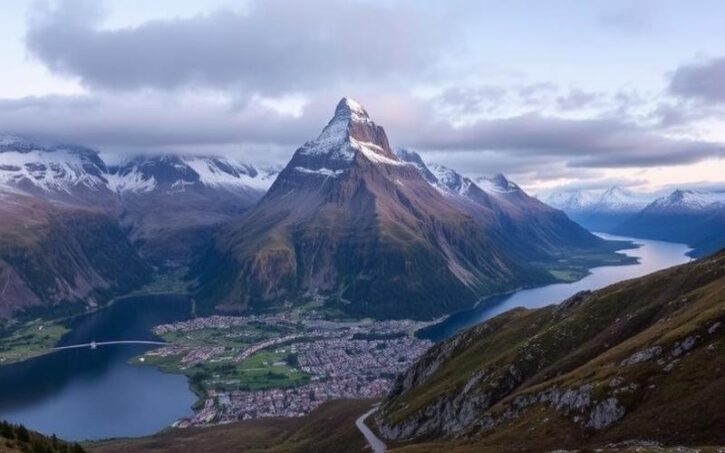
Norway, with its majestic fjords, northern lights, and picturesque towns, attracts an increasing number of tourists from around the world each year. This growing influx has a significant impact on the country’s real estate market, creating both opportunities and challenges for investors and local residents. Let’s take a closer look at how tourism is shaping Norway’s real estate landscape.
Norway’s Tourist Gems: Booming Real Estate Hotspots
Tourism in Norway primarily centers around certain key areas, which have become true magnets for real estate investors:
- Oslo: The Norwegian capital attracts numerous visitors with its unique blend of culture, history, and modernity. The real estate market there is particularly dynamic, with strong demand for downtown apartments and properties with views of the Oslo Fjord.
- Bergen: The country’s second-largest city, Bergen is the gateway to the western fjords. Its historic Bryggen district, a UNESCO World Heritage site, is a major tourist asset that stimulates the local real estate market.
- The Lofoten Islands: This Arctic archipelago has become a top destination for nature and photography enthusiasts. The growing demand for tourist accommodations has led to rising real estate prices in the region.
- Tromsø: Nicknamed the “Gateway to the Arctic,” Tromsø is famous for northern lights viewing. The real estate market is booming there, especially for properties offering unobstructed views of the night sky.
In these popular tourist areas, real estate demand is particularly strong, resulting in upward pressure on prices and increased competition between local buyers and investors.
Good to know:
Tourist regions in Norway experience strong seasonality, with peak visitation in summer for the fjords and in winter for the northern lights. This seasonality directly influences the rental market and real estate investment strategies.
The “Wow” Effect on Prices: When Tourism Drives Up Value
The influx of tourists to Norway has a direct impact on real estate prices, particularly in the most sought-after areas:
- Price increases: In popular tourist regions, real estate prices have seen significant growth in recent years. In Oslo, for example, apartment prices have increased by over 50% in the last decade.
- Gentrification: Some historic neighborhoods, like Grünerløkka in Oslo or Nordnes in Bergen, have experienced gentrification accelerated by tourism, leading to rising rents and sale prices.
- Pressure on the rental market: Growing demand for short-term rentals (like Airbnb) has reduced the traditional rental inventory, pushing prices up for local residents.
- Foreign investment: Norway’s tourist appeal has attracted numerous foreign investors, contributing to price increases in certain regions.
This real estate inflation, while representing an opportunity for property owners and investors, also poses challenges in terms of housing accessibility for local populations, particularly in major cities and tourist areas.
Good to know:
The Norwegian government has implemented measures to try to regulate the real estate market, including limiting household debt and regulating short-term rentals in certain cities.
The White Gold Rush: The Boom in Tourist Rental Investment
Growing tourism in Norway has created new opportunities for rental investment, particularly in the short-term rental sector:
- Attractive profitability: In popular tourist areas, short-term rentals can offer significantly higher returns than traditional rentals, attracting many investors.
- Diversification of rental inventory: There’s a multiplication of tourist accommodation types, ranging from city apartments to traditional cabins (hytte) in the mountains or along the fjords.
- Professionalization of the sector: The tourism boom has led to the emergence of companies specialized in tourist rental management, making investment easier for non-resident owners.
- Increasing regulation: Facing the explosion of Airbnb-type rentals, some cities like Oslo have implemented regulations to limit their impact on the traditional rental market.
Tourist rental investment in Norway offers interesting prospects, but requires good knowledge of the local market and current regulations to be profitable and sustainable.
Good to know:
Norway has implemented a classification system for tourist accommodations, ranging from 1 to 5 stars. Obtaining a high classification can significantly increase the attractiveness and profitability of a property for tourist rental.
Challenges of the Tourism Boom: Preserving Real Estate Market Balance
While tourism brings many opportunities to the Norwegian real estate market, it also raises significant challenges:
- Housing accessibility: Rising real estate prices in tourist areas make home ownership increasingly difficult for local residents, particularly young people and families.
- Pressure on infrastructure: The influx of tourists and construction of new accommodations puts pressure on local infrastructure (roads, water and electricity networks, etc.), requiring significant investments.
- Heritage preservation: Real estate development related to tourism must be regulated to preserve the architectural and natural heritage that makes Norway attractive in the first place.
- Balance between residents and tourists: In some highly touristic areas, the risk of “ghost towns” emerging during off-season periods raises questions about year-round local life.
Facing these challenges, Norwegian authorities and real estate market players must find a balance between tourism development and preserving the quality of life for local residents.
Good to know:
Some Norwegian municipalities have implemented social housing policies and restrictions on secondary residences to try to maintain a permanent population in tourist areas.
The impact of tourism on Norway’s real estate market is undeniable. It offers new investment opportunities and stimulates the local economy, but also poses challenges in terms of housing accessibility and preserving living environments. The future of Norway’s real estate market will depend on the ability of authorities and sector players to find a sustainable balance between tourism development and the needs of local populations.
In this dynamic context, investing in real estate in Norway can be very interesting, but requires a thoughtful approach and good understanding of local specifics. Whether you’re a potential investor or simply interested in the evolution of the Norwegian real estate market, it’s crucial to stay informed about trends and constantly evolving regulations in this multifaceted Nordic country.
Disclaimer: The information provided on this website is for informational purposes only and does not constitute financial, legal, or professional advice. We encourage you to consult qualified experts before making any investment, real estate, or expatriation decisions. Although we strive to maintain up-to-date and accurate information, we do not guarantee the completeness, accuracy, or timeliness of the proposed content. As investment and expatriation involve risks, we disclaim any liability for potential losses or damages arising from the use of this site. Your use of this site confirms your acceptance of these terms and your understanding of the associated risks.

Cyril Jarnias is an independent expert in international wealth management with over 20 years of experience. As an expatriate himself, he is dedicated to helping individuals and business leaders build, protect, and pass on their wealth with complete peace of mind.
On his website, cyriljarnias.com, he shares his expertise on international real estate, offshore company formation, and expatriation.
Thanks to his expertise, he offers sound advice to optimize his clients' wealth management. Cyril Jarnias is also recognized for his appearances in many prestigious media outlets such as BFM Business, les Français de l’étranger, Le Figaro, Les Echos, and Mieux vivre votre argent, where he shares his knowledge and know-how in wealth management.





