
 Published on and written by Cyril Jarnias
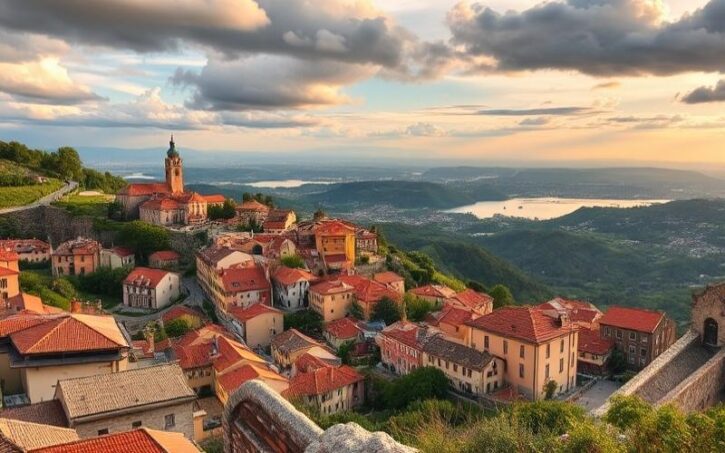
Georgia, a country located at the crossroads of Europe and Asia, has experienced remarkable real estate growth in recent years. With its rich cultural heritage, diverse landscapes, and growing economy, Georgia is attracting more and more foreign investors in the real estate sector. Renovating a property in this country can be an excellent strategy to increase the value of your asset and capitalize on this dynamic market.
The Georgian real estate market offers numerous opportunities for savvy investors. In 2025, the sector continues to grow, with property prices increasing by 3 to 5% annually in major cities like Tbilisi and Batumi. This positive trend is supported by growing demand for modern, well-equipped housing from locals, expatriates, and tourists alike.
Renovating a property in Georgia can not only improve your quality of life but also significantly increase the value of your investment. According to recent market data, a well-executed renovation can boost a property’s value by 15 to 25%, or even more in some cases. This article will guide you through the essential steps of renovation, help you establish a realistic budget, and advise you on choosing materials suited to the Georgian market.
Planning Your Renovation: Key Steps for a Successful Project
Renovating a property in Georgia requires careful planning to ensure your project’s success. Here are the essential steps to follow:
1. Initial Assessment and Goal Setting
Before starting any work, it’s crucial to conduct a thorough assessment of your property. Hire a local expert to inspect the building and identify weak points that need special attention. This step will help you clearly define your renovation goals, whether it’s improving energy efficiency, modernizing the interior, or expanding the living space.
In Georgia, it’s important to consider local architectural specifics, especially in historic city centers like Tbilisi or Kutaisi. A successful renovation must respect the building’s authentic character while adapting it to modern standards of comfort and efficiency.
2. Obtaining Necessary Permits
Georgia’s administrative system has simplified significantly in recent years, but it’s still essential to comply with local regulations. Depending on the nature and scope of your work, you’ll need to obtain various permits from the relevant authorities. In 2025, the average time to get a construction permit in Georgia is 63 days, which is relatively fast compared to many European countries.
For properties in protected areas or with heritage value, additional permits may be required. It’s advisable to consult a lawyer specializing in real estate law to navigate these administrative procedures effectively.
3. Selecting Professionals
Choosing the right professionals is crucial for the success of your renovation project in Georgia. Prioritize companies with proven experience in renovating properties similar to yours. In 2025, Georgia’s construction sector employs over 100,000 people, offering a wide range of qualified professionals.
Request detailed quotes from several contractors and compare their offers. Don’t hesitate to visit ongoing projects or previous work to assess their quality. Language barriers can sometimes be an issue, so consider working with companies accustomed to collaborating with international clients.
4. Establishing a Realistic Timeline
Time management is a critical aspect of any renovation project. Create a detailed schedule in collaboration with your main contractor, accounting for material delivery times and any seasonal constraints. In Georgia, the summer period (June to September) is generally best for outdoor work, while indoor work can be done year-round.
Build in a safety margin to handle unexpected issues, which are common in renovation projects. On average, a full apartment renovation in Georgia can take 3 to 6 months, while a single-family home renovation may span 6 to 12 months, depending on the scope of work.
Good to Know:
Careful planning of your renovation project in Georgia is the key to success. A thorough initial assessment, obtaining necessary permits, choosing qualified professionals, and establishing a realistic timeline will allow you to complete your project while respecting local market specifics.
Mastering Your Budget: Financing and Cost Management
Financial management is a crucial aspect of any renovation project in Georgia. Rigorous budget planning will help you complete your project while avoiding unpleasant surprises.
Cost Estimation
To establish a realistic budget, start with a detailed estimate of renovation costs. In 2025, the average renovation cost in Georgia ranges from 250 to 500 euros per square meter for a standard renovation, and can reach 800 to 1,200 euros per square meter for a high-end renovation. These figures may vary depending on the property’s location and the scope of work.
Here is an approximate cost breakdown for a typical renovation project in Georgia:
- Structural work and framework: 30-40% of total budget
- Plumbing and electrical: 15-20%
- Finishes (painting, flooring): 20-25%
- Carpentry and fittings: 15-20%
- Miscellaneous costs (permits, taxes): 5-10%
Don’t forget to include a 10 to 15% contingency for unexpected costs, which are common in renovation projects.
Financing Options
Financing your renovation project in Georgia can be done through various means. If you have your own funds, that’s generally the most advantageous option. However, if you need external financing, several options are available:
1. Bank loans: Georgian banks offer specific loans for property renovation. In 2025, interest rates for these loans range from 7% to 12% per year, depending on your profile and the amount borrowed.
2. International loans: If you’re a foreign investor, you might consider obtaining financing in your home country, where rates may be more favorable.
3. Developer financing: Some real estate developers in Georgia offer financing options for renovating properties purchased off-plan.
4. Government grants: The Georgian government sometimes offers grants for renovating historic buildings or improving energy efficiency. Check with local authorities for current programs.
Cost Management During Work
Once work begins, rigorous expense tracking is essential to stay within your budget. Here are some tips for managing costs:
1. Set up a detailed expense tracking system, regularly comparing actual costs to initial estimates.
2. Negotiate fixed-price contracts with your contractors to avoid budget overruns.
3. Avoid last-minute changes to your plans, which can lead to significant additional costs.
4. Prioritize local materials, which are often cheaper than imported ones and better suited to Georgia’s climate.
5. Consider doing some work yourself if you have the skills, but be realistic about your abilities to avoid costly mistakes.
Good to Know:
Mastering your budget is crucial for the success of your renovation project in Georgia. Accurate cost estimation, smart financing choices, and rigorous expense tracking will allow you to complete your project while optimizing your investment.
Selecting the Right Materials: Balancing Quality and Authenticity
Choosing materials is a critical aspect of any renovation in Georgia. It influences not only the aesthetics and durability of your property but also its value on the local real estate market.
Traditional vs. Modern Materials
Georgia has a rich architectural tradition, and using local materials can add an authentic touch to your project. However, it’s important to find a balance between tradition and modernity to meet current comfort standards.
1. Natural stone: Stone is widely used in Georgia, particularly volcanic tuff and basalt. These materials offer excellent thermal insulation and blend perfectly with local architecture. The average cost of natural stone in Georgia ranges from 50 to 100 euros per square meter in 2025.
2. Wood: Wood is a traditional material in Georgia, especially in mountainous regions. Oak, pine, and chestnut are commonly used for carpentry and cladding. Quality wood prices range from 30 to 80 euros per square meter.
3. Modern materials: To improve energy efficiency, using modern materials like insulation panels, double glazing, and efficient heating systems is recommended. These investments can increase your property’s long-term value.
Local Sourcing vs. Importing
The choice between local and imported materials depends on several factors, including cost, quality, and availability. Generally, using local materials offers several advantages:
1. Lower cost: Local materials are often cheaper than imported products. For example, the cost of local cement in Georgia is about 30% lower than imported brands.
2. Better climate adaptation: Local materials are naturally suited to Georgia’s climatic conditions, which can improve the durability of your renovation.
3. Supporting the local economy: Using local materials contributes to the region’s economic development.
However, for certain specialized equipment (heating systems, appliances), importing may be necessary to achieve the desired quality.
Sustainability and Energy Efficiency
Considering sustainability and energy efficiency when choosing materials can significantly increase your property’s value. In 2025, Georgia has implemented stricter energy efficiency standards for buildings, aligned with European standards.
Here are some materials to prioritize for a sustainable renovation:
- Thermal insulation: Opt for high-performance materials like rock wool or extruded polystyrene. Good insulation can reduce heating costs by up to 40%.
- Double or triple glazing: These improve thermal and acoustic insulation. The extra cost compared to standard windows is typically recouped in 5 to 7 years through energy savings.
- Efficient heating systems: Heat pumps and condensing boilers are becoming increasingly popular in Georgia. Though more expensive upfront, they can reduce energy bills by 20 to 30%.
- Solar panels: With over 250 sunny days per year in some regions of Georgia, solar energy is becoming an attractive option. The average return on investment is 7 to 10 years.
Compliance with Local Standards
When choosing materials, ensure compliance with Georgian construction standards. In 2025, Georgia has adopted new regulations aligned with European standards, particularly regarding seismic resistance and energy efficiency.
For historic buildings, additional restrictions may apply regarding materials used for facades and roofs. It’s advisable to consult a local architect to ensure your choices comply with current regulations.
Good to Know:
Choosing the right materials is essential for a successful renovation in Georgia. By combining traditional and modern materials, prioritizing local sourcing when possible, and focusing on sustainability and energy efficiency, you can maximize your investment’s value while preserving your property’s authenticity.
Conclusion: Enhancing Your Real Estate Asset in Georgia
Renovating a property in Georgia represents a unique opportunity to enhance your real estate investment while contributing to the preservation of the country’s architectural heritage. By following key planning steps, mastering your budget, and wisely choosing your materials, you can transform your property into a valuable asset in Georgia’s growing real estate market.
The Georgian real estate market offers promising prospects for savvy investors. With annual property price growth of 3 to 5% in major cities, a well-executed renovation can significantly increase your property’s value. Additionally, growing demand for modern, energy-efficient housing creates a favorable market for carefully renovated properties.
Remember that every renovation project is unique and requires a personalized approach. It’s crucial to surround yourself with experienced professionals familiar with the specifics of the Georgian market to successfully complete your project. Whether you plan to renovate to live in, rent out, or resell, a well-thought-out and executed renovation can prove to be a wise long-term investment.
Ultimately, renovating a property in Georgia is not just about improving a real estate asset; it’s also about participating in the revitalization of the country’s built heritage while creating value for your investment.
Disclaimer: The information provided on this website is for informational purposes only and does not constitute financial, legal, or professional advice. We encourage you to consult qualified experts before making any investment, real estate, or expatriation decisions. Although we strive to maintain up-to-date and accurate information, we do not guarantee the completeness, accuracy, or timeliness of the proposed content. As investment and expatriation involve risks, we disclaim any liability for potential losses or damages arising from the use of this site. Your use of this site confirms your acceptance of these terms and your understanding of the associated risks.

Cyril Jarnias is an independent expert in international wealth management with over 20 years of experience. As an expatriate himself, he is dedicated to helping individuals and business leaders build, protect, and pass on their wealth with complete peace of mind.
On his website, cyriljarnias.com, he shares his expertise on international real estate, offshore company formation, and expatriation.
Thanks to his expertise, he offers sound advice to optimize his clients' wealth management. Cyril Jarnias is also recognized for his appearances in many prestigious media outlets such as BFM Business, les Français de l’étranger, Le Figaro, Les Echos, and Mieux vivre votre argent, where he shares his knowledge and know-how in wealth management.





