
 Published on and written by Cyril Jarnias
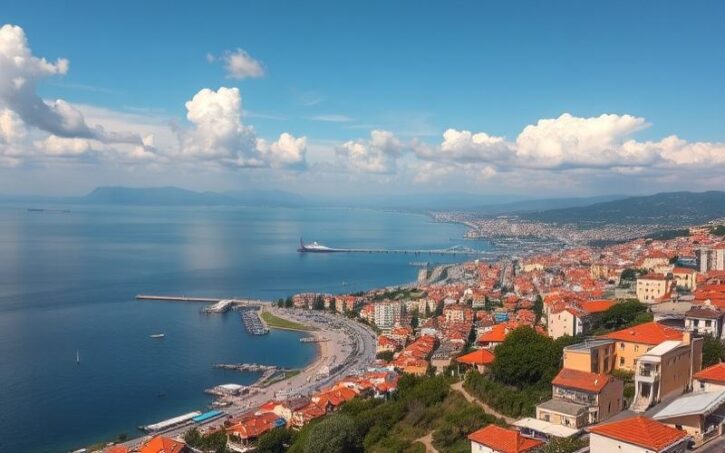
Georgia, a country located at the crossroads of Europe and Asia, is becoming a prime destination for real estate investors and tourism entrepreneurs. With its diverse landscapes, ranging from the Caucasus Mountains to the Black Sea beaches, as well as its historic cities like the capital Tbilisi, Georgia offers significant potential for seasonal rentals. This booming market is attracting more and more foreign investors, drawn by lucrative opportunities and a favorable regulatory framework.
A Booming Market: The Advantages of Seasonal Rentals in Georgia
The seasonal rental sector in Georgia has experienced exponential growth in recent years. This trend is driven by several key factors that make the country an attractive destination for real estate investors:
Constantly rising tourist demand: According to data from the Georgian National Tourism Administration, the number of international visitors to Georgia has increased by an average of 15% each year since 2015. In 2024, the country welcomed over 9 million tourists, a figure expected to continue growing in the coming years.
Competitive real estate prices: Compared to other European destinations, the Georgian real estate market offers investment opportunities at attractive prices. In Tbilisi, the average price per square meter for an apartment in the city center is around €1,500, well below rates in Western capitals.
High rental yields: Owners of seasonal rental properties in Georgia can expect annual returns ranging from 8% to 12%, or even higher in sought-after areas like Tbilisi’s historic center or the seaside resorts of Batumi.
A diversity of destinations: Georgia offers a variety of attractive destinations for seasonal rentals, each with its own specific features:
- Tbilisi: The capital attracts tourists year-round with its rich historical heritage and vibrant nightlife.
- Batumi: A modern Black Sea resort, ideal for the summer season.
- Gudauri and Bakuriani: Popular ski resorts for the winter season.
- Kakheti: A wine region prized for wine tourism and rural stays.
Good to know:
Georgia offers one of the highest rental yield potentials in Europe, with occupancy rates constantly increasing thanks to the growing influx of international tourists.
Maximizing Your Income: Winning Strategies for Property Management
To get the most out of your seasonal rental investment in Georgia, effective property management is crucial. Here are some proven strategies to optimize your income:
Optimizing booking platforms: Using popular platforms like Airbnb, Booking.com, or VRBO is essential to maximize your property’s visibility. In 2024, over 80% of seasonal rental bookings in Georgia are made through these platforms. It’s important to polish your listings with high-quality photos and detailed descriptions.
Dynamic pricing: Adjust your rates based on seasonality and local events. For example, during the Tbilisi Wine Festival in October, prices can increase by 30 to 50% compared to the annual average.
Additional services: Offer complementary services like airport transfers, guided tours, or Georgian cooking classes. These extras can increase your income by 15 to 20% while enhancing your guests’ experience.
Professional management: Hiring a local management company can be wise, especially if you don’t reside in Georgia. These companies handle guest check-in, cleaning, maintenance, and booking management for a commission typically ranging from 20 to 30% of revenue.
Investment in quality: A well-equipped and tastefully decorated property attracts more bookings and allows for higher rates. Owners who invest in the quality of their property report occupancy rates 25% higher than the market average.
Good to know:
Professional management and a dynamic pricing strategy can increase your rental income by 30 to 40% compared to standard fixed-rate management.
Georgia has established a regulatory framework favorable to foreign real estate investors, but it is crucial to understand the rules in place to operate legally:
Property rights for foreigners: Georgia allows foreigners to buy and own real estate without restrictions, except for agricultural land. This open policy greatly facilitates investment in the seasonal rental sector.
Favorable taxation: The tax rate on rental income is 5% for individuals and 15% for companies. Additionally, Georgia has signed double taxation avoidance agreements with many countries, which can be advantageous for foreign investors.
Activity registration: Although there is no specific license for seasonal rentals, it is recommended to register your activity with the Georgian tax authorities. This can be done easily online or through a local lawyer.
Safety standards: Owners must ensure their property meets basic safety standards, particularly regarding electrical installations and fire protection. Inspections may be carried out by local authorities.
Local regulations: Some municipalities, like Tbilisi, have begun implementing specific regulations for short-term rentals. It is important to stay informed about legislative developments at the local level.
Good to know:
Georgia ranks 7th globally for ease of doing business according to the World Bank’s 2024 Doing Business report, making it a particularly attractive destination for foreign investors.
Emerging Trends: Seizing New Opportunities
The seasonal rental market in Georgia is evolving rapidly, offering new opportunities for savvy investors:
Booming eco-tourism: Demand for eco-friendly and sustainable accommodations is rising sharply. Properties in rural regions like Svaneti or Kazbegi, offering an authentic and environmentally respectful experience, are gaining popularity with occupancy rates 20% higher than the national average.
Medical tourism: Georgia is becoming a sought-after destination for medical tourism, particularly for dental care and cosmetic surgery. Apartments located near renowned clinics in Tbilisi can benefit from this trend, with longer average stays and higher rates.
Digital nomads: With the rise of remote work, Georgia is attracting more and more digital nomads. Properties offering a comfortable workspace and fiber optic internet connection are particularly in demand, with average stays of 1 to 3 months.
Unique local experiences: Travelers are increasingly seeking authentic experiences. Properties offering activities like Georgian cooking classes, wine tastings, or cultural excursions can stand out and justify higher rates.
Investment in emerging resorts: Besides Batumi, lesser-known seaside resorts like Kobuleti or Ureki are starting to attract investor attention. These destinations still offer purchasing opportunities at attractive prices with significant growth potential.
Good to know:
Properties offering unique experiences or targeting specific niches like eco-tourism or medical tourism can generate up to 40% more revenue than standard rentals.
Challenges and Solutions: Overcoming Obstacles
Although the seasonal rental market in Georgia is promising, it also comes with its share of challenges. Here are the main obstacles and solutions to overcome them:
Language barrier: Limited English proficiency among the local population can complicate daily management. Solution: Collaborate with bilingual local management agencies or invest in automatic translation tools for client communication.
Seasonality: Some destinations, like ski resorts, experience strong seasonality. Solution: Diversify your portfolio with properties in different regions or target niches like business tourism to maintain stable income year-round.
Growing competition: With the influx of investors, competition is intensifying in the most popular areas. Solution: Differentiate through service quality, unique amenities, or by targeting specific market segments like luxury or eco-tourism.
Geopolitical instability: The geopolitical situation in the region can sometimes be a source of concern for tourists. Solution: Diversify your marketing channels to target different markets and highlight Georgia’s relative safety and stability compared to its neighbors.
Regulatory changes: The regulatory framework for seasonal rentals may evolve as the sector grows. Solution: Stay informed about legislative changes and adapt quickly, possibly by joining local professional associations.
Good to know:
Despite these challenges, the average return on investment for seasonal rentals in Georgia remains among the highest in Europe, with ROIs potentially reaching 15% in the best locations.
Conclusion: A Promising Market for Savvy Investors
Georgia is establishing itself as a top destination for real estate investors looking to capitalize on the thriving seasonal rental market. With constantly growing tourist demand, attractive returns, and a favorable regulatory framework, the country offers unique opportunities to diversify your real estate portfolio and generate substantial income.
However, like any investment, success in this sector requires a strategic approach. A deep understanding of the local market, effective property management, and adaptation to emerging trends are essential to maximize your investment’s potential.
Georgia, with its unique blend of ancient culture, diverse landscapes, and legendary hospitality, is well-positioned to continue attracting a growing number of visitors in the years to come. For investors ready to take on the challenges and seize the opportunities, the seasonal rental market in Georgia promises exciting and potentially very lucrative prospects.
Disclaimer: The information provided on this website is for informational purposes only and does not constitute financial, legal, or professional advice. We encourage you to consult qualified experts before making any investment, real estate, or expatriation decisions. Although we strive to maintain up-to-date and accurate information, we do not guarantee the completeness, accuracy, or timeliness of the proposed content. As investment and expatriation involve risks, we disclaim any liability for potential losses or damages arising from the use of this site. Your use of this site confirms your acceptance of these terms and your understanding of the associated risks.

Cyril Jarnias is an independent expert in international wealth management with over 20 years of experience. As an expatriate himself, he is dedicated to helping individuals and business leaders build, protect, and pass on their wealth with complete peace of mind.
On his website, cyriljarnias.com, he shares his expertise on international real estate, offshore company formation, and expatriation.
Thanks to his expertise, he offers sound advice to optimize his clients' wealth management. Cyril Jarnias is also recognized for his appearances in many prestigious media outlets such as BFM Business, les Français de l’étranger, Le Figaro, Les Echos, and Mieux vivre votre argent, where he shares his knowledge and know-how in wealth management.





