
 Published on and written by Cyril Jarnias
The United Kingdom, with its picturesque landscapes, rich historical heritage, and vibrant cities, attracts millions of visitors from around the world each year. This influx of tourism does more than just boost the local economy; it also exerts considerable influence on the British real estate market. In this article, we will explore in detail how tourism shapes the UK’s property landscape, focusing on the most sought-after areas, price trends, and the growing phenomenon of rental investment.
The UK’s Tourist Gems: Destinations That Investors Dream Of
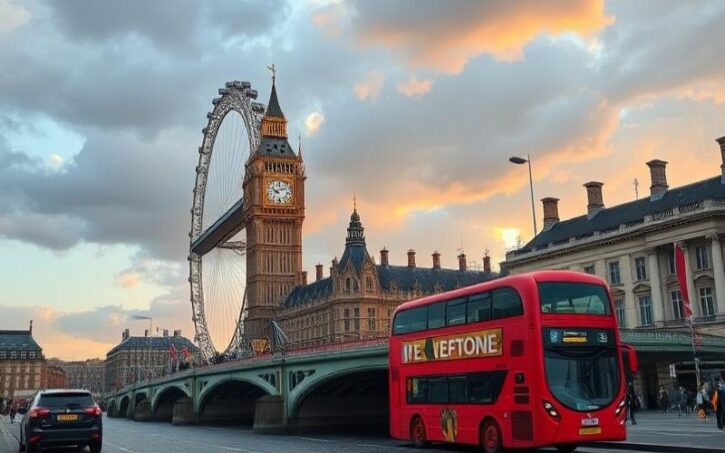
The United Kingdom is full of iconic tourist destinations that attract not only visitors but also real estate investors. London, the cosmopolitan capital, remains undeniably the focal point of British tourism. With its iconic landmarks like Big Ben, Tower Bridge, and the Palace of Westminster, the city draws millions of visitors each year. This popularity is directly reflected in the London property market, where demand for housing, both for purchase and rental, remains consistently high.
Beyond London, other regions of the UK are experiencing a tourism boom that influences their real estate market. The Cotswolds, with their picturesque villages and bucolic landscapes, have become a haven for city dwellers seeking second homes. Scotland, particularly Edinburgh and the Highlands, is attracting more and more tourists and investors drawn to its historic charm and spectacular scenery.
Southwest England, including counties like Devon and Cornwall, is also experiencing strong tourism-related property demand. These coastal regions, prized for their beaches and relaxed atmosphere, are seeing a significant increase in purchases of second homes and properties intended for seasonal rental.
The tourist appeal of these areas is not limited to their natural beauty or historical heritage. Improvements in transportation infrastructure, notably the high-speed rail network, have made these destinations more accessible, increasing their attractiveness to real estate investors. For example, the HS2 (High Speed 2) project, although currently under review, promises to significantly reduce travel times between London and major northern cities, which could further stimulate interest in property in those regions.
Good to know:
The most popular tourist areas in the UK, such as London, the Cotswolds, Scotland, and southwest England, experience strong property demand, both for primary residences and rental investments, due to their tourist appeal and improved transportation infrastructure.
Soaring Prices: When Tourism Drives Up Property Values
The impact of tourism on property prices in the UK is undeniable and is particularly pronounced in the most sought-after tourist areas. This influence translates into a significant increase in property values, creating both opportunities for investors and challenges for local residents.
In London, the epicenter of British tourism, property prices have experienced spectacular growth over the years. Although the COVID-19 pandemic temporarily slowed this trend, the latest data shows a market recovery. According to the SeLoger – MeilleursAgents – “Les Echos” House Price Indices (HPI), prices in London rose by 0.2% in February 2025. This increase, though modest, indicates a recovery in the London property market, largely supported by the capital’s tourist appeal.
In other popular tourist regions, the upward price trend is even more pronounced. For example, in the Cotswolds, property prices have seen a significant increase in recent years, often exceeding the national average. This rise is largely attributed to the growing demand for second homes and short-term rental properties, fueled by tourism.
The phenomenon of tourist gentrification is particularly visible in certain coastal areas of southwest England. Towns like St Ives in Cornwall have seen their property prices skyrocket, driven by demand for vacation homes and seasonal rentals. This trend has led to situations where housing prices have become unaffordable for many local residents, creating tensions within communities.
In Scotland, the rise in tourism has also had a significant impact on the property market. In Edinburgh, for instance, the city’s growing popularity with tourists has led to increased demand for short-term housing, which has contributed to rising property prices in the historic city center.
It is important to note that this price increase is not uniform across the UK. Some less touristy regions are experiencing more moderate price increases, or even stagnation. However, the general trend in areas with strong tourist appeal is upward, creating an increasingly competitive and expensive property market.
This inflation of property prices in tourist areas has significant consequences for local communities. In many cases, local residents, particularly young people and middle-income families, find themselves priced out of the property market in their own region. This situation has led some local authorities to consider or implement measures to regulate the market, such as restrictions on second homes or incentives for affordable housing.
Good to know:
The tourist appeal of popular British regions like London, the Cotswolds, and coastal areas of the southwest has led to a significant rise in property prices. This trend, while advantageous for investors, poses challenges for local communities in terms of housing affordability.
The Rental Investment Boom: When Tourism Transforms the Property Landscape
The rise of tourism in the UK has significantly boosted the rental investment market, profoundly transforming the property landscape in many regions. This trend is mainly manifested by the proliferation of short-term rentals and vacation homes, offering new opportunities for investors but also raising questions about the balance of the local property market.
In major tourist cities like London, Edinburgh, or Bath, there is a proliferation of Airbnb-style rentals. These properties, often located in central and historic neighborhoods, are particularly attractive to tourists seeking an authentic experience. In London, for example, the number of entire homes listed on Airbnb has increased significantly in recent years, from a few thousand to several tens of thousands of units.
This trend has created a new profile of real estate investors, attracted by the potentially high returns of short-term rentals. In some popular tourist areas, income generated from seasonal rentals can be significantly higher than that from traditional long-term rentals. For example, in popular coastal towns like Brighton or Bournemouth, a well-located apartment can generate in a few months of the high tourist season the equivalent of a year’s traditional rent.
The phenomenon is not limited to large cities. In rural tourist regions like the Cotswolds or the Lake District, there is a significant increase in property purchases intended for vacation rentals. These investments are often motivated by the combination of high rental income potential and the prospect of long-term property value appreciation in these sought-after areas.
However, this tourism-related rental investment boom is not without consequences for the local property market. In many regions, the conversion of residential homes into vacation rentals has contributed to reducing the supply of housing for local residents, exacerbating problems of affordable housing shortages. This situation has led some local authorities to consider or implement regulations to limit the proliferation of short-term rentals.
For example, in London, property owners are limited to 90 days of short-term rental per year without special permission. In Scotland, the government has introduced a licensing system for short-term rentals, aiming to better regulate this booming sector. These measures aim to find a balance between the economic benefits of tourism and the housing needs of local communities.
Despite these challenges, tourism-related rental investment continues to attract many investors, both domestic and international. The prospects of attractive returns, combined with the relative stability of the British property market, make it a tempting option for diversifying investment portfolios.
It is important to note that the success of these investments largely depends on factors such as location, property quality, and effective rental management. Investors must also be aware of local regulations and potential legislative changes that could affect this type of investment in the future.
Good to know:
The rise of tourism in the UK has stimulated rental investment, particularly in short-term rentals and vacation homes. While this offers lucrative opportunities for investors, it also raises concerns about the impact on local housing, leading to the introduction of regulations in some regions.
Future Outlook: A Constantly Evolving Property Market
The future of the British property market, in relation to tourism, looks both promising and complex. Current trends suggest that tourism’s influence on real estate will continue to grow, but with important nuances to consider.
First, the British government recently announced an ambitious program to build “new towns,” aiming to construct 1.5 million homes by 2029. This initiative, the largest since World War II, could have a significant impact on the property market by increasing the housing supply in some regions and potentially creating new tourist destinations.
The increasing digitization of the real estate sector, accelerated by the pandemic, will likely continue to influence buying and rental trends. Virtual tours and online transactions have become more common, facilitating remote investments, including for foreign buyers interested in the British market.
Brexit and its long-term consequences for the British economy remain a factor of uncertainty for the property market. However, the UK continues to attract international investors, particularly in popular tourist areas, thanks to its relative stability and enduring cultural appeal.
Sustainability and ecology are expected to play an increasing role in tourism-related property development. Investors and developers will be increasingly incentivized to create environmentally friendly properties, meeting a growing demand for more sustainable tourism.
Finally, regulation of the rental market, particularly in tourist areas, may continue to evolve. Local and national authorities will likely seek to balance the economic benefits of tourism with the housing needs of local communities, which could influence long-term investment strategies.
In conclusion, the British property market, under the influence of tourism, remains dynamic and offers many opportunities. However, investors will need to stay attuned to regulatory developments, market trends, and the changing needs of tourists and local communities to succeed in this constantly evolving sector.
Good to know:
The future of the British property market linked to tourism looks dynamic, with opportunities created by new developments and digitization, but also challenges related to sustainability and regulation. Investors will need to remain agile and informed to navigate this evolving landscape.
Disclaimer: The information provided on this website is for informational purposes only and does not constitute financial, legal, or professional advice. We encourage you to consult qualified experts before making any investment, real estate, or expatriation decisions. Although we strive to maintain up-to-date and accurate information, we do not guarantee the completeness, accuracy, or timeliness of the proposed content. As investment and expatriation involve risks, we disclaim any liability for potential losses or damages arising from the use of this site. Your use of this site confirms your acceptance of these terms and your understanding of the associated risks.

Cyril Jarnias is an independent expert in international wealth management with over 20 years of experience. As an expatriate himself, he is dedicated to helping individuals and business leaders build, protect, and pass on their wealth with complete peace of mind.
On his website, cyriljarnias.com, he shares his expertise on international real estate, offshore company formation, and expatriation.
Thanks to his expertise, he offers sound advice to optimize his clients' wealth management. Cyril Jarnias is also recognized for his appearances in many prestigious media outlets such as BFM Business, les Français de l’étranger, Le Figaro, Les Echos, and Mieux vivre votre argent, where he shares his knowledge and know-how in wealth management.





