
 Published on and written by Cyril Jarnias
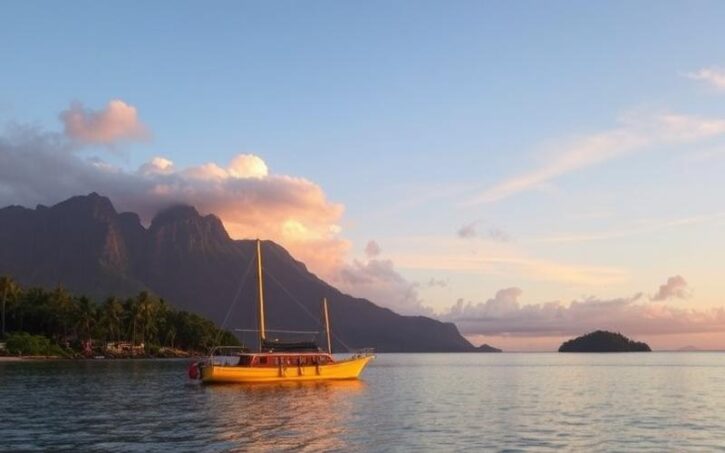
The Enchanting Vanuatu Archipelago
The enchanting Vanuatu archipelago, with its idyllic beaches and rich culture, attracts numerous investors eager to benefit from its flourishing real estate market. Between the charms of older properties, with their traditional wooden houses, and the appeal of modernity, symbolized by elegant apartments in contemporary complexes, the choice isn’t always straightforward.
In this article, we’ll break down in numbers the current trends shaping this dynamic sector, comparing acquisition costs, long-term appreciation potential, and the environmental impact of new constructions versus older buildings.
Whether you’re a seasoned investor or an island lover, this data-driven match between new and old real estate properties in Vanuatu will provide enlightening perspectives to guide your decisions.
Advantages and Disadvantages of New Real Estate in Vanuatu
Advantages of New Real Estate in Vanuatu
- Modern Infrastructure: New developments benefit from the latest construction advancements, offering contemporary architecture, effective thermal and sound insulation, and recent technological equipment.
- Compliance with Current Environmental Standards: New constructions adhere to the most recent ecological standards, resulting in the use of sustainable and high-performance materials. This not only reduces the building’s ecological footprint but also optimizes energy consumption.
- Reduced Energy Costs: Thanks to better insulation and the integration of low-consumption equipment (heating, air conditioning, LED lighting), energy expenses are significantly lower than those of older properties.
- Attractive Tax Incentives: Vanuatu offers a very favorable tax environment with no income tax, no capital gains tax on real estate, and no inheritance taxes. These benefits allow investors to improve their net profitability without heavy tax burdens.
- Space Customization: When buying new properties during pre-construction or plan phases, it’s generally possible to customize your home (choice of interior materials, layout) according to your tastes or specific needs.
| Advantage | Explanation |
|---|---|
| Modernity & Technologies | New infrastructure meeting contemporary expectations |
| Environmental Standards | Strict compliance with ecological regulations |
| Reduced Energy Costs | Insulation and energy-efficient equipment to lower energy bills |
| Favorable Taxation | No income tax or real estate capital gains tax |
| Customization | Adaptable interior arrangements during reservation |
Main Disadvantages
- High Acquisition Cost: The price per square meter for new properties is often higher than that of the older real estate market. This difference is explained by the superior quality of construction and guarantees offered by the developer.
- Construction-Related Delays: Buying in a new development frequently involves a waiting period before delivery (construction or finishing), unlike older properties where acquisition can be immediate.
- Potential Lack of Historical Charm: Unlike older properties that sometimes attract with their authentic character (traditional materials, architectural history), new properties may seem impersonal or lack the sought-after heritage character.
Comparative Data & Vanuatu Real Estate Market Dynamics
The real estate market in Vanuatu is dynamic thanks particularly to:
- Growing demand driven by tourism development,
- An expanding expatriate community,
- An incentive tax framework favoring seasonal or long-term rental investment.
Regarding average prices:
| Type | Estimated Average Price/m²* |
|---|---|
| New Real Estate | 2,500 – 3,200 € |
| Older Real Estate | 1,800 – 2,400 € |
*Ranges vary according to precise location (Port-Vila vs. provinces), included amenities, and coastal proximity.
New properties therefore offer more in terms of technology and economics but require a higher initial investment and some patience before final delivery.
Key Takeaway
New real estate in Vanuatu attracts for its modernity, high energy performance, and attractive taxation but imposes a greater initial financial effort than older properties while sometimes lacking in architectural authenticity.
Good to Know:
New real estate in Vanuatu offers undeniable advantages such as modern infrastructure, compliance with current environmental standards, and often advantageous tax exemptions promoted by the government, allowing for customization according to individual tastes and reduced energy costs through the use of effective building materials. However, buyers must consider acquisition costs that are often higher than those for older properties, with average prices for new properties potentially up to 20% higher, sometimes lengthy construction delays, and a lack of historical charm found more in older properties. Despite these drawbacks, new developments benefit from growing appeal, supported by a dynamic and rapidly growing real estate market that attracts investors looking to capitalize on the country’s structural evolution.
Cost/Benefit Analysis Between New and Old Real Estate in Vanuatu
| Criteria | New Real Estate | Older Real Estate |
|---|---|---|
| Average Purchase Prices | Generally higher, particularly in urbanized or developing areas, due to modern materials and compliance with current standards. Recent specific data is lacking, but trend shows a 10-20% premium compared to older properties in Vanuatu. | Prices generally lower than new properties, but variable depending on condition and location; possibility of higher negotiation. |
| Maintenance and Renovation Costs | Low initial maintenance costs thanks to new materials and builder warranties. Less need for major renovations in the first years after purchase. | Often higher costs due to building aging: regular work for plumbing, electricity, roofing, insulation may be necessary soon after acquisition. Frequent heavy renovations for energy or safety standard upgrades. |
| Tax Incentives | In Vanuatu, there are no specific tax incentives differentiating new and old real estate. Real estate taxation is advantageous overall: no rental income tax, no capital gains tax on real estate; moderate registration fees (2% residents / 5% non-residents); 15% VAT recoverable under certain conditions. Very low property taxes (0.1%-0.3%), no habitation tax. No particular tax advantages identified for new versus old properties. | Same tax conditions as for new real estate. |
| Potential Energy Savings & Environmental Benefits | New buildings constructed according to recent standards tend to integrate energy-efficient technologies: effective insulation, optimized natural ventilation, possible photovoltaic solar systems; notable reduction in energy consumption and lower carbon impact. This translates to reduced energy bills and better thermal comfort throughout the year. | Older buildings often less energy efficient; costly energy renovation necessary to reach equivalent standard to new properties (enhanced thermal insulation, etc.). Higher environmental impact if not modernized quickly. |
| Real Estate Appreciation | The local market shows a favorable trend for new property appreciation thanks to its perceived modernity and superior performance; better attractiveness to buyers and tenants seeking modern comfort; potential gradual price increase over medium-long term linked to current standards of Vanuatu real estate market. | Older real estate may see its value stagnate or decrease without appropriate renovations; increased risk related to technical or aesthetic obsolescence that could hinder quick or profitable resale. |
Additional Key Points
- The extremely light taxation in Vanuatu is a key factor facilitating investment in both new and old properties with few direct recurring charges related to properties.
- The choice between new/old will therefore depend largely on the initial budget available (higher for new), as well as personal objectives (preference for modern comfort vs. price opportunities).
Testimonials / Synthetic Case Studies
- Several recent buyers indicated preferring to invest in new properties to avoid unexpected costs related to frequent repairs observed in local older properties.
- Other investors attracted by heritage potential sometimes choose older properties with plans for gradual renovation to add significant value.
“I opted for a new house because I wanted to avoid any issues related to old electrical installations that were problematic for my friends who bought older properties” — Resident investor since 2024.
“Buying older allowed me an attractive initial price with the possibility to later evolve my house according to my tastes” — Local property owner renewing his real estate portfolio.
Good to Know:
In Vanuatu, purchasing a new property is generally more expensive, with an average price 20% higher than older properties. Maintenance costs for old houses are often higher, particularly for structural renovations, while recent constructions benefit from durable materials and modern technologies that reduce long-term costs. Buying a new property can offer significant tax reductions, compared to older properties that don’t benefit from them. New constructions, complying with ecological standards, ensure superior energy savings and reduced environmental footprint, meeting the expectations of climate-conscious buyers. The local market shows better appreciation of new properties over the last five years, particularly in sought-after coastal areas. A recent buyer, for example, opted for a new apartment in Port-Vila, citing energy savings and low maintenance costs as main attractions, contrasting with the constraints of a 1960s villa requiring significant work.
⚠️ Important:
The current lack of precise public statistics makes personalized study necessary during the project.
Builder Guarantees and Financial Aspects for New Real Estate in Vanuatu
Builder Guarantees for New Real Estate in Vanuatu
New real estate generally comes with several guarantees designed to protect the buyer against defects and poor workmanship after property delivery. Although Vanuatu doesn’t have a framework identical to, for example, France or Bali, some international practices are found in local new developments.
| Guarantee | Duration | Covered Items |
| Perfect Completion Guarantee | 1 year | All defects reported during or after delivery |
| Two-Year Guarantee | 2 years | Separable elements (shutters, doors…) |
| Ten-Year Guarantee | 10 years | Damages compromising building structural integrity |
- The completion guarantee ensures that the developer will complete construction even in case of default.
- Properties must also comply with specific anti-cyclonic and anti-seismic standards relevant to the local context.
Financial Incentives and Government Assistance
In Vanuatu, there are few formalized public assistance programs dedicated to new property buyers. However:
- Some banking institutions may offer preferential conditions for real estate financing if the buyer presents a strong file with substantial down payment and complementary guarantees (pledge on financial investments, international bank guarantee).
- Advantages may exist occasionally for projects meeting strict environmental criteria or promoting eco-friendly housing: preferential rates or partial exemptions on certain local taxes.
- Planning for all additional fees (notary, acquisition taxes, brokerage) is essential during financial structuring.
Insurance Cost Differences: New vs. Old Real Estate
Insurance costs are generally lower for new real estate properties compared to older properties:
- A new home often directly benefits from builder guarantees that reduce immediate risk for the insurer.
- Recent standards (anti-cyclonic/anti-seismic) applied to new constructions further decrease this risk.
Conversely:
- Older real estate may require a higher premium due to increased risk related to structural wear and potential lack of compliance with current standards.
Impact on Investor Decisions
The guarantees offered by builders strongly secure investment in new properties: they considerably limit financial risks related to hidden defects or major flaws for several years following delivery. Combined with potential financial incentives and less expensive insurance than for older properties, these protections make the new property market particularly attractive to investors seeking legal security and budget stability.
Key Takeaways:
- Builder guarantees provide lasting protection against hidden defects/poor workmanship.
- Financial incentives exist mainly through bank negotiation rather than in the form of massive direct assistance.
- Overall cost (including insurance) is often more advantageous in new properties thanks to these integrated protections.
Good to Know:
In Vanuatu, investing in new real estate offers several advantages, particularly through builder guarantees such as the ten-year guarantee covering structural damages for 10 years and the two-year guarantee ensuring equipment repairs for 2 years. Furthermore, the government proposes various financial incentives to encourage acquisition of new properties, such as preferential interest rates for mortgage loans and subsidies for eco-friendly real estate projects. Insurance is often less expensive for new properties due to their compliance with the latest construction standards, which reduces potential risks. These guarantees and incentives can favorably influence investor decisions, making new real estate more attractive than older properties, by facilitating financing and offering peace of mind regarding investment durability.
Disclaimer: The information provided on this website is for informational purposes only and does not constitute financial, legal, or professional advice. We encourage you to consult qualified experts before making any investment, real estate, or expatriation decisions. Although we strive to maintain up-to-date and accurate information, we do not guarantee the completeness, accuracy, or timeliness of the proposed content. As investment and expatriation involve risks, we disclaim any liability for potential losses or damages arising from the use of this site. Your use of this site confirms your acceptance of these terms and your understanding of the associated risks.

Cyril Jarnias is an independent expert in international wealth management with over 20 years of experience. As an expatriate himself, he is dedicated to helping individuals and business leaders build, protect, and pass on their wealth with complete peace of mind.
On his website, cyriljarnias.com, he shares his expertise on international real estate, offshore company formation, and expatriation.
Thanks to his expertise, he offers sound advice to optimize his clients' wealth management. Cyril Jarnias is also recognized for his appearances in many prestigious media outlets such as BFM Business, les Français de l’étranger, Le Figaro, Les Echos, and Mieux vivre votre argent, where he shares his knowledge and know-how in wealth management.





