
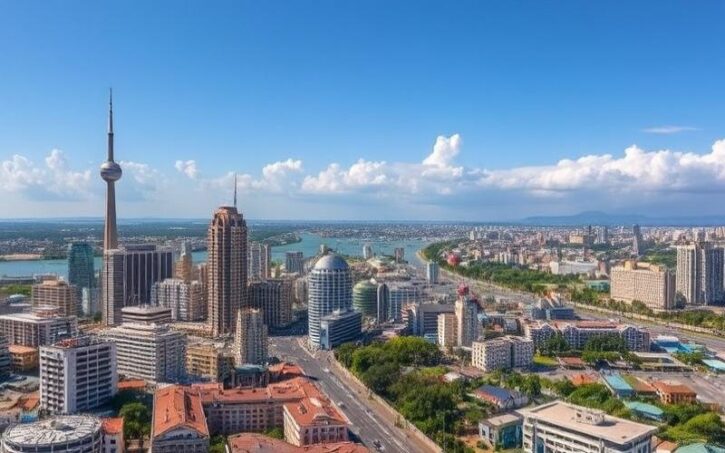
 Published on and written by Cyril Jarnias
Nestled on West Africa’s coast, Ivory Coast captivates travelers with its rich blend of culture, nature, and history.
This African gem invites discovery of its hidden treasures and stunningly beautiful sites, such as Comoé National Park, a UNESCO World Heritage site, and the fishing village of Grand-Bassam with its preserved colonial architecture.
Not to mention Abidjan, a truly dynamic metropolis where modernity and traditions coexist, and the enchanting Basilica of Our Lady of Peace overlooking the savanna landscapes of Yamoussoukro.
Exploring Ivory Coast means immersing yourself in a world of striking contrasts where each region reveals its own wonders, offering travelers an unforgettable and authentic experience.
Ivory Coast’s Hidden Treasures
Ivory Coast’s Hidden Treasures
| Site | Description | Unique Experiences | Local Traditions |
|---|---|---|---|
| Grand-Béréby | Isolated beach in the far southwest, lined with coconut trees, hidden coves, rainforest. End-of-the-world atmosphere, calm and disconnection. | Exploring deserted beaches, wild swimming, forest hikes, sea turtle watching from November to March, canoe trips with local fishermen. | Life in fishing villages, cuisine based on fresh fish, encounters with coastal communities. |
| Mount Sangbé National Park | Mountainous park in the northwest, wildlife (antelopes, buffaloes, leopards, monkeys, exotic birds), savanna landscapes and 18 volcanic massifs. | 4×4 safari, hikes on volcanic peaks, bird watching, immersion in raw nature. | Discovery of rural traditions in surrounding villages, local crafts, exchanges with inhabitants. |
| Marahoué National Park | Central region, natural panoramas, wildlife observation towers (antelopes, hippos, leopards), savanna and forest landscapes. | Wildlife observation from towers, nature walks, exploration of Bozi confluence. | Legends and taboos of the confluence, cultural monuments in Bouaflé (Zaouli mask statue), local festivals. |
| Monogaga Beach | Wild beach near San Pedro, preserved, ideal for tranquility and nature. | Relaxation, swimming, photography of pristine landscapes, ecotourism excursions. | Seafood cuisine, villagers’ hospitality, fishing traditions. |
| Banco Forest (Abidjan) | Protected rainforest, green lung of the capital, shaded trails, urban biodiversity. | Hiking, wildlife and flora observation, picnics, nature workshops. | Preservation initiatives, forest-related rituals, encounters with local guides. |
| Abidjan Museum of Contemporary Art | Vibrant cultural center, exhibitions of modern and contemporary Ivorian art, unique architecture. | Gallery visits, meetings with artists, creative workshops. | Exhibition openings, artistic events, tasting of local specialties during cultural evenings. |
| Grand-Bassam Artists’ Village | Historic and creative district, artisan workshops, art galleries, bohemian atmosphere. | Discovery of artworks, creative workshops, walks through colonial streets. | Participation in art festivals, initiation to sculpture and painting, tasting of local dishes. |
Unmissable Atmospheres:
- Grand-Béréby: Silence of deserted beaches, sea breeze, flaming sunset, slow village rhythms.
- Mount Sangbé: Golden light on the savanna, bird calls, feeling of majestic solitude.
- Marahoué: Whisper of rivers, fishermen’s tales, festive energy during local ceremonies.
- Monogaga: Salty scent, warm sand, warm welcome from inhabitants.
- Banco Forest: Coolness under the canopy, bird songs, nature refuge in the heart of the city.
- Museum of Contemporary Art: Creative effervescence, dialogue of forms and colors, pride of Ivorian art scene.
- Grand-Bassam: Harmony of workshops, music, exchanges between artists, authenticity of traditions.
Exploring these places means diving into the secret, vibrant Ivory Coast, where each site reveals a new facet of the Ivorian soul.
Good to Know:
Don’t miss the isolated beach of Assinie for a tranquil experience and the Abidjan Museum of Contemporary Art for a dive into modern African art, while discovering the vibrant cultural festival and culinary traditions of Grand-Bassam’s artists’ village.
Advantages and Disadvantages of Must-See Sites
Ivory Coast’s Essential Tourist Sites
| Site | Main Importance | Key Advantages | Potential Disadvantages |
|---|---|---|---|
| Basilica of Our Lady of Peace (Yamoussoukro) | Major religious monument, national symbol | Unique architectural heritage, comparable to St. Peter’s Basilica in Rome; reflection of Ivorian history; attracts visitors worldwide | Crowds during major ceremonies; limited hotel infrastructure in the city |
| Taï National Park | World natural heritage (UNESCO) | Exceptional biodiversity (great apes, elephants, endemic flora); hiking and ecotourism; preservation awareness | Access difficulties; limited tourist infrastructure; ecological degradation risks if overcrowded |
| Mount Nimba | Natural border with Liberia and Guinea, UNESCO site | Spectacular mountain landscapes; hiking; observation of rare wildlife (chimpanzees, viviparous toad) | Difficult accessibility; ecological impact; variable security depending on regional situation |
| Cocody Market (Abidjan) | Economic and cultural center | Immersion in local life; crafts, textiles, gastronomy; urban economy boost | Significant crowds; security to monitor; health risks (variable hygiene) |
| Grand-Bassam | Historic town, UNESCO site | Colonial remains, beaches, museums; strong cultural and artistic identity; high international tourism appeal | Overcrowding during holidays; coastal erosion; heritage preservation to monitor |
| Man Waterfalls | Natural treasure of western mountains | Natural beauty, hiking, ideal site for nature lovers; local crafts | Access difficulty; limited infrastructure; natural accident risks |
| Grand-Béréby | Beaches, natural pools | Preserved beach resorts; water activities, relaxation tourism; economic benefits for the region | Distance from major centers; sometimes insufficient infrastructure |
Advantages of Visiting These Places
- Cultural and historical richness: Yamoussoukro Basilica, Grand-Bassam and Cocody Market are symbols of Ivorian history, cultural diversity and architectural heritage.
- Natural beauty and biodiversity: Taï National Park, Mount Nimba and Man Waterfalls offer unique experiences discovering wildlife, flora and spectacular landscapes.
- Economic benefits: Tourism generates income for local populations, promotes job creation (guides, artisans, hoteliers) and supports regional economy.
Disadvantages and Challenges Encountered
- Tourist crowds: Some sites, especially in Abidjan and Grand-Bassam, experience high pressure during peak tourist seasons, which can harm the experience and preservation of places.
- Ecological impact: Visitation to natural parks and beaches can accelerate ecosystem degradation if management isn’t rigorous.
- Limited infrastructure: Accessibility and quality of tourist infrastructure vary by region, sometimes insufficient for mass tourism.
- Safety and health: Risks exist in remote or highly frequented areas, particularly regarding security, hygiene or available medical care.
Key Takeaways
Ivory Coast offers remarkable diversity of tourist sites, combining culture, history and nature. Valuing these assets must be accompanied by sustainable management to preserve their authenticity and ensure positive benefits for local communities.
Good to Know:
The Basilica of Our Lady of Peace in Yamoussoukro, though majestic, can be crowded during high season, while Taï National Park offers exceptional biodiversity but requires environmental precautions during visits. Be aware of limited infrastructure around Mount Nimba and be cautious at Cocody Market to avoid pickpockets despite the lively atmosphere.
Traveling in Ivory Coast: Transportation Tips and Advice
Main Transportation Modes in Ivory Coast
- Taxis: Available everywhere, easily recognizable by their color (orange in Abidjan and Bouaké, white with stripes in Yamoussoukro). Distinguish between “metered” taxis (private, with meter) and shared taxis (woro-woro) that follow fixed shared routes.
- Minibuses (Gbaka): Widely used in large cities, they serve regular routes at low cost. Be cautious about safety and often limited comfort.
- Motorcycle taxis: Practical in some cities and rural areas, especially where roads are narrow or impassable.
- SOTRA buses: Developed urban network in Abidjan, with classic and express options.
- Ride-hailing services and car rentals: Uber, Bolt, Yango, local services with or without driver, practical for more comfort and safety.
| Transport Mode | Indicative Fare | Advantages | Disadvantages / Safety Tips |
|---|---|---|---|
| Private metered taxi | 500 to 1,500 CFA/trip | Flexible, air-conditioned | Negotiate if no meter, avoid alone at night |
| Woro-woro (shared) | 100 to 200 CFA/trip | Economical, frequent | Crowded, variable safety, watch for pickpockets |
| Gbaka (minibus) | 200 to 350 CFA/trip | Numerous routes, cheap | Risky driving, sometimes outdated vehicles |
| Motorcycle taxi | To negotiate, ~200-500 CFA | Fast, goes everywhere | Accident risk, helmet recommended |
| SOTRA bus | 200 CFA (classic), 500 CFA (express) | Extensive network, fixed price | Slow, random schedules, pickpockets |
| Ride-hailing (Uber, Bolt, Yango) | Variable, often 1,500–3,000 CFA/Abidjan | Secure, mobile booking | Traffic, fluctuating prices |
| Car rental | From 20,000 CFA/day | Freedom, comfort, air conditioning | Watch road conditions and signage |
Traveling Between Major Cities (Abidjan, Yamoussoukro, Bouaké, San Pedro)
- Intercity buses: Several companies (UTB, STIF, etc.) connect major cities. Frequent departures, tickets purchased at bus stations.
- Chauffeured car rental: Recommended for more flexibility and safety, especially for long trips.
- Train: Abidjan-Ouagadougou line serves Bouaké, but passenger service remains limited.
- Airplane: For San Pedro and some cities, domestic flights exist.
Exploring Rural or Less-Frequented Areas
- 4×4 or SUV recommended, especially during rainy season.
- Motorcycle taxi or small local vehicles for dirt tracks.
- Bring water, spare tire and check vehicle condition before departure.
- Always inform a local contact of your itinerary and expected arrival time.
Useful Mobile Applications and Services
- Google Maps and Waze: For road navigation and real-time traffic in Abidjan.
- Uber, Bolt, Yango: To book chauffeured vehicles.
- Moov Africa, MTN CI: Sometimes offer local mobility or traffic alert applications.
Tips to Avoid Traffic Jams in Abidjan
- Avoid travel between 7-9am and 5-8pm, major rush hours.
- Prefer travel outside these hours, or use boat-bus to cross the lagoon.
- Follow real-time traffic via mobile applications.
What to Know About Road Conditions
- Always check road conditions before leaving, especially during rainy season when dirt tracks can become impassable.
- Inquire with locals, transport companies or applications to avoid risk areas.
- Road safety remains a challenge: prefer reputable companies, wear seatbelts, and avoid night travel outside cities.
Important Tip
Before any travel outside Abidjan, check weather and road conditions, and prefer reputable transport companies for your safety.
Good to Know:
To get around Ivory Coast, prefer taxis or gbakas for urban trips, while car rentals offer more freedom to explore rural areas; make sure to use apps like Yango to navigate between cities and avoid rush hours in Abidjan to limit traffic jams.
Comfortable Accommodation in Ivory Coast
Types of Accommodation Available in Ivory Coast
- Luxury hotels: Mainly present in Abidjan, but also in other major cities. These establishments offer spacious rooms, suites, sometimes apartments, along with high-end services (spa, pools, gyms, gourmet restaurants, conference rooms, bars, shops).
- Local inns: Less expensive, they offer simple and friendly accommodation, often with breakfast included and a more authentic atmosphere.
- Vacation rentals: Apartments, houses or villas for rent, ideal for families or groups, with equipped kitchen, private living spaces and sometimes pool or garden.
Popular Neighborhoods for Staying
| City | Neighborhoods/Recommendations | Main Characteristics |
|---|---|---|
| Abidjan | Plateau, Cocody, Marcory, Zone 4, Riviera | Business proximity, nightlife, restaurants, security, easy access to tourist sites |
| Grand-Bassam | France Quarter, Colonial Quarter | Beaches, UNESCO heritage, beach atmosphere, craft shops |
| Yamoussoukro | City center, near Basilica | Calm, proximity to historical and administrative sites |
| Korhogo | City center, traditional neighborhoods | Authenticity, cultural immersion, access to markets and craft workshops |
Typical Amenities Offered
- Luxury hotels: Pool, spa, gym, high-speed wifi, room service, concierge, airport shuttles, varied restaurants, lounge bars, event spaces.
- Local inns: Breakfast, wifi, air conditioning, laundry service, family welcome, sometimes excursion organization.
- Vacation rentals: Equipped kitchen, living room, multiple bedrooms, cleaning services, sometimes private pool/garden.
Unique Cultural Experiences
- Discovery of Ivorian cuisine in local restaurants or markets (attieké, aloco, grilled fish).
- Participation in dance evenings (coupé-décalé, zouglou) or concerts in lively Abidjan neighborhoods.
- Visit to craft markets (Grand-Bassam, Korhogo) to discover sculpture, weaving, and traditional jewelry.
- Discovery of colonial heritage in Grand-Bassam, Basilica of Our Lady of Peace in Yamoussoukro, or traditional Senufo villages near Korhogo.
Tips for Ideal Visiting Periods
- Dry season (November to March): Pleasant temperatures, less rain, ideal for beach and urban tourism.
- Rainy season (May to July, September to October): More humid climate, some road access can be difficult outside main cities.
- For luxury hotels in Abidjan, prices are generally lower in January and October, and higher in November (high season).
Traveler Safety
- Prefer central neighborhoods known for their safety, especially in Abidjan (Plateau, Cocody).
- Inquire with accommodation about areas to avoid at night.
- Use reliable transportation (taxis recommended by hotel, ride-hailing).
- Respect general safety advice (avoid displaying valuables, vigilance in public places).
- For destinations outside Abidjan, check road conditions and prefer well-rated accommodations.
Ivory Coast combines modern comfort and cultural immersion, with accommodation options suited to all budgets and unique experiences in each region.
Good to Know:
For a comfortable stay in Ivory Coast, choose luxury hotels in Cocody and Plateau in Abidjan, select local inns for an authentic experience in Grand-Bassam, and explore vacation rentals in Yamoussoukro; the dry season, from November to March, is ideal for safe travel.
Disclaimer: The information provided on this website is for informational purposes only and does not constitute financial, legal, or professional advice. We encourage you to consult qualified experts before making any investment, real estate, or expatriation decisions. Although we strive to maintain up-to-date and accurate information, we do not guarantee the completeness, accuracy, or timeliness of the proposed content. As investment and expatriation involve risks, we disclaim any liability for potential losses or damages arising from the use of this site. Your use of this site confirms your acceptance of these terms and your understanding of the associated risks.

Cyril Jarnias is an independent expert in international wealth management with over 20 years of experience. As an expatriate himself, he is dedicated to helping individuals and business leaders build, protect, and pass on their wealth with complete peace of mind.
On his website, cyriljarnias.com, he shares his expertise on international real estate, offshore company formation, and expatriation.
Thanks to his expertise, he offers sound advice to optimize his clients' wealth management. Cyril Jarnias is also recognized for his appearances in many prestigious media outlets such as BFM Business, les Français de l’étranger, Le Figaro, Les Echos, and Mieux vivre votre argent, where he shares his knowledge and know-how in wealth management.





