
 Published on and written by Cyril Jarnias
Nestled between the Pacific Ocean and the Caribbean Sea, Nicaragua is a fascinating destination that combines vibrant cultural richness with breathtaking natural landscapes.
From majestic volcanoes to golden sand beaches, and colorful colonial cities, every corner of this country offers a new discovery for travelers seeking authenticity and adventure.
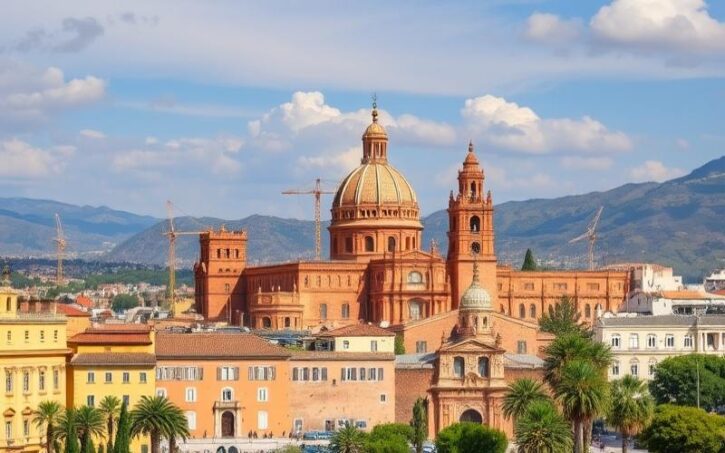
Granada, with its colorful buildings and historic architecture, attracts history enthusiasts, while Masaya National Park intrigues with its lava flows and mysterious atmosphere.
Whether you are drawn to exploring the paradise islands of the Corn Islands or the urban vibes of Managua, Nicaragua promises an unforgettable travel experience off the beaten path.
Nicaragua’s Hidden Gems: Must-See Attractions
The Corn Islands, located off the Caribbean coast, represent a paradise still untouched by mass tourism. Little Corn Island, the smaller and more authentic of the two, charms with its white sand beaches, turquoise waters ideal for diving and snorkeling, and laid-back atmosphere. Here, there are no cars—you get around on foot or by bike, enhancing the sense of escape. The marine life is exceptional, with turtles, rays, and a wide variety of tropical fish. To get there, a domestic flight from Managua followed by a short boat ride is required. The best time to visit is from February to April, during the dry season, to fully enjoy the beaches and underwater scenery.
The colonial village of Granada is an architectural gem with colorful facades, baroque churches, flower-filled patios, and lively markets. Its perfectly preserved historic center invites leisurely strolls through cobblestone streets, cigar factories, and artisan workshops. It is also the ideal starting point for exploring the “isletas,” tiny green islands on Lake Nicaragua, accessible by kayak or traditional boat. The proximity to nature and the tranquil pace of life offer an authentic experience, far from typical tourist circuits. Granada is easily accessible by car or bus from Managua. Opt for the dry season (November to April) to enjoy its terraces and boat excursions.
The Somoto Canyon, in the north of the country, is a little-known geological wonder. This spectacular gorge, carved by the Coco River, impresses with its steep walls and crystal-clear natural pools. Exploring the canyon is done on foot, by swimming, or floating on buoys, in the heart of a wild landscape where you can observe tropical birds, rare butterflies, and lush vegetation. Access is from the town of Somoto, with local guides ensuring safety and sharing their knowledge of the area. The ideal period is from December to March, when the river flow is moderate and the climate is dry.
Good to know:
Explore the Corn Islands for their tranquility accessible by boat, discover Granada by avoiding the rainy season to admire its colonial architecture, and venture into Somoto Canyon where local guides show you the rich biodiversity while sharing traditions.
Practical Tips for Travelers:
- Bring cash, as some remote sites do not accept credit cards.
- Travel between these gems may require multiple modes of transport—plan ahead and book in advance, especially during high season.
- Respect nature and the tranquility of the places—opt for guided tours by locals for a respectful and enriching discovery.
- Protect yourself from the sun and mosquitoes (sunscreen, lightweight long-sleeved clothing, repellent).
Summary Table of Hidden Gems:
| Site | Highlights | Accessibility | Flora and Fauna | Best Time |
|---|---|---|---|---|
| Corn Islands | Pristine beaches, diving, Caribbean vibe | Domestic flight + boat | Turtles, tropical fish | Feb. – Apr. |
| Granada | Colonial architecture, markets, isletas | Bus or car from Managua | Birds, iguanas, lake vegetation | Nov. – Apr. |
| Somoto Canyon | Canyon, hiking, swimming, wild landscapes | Bus/local from Somoto + guide | Birds, butterflies, endemic flora | Dec. – Mar. |
The people of Nicaragua welcome travelers with warmth and generosity. Join local festivals, taste typical cuisine (gallo pinto, nacatamal), and discover the richness of artisan traditions for a complete immersion in Nicaraguan culture.
Adventures and Access: How to Explore Nicaragua
Transportation in Nicaragua
| Mode of Transport | Description | Regions Served | Practical Tips |
|---|---|---|---|
| Collective Buses | Very economical, many types (urban, express, ruteados). Basic comfort, flexible schedules, frequent departures in major cities. | All major cities (Managua, León, Granada, Estelí, Matagalpa, San Juan del Sur) and road-accessible villages. | Keep belongings close, watch for pickpockets, ask locals for schedules. |
| Minibuses / Shuttles | Faster and more comfortable than collective buses, serve main tourist areas, often bookable via hotels/hostels. | Tourist routes (Granada, Masaya, San Juan del Sur, León, Pacific beaches). | Book in advance, especially during high season. |
| Taxis and Private Shuttles | Private or shared services, higher fare, flexible timing, possible direct routes between cities or to the airport. | Throughout the country, airports, hotels, beaches. | Negotiate the price before departure, use recommended companies. |
| Ferries and Boats | Crossings of lakes and rivers, notably to Ometepe, Rio San Juan. | Ometepe Island, San Carlos, Granada, Corn Islands (from Bluefields). | Book for vehicles, watch for weather conditions. |
| Car Rental | Maximum freedom, main roads are decent, some roads can be rough. | Major cities, main tourist roads, limited access on some roads or during rainy season. | 4×4 recommended off main routes, be cautious of road conditions and signage. |
Accessible Regions and Sites
- Volcanoes: Masaya, Mombacho (near Granada), Cerro Negro (near León), Concepción and Maderas (Ometepe). Access by bus, shuttle, or organized tour.
- Lakes: Lake Managua, Lake Nicaragua (Granada, Ometepe, San Carlos). Ferries and boats to Ometepe and San Carlos.
- Beaches: San Juan del Sur, Las Peñitas, Pochomil, Corn Islands. Access by bus, shuttle, or plane for Corn Islands.
- Colonial Cities: Granada, León. Accessible by long-distance bus, shuttle, or taxi.
- Forests and Reserves: Selva Negra (Matagalpa), Miraflor Reserve (Estelí), Rio San Juan. Bus, organized tours, or private vehicles.
Popular Tours and Excursions
- Volcanic Hiking: Ascent of Cerro Negro (active volcano, sandboarding), trek on Mombacho or Concepción (Ometepe).
- Cruise on Lake Nicaragua: Day trip to the islets of Granada or circuit to Ometepe.
- Surfing and Beaches: San Juan del Sur and Las Peñitas, known for their waves and festive atmosphere.
- Cultural Discovery: Guided tour of Granada and León, immersion in colonial history, museums, and markets.
- Jungle Adventure: Descent of the Rio San Juan by canoe or kayak, wildlife observation.
Practical Tips
Ideal Time: The dry season (November to April) is the best for traveling and accessing all regions, especially roads and volcanoes. The rainy season (May to October) can make some routes difficult, especially in the mountains or to remote beaches.
Safety: Use transportation recommended by accommodations or recognized agencies, avoid traveling at night on secondary roads, keep an eye on belongings on public transport, and avoid certain urban areas after dark.
Local Guides: For volcanic hikes, jungle excursions, and cultural visits, hiring an official guide ensures safety, enriching information, and support for the local economy.
Luggage: Always keep valuables on you, do not leave anything in luggage compartments or on bus roofs.
Activities by Traveler Profile
| Profile | Recommended Activities |
|---|---|
| Adventurers | Volcanic hiking, sandboarding, kayaking, surfing, jungle trekking |
| Families | Lake cruises, visits to colonial cities, calm beaches |
| Culture Enthusiasts | Guided historical tours, artisan markets, museums |
| Foodies | Local cooking classes, coffee tasting (Matagalpa), exploring markets and specialties like gallo pinto or vigorón |
To Optimize the Experience
- Travel light, check schedules the day before, book excursions and private transport in advance during high season.
- Bring clothes suitable for the climate (heat, possible rain).
- Follow the safety instructions of guides and adhere to local recommendations.
Good to know:
Local buses and private shuttles make it easy to access key sites like Masaya Volcano and the beaches of San Juan del Sur, while the dry season from November to April is ideal for exploring the country’s varied landscapes safely with a local guide. For a complete experience, explore hiking trails around the lakes and taste Nicaraguan cuisine at typical markets.
Feeling at Home: Where to Stay During Your Visit to Nicaragua
Nicaragua offers a wide variety of accommodations suitable for all types of travelers, from the refined comfort of boutique hotels to the friendly atmosphere of hostels, not to mention homestays for an authentic local immersion.
| Region | Types of Accommodations | Style & Atmosphere | Unique Experiences |
|---|---|---|---|
| Managua | Boutique hotels, chains, B&Bs | Urban, modern, secure, close to amenities | Easy access, shopping, culture |
| Granada | Colonial hotels, hostels, B&Bs | Historic, colorful, friendly | Walks in the old town, volcano views, Lake Nicaragua isletas |
| León | Hostels, boutique hotels, guesthouses | Student, artistic, warm atmosphere | Street art, cafes, volcanic excursions |
| San Juan del Sur | Eco-hotels, hostels, rentals | Beach, festive, surf, relaxation | Beaches, surfing, nightlife |
Types of Accommodations
- Boutique Hotels
- Fewer than 10 rooms, often tastefully decorated.
- Offer luxurious details, pool, personalized service.
- Examples: neo-colonial hotels in Granada, modern hotels in Managua.
- Hostels
- Ideal for budget travelers or solo travelers.
- Friendly atmosphere, common areas, sometimes pool or patio.
- Often located in city centers (Hostal Entre Amigos in Granada, Hostal Lazybones in León).
- Homestays and Guesthouses
- Authentic experience, cultural immersion.
- Private rooms or studios, sometimes shared kitchen.
- Perfect for families or long stays.
- Eco-Lodges and Beach Hotels
- Especially on the Pacific coast (San Juan del Sur) or on the islands.
- Integration with nature, ecotourism activities (kayaking, wildlife observation).
Practical Aspects
Safety
- Major cities like Managua, Granada, and León have safe neighborhoods, especially around historic centers and tourist areas.
- Choose establishments with security and safes.
- It is recommended to check recent reviews and avoid outlying areas at night.
Amenities
- WiFi, air conditioning or fan, breakfast included in most hotels and hostels.
- Pool common in mid-range to high-end establishments, especially in León and San Juan del Sur.
- Some rentals offer equipped kitchens, ideal for budget-conscious travelers.
Unique Experiences
- In Granada: stay in a colonial house with an interior patio.
- In León: enjoy a hostel with a pool to cool off after a volcanic excursion.
- In San Juan del Sur: choose an eco-lodge with ocean views and direct beach access.
Booking Tips and Budget
Booking in Advance
- Highly recommended for Christmas, Easter, and the high tourist season (November-March).
- Prices can double during holidays, and the most sought-after accommodations fill up quickly.
Budget Considerations
- Hostels and hospedajes: from $8-15 USD per night for a dorm or small room.
- Boutique hotels: from $50 to $120 USD per night depending on region and standard.
- Homestays or guesthouses: excellent value for money, especially for extended stays or families.
- Budget extra for activities, especially on the coast and in tourist areas.
To remember: The choice of accommodation will depend on your budget, your desire for socializing or privacy, and the type of experiences you seek. For a local experience, prioritize guesthouses and rentals; for more comfort, opt for boutique hotels or eco-lodges. Always check safety, amenities, and book in advance during high season.
Good to know:
Choose a boutique hotel in Granada for its colonial atmosphere or a friendly hostel in San Juan del Sur for a more modest budget, while ensuring you book in advance to guarantee availability, especially during high season. For a more authentic experience, consider a local rental in León to enjoy practical amenities and a secure setting.
Disclaimer: The information provided on this website is for informational purposes only and does not constitute financial, legal, or professional advice. We encourage you to consult qualified experts before making any investment, real estate, or expatriation decisions. Although we strive to maintain up-to-date and accurate information, we do not guarantee the completeness, accuracy, or timeliness of the proposed content. As investment and expatriation involve risks, we disclaim any liability for potential losses or damages arising from the use of this site. Your use of this site confirms your acceptance of these terms and your understanding of the associated risks.

Cyril Jarnias is an independent expert in international wealth management with over 20 years of experience. As an expatriate himself, he is dedicated to helping individuals and business leaders build, protect, and pass on their wealth with complete peace of mind.
On his website, cyriljarnias.com, he shares his expertise on international real estate, offshore company formation, and expatriation.
Thanks to his expertise, he offers sound advice to optimize his clients' wealth management. Cyril Jarnias is also recognized for his appearances in many prestigious media outlets such as BFM Business, les Français de l’étranger, Le Figaro, Les Echos, and Mieux vivre votre argent, where he shares his knowledge and know-how in wealth management.





