
 Published on and written by Cyril Jarnias
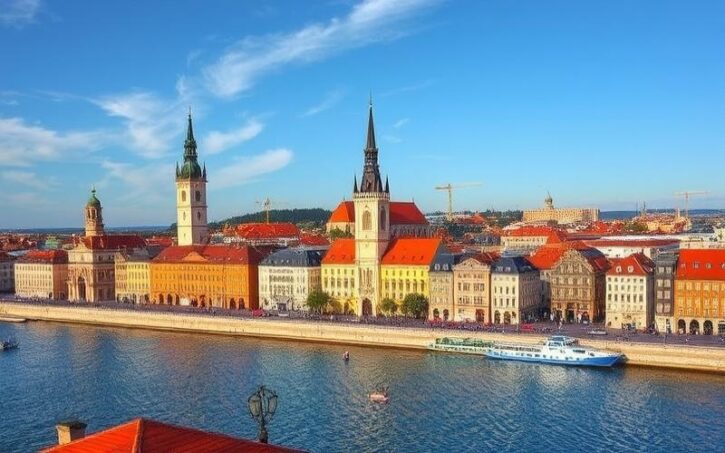
Nestled between the Adriatic Sea and its picturesque landscapes, Croatia is increasingly attracting international families seeking an exceptional educational experience.
Showcasing a rich culture and dynamic learning environment, the country’s international schools offer diverse programs and innovative pedagogical approaches, ranging from International Baccalaureates to curricula adapted to different nationalities.
Whether you’re in Zagreb or charming coastal cities like Split and Dubrovnik, these institutions stand out through their commitment to academic excellence and their ability to prepare students for a globalized future.
Discover the best international schools in Croatia that are shaping tomorrow’s leaders while integrating unique cultural elements into their programs.
Croatia’s Educational Gems: Top International Schools
International schools in Croatia stand out through a combination of excellence criteria that make them true educational gems.
Selection Criteria for International Schools in Croatia:
- Recognized International Curriculum
Schools typically offer curricula such as International Baccalaureate (IB), Cambridge International Programme, or American Curriculum, ensuring global exposure and international diploma recognition. - Cultural Diversity
Student bodies comprise pupils from numerous nationalities, fostering a multicultural environment where tolerance, openness, and intercultural understanding are central to learning. - High Success Rates
Schools demonstrate remarkable results in international exams, with a large proportion of graduates entering prestigious universities worldwide. - Partnerships with Renowned Universities
Several institutions maintain direct connections with European, British, and American universities, facilitating student access to excellent higher education.
Examples of Renowned International Schools in Croatia and Their Strengths:
| School | City | Specific Strengths |
|---|---|---|
| International School of Zagreb | Zagreb | Comprehensive IB program, modern facilities, STEM clubs, international teachers, university partnerships |
| American International School of Zagreb | Zagreb | American curriculum, diverse arts and sports activities, high US university admission rates, eco-friendly campus |
| British International School of Split | Split | Cambridge program, strong language immersion, personalized mentoring, international educational excursions |
| Novska International School | Novska | STEAM approach, state-of-the-art laboratories, robotics workshops, European exchanges |
Specific Institutional Strengths:
- State-of-the-art Facilities: Science laboratories, music rooms, digital libraries, high-level sports infrastructure.
- Highly Qualified Teachers: Native or bilingual teachers, internationally trained, recruited for their pedagogical expertise.
- Unique Extracurricular Activities: Debate clubs, creative workshops, volunteer projects, international competitions, study abroad trips.
Educational Map and Strategic Locations:
- Major international schools are located in key urban centers (Zagreb, Split), facilitating access to cultural, economic, and university resources.
- Some schools are also emerging in secondary cities, enhancing Croatia’s attractiveness for expatriate families across the entire territory.
Alumni and Parent Testimonials:
“The multicultural environment allowed our son to thrive and develop genuine curiosity about the world. The teachers are passionate and always attentive.”
Parent of student at International School of Zagreb
“Thanks to the IB program, I was able to enter a university in London without difficulty. The science clubs and school trips truly broadened my horizons.”
Former student of American International School of Zagreb
“The facilities are impressive and the extracurricular projects allowed me to discover my passion for robotics.”
Student at Novska International School
International schools in Croatia thus offer exceptional academic, cultural, and human environments, aligned with global standards and the expectations of international families.
Good to Know:
International schools in Croatia, like the American International School of Zagreb, stand out through recognized IB programs, enriching cultural diversity, and remarkable student success rates, with partnerships including Harvard; parents also praise their cutting-edge facilities and innovative extracurricular activities.
Deep Dive: Addresses and Costs of Croatian International Schools
Here’s a summary of the main international schools in Croatia, with their precise addresses, tuition fees, additional costs, and available financial aid. Information is organized by major city.
Zagreb
| School | Address | Annual Fees (HRK) | Additional Fees | Scholarships / Aid |
|---|---|---|---|---|
| American International School of Zagreb (AISZ) | Vocarska 106, 10000 Zagreb | 4,650 – 13,600 | Extracurricular activities, transportation (optional) | No public scholarships, case-by-case assistance based on situation |
| The Learning Tree International Kindergarten (TLT) | Lovcenska ulica 38, 10000 Zagreb | 2,300 – 3,500 per month | Extracurricular activities, transportation | No public scholarships |
| French International School of Zagreb (EFZ) | Fratrovac 36, 10000 Zagreb | 19,150 – 64,700 | Extracurricular activities, transportation | Scholarships available through AEFE for eligible families |
| German International School Zagreb (DISZ) | Fratrovac 36, 10000 Zagreb | Contact school for details | Extracurricular activities, transportation | Case-by-case assistance based on situation |
Split
| School | Address | Annual Fees (HRK) | Additional Fees | Scholarships / Aid |
|---|---|---|---|---|
| Split International School Harfa | Put Duilova 23, 21000 Split | Contact school for details | Extracurricular activities, transportation | No public information on scholarships |
Rijeka
No major international schools are listed in Rijeka. Expatriate families typically turn to Zagreb or Split for international education.
Dubrovnik
No major international schools are listed in Dubrovnik. Options are limited, and families prefer Zagreb or Split.
Cost Comparison Within the Region
| City | International School | Annual Fees (approx. EUR) | Regional Comparison |
|---|---|---|---|
| Zagreb | AISZ | 600 – 1,800 | Cheaper than Vienna or Budapest |
| Zagreb | EFZ | 2,500 – 8,500 | Similar to Budapest, more expensive than Belgrade |
| Split | Harfa | Contact for details | Comparable to other regional international schools |
| Zagreb | TLT | 3,000 – 4,600 per year | Cheaper than international schools in Ljubljana |
Note: Tuition fees in Croatia are generally lower than in neighboring capitals like Vienna, Budapest, or Ljubljana, but remain high compared to local standards. Additional fees (transportation, extracurricular activities) can represent between 10% and 20% of the annual cost.
Key Takeaways
- International schools in Zagreb are the most numerous and offer the most choices.
- Tuition fees vary significantly depending on the school and education level.
- Scholarships are rare, except for the French International School of Zagreb (AEFE).
- Additional fees (transportation, extracurricular activities) must be considered in the budget.
- International schools in Split are limited, but Harfa offers a recognized IB program.
- No major international schools are present in Rijeka or Dubrovnik.
Highlight: Tuition fees in Croatian international schools are lower than in neighboring capitals but remain significant compared to the local cost of living.
Good to Know:
In Zagreb, the American school charges approximately 12,000 euros per year with a 500 euro registration fee, while Dubrovnik International School offers scholarships covering up to 50% of fees for eligible families.
Living in Croatia: How Much to Budget for Your Children’s Education?
Types of Educational Institutions in Croatia
Croatia offers a variety of educational institutions adapted to different family and expatriate needs. The Croatian education system is structured around three main levels: preschool education, primary and secondary education, and higher education.
Public Schools: Most schools in Croatia are public and free, managed by the Ministry of Science and Education. These institutions welcome children from age 6 for elementary school (until age 14) and then offer 3 to 4 years of secondary education for children aged 14 to 18. Croatia stands out with Europe’s lowest school dropout rate, at only 2.8% in 2015 compared to the European average of 11%.
Private Schools: The number of private schools in Croatia remains limited. However, some private institutions offer specialized programs and instruction in foreign languages, providing an alternative for families seeking more personalized or multilingual education.
International Schools: International schools constitute an important option for expatriates. Among the most recognized are the British School in Zagreb, the American International School, the German International School, the French School, as well as the Byron School in Pula which specializes in foreign language instruction. These institutions offer stimulating and secure school environments with educational programs aligned with international standards.
Higher Education Structure
Croatia has 122 higher education institutions distributed among 10 universities, 16 polytechnics (veleučilišta), and 28 colleges of various profiles. Main universities include the University of Zagreb (founded in 1669), the University of Zadar (the oldest, dating from 1396), the University of Split, the University of Rijeka, and the University of Dubrovnik (the youngest, established in 2003). Higher education offers two types of studies: university studies and professional studies.
Tuition Fees
Public and National Private Schools: Public schools in Croatia are free, representing a major advantage for families residing in the country. National private schools charge fees, but precise information regarding annual costs is not available in consulted resources.
International Schools: International schools charge substantially higher tuition fees than the public sector. Although approximate annual cost figures are not explicitly provided in available sources, these institutions represent a significant investment for expatriate families. Fees generally vary depending on education level (primary, secondary) and the institution’s reputation.
Higher Education: The vast majority of Croatian students (93%) pursue their studies in public higher education institutions. Public universities charge considerably lower rates than private institutions. Polytechnic schools and private colleges offer an alternative to public universities with tuition fees varying by institution and field of study.
Additional Expenses
Beyond tuition fees, families should anticipate several categories of additional expenses:
- School Uniforms: Some institutions, particularly international schools and certain private schools, require uniforms whose initial cost must be budgeted.
- School Supplies: School materials (notebooks, pens, books, computer equipment) represent an annual recurring expense.
- Extracurricular Activities: Sports clubs, music lessons, educational excursions, and other extracurricular programs generate additional fees depending on options chosen by the institution.
- School Transportation: Depending on school and home locations, transportation costs may add to the educational budget.
Scholarships and Financial Aid
Information concerning scholarships and financial aid specifically intended for expatriates in Croatia is not detailed in available sources. However, expatriate families wishing to school their children in Croatia should explore the following possibilities:
- Consult international schools directly regarding merit scholarship programs or need-based financial aid.
- Contact expatriate organizations and foreign chambers of commerce to learn about existing assistance programs.
- Check with employers whether they offer education allowances for expatriate employees’ children.
Resources for Parents
Academic Guidance Services: Euroguidance France offers specialized resources for parents wishing to study or school their children in Croatia. These services provide detailed information about the Croatian education system, admission procedures, and practical aspects of schooling.
Educational Consultations: Expatriate parents can consult the educational services of their country’s embassies and consulates in Croatia, which often provide advice about available school options and necessary administrative procedures.
Expatriate Networks: Established expatriate communities in Croatia, particularly in Zagreb, Split, and Dubrovnik, constitute valuable resources for obtaining personal recommendations and first-hand experiences regarding schools.
Multilingual Information: Croatia pays particular attention to linguistic minorities, with approximately fifty schools offering instruction in students’ native languages (Czech, Italian, Serbian, and Hungarian) at primary and secondary levels. This availability facilitates the integration of expatriate children whose native language isn’t Croatian.
Preschool Education: Preschool education begins from age 3 in kindergartens (dječji vrtić), with one mandatory year called program predškole. These services, although regulated by the state, are organized and funded by local authorities, allowing some flexibility in access depending on the region.
Good to Know:
In Croatia, public schools are generally free, while private and international schools can cost between 5,000 and 15,000 euros per year; remember to include up to 2,000 euros extra for uniforms, school supplies, and extracurricular activities. Scholarships for expatriates and academic guidance services are available to help reduce costs and guide parents through the Croatian education system.

Cyril Jarnias is an independent expert in international wealth management with over 20 years of experience. As an expatriate himself, he is dedicated to helping individuals and business leaders build, protect, and pass on their wealth with complete peace of mind.
On his website, cyriljarnias.com, he shares his expertise on international real estate, offshore company formation, and expatriation.
Thanks to his expertise, he offers sound advice to optimize his clients' wealth management. Cyril Jarnias is also recognized for his appearances in many prestigious media outlets such as BFM Business, les Français de l’étranger, Le Figaro, Les Echos, and Mieux vivre votre argent, where he shares his knowledge and know-how in wealth management.





