
 Published on and written by Cyril Jarnias
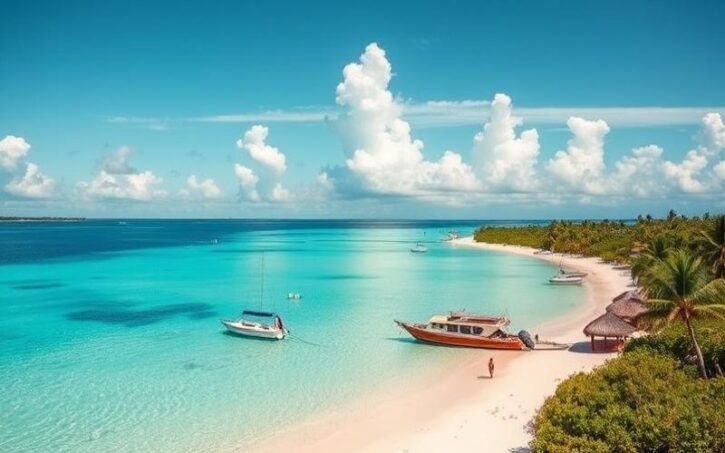
Moving to the Bahamas means choosing to live in a true tropical paradise. This archipelago of over 700 islands offers dreamlike landscapes with its white sand beaches and turquoise waters. However, settling in this country also involves adapting to a climate quite different from what you know in Europe. The subtropical climate of the Bahamas, characterized by high temperatures year-round and high humidity, can be a real challenge for expats. In this article, we will give you practical tips to acclimate smoothly and fully enjoy your new life under the Caribbean sun.
Understanding the Climate of the Bahamas
Before settling in the Bahamas, it is essential to understand the specifics of the local climate. The Bahamas enjoys a subtropical climate, influenced by the Gulf Stream and trade winds. This climate is characterized by warm, stable temperatures throughout the year, with an annual average of about 77°F (25°C).
Seasons in the Bahamas
Contrary to what one might think, the Bahamas does have two distinct seasons:
- The dry season: from November to April. This is the most pleasant period, with milder temperatures (between 68°F and 77°F / 20°C and 25°C) and less rainfall. It is also the peak tourist season.
- The wet season: from May to October. It is characterized by higher temperatures (between 77°F and 90°F / 25°C and 32°C) and more frequent rain. This is also the hurricane season.
Key Climate Features to Know
Several aspects of the Bahamian climate deserve special attention:
- Humidity: It is high year-round, with levels reaching up to 80% during the wet season.
- Rainfall: Although it varies by island, it is more abundant from June to October.
- Hurricanes: The cyclone season officially runs from June 1st to November 30th, with peak activity in September.
- Sunshine: The Bahamas enjoys about 3,000 hours of sunshine per year, averaging over 8 hours per day.
Good to know:
The Bahamas experiences a microclimate that can vary slightly from one island to another. For example, the northern islands like Grand Bahama are generally a bit cooler than the southern ones like Great Inagua.
Impacts of the Climate on Health and Well-being
The subtropical climate of the Bahamas can have significant repercussions on the health and well-being of expats, especially during the first few months after moving. It is crucial to be aware of this to better prepare.
Risks Related to Heat and Humidity
The combination of high heat and humidity can lead to several health issues:
- Dehydration: Heavy sweating can lead to significant loss of water and minerals.
- Heatstroke: Prolonged exposure to the sun can cause a dangerous rise in body temperature.
- Sunstroke: Intense UV rays can cause burns and severe headaches.
- Fatigue and Irritability: Constant heat can affect mood and energy levels.
Diseases Related to the Tropical Climate
The hot, humid climate of the Bahamas promotes the development of certain diseases:
- Mosquito-borne diseases: Dengue, Chikungunya, Zika.
- Fungal infections: Skin mycoses, athlete’s foot.
- Gastrointestinal diseases: More common due to bacterial proliferation in the heat.
Impact on Sleep and Circadian Rhythm
Nighttime heat and prolonged daylight can disrupt sleep and biological rhythms. This can lead to fatigue, irritability, and decreased productivity.
Good to know:
The acclimatization period to the Bahamas climate can last from a few weeks to several months. It is important to be patient and not get discouraged if adaptation takes time.
Strategies for Adapting to the Bahamian Climate
To live comfortably in the Bahamas, it is essential to adopt strategies for adapting to the local climate. Here are some practical tips to help you acclimate smoothly.
Hydration and Adapted Diet
Constant heat and humidity require special attention to hydration and diet:
- Drink plenty of water, even if you don’t feel thirsty. Aim for at least 2 liters (about 0.5 gallons) per day.
- Choose water-rich foods: fruits, vegetables, cold soups.
- Limit alcohol and caffeine consumption, as they promote dehydration.
- Opt for light, frequent meals rather than heavy ones that increase body heat.
Sun and Clothing Protection
The sun in the Bahamas is particularly intense; it is crucial to protect yourself effectively:
- Apply high-SPF sunscreen (SPF 50+) generously every 2 hours.
- Wear light, loose-fitting, light-colored clothing made from natural fibers like cotton or linen.
- Don’t forget a wide-brimmed hat and quality sunglasses.
- Avoid sun exposure between 11 a.m. and 4 p.m., when rays are most dangerous.
Managing Physical Activity
Physical exercise remains important but should be adapted to the climate:
- Prioritize activities early in the morning or late in the day when temperatures are milder.
- Opt for water sports that allow you to cool down: swimming, paddleboarding, diving.
- Gradually increase the intensity and duration of your sessions to give your body time to adapt.
- Hydrate abundantly before, during, and after exercise.
Good to know:
Acclimatizing to the Bahamas climate also involves adopting the local pace of life. Bahamians tend to be more active early in the morning and late in the day, taking advantage of the relative coolness of those times.
Home Setup for Climate Comfort
Your living space plays a crucial role in your adaptation to the Bahamas climate. Proper setup can greatly improve your daily comfort.
Choosing and Orienting Your Home
When searching for your home in the Bahamas, consider the following aspects:
- Prioritize an east-west orientation to benefit from the sea breeze and limit direct sun exposure.
- Choose a home with large openings to promote natural ventilation.
- If possible, select an elevated home that will benefit more from air currents.
- Ensure there are shaded outdoor spaces like a terrace or covered balcony.
Air Conditioning and Ventilation Systems
Managing indoor temperature is essential for your comfort:
- Install an efficient, well-maintained air conditioning system. Opt for energy-efficient models.
- Use ceiling fans to circulate air and create a cooling effect.
- Consider dehumidifiers to reduce ambient humidity, especially in bedrooms.
- Remember to clean your appliance filters regularly to maintain their efficiency.
Adapted Interior Design
Your interior design can help maintain a pleasant temperature:
- Choose thick curtains or blinds to block the sun’s heat during the day.
- Opt for natural, breathable materials for your furniture and bedding: wood, rattan, cotton, linen.
- Prioritize light colors for walls and floors, which reflect light and heat.
- Install window screens so you can leave windows open at night without worrying about insects.
Good to know:
In the Bahamas, many houses are built with materials suited to the local climate, such as wood or concrete, and are designed to maximize natural ventilation. Don’t hesitate to draw inspiration from local architecture for your own home.
Prevention and Management of Climate Risks
Living in the Bahamas means being prepared to face certain climate risks, especially hurricanes. Good preparation is essential to ensure your safety and that of your loved ones.
Preparing for Hurricane Season
The cyclone season, which runs from June to November, requires special vigilance:
- Put together an emergency kit containing water, non-perishable food, a battery-powered radio, flashlights, essential medications, etc.
- Prepare an evacuation plan and identify hurricane shelters near you.
- Secure your home: install hurricane shutters, trim nearby trees, store or tie down outdoor objects.
- Stay informed: follow weather bulletins and instructions from local authorities.
Managing Flooding and Heavy Rain
Torrential rains can cause flash flooding:
- Avoid building or living in low-lying areas or near waterways.
- Ensure your drainage system is effective and well-maintained.
- Elevate electrical appliances and valuables in at-risk areas.
- Never cross a flooded area, whether on foot or in a vehicle.
Protection Against Climate-Related Diseases
Preventing tropical diseases is crucial:
- Use mosquito repellent and mosquito nets, especially at dusk and dawn.
- Eliminate standing water around your home to reduce mosquito breeding.
- Maintain good personal and food hygiene to prevent infections.
- Consult a doctor as soon as unusual symptoms appear.
Good to know:
Bahamian authorities have established early warning systems and emergency plans for natural disasters. Familiarize yourself with these systems upon your arrival in the country.
Cultural Integration and Adaptation Related to Climate
Adapting to the Bahamas climate goes hand in hand with understanding and adopting the local lifestyle, which is heavily influenced by weather conditions.
Pace of Life and Local Habits
The tropical climate has shaped the Bahamian way of life:
- Adopt the habit of taking a siesta during the hottest hours of the day.
- Enjoy the early morning and late afternoon for your outdoor activities.
- Participate in outdoor events held in the evening, such as street festivals or night markets.
- Incorporate water sports into your routine; they are perfect for cooling down and socializing.
Local Cuisine and Drinks Adapted to the Climate
Bahamian gastronomy is perfectly suited to the local climate:
- Discover light, refreshing local dishes like conch salad or grilled fish.
- Adopt the habit of drinking fresh fruit juices and cocktails made with local rum.
- Learn to cook with local spices and herbs that have cooling properties.
- Take Bahamian cooking classes to better understand the use of local ingredients.
Participating in Climate-Related Social Activities
The climate heavily influences social life in the Bahamas:
- Join water sports or beach clubs to meet locals and other expats.
- Participate in seasonal festivals like Junkanoo, a colorful celebration that takes place during the cool season.
- Get involved in environmental preservation activities, such as beach cleanups or coral reef protection.
- Attend community meetings on hurricane preparedness; it’s a great way to integrate and prepare.
Good to know:
Bahamians are known for their hospitality and joy of living. Don’t hesitate to strike up a conversation about the weather; it’s often a good way to break the ice and start a friendship.
Adapting to the Bahamas climate takes time and patience, but it is also a unique opportunity to discover a way of life in harmony with nature. By following these tips and staying open to the local culture, you can not only acclimate but also fully enjoy the beauty and richness of this paradise country.
Remember that every expatriation experience is unique. Listen to your body, be patient with yourself, and don’t hesitate to ask locals or other expats for advice. Over time, you will develop your own tips for living comfortably under the Bahamian sun.
Disclaimer: The information provided on this website is for informational purposes only and does not constitute financial, legal, or professional advice. We encourage you to consult qualified experts before making any investment, real estate, or expatriation decisions. Although we strive to maintain up-to-date and accurate information, we do not guarantee the completeness, accuracy, or timeliness of the proposed content. As investment and expatriation involve risks, we disclaim any liability for potential losses or damages arising from the use of this site. Your use of this site confirms your acceptance of these terms and your understanding of the associated risks.

Cyril Jarnias is an independent expert in international wealth management with over 20 years of experience. As an expatriate himself, he is dedicated to helping individuals and business leaders build, protect, and pass on their wealth with complete peace of mind.
On his website, cyriljarnias.com, he shares his expertise on international real estate, offshore company formation, and expatriation.
Thanks to his expertise, he offers sound advice to optimize his clients' wealth management. Cyril Jarnias is also recognized for his appearances in many prestigious media outlets such as BFM Business, les Français de l’étranger, Le Figaro, Les Echos, and Mieux vivre votre argent, where he shares his knowledge and know-how in wealth management.





