
 Published on and written by Cyril Jarnias
The United Kingdom, with its rich historical heritage, diverse landscapes, and fascinating culture, offers a multitude of must-see tourist attractions that draw millions of visitors each year. From the majestic capital of London to the picturesque countryside of Yorkshire, and from the mysterious rock formations of Stonehenge, this country is brimming with treasures to discover. In this article, we will take you on a journey to explore the most iconic tourist sites in the UK, revealing their highlights, unique features, and practical information to help you plan your trip.
London: A Capital of a Thousand Faces
London, the true beating heart of the United Kingdom, is a destination in itself that deserves several days of exploration. This cosmopolitan metropolis seamlessly blends tradition and modernity, offering visitors a unique and unforgettable experience.
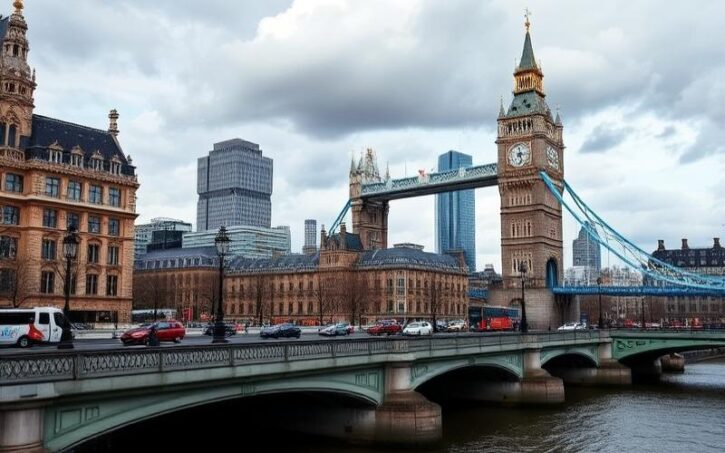
Big Ben and the Houses of Parliament: Iconic symbols of London, these Victorian Gothic buildings impress with their majestic architecture. Located along the River Thames, they offer a particularly striking spectacle at sunset. Visitors can attend parliamentary debates or join guided tours to discover the inner workings of British democracy.
Buckingham Palace: The official residence of the British royal family, this palace draws crowds of visitors, especially for the famous Changing of the Guard ceremony. During the summer, part of the palace is open to the public, allowing visitors to explore the lavish State Rooms and the royal art collection.
Tower Bridge and the Tower of London: These two historic landmarks tell the tumultuous story of the city. The Tower of London, a medieval fortress, houses the Crown Jewels and offers fascinating guided tours led by the Yeomen Warders. Tower Bridge, with its distinctive neo-Gothic architecture, features an interactive exhibition and panoramic views of the Thames.
The British Museum: This world-renowned museum houses an invaluable collection of artifacts from around the globe. From Egyptian mummies to the Rosetta Stone, and from the Parthenon friezes, the British Museum offers a journey through human history. Free admission makes it a must-see attraction for history and culture enthusiasts.
The London Eye: This giant observation wheel offers breathtaking panoramic views of London. Particularly magical at sunset, it allows you to admire the city’s main landmarks from a unique angle.
Good to Know:
Most of London’s major museums, such as the British Museum, the National Gallery, and Tate Modern, are free, allowing you to fully enjoy the city’s cultural richness without breaking the bank.
Beyond London: The Hidden Treasures of the United Kingdom
While London is often the starting point for many trips to the UK, the country is full of other fascinating tourist sites well worth the detour.
Stonehenge: This prehistoric stone circle, located in Wiltshire, is one of the most enigmatic and fascinating monuments in the world. A UNESCO World Heritage Site, Stonehenge attracts visitors from around the globe, intrigued by its mysterious history and astronomical significance. The site features a modern visitor center with interactive exhibits that help you better understand the historical and cultural importance of this unique place.
Edinburgh Castle: Perched on a volcanic rock in the heart of the Scottish capital, this iconic castle offers a deep dive into Scotland’s tumultuous history. Visitors can admire the Scottish Crown Jewels, explore the royal apartments, and enjoy panoramic views of the city. The One O’Clock Gun, fired daily at 1 PM (except Sundays), is a tradition enjoyed by tourists.
The Lake District Lakes: This picturesque region in northwest England is renowned for its spectacular landscapes of mountains and lakes. A paradise for hikers and nature lovers, the Lake District has inspired many British poets and writers. Lake Windermere, the largest lake in England, offers scenic cruises and a variety of water activities.
Bath: This elegant city in southwest England is famous for its Roman baths and Georgian architecture. The remarkably well-preserved Roman Baths offer a fascinating glimpse into life during Roman times. Bath Abbey, with its impressive Gothic architecture, and the Royal Crescent, a row of crescent-shaped townhouses, are other must-see attractions in this UNESCO World Heritage city.
Oxford and Cambridge: These two rival university cities offer a unique blend of history, architecture, and academic tradition. In Oxford, don’t miss the Bodleian Library, one of Europe’s oldest libraries, and Christ Church College, whose dining hall inspired Hogwarts in the Harry Potter films. In Cambridge, a punt ride on the River Cam offers a unique perspective on the historic colleges.
Good to Know:
To fully enjoy these tourist sites outside of London, it is recommended to rent a car or opt for organized tours. Many agencies offer itineraries that combine several destinations in a single day or over multiple days.
How to Get to the United Kingdom: The Best Transport Options
The United Kingdom is easily accessible from France and the rest of Europe, offering several transport options to suit all budgets and preferences.
By Plane: This is often the fastest and most convenient way to reach the UK. London has several international airports, including Heathrow, Gatwick, and Stansted, served by numerous airlines, including low-cost carriers. Other major cities like Manchester, Edinburgh, and Glasgow also have international airports.
Advantages: – Speed, especially for long distances – Numerous daily flights from major European cities – Possibility of finding attractive fares with low-cost airlines
Disadvantages: – Greater environmental impact – Waiting times at security checks and immigration – Additional costs for transport from the airport to the city center
By Train (Eurostar): The Eurostar connects Paris, Brussels, and Amsterdam to London via the Channel Tunnel. It is a comfortable and eco-friendly option for traveling from continental Europe.
Advantages: – Direct arrival in the heart of London (St Pancras station) – Superior comfort and space compared to flying – Fewer baggage restrictions – Reduced carbon footprint
Disadvantages: – Can be more expensive than some flight options – Limited to London as a direct destination
By Ferry: For those who prefer to travel with their own vehicle or enjoy sea crossings, the ferry is an interesting option. Several companies operate routes between France and the UK, notably from Calais, Dunkirk, or Dieppe to Dover.
Advantages: – Possibility to bring your vehicle – Unique travel experience – No baggage limitations
Disadvantages: – Longer travel time – Dependence on weather conditions – Need to get to the departure port
Good to Know:
If you plan to visit multiple tourist sites across the UK, consider purchasing a BritRail pass. It offers unlimited train travel throughout the country and can be economical for longer stays.
Where to Stay: Options for Every Taste and Budget
The United Kingdom offers a wide range of accommodation options to meet the needs and budgets of all travelers. Here is an overview of the main possibilities:
Hotels: From five-star luxury to more modest establishments, the UK has a vast hotel network. In major cities like London, Edinburgh, or Manchester, you will find international chains as well as more intimate boutique hotels.
Advantages: – Full services (24/7 reception, daily housekeeping) – Often central locations in cities – Amenities like on-site restaurants, fitness rooms, etc.
Disadvantages: – Can be expensive, especially in major cities – Less space and privacy for longer stays
Bed and Breakfasts (B&Bs): Very popular in the UK, B&Bs offer a more personal and authentic experience. They are especially common in small towns and rural areas.
Advantages: – Warm atmosphere and personalized welcome – Breakfast included, often homemade – Opportunity to meet locals
Disadvantages: – Fewer services than a hotel – May lack privacy in some cases
Vacation Rentals: Whether a city apartment or a countryside cottage, rentals offer more space and independence. Platforms like Airbnb or Vrbo offer a wide selection throughout the country.
Advantages: – More space and amenities (equipped kitchen, washing machine) – Ideal for families or long stays – Opportunity to live like a local
Disadvantages: – Fewer services than a hotel (no daily housekeeping, for example) – Need to manage check-in/out with the owner
Hostels: For budget-conscious travelers or those seeking a social atmosphere, hostels are an excellent option. They can be found in all major cities and tourist destinations.
Advantages: – Economical – Opportunities to meet other travelers – Often well-located in city centers
Disadvantages: – Lack of privacy in shared dormitories – Can be noisy – Limited services
Camping and Glamping: For nature lovers, the UK offers many camping options, from basic to luxurious glamping.
Advantages: – Direct contact with nature – Economical (for traditional camping) – Unique and refreshing experience
Disadvantages: – Dependent on weather conditions – Limited comfort (except for high-end glamping) – Often requires a vehicle to access sites
Good to Know:
If you plan to visit London during peak season (summer or holiday periods), book your accommodation well in advance. Prices can rise significantly and good options fill up quickly.
Practical Tips for a Successful Stay in the United Kingdom
To make the most of your trip to the UK, here are some practical tips to keep in mind:
Planning and Booking: The UK is a popular destination year-round. It is therefore recommended to book your entry tickets for major attractions in advance, especially during peak periods. This will help you avoid long queues and sometimes even benefit from preferential rates.
Transport: In major cities like London, public transport is generally the best option for getting around. Invest in an Oyster Card in London or similar transport cards in other cities for more economical travel. For travel between cities, the train is often the most convenient option, though long-distance buses can offer more budget-friendly choices.
Weather: The British climate is known for its unpredictability. Pack clothing suitable for all conditions, including a raincoat and umbrella, even in summer. Layers are your best friend for adapting to temperature changes throughout the day.
Electrical Outlets: The UK uses different electrical outlets than the rest of Europe. Don’t forget to bring an adapter for your electronic devices.
Tipping: Unlike some countries, tipping is not mandatory in the UK, but it is appreciated for good service. In restaurants, a tip of 10-15% is common if service is not already included in the bill.
Travel Insurance: Although the UK has an excellent healthcare system, it is always recommended to take out travel insurance to cover unexpected events, especially if you plan risky activities or travel with valuables.
Good to Know:
Many museums and galleries in the UK, especially in London, are free. Take advantage of this to enrich your cultural trip without impacting your budget.
The United Kingdom offers an incredible wealth of tourist attractions, blending ancient history, vibrant culture, and breathtaking landscapes. Whether you are a history buff, an art lover, or simply seeking unique experiences, you will find what you are looking for in this multifaceted country. By carefully planning your itinerary and considering these practical tips, you ensure an unforgettable journey through the gems of the UK.
Disclaimer: The information provided on this website is for informational purposes only and does not constitute financial, legal, or professional advice. We encourage you to consult qualified experts before making any investment, real estate, or expatriation decisions. Although we strive to maintain up-to-date and accurate information, we do not guarantee the completeness, accuracy, or timeliness of the proposed content. As investment and expatriation involve risks, we disclaim any liability for potential losses or damages arising from the use of this site. Your use of this site confirms your acceptance of these terms and your understanding of the associated risks.

Cyril Jarnias is an independent expert in international wealth management with over 20 years of experience. As an expatriate himself, he is dedicated to helping individuals and business leaders build, protect, and pass on their wealth with complete peace of mind.
On his website, cyriljarnias.com, he shares his expertise on international real estate, offshore company formation, and expatriation.
Thanks to his expertise, he offers sound advice to optimize his clients' wealth management. Cyril Jarnias is also recognized for his appearances in many prestigious media outlets such as BFM Business, les Français de l’étranger, Le Figaro, Les Echos, and Mieux vivre votre argent, where he shares his knowledge and know-how in wealth management.





