
 Published on and written by Cyril Jarnias
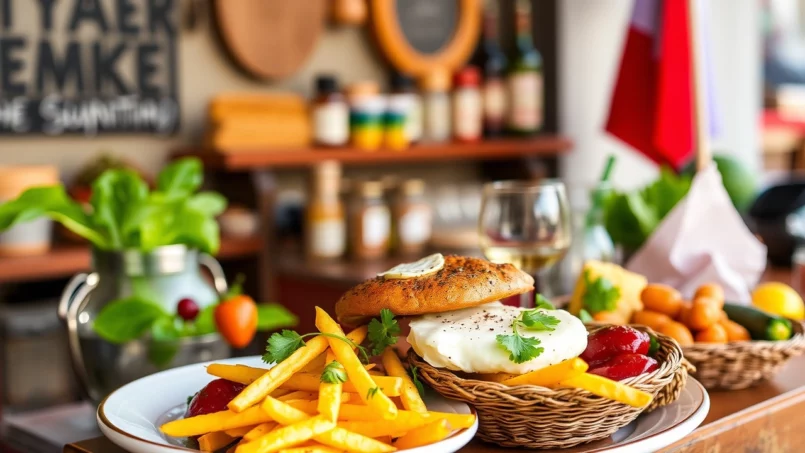
Moving to Belgium means quickly stumbling upon a clear fact: here, people take life seriously… in order to eat and drink. Between French, Flemish, and Walloon influences, characterful beers, and fries proudly claimed as “100% Belgian,” the local gastronomy is an ideal playground for a curious expat. But where to start when you first arrive? How do you move beyond the “waffles-chocolate-beer” cliché to a true understanding of the country’s cuisine?
This practical guide introduces you to the must-tries of the Belgian table, good addresses, markets, and local cultural codes for an authentic gourmet immersion.
Understanding the DNA of Belgian Cuisine
Belgian gastronomy is often described as French cuisine served in German-sized portions, with a very “comfort food” Flemish heart. Behind the saying, there are a few useful realities to know when you arrive.
The first is the weight of the regions. The country is fragmented politically… and culinarily. In the north, in Flanders, people willingly eat heartily, based on meat, potatoes, and vegetables, with beer as a full-fledged ingredient. In the south, in Wallonia, the French touch is more pronounced: elaborate sauces, stewed dishes, a strong link with pastry. Brussels, in the middle, mixes the two and adds a very visible international layer.
Belgian cuisine values seasonal produce and local specialties, creating a gastronomic diversity that Belgians are proud of. For instance, white asparagus is eaten in spring, game in autumn, and mussels for a good part of the year. Regional specialties include Liège syrup and Herve cheese in Wallonia, as well as North Sea gray shrimp in Flanders.
Finally, meals remain social occasions. Even if work rhythms have modernized habits, people still take real time for lunch, gather around a late dinner (often between 7 and 8 p.m.), and extend the weekend at the market or on a terrace. The cuisine is rich, often buttery, creamy, washed down with beer, but a lighter, more plant-based wave is also taking hold, especially in big cities.
What to know about daily meals
As an expat, you’ll quickly spot this daily structure:
The food day in Belgium follows a structured rhythm: it starts with a simple but important breakfast, often including bread, cheese, cold cuts, jam, and strong coffee. Lunch can be a serious meal at a restaurant or a simpler option like a sandwich or the daily special. The afternoon is often marked by a snack or sweet break, with a waffle, pastry, or chocolate. Finally, dinner is generally heartier and is the quintessential family or friendly moment.
Belgians love long tables, sauces, and stewed dishes. Fries (frites / frieten) are omnipresent, often prepared in animal fat in traditional fritkots. For vegetarian or vegan diets, this sometimes requires a bit of vigilance, even though options are expanding quickly in Brussels, Antwerp, or Ghent.
The Great Classics of the Belgian Table to Get Acquainted With
It’s hard to understand Belgium without going through a few iconic dishes. For a new arrival, they constitute an excellent “starter kit” to enter the local culinary culture.
Moules-frites, Carbonnade, Stoemp: The National Triad
Belgians willingly claim two “national” dishes: moules‑frites and Flemish carbonnade.
Moules‑frites is the most visible alliance between land and sea. Mussels, often farmed in the Netherlands but consumed massively in Belgium (we’re talking about tens of millions of tons per year), are cooked with onions and celery, sometimes in white wine (à la marinière), sometimes in beer or cream. They arrive at the table in their pot, accompanied by a large bowl of fries and generous mayonnaise. The season roughly extends from July to April for lovers of plump mussels.
Flemish carbonnade (or stoofvlees), on its own, sums up the country’s love for beer. It is a beef stew slowly simmered in a brown or amber beer, with onions, mustard-smeared bread, and a bouquet garni. Served with fries or bread and mustard, it’s the dish that warms up a humid winter and is found in many brasseries. In Brussels, addresses like Fin de Siècle or Café Novo serve very generous versions.
Stoemp is a mashed potato mixture blended with various vegetables (carrots, leeks, cabbage, Brussels sprouts…), traditionally served with a sausage, bacon, or an egg. An emblematic and family-friendly dish, it is very widespread, available both in restaurants and in the prepared food section of supermarkets.
Vol-au-vent, Waterzooi, Boulets: Regional Variations
Very quickly, you’ll encounter other classics, often attached to a city or a region.
The vol‑au‑vent is omnipresent on menus: a puff pastry shell filled with a creamy mixture of chicken, mushrooms, and small meatballs, served with fries or mash. It is a pillar of Brussels brasseries.
Waterzooi, originally from Ghent, is a hybrid between soup and stew, first conceived with fish, today often prepared with chicken. Potatoes, carrots, leeks, celery, cream, and egg yolks make up a smooth, very comforting sauce.
In Wallonia, boulets à la liégeoise are an institution: large meatballs covered in a sweet-and-sour brown sauce based on Liège syrup, grapes, onions, and sometimes prunes. Inevitably served with fries, they tell of the region’s attachment to its products (syrup, apples, pears).
Other dishes deserve to be on your radar early on:
– chicons au gratin (Belgian endives rolled in ham, gratinéed with béchamel and cheese);
– paling in ’t groen (eels in a green herb sauce, specialty of the Scheldt);
– konijn à la bière or lapin à la gueuze (rabbit stewed in beer, sometimes with prunes);
– tomate aux crevettes (hollowed-out tomato stuffed with gray shrimp and mayonnaise).
Street Food and Snacks: From the Fritkot to the Mitraillette
Belgium is also a paradise for street food – caloric but inexpensive.
The fritkot (or frituur in Flanders) is the basic landmark. It serves double or even triple-cooked fries, crispy on the outside, fluffy on the inside, in a paper cone. A small portion generally costs around €3, a large one €5. In Brussels, Fritland, near the Stock Exchange, or Frit Flagey, in Ixelles, are institutions. Sauces are a world of their own: mayonnaise, andalouse (mayo, tomato, bell pepper), samouraï (spicy), tartare, américaine, béarnaise, etc.
Among the most “Belgian” sandwiches, the mitraillette deserves a mention. It is a half-baguette filled with fried meat (burger, steak, meatball), fries, and sauce. It’s greasy, huge, cheap (around €4–5 at some stands), and typical of late nights, especially around train stations or student districts.
You’ll also find sausage‑onion baguettes, comparable to large hot dogs, often around €4.50, as well as a multitude of snacks inspired by elsewhere: Chinese-style noodles, kebabs, falafel, tacos, etc. Brussels, a very multicultural city, is full of affordable addresses of this type.
Sweet: Waffles, Chocolates, Cookies, Pastries
You’ll quickly get the impression of seeing waffles everywhere – and it’s not just an impression. There are two main families to know:
Discover the distinct characteristics of the two famous waffle specialties originating from Belgium.
Rectangular in shape, it is light and crispy. Its rather neutral batter is traditionally topped with powdered sugar, whipped cream, fruit, or chocolate.
Smaller and denser than its cousin, it is characterized by pearl sugar chunks that caramelize deliciously during cooking.
In tourist streets, prices vary enormously: some stands offer waffles for €1–2, others go up to €7–10 with toppings. In Bruges, for example, a stand like Oyya offers a waffle for around €4, Go‑Fre sells one for about €2.50 or takeaway boxes between €6 and €10. In Brussels, Maison Dandoy charges higher prices (around €7), but the quality follows.
On the chocolate side, Belgium is a major destination: over 320 shops spread across the country, more than 2,000 producers and chocolatiers, a history dating back to the 19th century and the invention of the praline in Brussels in the early 20th. Prices give benchmarks: for good quality chocolate, count around €45 per kilo, or €4 per 100g for decent pralines (the “gourmet” ranges go higher). In a shop like Café Tasse, a large bar runs about €4; in Bruges shops like The Chocolate Crown, an artisanal hot chocolate costs around €3.
Typical cookies include speculoos, spiced cookies (notably cinnamon), very present at breakfast or with coffee. At Christmas and for Saint Nicholas (December 6), they appear in figurine form. For desserts, you’ll also find rice tarts, croustillons (fried dough balls sold at fairs), sugar tarts, chocolate lava cakes, apple or cherry pies, or the dame blanche (vanilla ice cream, hot chocolate, whipped cream).
Brussels: Culinary Laboratory and Playground for Expats
Brussels is often the entry point for expats in Belgium. It is also the best observatory for the country’s culinary diversity: “grandmother’s” cooking, street food, bistronomy, starred restaurants, global flavors.
Brasseries, Bistros, and “Serious” Belgian Cuisine
To taste the great classics without falling into tourist traps, it’s better to get out of a few hyper-central streets (notably Rue des Bouchers) and aim for addresses tested by Brussels locals.
Among the safe bets:
– Fin de Siècle (Rue des Chartreux): friendly large dining room, chalkboard menu, generous portions of Flemish carbonnade, stoemp, rabbit in beer. No reservations, you must be willing to wait or share tables.
– Le Pré‑Salé (Rue de Flandre): former family butcher shop turned restaurant, renowned for its mussels and meat dishes; reservation advised.
– Café Novo (near the Grand‑Place): excellent address for a stoofvlees or other typical dishes, in a neighborhood bar setting.
This is the minimum price in euros for a Belgian main course in a sit-down restaurant around Brussels’ Grand-Place, serving as a benchmark to avoid tourist traps.
Street Food, Small Budgets, and World Cuisines
Brussels is also a city where you can eat very decently on a controlled budget, by playing on canteens, stands, and neighborhood eateries.
A few notable spots for a new arrival:
– Fritland (Rue Henri Maus): fry behemoth, right in the center, open for 30 years. A large cone of fries costs about €3.20, a mitraillette around €4.70.
– Noordzee / Mer du Nord (Place Sainte‑Catherine): standing fish bar, where you snack on shrimp croquettes, calamari, fish soup with a glass of white wine or beer. Count €15–20 for two small plates and a drink.
– Jour de Fête (Boulevard Anspach): canteen with changing daily specials, relaxed atmosphere, accessible prices.
– Yaki (Rue du Midi): Asian-inspired cafeteria popular with students, for cheap noodle bowls or woks.
– The Deli (Rue d’Arenberg): homemade burgers (around €7 to take away), very popular at lunch.
The city offers impressive culinary diversity, with specialized addresses for all tastes, from ramen to plant-based flavors and global street food.
Enjoy steaming bowls of ramen at Umamido or Samourai Japanese Ramen Bar, or opt for reasonably priced sushi at Makisu.
Savor the delights of Vietnam at renowned establishments like Hong Hoa or Pho Pho.
Discover Mediterranean‑Moroccan street food at Horia (vegetarian options) or 100% vegan fast food at The Judgy Vegan.
Taste fresh spring rolls (gluten-free/lactose-free choices) at Knees to Chin or the Mexican flavors of MexiGo.
Dive into Peruvian cuisine at the King Kong restaurant for an off-the-beaten-path taste experience.
The average budget per person, main course + drink, often revolves around €15–20, sometimes less in very simple canteens or markets.
Coffee, Crepes, Waffles, and Chocolate in Brussels
Expats sooner or later end up adopting a neighborhood café or a favorite sweet spot.
A few leads:
– Peck 47 (Rue du Marché aux Poulets): brunches, creative sandwiches, good coffees.
– La maison des Crêpes (Rue du Midi): family-run crêperie established for over a century, where a sweet crepe costs about €4 and a savory one around €9.
– Maison Dandoy (Rue Charles Buls): temple of waffles and cookies, sought-after but quality.
– Café Tasse (Rue du Marché aux Herbes): renowned chocolate shop known for slipping samples into your bags.
– Rose de Damas (Rue du Marché aux Herbes): family-run Middle Eastern pastries, where a box sells for around €5.
Brussels offers a complete experience for chocolate lovers, with historic houses (Neuhaus, Leonidas, Mary, Godiva), contemporary artisans (Pierre Marcolini, Laurent Gerbaud, Frédéric Blondeel, Benoit Nihant, Mike & Becky), museums (Choco‑Story, Brussels Chocolate Village), workshops, and guided tours in the Sablon district. Many shops offer tastings or sales by weight, allowing you to sample a variety of chocolates at a reasonable cost.
Brussels Markets: The Best Way to Eat Like a Local
Getting used to markets is undoubtedly one of the keys to anchoring yourself in daily Brussels life. You buy fruit and vegetables, cheeses, meats, but also ready-to-eat dishes, exotic specialties, flowers, and you have a drink with neighbors.
The following table gives an overview of a few useful markets to know:
| Market | Neighborhood / Address | Days & Indicative Hours | What to Find There Primarily |
|---|---|---|---|
| Marché du Midi | Brussels-South Station | Sunday morning | Large general market, world products, good prices |
| Marché des Abattoirs / Foodmet | Anderlecht, Rue Ropsy Chaudron | Friday–Sunday morning | Meats (40+ butchers), fruits, vegetables, street food |
| Marché Flagey | Place Eugène Flagey (Ixelles) | Weekend morning | Fresh produce, cheeses, street food stands |
| Parvis de Saint‑Gilles | Saint‑Gilles | Several days, morning + Thursday evening | Vegetables, cheeses, rotisserie chickens, food trucks |
| Marché du Châtelain | Place du Châtelain (Ixelles) | Wednesday afternoon & evening | Food trucks, wines, after-work atmosphere |
| Marché Bio des Tanneurs | Rue des Tanneurs (center) | Tuesday to Sunday | 100% organic products, prepared dishes, wines, beers |
| Marché de Place Jourdan | Etterbeek | Sunday morning | Fresh produce, cosmopolitan atmosphere, nearby friteries |
Practically, remember to: clarify your objective, choose the right tools, and plan your steps.
– come early for freshness, or just before closing for discounts;
– bring cash, as some stands don’t accept cards;
– let the vendors handle the fruits and vegetables themselves;
– bring a reusable bag.
As an expat, these markets are also excellent places to spot typical products (Herve, Liège syrup, Ardennes ham), chat with producers, and get familiar with the country’s languages (French, Dutch, but also Arabic, Turkish, etc. at the Marché du Midi for example).
Antwerp, Ghent, Bruges: Three Cities, Three Gourmet Vibes
Leaving Brussels allows you to understand just how much Belgian gastronomy varies from one city to another, even at a very short train distance.
Antwerp: Haute Cuisine, Chef’s Fries, and Natural Wines
Antwerp is often described as the most ambitious culinary scene in the country, between fine dining, bistronomy, specialty cafés, and contemporary concepts.
Among the houses that have put the city on the global gastronomic map:
– The Jane, set in a former chapel, led by chef Nick Bril, ranked among the world’s best restaurants – a haute couture experience, to be booked long in advance;
– Le Pristine, project of chef Sergio Herman, blending Italian inspiration, seafood, and a relaxed atmosphere, with a café part accessible all day;
– Veranda, experimental table helmed by chef Davy Schellemans, which focuses on multi-course menus and a sharp wine list.
Alongside these starred or quasi-starred addresses, the city hosts a whole galaxy of more casual spots:
A selection of unique places for varied culinary experiences, from exceptional fries to innovative desserts.
Triple-cooked fries accompanied by worked sauces like truffle or béarnaise, launched by Sergio Herman.
Late-night haunt for traditional fries ‘like before’, cash only.
Natural wine bar offering a small menu of drinking food to accompany glasses.
Bistro renowned for its sourdough bread and carefully crafted seasonal dishes.
Inventive Asian cuisine (dumplings, wagyu…) imagined by Mico Cheung, former pastry chef at Robuchon.
Ice creams with flavors inspired by the Middle East like tahini, rose & harissa or saffron.
It’s also a city of specialty coffee, with addresses like Black & Yellow Coffee Bar, which roasts or serves coffees from MOK (Brussels) and Dutch roasters.
Ghent: Natural Wines, Plant‑Based Cuisine, and Specialty Cafés
Ghent attracts many expats for its young vibe, cultural scene, and ecological sensitivity. Culinarily, this translates to:
Paris sees new culinary trends emerging, notably a marked interest in vegetarian and vegan cuisines. This evolution is accompanied by the rise of specialized places like the natural wine bar Alberte, which offers bottles paired with small seasonal dishes, and high-end coffee shops such as WAY Specialty Coffee Roasters, renowned for roasting coffees with very precise profiles, including fermentation methods like anaerobic natural fermentations.
Near the city, the restaurant Hof van Cleve, three Michelin stars, set in a farmhouse, regularly ranks among the world’s best establishments. It represents the pinnacle of modern Belgian cuisine, deeply rooted in terroir, crafted by chef Peter Goossens.
Bruges: Between Fry Museums, Hot Chocolate, and Trappist Beers
Bruges, with its canals, medieval houses, and countless chocolate shops, is a perfect day-trip discovery for those living in Brussels or Antwerp (the train takes about an hour from Brussels).
Gastronomically, the city offers several faces:
Bruges is a city where the art of living is savored. From exceptional chocolatiers to cozy cafés and legendary beer bars, here is a selection of must-visit addresses to explore the local gastronomy.
Rue Katelijnestraat and surroundings. Discover family houses like Dumon, the bold creations of The Chocolate Line, the classics of Pralinette, the many hot chocolate recipes of The Old Chocolate House, or the good value-for-money of Confiserie De Clerck.
For a gourmet break without breaking the bank: breakfast at Li O Lait, €5 pasta box at Bocca, dinner at Ganzespel, takeaway waffle at Oyya or box to take home at Go-Fre.
Immerse yourself in Belgian brewing culture. The bar Staminee De Garre, hidden in an alley, is famous for its menu of Trappist beers, served with a plate of cheese (around €5).
Two particular museums are worth a detour for a curious expat: the Frietmuseum, dedicated to the history of the fry (which firmly claims a Belgian origin), and Choco‑Story, the chocolate museum. A combined ticket for both costs around €10, and allows you to place these two national obsessions in a historical perspective.
Cheeses, Beers: Two Keys to Understanding Belgium from the Table
It’s almost impossible to immerse yourself in Belgian gastronomy without getting interested in local cheeses and beers, as these two universes permeate the cuisine and culture.
Belgian Cheeses: Much More Than Supermarket Gouda
Sandwiched between France and the Netherlands, Belgium doesn’t have the immediate reputation of a great cheese country. Yet, more than 300 varieties exist today, many of which find their origin in abbeys or in the “Pays de Herve,” in Wallonia.
Among the cheeses to discover as a priority:
Discover a selection of iconic Belgian cheeses, ranging from classics to regional specialties, each offering a unique taste experience.
AOP soft cheese with a washed rind, strong aroma but subtle, tangy flavor. Enjoyed with Liège syrup. Comes in mild, spicy versions or under the name Remoudou.
Fresh cheese from the Pays de Herve, consumed sweet or savory after a slow one-day maturation.
Like Chimay, Orval or Maredsous, often aged with beer from the same abbey. Chimay, washed in beer, offers malty and nutty notes.
Semi-soft cheese from West Flanders, domed shape, mild taste, developed in the early 20th century.
Trappist cheese produced for over two centuries at the abbey, available in 2, 6, or 12-month aging.
Limburger (strong odor), Brussels cheese (Ettekeis) from Herve, and Berloumi (Belgian alternative to halloumi, to grill or fry).
For an expat, the ideal is to compose a platter with three different profiles – for example a creamy Passendale, a well-aged Herve, and a Chimay – accompanied by brown bread, Liège syrup, and even a matching Trappist beer. Neighborhood cheese shops (fromageries/kaaswinkels) in Brussels, Bruges, Antwerp, or Ghent, as well as certain market stalls (Damme, for example, organizes a cheese market with tasting of a hundred varieties), are perfect places to get advice.
Belgian Beers: A Gastronomic Tool in Their Own Right
The Belgian beer culture is listed as intangible UNESCO heritage. The country produces more than 1,500 different beers, often in an artisanal way, with particular attention paid to yeasts, which give the brews very distinctive fruity, spicy, or “funky” aromas.
There are several major families of beers you will commonly encounter, such as lagers (pils, helles), ales (pale ale, IPA, stout), spontaneously fermented beers (lambic, gueuze) and wheat beers (weissbier). Each family is distinguished by its yeast type, fermentation method, ingredients, and aromatic profile.
– white beers (witbier) like Hoegaarden or Blanche de Namur, light (4.5–5.5%), refreshing, made from wheat, with citrus and coriander notes, ideal with fish, seafood, sushi, salads;
– blondes and strong blondes (Duvel, La Chouffe, Leffe Blonde), often between 6 and 7.5%, low bitterness, lively bubbles, which pair well with grilled chicken, finger food, lightly spiced dishes;
– abbey and Trappist beers (Chimay, Westmalle, Orval, Rochefort, Westvleteren, Achel), higher in alcohol, perfect with stews, roasted meats, strong cheeses;
– brown and dubbel beers, with notes of caramel, dried fruit, cocoa, which marry well with stewed dishes (carbonnade, rabbit in beer), meat pastas, chocolate desserts;
– saisons and farmhouse beers, dry and slightly rustic, often served with grilled meats, burrata, wood-fired cooking;
– sour beers like lambics, gueuzes, krieks, produced by spontaneous fermentation in the Brussels and Pajottenland region, which pair well with charcuterie, strong cheeses, fish, seafood, and fruity desserts.
Belgian beers are generally low in bitterness but very aromatic. To fully enjoy the tasting pleasure, it is essential to serve them at the right temperature (e.g., 4–6 °C for a white beer and 10–14 °C for a dark Trappist) and in an appropriate glass (tulip, chalice, or cylindrical glass for a gueuze).
For an expat, playing the game of beer-food pairings is an excellent way to:
– rediscover emblematic Belgian dishes (moules-frites with a white beer or pils, carbonnade with a brown beer, shrimp croquettes with a gueuze);
– use beer in cooking (stews, marinades, sauces) as Belgians have done for centuries.
In Brussels, the Delirium complex, with its thousands of beers listed, offers an impressive panorama. In Bruges, Brugse Zot is the local beer, and Trappist bars like Staminee De Garre allow you to get initiated to mythical names like Westvleteren or Rochefort.
Eating Well Daily: Cafés, Canteens, Deliveries, and Local Habits
Beyond the great addresses, expat life goes through more ordinary places: small neighborhood cafés, bars, lunch restaurants, home deliveries, Sunday breakfast.
Cafés, Bars, and “Daily Special”
The daily special or dagschotel formula is your best friend: many cafés and brasseries serve a hot dish of the day, sometimes with a drink, for around €12–15. This allows you to taste homemade preparations without breaking the bank, whether it’s a vol-au-vent, a waterzooi, or a simple pasta dish.
Café-bars often offer: hot and cold drinks, snacks, local entertainment, concerts, and cultural events.
– soups, croque‑monsieur, salads, small pastas for €10–12;
– more substantial dishes (steak‑frites, vol‑au‑vent, mussels) between €17 and €25.
The atmosphere is more relaxed than in classic restaurants. These places are conducive to work, reading, or long conversations. The coffee, usually of good quality, strong and aromatic, is often served with a small cookie, frequently a speculoos.
Delivery and Takeout
The major delivery platforms are well established, especially in Brussels, Antwerp, Ghent, Liège. Burgers (for example Rambo Burger in Brussels, known for its smash burgers and triple-cooked fries), pizzerias, neighborhood snack bars, friteries, restaurants specializing in fried chicken (like Belchicken), Indian, Turkish, Syrian cuisines, etc.: the offering is wide.
For an expat, food delivery is convenient, especially during the settling-in phase. However, it is by combining this service with physical explorations of neighborhoods (like visiting friteries, markets, or canteens) that you end up discovering the good discreet addresses frequented by local residents.
Breakfast, an Underestimated Moment
Even if Belgium’s reputation rests more on its lunch or dinner meals, breakfast has its importance. Belgians eat fresh bread (baguette, brown bread, multigrain, pistolets), local cheeses (Passendale, Herve, Limburger), cold cuts (ham, salami), butter, jam, honey, chocolate spreads (choco), yogurt, fruit.
In large cities, weekend brunches have become widespread: cafés and restaurants serve avocado toast, eggs Benedict, pancakes, granola, fresh juices. For an expat, it’s a good moment to meet other international residents and feel the neighborhood life.
Cultural Codes: How to Behave at the Table in Belgium
Eating locally isn’t just about ordering the right dishes. It’s also understanding a few implicit codes.
At the Table: Politeness and Pace
A few welcome benchmarks:
Punctuality is taken seriously: arriving too late to a private dinner is frowned upon. Before starting, people generally wish each other “bon appétit.” Cutlery is held “European style” (fork in the left hand, knife in the right) and hands remain visible on the table, without placing elbows on it. One waits for everyone to be served, or for the host’s signal, to begin. In a private setting, bringing a small gift (flowers, chocolates, a bottle) is appreciated. At a restaurant, service is usually included; leaving a tip (5–10% or rounding up to the nearest euro) is a appreciated gesture but not obligatory.
Belgium is multicultural, but certain things remain very poorly perceived: snapping fingers to call a server, chewing gum ostentatiously, talking loudly in a quiet restaurant, or criticizing the food loudly in front of the host.
Faux Pas and Small Signs to Know
In the realm of gestures:
– the “OK” sign made with thumb and index finger means more “zero” than “excellent”;
– pointing at someone with a finger is considered rude;
– giving chrysanthemums as a gift is not recommended: they are associated with cemeteries.
Regarding conversation, avoid spontaneously launching into heated debates on Belgian politics, the linguistic question, or tensions between Flanders and Wallonia during a first dinner. On the other hand, talking about food, beer, weather, or soccer remains a safe bet.
Practical Tips for an Expat in Search of Gastronomy
To finish, a few concrete leads so that culinary discovery truly becomes part of your integration in Belgium.
Building Your “Mental Map” of Specialties by Region
Belgium is easily traveled by train, and each city has its culinary emblems:
– Brussels: Brussels waffle, stoemp, moules-frites, mitraillette, gueuze and lambics, high-end chocolate;
– Liège: Liège waffle, boulets à la liégeoise, Liège syrup, Liège salad;
– Ghent: waterzooi, cuberdons (nose-shaped candies), inventive vegetarian cuisine;
– Bruges: local beers (Brugse Zot), chocolatiers, fry and chocolate museums;
– Ardennes: smoked ham, game, pâtés, terroir cheeses.
In a few weekends, it’s possible to build a solid gustatory culture of the country, simply by taking the train and aiming for a specific specialty or market.
Playing with the Seasons and Holidays
Adopting the local gustatory calendar also helps you feel “at home”:
– April–June: asparagus à la flamande (white asparagus, hard-boiled eggs, butter, parsley), highly anticipated;
– Summer: terraces, salads, shrimp croquettes, white beer, music festivals with ubiquitous fry stands;
– Autumn: game, stews, brown beers, more aged cheeses;
– Christmas period: winter markets, mulled wine, croustillons, cougnous, Yule logs, speculoos, chocolates;
– Saint Nicholas (early December): chocolate figurines, marzipan, speculoos for children (and adults).
The numerous festivals and cultural events almost always include a food component: Christmas markets (Brussels, Bruges, Liège, Antwerp), beer festivals, book and cheese markets, shrimp festivals on the coast, historical processions where you can taste local specialties.
Using Markets, Cheese Shops, and Breweries as “Language Classes”
For an expat learning French or Dutch, markets and food shops are ideal places to practice. Ordering slices of Passendale, asking the difference between a mild and a spicy Herve, asking for a beer suggestion to accompany a carbonnade, is immersing yourself in the culture in a very concrete way.
Servers love to tell the story of a gueuze, explain why a Westmalle is served in a particular chalice and at a certain temperature, or how to pair a kriek with a cherry dessert.
Servers at breweries and specialized bars
Keeping an Eye on Your Budget Without Sacrificing Quality
Belgium isn’t the cheapest country in Europe, but quality food remains accessible if you skillfully mix:
– daily specials from cafés and canteens;
– markets for raw products (vegetables, fruit, cheeses, cold cuts);
– cheap typical snacks (fries, waffles, croquettes, sandwiches);
– a few more expensive “splurge” experiences (dinner at a renowned brasserie, tasting chocolates from a great artisan, visiting a brewery or a starred restaurant).
The table below summarizes some price benchmarks mentioned above:
| Product / experience | Indicative price range |
|---|---|
| Portion of fries at a fritkot | Small €3 / large €5 approx. |
| Simple waffle (street stand) | €1–4 depending on location and topping |
| “Gourmet” waffle at a reputed house | €6–10 |
| Artisanal chocolate (pralines) | ~€45/kg, i.e., ~€4 per 100g |
| Daily special at a café / canteen | €12–15 |
| Main course at a classic restaurant | €20–27 |
| Street food meal (2 snacks + drink) | €15–20 |
| Glass of specialty beer at a bar | €3–5 |
| Combined Frietmuseum + Choco‑Story entry | ~€10 |
By combining these different options, it becomes possible to build a rich, varied culinary life that is financially sustainable in the long term.
—
Moving to Belgium involves discovering a rich and diverse gastronomic culture, where regional specialties (fries, beers, cheeses, cold cuts, waffles, chocolates) are taken very seriously. For an expat, it is advisable to proceed step by step: start with the great classics (moules-frites, carbonnade), explore local markets, note recommended good addresses, then extend your discoveries through culinary weekends in cities and regions like Antwerp, Ghent, Bruges, Liège, or the Ardennes.
Very quickly, you’ll catch yourself recommending, in turn, a cheese shop, a fritkot, or a brasserie to new arrivals. On that day, you’ll know that the local gastronomy is no longer foreign to you: it’s part of your daily life in Belgium.
Disclaimer: The information provided on this website is for informational purposes only and does not constitute financial, legal, or professional advice. We encourage you to consult qualified experts before making any investment, real estate, or expatriation decisions. Although we strive to maintain up-to-date and accurate information, we do not guarantee the completeness, accuracy, or timeliness of the proposed content. As investment and expatriation involve risks, we disclaim any liability for potential losses or damages arising from the use of this site. Your use of this site confirms your acceptance of these terms and your understanding of the associated risks.

Cyril Jarnias is an independent expert in international wealth management with over 20 years of experience. As an expatriate himself, he is dedicated to helping individuals and business leaders build, protect, and pass on their wealth with complete peace of mind.
On his website, cyriljarnias.com, he shares his expertise on international real estate, offshore company formation, and expatriation.
Thanks to his expertise, he offers sound advice to optimize his clients' wealth management. Cyril Jarnias is also recognized for his appearances in many prestigious media outlets such as BFM Business, les Français de l’étranger, Le Figaro, Les Echos, and Mieux vivre votre argent, where he shares his knowledge and know-how in wealth management.





