
 Published on and written by Cyril Jarnias
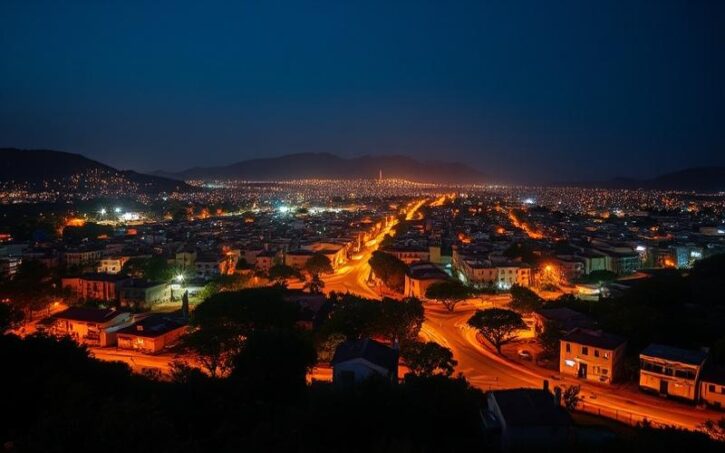
Long reduced to a few clichés – a “dry” country, without bars or nightclubs – nightlife in Kuwait is actually far richer and more nuanced than one might imagine. Once the sun sets over the gulf, the capital comes to life in a different way: waterfront terraces, rooftops with skyline views, packed shisha cafés, illuminated traditional markets, malls open late, concerts, and shows in ultra-modern venues.
Kuwaiti nights are vibrant but subject to strict rules: alcohol consumption and Western-style clubs are prohibited, with a conservative dress code and social customs to respect. It’s characterized by seaside strolls, long dinners, shisha sessions with friends, and cultural events, offering a different vibe from Dubai or Beirut.
Understanding Nightlife in Kuwait
The first thing to understand is that nightlife in Kuwait is not built around bars or discos. The sale, possession, and consumption of alcohol is completely prohibited by law. Establishments claiming to offer alcoholic beverages do so illegally, with serious risks for health (adulterated alcohol) and for your stay (fines, imprisonment, deportation).
Nonetheless, evenings are not dull. Kuwaitis go out a lot: restaurants, cafés, tea salons, shisha lounges, seaside strolls, bustling malls in the evening, illuminated urban parks, and cultural outings set the rhythm of the nights, especially between November and April, when temperatures finally become bearable.
Unlike the festive Western atmosphere, the nightlife described here is characterized by its convivial and family-friendly aspect. Typical activities include conversations, smoking shisha, enjoying mezze, listening to live music, or strolling along the Corniche in the cool evening air.
A Very Present Legal and Social Framework in the Evening
The night does not escape the arsenal of rules governing daily life in Kuwait. Some directly impact how one goes out:
In this context, alcohol consumption is totally prohibited, replaced by mocktails and juices. Public displays of affection are forbidden. Modest dress is required, and mixing of genders, especially in the evening, can be restricted, with some traditional spaces reserved for men.
Within this framework, nightlife is structured around a very clear triptych: eating, socializing, and strolling or attending a show. And this is where Kuwait reveals itself to be surprisingly diverse.
Dining in the Heights: The Rooftops of Kuwait City
Rooftops have become one of the symbols of modern nightlife in Kuwait. Alcohol-free, certainly, but with stunning views over the bay, designer décor, refined cuisine, and ambient music.
Grand Hotels, Temples of Elevated Evenings
Several five-star hotels have bet on spectacular terraces to attract the evening crowd.
At the Jumeirah Messilah Beach Hotel & Spa, the Sky Lounge offers a luxurious setting with open views of the Arabian Gulf. It’s one of the popular spots for a romantic date or a quiet evening with friends. The same complex houses Pepper Restaurant, a fine dining table focused on meats and seafood, with an international menu and a wine selection – catering to an international clientele in a very sophisticated setting.
The hotel concentrates several nightlife offerings: the Asian restaurant Sintoho with panoramic views, robata grill, teppanyaki, and DJ sets; the No.21 Cigar Lounge for cigars and mocktails with a terrace; air-conditioned poolside cabanas for private dinners; and culinary experiences signed by Chef Thierry Papillier. The vibe is club-like, focusing on service and gastronomy.
At the Radisson Blu, the Sky Lounge overlooks the sea with large sofas, huge picture windows, and a regular program of live music, especially jazz and acoustic. The venue is part of a strong tradition at the hotel, where from the terrace one can see the imposing dhow Al Hashemi II, a symbol of the country’s maritime past.
Other hotels play the gastronomic rooftop card: Terrace Grill at the JW Marriott for steak and seafood lovers, Le Tarbouche on the roof of the Sheraton for a high-end Lebanese immersion with traditional music (oud, tabla) and city views, or the Pool Bar at the Four Seasons and OXIO Pool and Lounge at the Waldorf Astoria for a more relaxed version – sandwiches, salads, ice cream – around the pool.
A structured overview of the main characteristics of this premium offering for a quick and clear understanding.
Presentation of key information in table format for intuitive and efficient consultation.
Highlighting the exclusive services and benefits of this premium range.
Structure designed to help you better navigate the numerous features.
| Venue | Location / Hotel | Type of Evening | Nighttime Features |
|---|---|---|---|
| Sky Lounge | Jumeirah Messilah Beach Hotel & Spa | Chic seaside lounge | Romantic ambiance, non-alcoholic cocktails |
| Sky Lounge | Radisson Blu Hotel | Rooftop lounge | Sea view, live music, view of Al Hashemi II |
| Sintoho | Four Seasons Kuwait – rooftop | Festive Asian | DJ, robata, bao, teppanyaki, panoramic view |
| Terrace Grill | JW Marriott | High-end steakhouse | City view, well-stocked wine cellar |
| Le Tarbouche | Sheraton Kuwait – rooftop | Elegant Lebanese | Live Arabic music, refined décor |
| Sky Lounge | The Grand Hotel | Urban rooftop | Cocktails, finger food, live music |
| LIVUP ROOFTOP | M Square, Mirqab | Trendy restaurant-café | Skyline view, moderate prices, social vibe |
Independent Rooftops: More Relaxed Vibe
Not all rooftops are nestled in palaces. The city also has more relaxed spots, often appreciated by youth and expatriates.
LIVUP ROOFTOP, in the heart of the Mirqab district, is both a restaurant, café, and social club, with a very eclectic menu (Mediterranean, Italian, American, vegan options) and prices significantly softer than in luxury hotels. People come to see and be seen, enjoy the skyline view, try creative mocktails, and chat until late. The peak hours on Friday evenings show how much this type of place has become the center of gravity for a new urban generation.
Another example: The Roof, on top of the Adams Hotel in Bnied Al-Gar, offers a direct view of the Kuwait Towers and the skyline, with a menu blending local and international cuisine. Again, no alcohol, but a real sense of décor and service, with opening hours designed for the evening.
Cafés, Shisha, and the “Hubble-Bubble” Culture
If one had to summarize nightlife in Kuwait in one image, it might be that of banks of scented smoke rising from dozens of shishas, against a backdrop of soccer matches and Arabic music. Smoking the hookah – shisha or “hubble-bubble” – is one of the central social practices of the country.
The Beating Heart of Evenings: Shisha Cafés
Shisha cafés range from ultra-trendy lounges to modest neighborhood spots. Tche Tche Café, for example, is a very widespread chain that offers a wide choice of flavored tobaccos, snacks, desserts, and drinks, in a modern and mixed-gender setting. At Marina Crescent, on the waterfront in Salmiya, the terraces fill up in the evening with groups of friends alternating puffs of shisha and animated discussions, facing the lights of the boats.
To broaden your customer base, offer shisha as a complement to a cultural and culinary experience, rather than as the main product. Take inspiration from brands like Café Bazza, which combines traditional Kuwaiti cuisine and heritage décor in a family-friendly and feminine ambiance, or Dar Hamad, which bets on period architecture and a terrace where shisha is a “plus” to the overall experience.
On the waterfront, some hotels or restaurants deploy vast terraces where you can enjoy a hookah while watching the reflections of the towers on the gulf. This is the case, for example, of Sultan Café at the Marina Hotel, which combines sea views, mezze, and hookah, or some outdoor spaces at the Mövenpick Al Bida’a, facing the private beach.
A Reigning Beverage: Mocktails and Fresh Juices
The absence of alcohol has given rise to a true culture of non-alcoholic beverages. Café and restaurant menus are full of fresh fruit cocktails, sophisticated blends, iced drinks, and creations based on ice and juice. People readily order a thick mango juice, a pomegranate mocktail, or a fresh-fruity mix accompanied by a scoop of ice cream, to compensate for the lingering heat.
Classic sodas coexist with regional brands like “Mecca Cola”. And in the most upscale establishments, the mocktail offering is as carefully curated as a cocktail menu in a European capital.
Observation on the beverage offering
Traditional Markets and Illuminated Souks
In Kuwait, markets play a key role in evening outings. They offer an animated backdrop, cultural immersion, and a space where you can stroll for a long time, snack, have a coffee or tea, and shop.
Souk Al-Mubarakiya: The Soul of Old Kuwait at Night
Souk Al-Mubarakiya, with its 200 years of history, is one of the most iconic places to explore after nightfall. The alleyways are adorned with strings of lights, the stalls overflow with spices, dates, perfumes, carpets, traditional clothing, and handicrafts. Here, haggling is not only accepted but expected.
The souk offers a complete gastronomic experience with traditional dishes like machboos and mezze, accompanied by cardamom-infused Arabic coffee. Cafeterias also serve tea, juice, and pastries. On some evenings, entertainment, mini-museums, or performances are organized there, creating an atmosphere of a “city within the city”.
Other Markets for Different Evenings
Other markets come to life in the evening, each with its character. The Friday Market, a huge flea market in Al-Rai open from Thursday to Saturday, becomes particularly lively in the late afternoon and evening, with its stalls selling furniture, clothes, vintage items, DIY supplies, car accessories, or antiques. It’s a plunge into a very popular Kuwait, far from the air-conditioned malls.
The traditional souks of Ras Al Khaimah, such as the old souk and specialized souks (Souk Al Watiya for gold and jewelry, Souk Al-Hareem for textiles and women’s clothing), remain open late into the evening. They are surrounded by cafés, restaurants, and hotels, making it easy to extend the evening in the vicinity.
To differentiate the ambiance of these places, one can compare their nighttime uses:
| Market / Souk | Type of Evening Ambiance | Main Nighttime Activities |
|---|---|---|
| Souk Al-Mubarakiya | Traditional, lively, family-friendly | Local dining, souvenir shopping, coffee, shisha |
| Friday Market (Al-Rai) | Popular, bustling | Bargain hunting, buying second-hand, people-watching |
| Souk Al Watiya | Specialized, calmer | Buying jewelry, strolling, nearby cafés |
| Old souk of Ras Al Khaimah | Historic, very local | Strolling, small purchases, experiencing a neighborhood vibe |
Seaside Strolls and Urban Parks
Another pillar of Kuwaiti nightlife: walking. When the heat subsides, families head outdoors, enjoying the landscaped promenades and parks.
The Corniche: The Grand Evening Stage
The Kuwait City Corniche stretches for over 10 km along the Arabian Gulf Road. In the evening, it’s a ribbon of light where joggers, cyclists, strolling families, children running from one playground to another, couples sitting on benches, groups playing soccer on the beach, rollerbladers, or scooter riders mingle.
Cafés and restaurants punctuate the walkway, offering the chance to stop for tea or dinner facing the sea. Sunsets here are particularly spectacular, with the silhouettes of modern towers standing out against the orange sky and, sometimes, the silhouette of a traditional dhow gliding offshore.
Sports enthusiasts enjoy the outdoor facilities – fitness equipment, bike lanes – while others simply sit under the palm trees with a cup of karak (spiced milk tea) in hand.
Illuminated Parks: Al Shaheed Park and Green Island
Beyond the waterfront, some parks become true nightlife destinations. Al Shaheed Park, the country’s largest urban park, is a model of the genre. Its tree-lined paths, ponds, museums (Habitat Museum, Memorial Museum), cafés, and restaurants make it a major meeting point for city dwellers. In the evening, lighting highlights the plantings, artwork, and fountains, creating an almost cinematic atmosphere. People come to run, walk, have coffee, or dine on a terrace.
Green Island is an artificial island connected to the coast, offering a peaceful and contemplative atmosphere. Its softly lit paths are ideal for family or couple strolls, with views of the skyline and the sea. You can picnic, sit by the water, enjoy a small theater, or simple cafés. Notable feature: it’s one of the few spots on the coastline where barbecues are officially allowed, making it a very popular destination in winter.
Shopping Malls: Nightlife Under Air Conditioning
In Kuwait, malls are much more than just shopping places. They concentrate a good part of the nightlife, especially in summer when it’s hard to stay outside for long.
The Avenues, Marina Mall, 360 Mall: The Evening Trilogy
The Avenues is the behemoth of the genre: the country’s largest shopping mall, it brings together over a thousand stores, dozens of restaurants, cinemas, an indoor amusement park, and themed areas that sometimes give the illusion of strolling down an open-air street… but air-conditioned. In the evening, especially on weekends, the aisles are packed: families dining, young people strolling, groups of friends leaving the movies or settling into a café.
Marina World, located on the waterfront in Salmiya, Kuwait, is a complex combining a shopping mall (Marina Mall) and a promenade area (Marina Crescent). It offers stores, restaurants, and cafés with views of the marina, as well as direct access to the seaside walkway. The place is particularly lively in the evening, with packed terraces, children playing near the water, and couples strolling along the marina.
360 Mall, for its part, stands out with its Sky Garden – an aerial garden offering views of the city lights – and its proximity to The Arena Kuwait, a major concert hall. You can link dinner, a show, and a walk in the suspended garden without almost leaving the complex.
The nighttime role of these large malls can be summarized as follows:
| Mall | Main Nighttime Asset | Typical Evening Activities |
|---|---|---|
| The Avenues | Immense, almost a covered city | Shopping, movies, restaurants, KidZania for kids |
| Marina World | Direct link to the sea (Marina Crescent) | Dining on terraces, strolling, shisha, boutiques |
| 360 Mall | Sky Garden + The Arena Kuwait | Concerts, restaurants, walk in the suspended garden |
Culture, Concerts, and Shows: Another Face of the Night
Far from clichés, Kuwait has developed a dense nighttime cultural scene, driven by modern facilities and an ancient artistic tradition.
Opera, Music, and Theater: Nighttime Sophistication
The Sheikh Jaber Al-Ahmad Cultural Centre, often called the “Kuwait Opera House“, embodies this ambition. In the evening, its futuristic buildings light up and serve as a setting for operas, classical concerts, Arabic orchestras, ballets, theater plays, or jazz. Around it, musical fountains and illuminated walkways invite you to extend the evening with a stroll.
Kuwait has the oldest theatrical tradition in the Arabian Peninsula, supported by institutions like the Higher Institute of Theatrical Arts. The offerings are diverse: public theaters stage plays in Arabic, folklore shows, and modern productions. Venues like the Kuwait Little Theatre dedicate themselves to plays in English, attracting mainly the expatriate community.
Live music also finds its place in more informal venues: Hard Rock Café Kuwait programs local rock, blues, or acoustic bands late into the night, organizes karaoke and jam sessions. Restaurants like Duo, Riccardo, or B+F Open Flame Kitchen regularly offer piano, jazz, or live music evenings during dinner.
The Arena Kuwait, located at 360 Mall, is a major concert hall that features Kuwaiti, Arab, and international artists, especially during the Hala February festival. On show nights, the atmosphere of the area changes radically: it becomes a very lively nighttime hub, with hurried fans at the entrance, packed restaurants, and heavy traffic.
Festivals and Cultural Seasons
The cultural nightlife is punctuated by major events. The Hala February festival, in the heart of winter, offers a month of concerts, fireworks, street entertainment, and events in malls. Other festivals, like the Kuwait Summer Festival or concert series within the JACC, contribute to animating the evenings.
During Ramadan, the nights take on a special flavor. After breaking the fast, families gather to watch local TV series – Kuwaiti soap operas are among the most watched in the Gulf – or go out for cafés, souk visits, and distributing sweets to children during the Al-Garqiaan celebration.
Fine Dining and Iconic Tables
For many Kuwaitis, going out in the evening is above all about treating yourself to a good meal. The city is full of restaurants, from the very traditional to the most cosmopolitan.
Lebanese, Kuwaiti, Italian Cuisine: A World Tour at the Table
Among the evening classics, Mais Alghanim is an institution: a large Lebanese brasserie with views of Gulf Road, bustling with families and groups of friends sharing grills, mezze, hummus, and fish dishes. The atmosphere is warm, noisy, typical of large Levantine tables.
To discover local gastronomy, Dar Hamad offers a reinterpretation of traditional dishes in a décor inspired by old houses. Café Bazza serves, for its part, simple and authentic cuisine in a modern setting evoking national heritage. Finally, in souks like Al-Mubarakiya, the establishment Frij Soueileh is renowned for its machboos, a very popular spiced rice dish.
Italian food lovers will find their happiness in addresses like Bice Ristorante in Al Hamra Tower or Vigonovo Restaurant, known for its Venetian specialties and warm atmosphere. High-end steaks and seafood are found at Terrace Grill or Pepper Restaurant.
Indeed, some of these establishments have an almost “lounge” atmosphere, with live music, subdued lighting, and attentive service, which partly replaces the non-existent club offerings.
Sweets, Chocolate, and Evening Desserts
Kuwaiti nights also have a sweet tooth. The Chocolate Bar, with its multiple locations, attracts those who want to end the day with a thick hot chocolate, a fondant, or a creative dessert. Cocoa Room, a café-restaurant with an inventive menu, plays on the boundaries between late brunch, gourmet dinner, and evening dessert.
In Kuwait’s luxury hotels, Al Soor (La Chocolaterie de Kuwait) offers pastries, fine chocolates, mocktails, and an afternoon tea that can last into the early evening. The English Tea Lounge at the Sheraton, with its refined ambiance (chandeliers, Persian carpets, harpist), serves scones, chocolate fondues, and pastries until midnight.
A Night Without Clubs, But Not Without Parties
Even though there are no clubs in the Western sense, that doesn’t mean people never dance in Kuwait. Simply, the parties move elsewhere.
Private Parties and Themed Events
The liveliest parties often take place behind closed doors: large villas, apartments, or privatized lounges. The law does not prohibit music or dancing in private, and many young Kuwaitis and expatriates organize their own parties, often away from prying eyes. It’s rare to be invited as a simple tourist, but expatriate communities can sometimes open these doors.
Some high-end establishments, like The VIP Club, organize private parties with DJs, international artists, and live performances for a select clientele. Although no alcohol is officially served, the ambiance is comparable to the most exclusive international lounges.
One-off events – product launches, themed evenings, dinner dances – are also organized by restaurants or hotels, often announced on social media or local event platforms like ListKuwait.
Diwaniya: The Most Typically Kuwaiti Nightlife
Alongside these imported codes, there is a form of “going out” deeply rooted in local culture: the diwaniya. It is a salon, often adjoining the house, where men gather in the evening to discuss politics, business, sports, exchange news, play cards, watch matches, all over Arabic coffee, tea, and sometimes shisha.
Some diwaniyas are modest spaces, while others resemble luxurious private clubs, equipped with large-screen TVs, libraries, comfortable armchairs, and even multimedia equipment. There are also specialized diwaniyas focused on specific themes like sports, economics, or culture. Although less common, some are open to women or are mixed-gender, illustrating the evolution of this Kuwaiti social tradition.
For a foreigner, being invited to a diwaniya is a privilege that provides access to an intimate part of Kuwaiti society, very different from the smooth décor of malls and hotels.
Practical Tips for Enjoying Kuwaiti Nights
Going out at night in Kuwait requires keeping a few rules and reflexes in mind, both for safety and to respect customs.
Basic caution is still advisable in less affluent areas like Jleeb Al-Shuyoukh or some parts of Jahra, where incidents of petty crime are reported. It’s recommended to avoid walking alone late in these areas, not to display valuables, and to keep an eye on personal belongings in very crowded places like large malls or tourist zones.
Prefer official taxis or ride-hailing services (Uber/Careem), especially at night. Buses are not very practical in the evening. Local driving can be hazardous (risky overtaking, speed, phone use, sometimes headlights off). If you drive, be extremely vigilant.
Regarding attire, it’s better to adopt a sober style: shoulders and knees covered for women, long pants or bermudas for men in more traditional areas, and avoid very tight or see-through clothing. In grand hotels or chic restaurants, “smart casual” attire is appreciated.
Finally, one must never forget that anything related to alcohol and drugs is not only illegal but heavily penalized. Kuwaiti nightlife is therefore lived differently: in the light of the towers, over a hot tea, a platter of mezze, a scented hookah, a stroll on the Corniche, or a concert at the opera.
A Different Night, But a Full One
Nightlife in Kuwait does not seek to imitate that of neighboring capitals. It builds on its strengths: the café and shisha culture, the conviviality of shared meals, traditional markets, a very lively waterfront, a solid cultural scene, and an impressive network of restaurants and lounges.
Despite a stern reputation, Kuwaiti evenings offer varied and warm activities for those who avoid alcohol and clubs. Options include dining on a rooftop overlooking the gulf, having mint tea on the Corniche, attending a concert in an ultra-modern hall, strolling in Al Shaheed Park, or exploring Souk Al-Mubarakiya at night.
The key, ultimately, is to understand that “going out at night” in Kuwait does not mean bar-hopping, but choosing a setting – the sea, a park, a souk, a rooftop, a shisha café, a theater – and lingering there at length, in that slowness characteristic of Gulf cities, where real life begins when the heat subsides.
Disclaimer: The information provided on this website is for informational purposes only and does not constitute financial, legal, or professional advice. We encourage you to consult qualified experts before making any investment, real estate, or expatriation decisions. Although we strive to maintain up-to-date and accurate information, we do not guarantee the completeness, accuracy, or timeliness of the proposed content. As investment and expatriation involve risks, we disclaim any liability for potential losses or damages arising from the use of this site. Your use of this site confirms your acceptance of these terms and your understanding of the associated risks.

Cyril Jarnias is an independent expert in international wealth management with over 20 years of experience. As an expatriate himself, he is dedicated to helping individuals and business leaders build, protect, and pass on their wealth with complete peace of mind.
On his website, cyriljarnias.com, he shares his expertise on international real estate, offshore company formation, and expatriation.
Thanks to his expertise, he offers sound advice to optimize his clients' wealth management. Cyril Jarnias is also recognized for his appearances in many prestigious media outlets such as BFM Business, les Français de l’étranger, Le Figaro, Les Echos, and Mieux vivre votre argent, where he shares his knowledge and know-how in wealth management.





