
 Published on and written by Cyril Jarnias
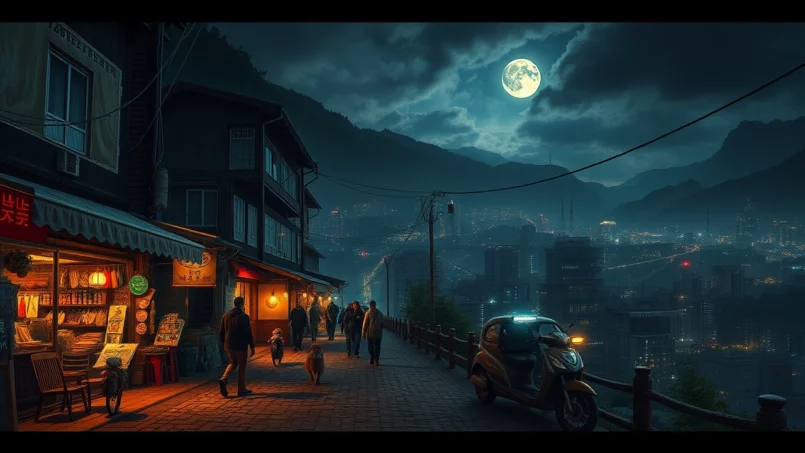
In Peru, nights are not for sleeping but for dancing, toasting with pisco, listening to Andean guitars, or letting yourself be mesmerized by the lights of the fountains. From Lima to Cusco, through Arequipa or the coastal towns, nightlife is multifaceted: trendy bars, traditional peñas, electro clubs, Irish pubs, casinos, backpacker parties, or folkloric dinner shows. The country offers a very particular blend of urban modernity, Andean culture, and Latin conviviality.
The article presents the country’s main nightlife districts, explains how Peruvian nights work, and recommends places based on your mood. It also provides tips for safely enjoying the nighttime buzz, with pisco, the national drink, as a central element of the festive culture.
Understanding the Peruvian Night
The first thing to know is that the night starts late. In Peru, people don’t really go out before 10–11 p.m., bars fill up around midnight, and clubs stay open until 4 a.m., 5 a.m., sometimes 6 a.m. Parties usually peak between 2 a.m. and 3 a.m. The big nights are Thursday (in big cities), Friday, and especially Saturday.
The Peruvian music scene is extremely varied, ranging from reggaeton, salsa, bachata, and cumbia to electro, techno, pop, rock, and hip-hop, not to mention traditional Andean and criolla music. Despite this diversity, one unifying element remains: Peruvians love to dance. Visitors often find themselves swept up in this energy, whether in a trendy club in Lima’s Miraflores or a small local peña, which has the atmosphere of a village party.
Budget-wise, a night out costs significantly less than in most Western capitals: beer between $1 and $8 USD, classic cocktails around $2–10 USD, club cover charges often free or limited to $10–15 USD, or even 10–20 soles (approx. $3–5 USD) for big parties in Cusco. A full night out can cost less than $50 USD, and sometimes much less if you prioritize happy hours and simple bars.
To get your bearings, here’s an overview of the major party zones in Peru.
| City / Region | Main Nightlife Profile | Dominant Vibe | Main Clientele |
|---|---|---|---|
| Lima | Country’s biggest scene | Urban, varied, trendy | Locals, expats, tourists |
| Cusco | Backpacker capital | Partying, international, Andean | Backpackers, travelers, locals |
| Arequipa | “White City” | Rooftops, pubs, live music | Travelers, young professionals |
| North & South Coast (Máncora, Paracas, etc.) | Beach resorts | Beach parties, lively hostels | Travelers, surfers |
| Other Andean cities (Huaraz, Cajamarca…) | More local | Simple bars, karaoke, salsa clubs | Local population, some tourists |
Lima: Gastronomic Capital and Queen of Nights
Lima concentrates the heart of Peruvian nightlife. A city of nearly 9 to 10 million inhabitants, it boasts cocktail bars ranked among the world’s best, electro clubs, folkloric peñas, late-opening casinos, and an increasingly visible LGBTQ+ scene. Nights start late, and so do the lines outside nightclubs.
The Main Districts for Going Out in Lima
The Lima nightlife map revolves around a few key districts.
Miraflores: Trendy and Secure Heart
Miraflores is the most popular district for travelers to stay and go out. Along the Malecón, the promenade atop the cliffs, you’ll find bars with views of the Pacific, while the bustle concentrates around Kennedy Park and the Larcomar shopping mall, built into the cliffside.
In this area, offerings range from backpacker bars to ultra-exclusive clubs: pubs, craft beer bars, rooftops, and clubs with strict dress codes coexist. Kennedy Park serves as a natural starting point: you’ll find street vendors, artisan stalls, and adjacent streets filled with bars, notably the famous “Pizza Street.”
Larcomar, on the other hand, houses several nightclubs and lounges including highly-rated clubs with sea views, amidst restaurants, cinemas, and shops.
Barranco: Bohemian and Artistic Soul
Barranco is Lima’s bohemian and artistic district, with its colonial houses, murals, galleries, and its iconic bridge, the Bridge of Sighs. At night, it transforms into a big festive village where students, artists, tourists, and live music lovers mingle.
Old mansions are often converted into bars, peñas, or clubs, combining patios, inner courtyards, and lounges with retro decor. The atmosphere is more relaxed than in Miraflores, but just as lively, especially on weekends.
San Isidro, Lince, Historic Center, and Coast
San Isidro is more upscale and corporate: sophisticated cocktail bars, lounges set in high-end hotels, a clientele of business people. Lince concentrates several very popular clubs, often with a distinct dress code.
Lima’s historic center, a UNESCO World Heritage site, offers another facet of the night: old bars, centuries-old taverns, rooftops overlooking illuminated plazas, and a few peñas set in beautiful old buildings. Further south, the Punta Hermosa coast attracts party-goers to the beach in the summer (December–March), with open-air clubs facing the waves.
A table to summarize Lima’s main nightlife districts:
| District | Nightlife Style | Main Highlights |
|---|---|---|
| Miraflores | Trendy, touristy, varied | Bars, clubs, Larcomar, safety |
| Barranco | Bohemian, artistic, musical | Peñas, live music, street art |
| San Isidro | Chic and business | Elegant cocktail bars, rooftops |
| Lince | Very popular clubs, local and trendy vibe | Discotheques, strict dress code |
| Historic Center | Historic bars, peñas, plaza views | Taverns, “mythical” pisco sours |
| Punta Hermosa | Seasonal beach nightlife | Summer seaside clubs |
Bars, Pubs, and Rooftops in Lima
Lima has developed one of South America’s most creative cocktail bar scenes, driven by pisco but also by local ingredients (passion fruit, lucuma, Andean herbs, Amazonian fruits).
This is the maximum price in USD for a cocktail at a Peruvian bar ranked among the world’s best.
On the roofs of hotels or buildings in San Isidro and Miraflores, several rooftops like Celeste Solar Bar or RoofTop Club Social offer views over Lima and the Pacific, with live music or DJ sets on weekends. Expect around $10–17 USD for a cocktail, $9–14 USD for tapas.
In Barranco, some venues occupy 19th-century mansions remodeled into restobars: patios, wooden balconies, high-ceilinged lounges, subdued lighting, and lounge or Latin music. Here you can enjoy pisco sours, chilcanos (pisco – ginger ale – lime) or passion fruit variations, often for around $8–12 USD.
More “in their element,” bars like Irish pubs or Miraflores dive bars (Houlihan’s Irish Bar, The Old Pub, Tequila Rock Bar, Help! Retro Bar) play up rock, sports on TV, extended happy hours, pool tables, and an international crowd.
For craft beer enthusiasts, the craft scene is growing: specialized bars like BarBarian in Miraflores and Barranco showcase local IPAs, stouts, and lagers, sometimes flavored with Peruvian ingredients. Pints run around $5–10 USD.
Clubs, Discotheques, and LGBT+ Parties in Lima
Lima’s clubs follow the late Latin rhythm: opening around 10 p.m., building momentum after midnight, closing in the early morning. Many alternate reggaeton, house, techno nights, themed parties, or guest DJs from major electronic scenes (Berlin, London, New York).
In Miraflores, Larcomar concentrates very selective establishments like renowned clubs known for their sea views, electro/house line-ups, and a guest list system. Entry is often reserved for those on a list or arriving early with a group, with a strict dress code (no flip-flops, t-shirts, closed shoes, smart attire).
In the Lince district, establishments like Noise or Qiu target a very stylish crowd, with bottle service and a musical program ranging from deep house to reggaeton, all in a setting with sophisticated lighting. The minimum entry age is usually set between 23 and 25.
Barranco, on the other hand, has clubs with a more nostalgic vibe (80s–90s parties, rock, pop) or a Latin focus. Discotheques like Dizco focus on retro hits, while others alternate live concerts and DJ sets.
Lima is also asserting itself as an increasingly gay-friendly city. The large discotheque ValeTodo DownTown is considered one of the region’s major drag and LGBT+ scenes, with large dance floors, drag shows, international DJs, and a very mixed crowd. Other collectives organize itinerant queer parties in various venues.
In this landscape, attire matters: smart-casual at a minimum in upscale places. It’s common for men in shorts, sporty t-shirts, or worn sneakers to be denied entry. Better to check the club’s dress code on social media before going.
Peñas, Dinner Shows, and Creole Culture
Alongside electro clubs, Lima has a more traditional side: that of the peñas, venues where criolla music (waltz, marinera, Afro-Peruvian festejo) and the country’s folkloric dances are played live. People come to dine, have a few drinks, listen to singers, and watch couples dance highly codified choreographies.
Some peñas have become true institutions, with structured shows, sometimes geared towards tourists, including a full meal and a performance of dances from different regions of the country (coast, Andes, Amazon). Others, more intimate, maintain an almost family-like operation, with musicians and regulars putting on the show without much staging.
In the same spirit, cultural dinner shows are developing, mainly aimed at visitors, with tasting menus and dance performances. In Lima, experiences of this type might blend, for example, a multi-course meal with a panorama of regional dances, from the Afro-Peruvian coast to the Andes.
Night Tours, Pisco, and Magical Fountains
For those who prefer to explore Lima at night in a guided way, several tours combine city discovery, pisco tasting, and street food.
Some night circuits thus offer:
Enjoy a full evening in Lima by visiting the illuminated historic center (Plaza Mayor, Plaza San Martín, colonial facades), then stopping at the Park of the Reserve to attend the show at the Magic Water Circuit, a set of thirteen musical light fountains recognized by Guinness World Records. The evening continues with a culinary immersion, tasting several pisco-based cocktails in traditional bars, as well as local street food like ceviche, anticuchos (beef heart skewers), and typical desserts. To perfect the experience, learn to prepare a pisco sour or a chilcano with a bartender.
One advertised circuit thus cumulates visits to historic plazas, the fountain show (first show around 7:15 p.m.), three pisco drink tastings, stops at several bars, and a final drink to close the evening. Other more specialized tours focus solely on pisco tasting, with visits to three bars (including one considered a “pisco cultural house”) where you make your own cocktail or sample craft beers.
These activities, in addition to securing nighttime travel, allow for a better understanding of pisco’s importance in Peruvian culture.
Pisco, the Liquid Star of the Peruvian Night
Impossible to talk about nightlife in Peru without dwelling on pisco. This grape brandy, produced according to strict rules since the 16th century, is usually between 38% and 48% alcohol by volume. It is not aged in casks, to preserve the grape’s aromatics, and comes in several categories: pisco puro (single grape variety), aromático (fragrant grapes like moscatel), or acholado (blend of several varieties).
The pisco sour, a mix of pisco, lime juice, simple syrup, egg white, and bitters, is the country’s iconic cocktail. It’s sipped in almost every bar, from historic taverns in Lima’s center to San Isidro’s rooftops. Other cocktails like the chilcano (pisco, ginger ale, lime) or fruity variations (passion fruit sour, granadilla spritz) also hold a prime place on menus.
Beyond the capital, several regions produce and celebrate pisco: Ica, Moquegua, Arequipa, Tacna, and also some terroirs of Lima. The “Pisco Route” links historic bodegas like La Caravedo (nearly 350 years old), Tacama, Bodega Biondi, or Taberna Queirolo. Some of these houses have won international medals and open their doors for daytime tastings, allowing you to extend the nighttime experience with a deeper discovery of the product.
Cusco: Andean Nights and Backpacker Fever
Ancient capital of the Inca empire, perched at over 3,000 m altitude, Cusco combines world heritage, an influx of travelers en route to Machu Picchu, and surprisingly dense nightlife. Around the Plaza de Armas and up to the bohemian San Blas neighborhood, the cobblestone streets transform into a veritable circuit of bars, pubs, restobars, and clubs bustling with locals, backpackers, and expats.
Rhythm and Vibe in Cusco at Night
The timing logic is similar to Lima, with a nuance: many bars open from late afternoon (4–6 p.m.), close around 1–2 a.m., while discotheques continue until 5–6 a.m. Parties often peak between 2 a.m. and 3 a.m. On weekends, the crowds are considerable, mixing residents from the surroundings, international tourists, volunteers, and students.
The particularity of Cusco is the central role of party hostels. Establishments like Wild Rover, Loki, or Viajero (formerly Kokopelli) organize their own parties, quizzes, karaoke, beer pong, with aggressive happy hours, before “emptying” their clients to partner clubs where they get free entry or complimentary drinks.
Drinks remain affordable: in many bars, a beer or cocktail can cost 10 soles or less, even if the most prominent spots have prices closer to Lima’s (30–40 soles for a signature cocktail in some design bars).
Above 3,000 meters, the effects of alcohol are faster and hangovers are tougher. It’s advised to acclimatize for several days before considering all-nighters.
Bars with Views, Pubs, and Live Music in Cusco
Above the city, San Blas offers some spectacular terraces. Bar-restaurants like Limbus Restobar overlook the rooftops, with a panoramic view of Cusco and crafted cocktails. People come as much for the sunset as to extend the evening.
Around the Plaza de Armas, you’ll find an impressive concentration of bars on several floors: Irish pubs like Paddy’s Irish Pub (claiming to be the highest Irish pub in the world), American-style bars like Norton Rat’s Tavern with balconies and pool tables, or microbreweries like Cervecería del Valle Sagrado, serving IPAs, lagers, or beers with Andean notes, often accompanied by live concerts.
Some places stand out for a more intimate or musical vibe: Casa Palacio hosts jazz tinged with Andean melodies, while Ukuku’s Music Club alternates rock, Andean fusion, cumbia, and themed nights, in psychedelic decor. In the streets leading up to San Blas, small bars like KM0, Muse, or 7 Angelitos focus on live music almost every night, with a crowd mixing expats, long-term travelers, and local musicians.
A must-visit spot for enthusiasts of the famous Peruvian grape brandy, combining discovery, tasting, and atmosphere.
Offers a wide range of pisco brands to explore the full diversity of this spirit.
Experience blind tastings to sharpen your senses and discover your preferences.
Discover a menu of innovative and creative cocktails showcasing pisco.
Sometimes enjoy the experience with live music accompaniment.
Clubs, Dancefloors, and Party Hostels
On the discotheque front, Cusco has no shortage of options. On and around the Plaza de Armas, iconic clubs like Mama Africa, Chango, Mythology, or Inka Team are among the best-known addresses on the backpacker circuit. They all share a few common traits: entry often free or very cheap, highly eclectic music (mix of reggaeton, pop, EDM, international hits), packed dancefloors, closing in the early morning.
Mama Africa, perched on the upper floor of a historic building, is known for its multiple rooms and programming where Latin rhythms and Western hits alternate. Chango is known for its high-energy vibe and always-full dancefloor. Mythology plays a slightly more “elegant” card, with views of the Plaza de Armas and more sophisticated decor.
A bit further out, places like Caos, on Avenida del Sol, attract more of a local crowd, with a strong salsa and reggaeton focus. Casa Tisoc, a colonial hotel housing an electro club, attracts more techno and underground sound enthusiasts.
In Cusco, hostels like Wild Rover, with its bar open to all, its activities, happy hours, and closure around 2 a.m., or Viajero and The Point, serve as a structured starting point for the evening before clients head to the clubs.
Drinking Traditions and Andean Music
Beyond the backpacker party, Cusco remains deeply rooted in Andean culture. Cusqueña beer flows freely, but you’ll also find chicha de jora and frutillada in some traditional chicherías, especially in San Blas. These establishments, often signaled by a small red flag above the door, offer this fermented corn drink, sometimes flavored with strawberry, in a very local atmosphere.
Evenings can also take a more cultural turn with Andean music and dance dinner shows. Some Cusco restaurants serve typical menus while troupes in costume perform huaynos, carnivales, or tinku, accompanied by traditional instruments (zampoñas, quena, charango, bombo). The link with Inca rituals and agricultural festivals is still very present in these performances, even when aimed at visitors.
Stays around Cusco can also include original evening experiences: yoga and “sound therapy” using Andean instruments, twilight walks with traditional music, or train journeys to Machu Picchu where shows of Andean music and dance are offered on board (notably on some panoramic trains).
Arequipa, Iquitos, Máncora, and Beyond: Other Nights in the Country
If Lima and Cusco largely dominate the nightlife scene, other Peruvian cities offer more regional vibes, often less shaped by international tourism.
Arequipa: Pubs, Rooftops, and Pisco at the Foot of Misti
Arequipa, the “White City” with its sillar stone buildings, has a small but solid bar scene. Around the historic center, especially near the Santa Catalina Monastery, several taverns and pubs serve Peruvian and international beers, sometimes from rooftops with views of the Misti volcano.
In Arequipa, some establishments like the Museo del Pisco combine a bar and a museum dedicated to the national spirit, offering tastings, cocktails, and tapas. Other bars offer live rock or reggae concerts in a relaxed atmosphere, perfect for unwinding after a day of cultural visits.
Pacific Coast: Máncora, Paracas, and Beach Parties
On the coast, some small tourist towns live almost solely by day… and night. Máncora, in the north, is famous for its party hostels (for example, establishments like Loki Hostels), its beach bars and parties that last until the early hours just meters from the waves. The formula remains close to Cusco’s: pre-party at the hostel, happy hours, then clubs or dancing bars until late.
Further south, Huacachina – an oasis surrounded by dunes – is also known for its post-sandboarding parties, often animated by hostels and bars lined around the lagoon. Paracas, on the other hand, attracts a more laid-back crowd but has a few beach bars to end a day of excursions to the Ballestas Islands.
Iquitos, Trujillo, Huaraz, Cajamarca…
In the heart of the Amazon, Iquitos, accessible only by plane or boat, develops surprising nightlife for such an isolated city: bars overlooking the Amazon, local clubs some of which are very large, like Noa Iquitos, which bills itself as the city’s biggest club.
Trujillo, another large coastal city, offers a dynamic scene centered on its colonial center, with clubs, bars, and peñas frequented by a mostly local clientele. Huaraz, gateway to the mountains of the Cordillera Blanca, mixes sociable hostels, karaoke bars, and a few clubs frequented by resting hikers. In Cajamarca, nightlife remains modest but authentic, more geared towards residents than tourists.
Pisco, Gastronomy, and Night: An Inseparable Trio
In the city as in the provinces, cuisine and drinks hold a central place in Peruvian evenings. Lima, proclaimed the gastronomic capital of South America, boasts several world-renowned restaurants that, even without an official dress code, attract a well-dressed clientele and often extend dinner with a drink at a nearby bar.
Beyond pisco and beer, many bars in Peru are developing “signature” cocktail menus that highlight local ingredients like tropical fruits, Andean herbs, Amazonian products, or infusions based on coca or medicinal plants. Meanwhile, some themed bars, like tiki bars focused on rum, explore exotic universes while integrating references to Peruvian terroir.
Nighttime dining isn’t limited to restaurants: street vendors play a key role. In Lima, it’s common after a night out to devour a salchipapa (sausage and fries covered in sauces), a pan con pollo, or caldo de gallina (chicken soup) before heading home. In Andean towns, stalls selling skewers, soups, or empanadas stay open late, often near bar areas.
Attire, Etiquette, and Social Codes
To best enjoy Peruvian nights, a few social codes are worth knowing.
In terms of attire, Peruvians tend to dress up to go out, especially in the city. In chic Lima clubs, Miraflores, San Isidro, or some places in Lince, shorts, flip-flops, tracksuits, or sport t-shirts don’t go over well, even if there isn’t always a written dress code. Men tend to wear pants and a shirt or polo, women dresses or smart outfits. In the jungle and very hot regions, some locals still wear pants to go out at night, even if it’s no longer a strict rule.
For a dinner, a peña, or a chic restaurant, smart attire is expected. It’s common to pay in cash by handing the money directly to the server. A tip is appreciated: usually 10–15% in restaurants, and 1–2 soles per drink in bars. Learning a few polite phrases in Spanish (“buenas noches,” “por favor,” “gracias”) is very well regarded.
Greetings, even in a festive context, remain formal: handshake or kiss on the cheek among friends, but it’s often the Peruvian person who initiates the cheek kiss. Conversations are held at a closer distance than in Northern Europe, and excessive volume or ostentation can be poorly perceived outside of clubs.
Punctuality, however, is more flexible: arriving 30 minutes, even 1 hour after the indicated time for a party is not shocking, often summed up by the term “hora peruana.”
Safety and Health: Enjoying Without Risk
The vast majority of nights out go without incident, but as in any large Latin American city, a few precautions are necessary.
In Lima, the districts of Miraflores, Barranco, and San Isidro are generally the safest at night, thanks to police presence and constant activity. The historic center can be lively but some streets empty quickly: it’s better to stay on main avenues and avoid walking alone late at night in poorly lit areas. In Cusco, the historic center and San Blas remain generally safe sectors, especially around the plazas.
The main risks in Lima are pickpocketing in crowds (clubs, concerts, markets), snatch thefts, and unofficial taxis, especially near bus stations and the airport, which have been involved in robberies and assaults. For your safety, avoid displaying valuables, keep your phone stowed away, and prioritize ride-hailing apps (Uber, Beat, Cabify) or taxis recommended by your hotel.
Caution is also required with alcohol: as elsewhere, never leave your drink unattended, avoid accepting drinks from strangers, and keep an eye on your friends. Cases of alcohol adulterated with methanol have been reported in some countries in the region; choosing well-frequented bars and avoiding street sales limits this risk.
In Andean regions like Cusco, altitude amplifies the effects of alcohol. People sensitive to altitude sickness (soroche) are advised to moderate their consumption and stay well hydrated. In contrast, in the jungle, heat and humidity accelerate fatigue.
For women, outfits deemed very “revealing” sometimes attract comments or whistles in the street, even more so for blondes or people perceived as foreign. This verbal harassment usually remains at the level of speech but can be unpleasant; going out in groups, using taxis for nighttime trips, and avoiding isolated streets after clubs are good reflexes.
Finally, spiritual practices involving hallucinogenic plants (ayahuasca, San Pedro) may be offered in some nighttime contexts. These carry serious medical and safety risks if not supervised by reputable centers and professionals. It is strongly discouraged to mix this type of ceremony with alcohol consumption or a club atmosphere.
Organized Tours, Pub Crawls, and Guided Experiences
For those who prefer to experience the Peruvian night in a more structured way, many operators offer nighttime activities: pub crawls in Miraflores or Barranco, circuits combining fountains, bohemian Barranco and cocktails, guided tours of Cusco by night with pisco sour lessons and dinner, or tours of pisco and craft beer bars.
These packages include transportation and a bilingual guide, allowing you to visit several venues in one evening, often with free shots, discounts, or priority access. They are ideal for solo travelers, non-Spanish speakers, or those wanting to go out without worrying about logistics and travel safety.
Some tours also emphasize the cultural dimension: discovery of Barranco’s street art, visits to historic peñas, a stop at an Andean luthier with a musical demonstration, or a stroll through Cusco’s illuminated colonial plazas.
In Summary: How to Choose Where to Go Out at Night in Peru?
Nightlife in Peru matches the country’s diversity: sophisticated in Lima, festive and cosmopolitan in Cusco, tranquil but warm in Andean towns, wild in some beach villages. Fans of electro clubs as well as traditional music lovers, backpackers as well as foodies, all find something to their liking.
To quickly orient yourself among the main types of nights out, you can summarize as follows:
| Main Desire | Recommended Destination / Type of Venue |
|---|---|
| Electro Clubs & Trendy Parties | Lima (Miraflores, Lince, San Isidro, Larcomar, high-end clubs) |
| Backpacker Vibe, Cheap Bars | Cusco (Plaza de Armas, San Blas, party hostels) |
| Peñas & Folklore | Lima (peñas in the center, Barranco), Cusco (Andean dinner shows) |
| Creative Pisco Cocktails | Lima (cocktail bars, Museo del Pisco), Cusco (Museo del Pisco, restobars) |
| Rooftops with Views | Lima (rooftops in Miraflores/San Isidro), Cusco (San Blas), Arequipa |
| Beach Parties | Máncora, Punta Hermosa, Huacachina, Paracas |
It remains to adapt this choice to your style, budget, and tolerance for short nights. One certainty: in Peru, whether lingering in a Lima pisco bar, dancing until dawn in Cusco, or listening to a zampoña in an Andean restaurant, the night is rarely monotonous. As long as you respect a few safety rules, it even becomes one of the highlights of the trip, revealing another intense and joyful facet of Peruvian culture.
Disclaimer: The information provided on this website is for informational purposes only and does not constitute financial, legal, or professional advice. We encourage you to consult qualified experts before making any investment, real estate, or expatriation decisions. Although we strive to maintain up-to-date and accurate information, we do not guarantee the completeness, accuracy, or timeliness of the proposed content. As investment and expatriation involve risks, we disclaim any liability for potential losses or damages arising from the use of this site. Your use of this site confirms your acceptance of these terms and your understanding of the associated risks.

Cyril Jarnias is an independent expert in international wealth management with over 20 years of experience. As an expatriate himself, he is dedicated to helping individuals and business leaders build, protect, and pass on their wealth with complete peace of mind.
On his website, cyriljarnias.com, he shares his expertise on international real estate, offshore company formation, and expatriation.
Thanks to his expertise, he offers sound advice to optimize his clients' wealth management. Cyril Jarnias is also recognized for his appearances in many prestigious media outlets such as BFM Business, les Français de l’étranger, Le Figaro, Les Echos, and Mieux vivre votre argent, where he shares his knowledge and know-how in wealth management.





