
 Published on and written by Cyril Jarnias
In New Zealand, an Evolving Real Estate Market
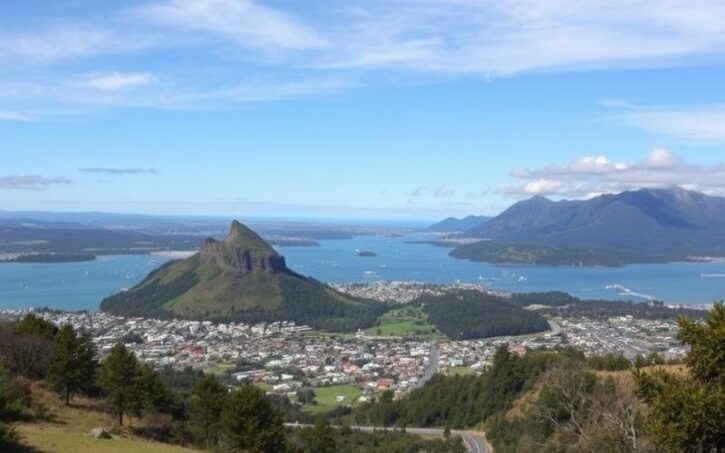
The New Zealand real estate market offers unique opportunities for buyers and sellers, where the quality of real estate photography plays a crucial role in transaction success.
Whether capturing the exceptional light of Wellington’s urban landscapes or the breathtaking views of Auckland’s bays, mastering the art of real estate photography is essential to stand out in this competitive environment.
Simple tricks, like optimizing natural light and creative angles, can transform an ordinary property into an attractive asset and spark potential buyers’ interest at first glance.
Good to Know:
Discover how these expert photography techniques can make all the difference and transform how your property is perceived in this dynamic market.
Best Tips for Choosing a Real Estate Photographer in New Zealand
Essential Criteria for Choosing a Real Estate Photographer in New Zealand:
- Specific experience in real estate photography, demonstrating mastery of techniques suited to showcasing spaces and understanding industry expectations.
- Thorough portfolio analysis: it should showcase a diversity of properties and reflect a consistent style capable of appealing to the local market. Photos should be bright, sharp, and emphasize architectural strengths.
- Client references or testimonials attesting to the photographer’s professionalism and reliability.
Importance of Knowledge of the Local New Zealand Market:
The photographer must master aesthetic preferences specific to New Zealand—for example, valuing panoramic views of natural landscapes (mountains, beaches), emphasizing natural light, or harmonious integration with the outdoor environment. Good geographical knowledge also allows adapting the shoot to local weather conditions or regional particularities.
Communication Between Real Estate Agent and Photographer:
Clear dialogue is essential to ensure each photo precisely matches the property’s promotional needs:
- Specify which rooms to prioritize
- Adapt according to the type of targeted buyers
- Preliminary validation of a mood board or visual style
This guarantees that images faithfully reflect each property’s unique potential.
Practical Elements to Consider When Choosing:
| Element | To Verify |
|---|---|
| Timelines | Standard turnaround time for edited photos |
| Cost | Clear pricing (package/per photo), potential additional fees |
| Usage Terms | Exclusivity granted? Partial/full copyright transfer |
Key points to ask during initial contact:
- What is your usual timeline between shooting and final delivery?
- Does the rate include all necessary retouching?
- What are your terms regarding future image use (social media, real estate portals)?
A good real estate photographer combines technical experience, sensitivity to the local New Zealand market, and professionalism in communication—all criteria that make all the difference in a competitive context.
Good to Know:
Choose a photographer with solid real estate experience in New Zealand; carefully examine their portfolio to assess photo quality and style. Client references provide valuable insight into their reliability. Ensure they understand the local market and New Zealand aesthetic preferences, which is crucial for attracting potential buyers and respecting the country’s cultural standards. Effective communication between photographer and real estate agent is essential for capturing each property’s unique features. Consider practical aspects like quick delivery times, competitive cost, and photo usage rights, ensuring exclusivity and copyright terms are clearly defined upfront.
The Art of Capturing the Best Photo Angle for Your Living Room
To capture the best angle in a living room, especially in typical New Zealand interior architecture, it’s essential to consider several proven techniques:
Capture Techniques
- Natural and Artificial Lighting: Lighting plays a crucial role in highlighting a living room’s unique features. Natural light, when available, adds warmth and life to the space. However, artificial lighting can be used to create different atmospheres and emphasize certain decorative elements.
- Staging: Furniture and decor arrangement is essential for creating a strong visual impression. Here are some tips:
- Simplify the space: Remove anything unnecessary to avoid visual distractions.
- Use neutral colors: Neutral colors can make decorative elements stand out without overwhelming the space.
- Add living elements: Plants or flowers can add a touch of personality to the space.
- Photographic Composition: Use the rule of thirds to position the scene’s main elements, like furniture or windows, to create a visually appealing composition.
Examples of Successful Photographs
Some successful living room photographs in New Zealand highlight the effective use of natural light to showcase large windows and outdoor views. For example, a living room with a large bay window overlooking a natural landscape can be captured during the day to maximize natural lighting effects.
Advantages in Real Estate Transactions
Well-taken photographs can significantly enhance a property’s appeal during real estate transactions. They can:
- Increase buyer interest: By highlighting the property’s best features.
- Promote faster sales: By providing a realistic and attractive image of the space.
Here’s a table summarizing the main tips for living room photography:
| Tips | Description |
|---|---|
| Lighting | Use natural light to add warmth and life to the space. Artificial lighting can be used to create different atmospheres. |
| Staging | Simplify the space, use neutral colors, and add living elements to create a strong visual impression. |
| Photographic Composition | Use the rule of thirds to position the scene’s main elements. |
These techniques, combined with a good understanding of local architecture, can help create photographs that highlight a New Zealand living room’s unique characteristics.
Good to Know:
To capture the best photo angle of your living room in New Zealand, start by taking advantage of natural light by photographing in the morning or late afternoon, which will accentuate architectural details typical of local interiors, such as exposed beams or large bay windows. Then use balanced artificial lighting to avoid harsh shadows and create a warm atmosphere. Furniture staging is crucial: arrange furniture to guide the eye toward the living room’s unique features, like a stone fireplace or reclaimed wood wall. A notable case is a house in Auckland where adding green plants and accent cushions created visual harmony that increased visual appeal during virtual tours, thus accelerating its sale. By skillfully capturing these elements, you can not only attract potential buyers but also enhance the property’s market value.
Using Drones for Enhanced Virtual Tours
Drones have become essential tools for capturing spectacular aerial images, showcasing New Zealand real estate properties from an unprecedented angle. Through drone photography and video, real estate agents can present each property immersively, attracting potential buyers’ attention at first glance.
Main Advantages of Aerial Drone Imagery:
- Perspective of the land and building within its natural environment
- Highlighting outdoor assets like gardens, pools, or private access
- Clear presentation of proximity to amenities (beaches, schools, shops)
- Possibility to integrate the New Zealand panorama: snow-capped mountains, wild beaches, or lush forests
The country’s spectacular natural landscapes—majestic fjords, rugged coastlines, and green hills—are thus integrated into virtual tours. This allows buyers to appreciate not only the property but also its exceptional setting through a more immersive experience.
Examples of Elements Highlighted Through Drones:
| Integrated Natural Element | Impact on Virtual Experience |
|---|---|
| Seaside | Sensation of space and exclusivity |
| Surrounding Forests/Parks | Impression of tranquility |
| Mountain View | Prestige and rarity |
Technological evolution now allows recording in ultra-high definition (up to 8K) with advanced stabilization. Some recent models offer:
- Extended battery life up to 40 minutes
- Real-time video transmission over several kilometers
- Automated modes for smooth, cinematic trajectories
Thus, each virtual tour becomes a true interactive “journey” around and within the real estate property.
Local Regulations Governing Drone Use:
Before any flight for real estate promotion:
- Mandatory permit acquisition for filming in certain public spaces (municipal parks or beaches)
- Required consultation with neighboring owners during residential flights; explicit authorization needed for any private airspace overflight
- Strict respect of imposed schedules (prohibition between 10:00 PM and 7:00 AM in residential areas)
Any violation can lead to administrative sanctions or filming interruption.
Impact on Real Estate Sales:
Virtual tours enhanced by aerial views strongly influence buyer perception:
- Properties with immersive presentations generate marked interest more quickly.
- Listings featuring drone images stand out significantly among conventional ones.
- The “love at first sight” effect is amplified through realistic projection into the future living space.
- Conversion rates increase significantly because prospects already feel connected to the location before even a first physical visit.
The intelligent integration of New Zealand landscapes through drones thus revolutionizes local real estate marketing—offering a notable competitive advantage to sellers while making the user experience unforgettable.
Good to Know:
The use of drones for enhanced virtual tours revolutionizes the presentation of real estate properties in New Zealand by capturing breathtaking aerial images. These technological tools highlight not only house architecture but also spectacular natural landscapes like mountains, beaches, or fjords, integrating these elements into immersive online presentations. Modern drones benefit from technological advancements enabling high-definition videos, thus offering a high-quality visual experience. However, it’s crucial to respect rigorous local regulations concerning drone use, notably the need for appropriate licenses and prohibition of flying over certain protected areas. These enhanced virtual tours have a significant impact on real estate sales, as they improve potential buyers’ perception by providing total immersion in each property’s unique setting, thereby stimulating their interest and increasing sales chances.
Disclaimer: The information provided on this website is for informational purposes only and does not constitute financial, legal, or professional advice. We encourage you to consult qualified experts before making any investment, real estate, or expatriation decisions. Although we strive to maintain up-to-date and accurate information, we do not guarantee the completeness, accuracy, or timeliness of the proposed content. As investment and expatriation involve risks, we disclaim any liability for potential losses or damages arising from the use of this site. Your use of this site confirms your acceptance of these terms and your understanding of the associated risks.

Cyril Jarnias is an independent expert in international wealth management with over 20 years of experience. As an expatriate himself, he is dedicated to helping individuals and business leaders build, protect, and pass on their wealth with complete peace of mind.
On his website, cyriljarnias.com, he shares his expertise on international real estate, offshore company formation, and expatriation.
Thanks to his expertise, he offers sound advice to optimize his clients' wealth management. Cyril Jarnias is also recognized for his appearances in many prestigious media outlets such as BFM Business, les Français de l’étranger, Le Figaro, Les Echos, and Mieux vivre votre argent, where he shares his knowledge and know-how in wealth management.





