
 Published on and written by Cyril Jarnias
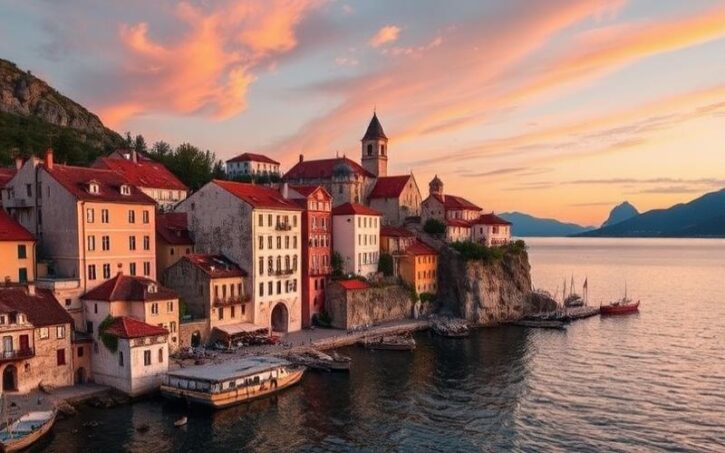
Tucked away between the sparkling Adriatic Sea and breathtaking landscapes, Croatia is rapidly emerging as a top destination for luxury property enthusiasts seeking to blend elegance with Mediterranean charm.
From its enchanting ancient cities to its idyllic islands, this captivating country attracts not only for its sunny climate and stunning vistas but also for the booming high-end real estate market.
At the crossroads of tradition and modernity, Croatia reveals magnificent residences that charm with both their sophistication and their idyllic locations, creating a unique investment opportunity for international buyers in pursuit of prestige and exclusivity.
Investing in Luxury Real Estate in Croatia: A Golden Opportunity
Croatia stands out as a prime destination for luxury real estate investment thanks to a combination of economic, regulatory, and natural advantages that appeal to discerning investors.
Key Reasons to Invest in Luxury Real Estate in Croatia:
- Stable Economic Growth: The Croatian economy benefits from the stability of EU membership and steady growth in foreign investment, with over €100 million invested in real estate in the first quarter of 2024.
- Investor-Friendly Regulations for Foreigners: Foreigners can purchase real estate in Croatia without major restrictions, facilitating market access for non-residents.
- No Property Tax: Croatia does not levy a property tax, a rare advantage in Europe, making investment more attractive and reducing recurring costs.
- Thriving Tourism Market: Over 20 million tourists visit Croatia annually, fueling strong demand for luxury seasonal rentals and boosting property values.
- Profitability and Capital Gains: Luxury rental yields frequently reach 4-6%, and capital gains from resale are exempt after three years of ownership.
- Exceptional Natural Setting: Adriatic coastline, crystal-clear waters, historical heritage, and stunning landscapes are enduring assets that enhance the value of prestige properties.
Key Regions for Profitable Investment:
| Region | Key Advantages | Price/m² (Approximate) | Specifics |
|---|---|---|---|
| Dubrovnik | UNESCO Heritage, High Tourist Demand, Sea Views | High | Historic City, Exclusive |
| Split | Dynamic Cultural Life, Island Access, Luxury Marinas | Medium to High | Seasonal Rentals |
| Hvar | Prestigious Island, Nightlife, Renowned Beaches | High | Jet-Set Favorite |
| Istria | Blend of History and Modernity, Vineyards, Golf | Medium | Residential and Vacation |
Potential Tax Benefits for Investors:
- No property tax on real estate ownership.
- Capital gains exemption after 3 years of ownership.
- Lower cost of living and transaction costs compared to France or the French Riviera.
Market Appreciation Factors:
- Growing demand for high-end rentals, especially seaside properties.
- Real estate prices remain competitive compared to major Mediterranean destinations.
- Access to a luxurious lifestyle: marinas, golf courses, Michelin-starred restaurants, spas, etc.
Success Stories and Investor Testimonials:
- A French investor purchased a villa in Split, renting it over 300 days a year to an international clientele, generating a net yield exceeding 5%.
- Several European investors reported the simplicity of the purchasing process, rapid property appreciation, and ease of listing on specialized rental platforms.
- A German couple bought a property in Hvar, using it for both personal use and seasonal rentals, capitalizing on high summer demand and the absence of property tax.
Key Takeaways:
- Tax Attractiveness
- Tourism Market Growth
- High Profitability and Appreciation Potential
- Prestigious and Booming Regions
- Simplicity for Foreign Investors
Croatia combines all the ingredients for a successful luxury real estate investment, blending profitability, security, and an exceptional living environment.
Good to Know:
Investing in luxury real estate in Croatia is an enticing opportunity due to its stable economic growth, welcoming regulations for foreign investors, and dynamic tourism sector that enhances the value of prestige properties. Regions like Dubrovnik, Split, and Hvar are particularly profitable, benefiting from high tourist demand that ensures significant return on investment. Investors also enjoy certain tax benefits, making this financial commitment even more attractive. Testimonials support these promises, such as that of Maria, an Austrian investor, who saw the value of her villa in Split increase by 25% in three years, highlighting the lucrative potential of the Croatian luxury real estate market.
Characteristics Defining a Luxury Property in Croatia
Luxury properties in Croatia are distinguished by their exceptional locations, high-end amenities, and a particular focus on privacy and exclusivity.
Most Sought-After Geographic Locations:
Building Types & Common Dimensions:
| Type | Typical Size | Main Features |
|---|---|---|
| Seafront Villas | 300 to 1000+ m² | Direct beach access, large terraces |
| Luxury Apartments | 100 to 400 m² | Panoramic sea/old town views |
| Modern Houses | Variable | Spacious plots ensuring privacy |
Expected Luxury Amenities in These Properties:
Architectural Style & High-End Materials:
Frequently Encountered Architectures:
Preferred Materials:
Technological Innovations:
List of common smart home solutions:
Privacy & Exclusivity:
Confidentiality is a decisive criterion. Properties are often surrounded by dense vegetation or situated on vast plots ensuring total seclusion. Access may be limited via private roads or reserved piers. Most target a select circle of international buyers seeking absolute discretion.
Croatian luxury real estate standards compare favorably with major international markets like the French Riviera or Ibiza:
However, the value for money remains attractive in Croatia with advantageous real estate taxation and lower density allowing for more private space.
In summary: Owning a luxury property in Croatia means benefiting not only from a remarkable natural setting but also from a blend of refined Mediterranean architectural tradition and technological innovations dedicated to modern comfort.
Good to Know:
In Croatia, luxury properties are distinguished by their exceptional locations in sought-after areas like Dubrovnik, Split, and the Dalmatian islands, where breathtaking views of the Adriatic Sea are a major asset. These properties often include spacious seafront villas or apartments with large terraces offering spectacular panoramas. Luxury amenities such as private pools, landscaped gardens, direct beach access, and concierge services are essential to meet the high expectations of buyers. The architectural style favors high-end materials, ranging from local stone to elegant modern finishes, with common integration of smart home technology for enhanced comfort and security. Privacy and exclusivity are also paramount, positioning these properties on par with international luxury real estate standards.
Dream Neighborhoods: The Most Sought-After Destinations in Croatia
Dubrovnik
- Prestigious Neighborhoods: Old Town, Ploče, Lapad, Babin Kuk.
- Distinctive Characteristics:
- Panoramic views of the Adriatic and UNESCO-listed city walls.
- Immediate proximity to the sea and access to private or semi-private beaches.
- Historic architecture (Venetian palaces, stone mansions, discreet modern villas integrated into the heritage).
- Attractions and Lifestyle:
- Cultural hub with international festivals, museums, gourmet restaurants, and refined nightlife.
- Luxury marinas, golf, spas, 5-star hotels.
- Cosmopolitan community, strong appeal for foreign investors, vibrant social life.
- Market Trends:
- High and stable prices, strong international demand.
- Outlook: Continued high attractiveness and appreciation due to land scarcity and global prestige.
Split
| Neighborhood | Highlights | Lifestyle |
|---|---|---|
| Bačvice | Urban beaches, cafes, lively atmosphere | Dynamic, close to the center |
| Meje | Modern villas, sea views, tranquility | Exclusive residential, greenery |
| Žnjan | New developments, waterfront | Modern, recent infrastructure |
| Spinut, Lovret | Parks, schools, family-friendly amenities | Family-oriented, easy access to center |
- Characteristics:
- Sea views and views of the Dalmatian islands from many properties.
- Direct access to beaches and marinas.
- Varied architecture: Art Deco villas, contemporary residences, renovated buildings.
- Attractions and Amenities:
- Proximity to Diocletian’s Palace (UNESCO), trendy restaurants, nautical clubs.
- Green spaces, shopping centers, sports facilities.
- International community of expatriates, digital nomads, entrepreneurs.
- Market Trends:
- Rapid price increases in sought-after coastal and residential neighborhoods.
- Development of new real estate projects and infrastructure.
- Outlook: Sustained growth, long-term stability thanks to tourist and residential demand.
Istria
- Key Areas: Rovinj, Poreč, Pula, Motovun, Novigrad.
- Characteristics:
- Rolling landscapes, vineyards, olive groves, hilltop villages.
- Contemporary villas with pools and sea views, renovated stone farmhouses, properties with large plots.
- Proximity to beaches and quick access to marinas.
- Attractions and Lifestyle:
- Renowned gastronomic scene (truffles, wines, olive oil).
- Cultural festivals, traditional markets, art galleries.
- Stable international community, many seasonal residents from Western Europe.
- Market Trends:
- Rising prices, especially on the coast and in tourist villages.
- Strong demand for character properties and high-end rental assets.
- Outlook: Dynamic market, appreciation potential thanks to rural tourism, investments in wine tourism, and sustainable development.
Summary of Trends and Outlook
- General Dynamics:
- Strong demand in coastal and tourist areas.
- High prices in Dubrovnik and Split, stable growth in Istria.
- Enhanced attractiveness due to integration into the Eurozone and Schengen Area.
- Opportunities:
- Highly profitable seasonal rentals.
- Capital gains on properties for renovation or with character.
- Medium to long-term appreciation potential, especially in neighborhoods benefiting from new infrastructure projects and exceptional cultural or natural offerings.
| Region | Average Price (€/m², 2025) | Distinctive Features | Market and Outlook |
|---|---|---|---|
| Dubrovnik | > 4,000 | Heritage, Sea, Exclusivity | Stability, Strong Demand |
| Split | 3,500 – 4,000 | Beaches, Urban Life, Expatriates | Growth, New Projects |
| Istria | 3,500 – 3,700 | Nature, Rural Charm, Gastronomy | Dynamism, Continuous Rise |
The Croatian luxury real estate market combines prestige, profitability, and Mediterranean lifestyle.
Good to Know:
Dubrovnik, Split, and Istria are the crown jewels of Croatia’s luxury real estate market. Dubrovnik, with its medieval walls and breathtaking Adriatic views, attracts buyers eager to enjoy a rich historical heritage coupled with modern amenities. In Split, the appealing blend of Roman architecture, notably Diocletian’s Palace, and picturesque beaches captivates those seeking a dynamic cultural life and immediate proximity to the sea. Istria, often compared to Tuscany, offers a peaceful setting with its green hills, vineyards, and olive groves, ideal for gastronomy and tranquility enthusiasts. These regions benefit from growing demand, fueled by their exceptional living environment and the quality of local infrastructure, and the appreciation prospects remain promising, despite increased competition in the international high-end property market.
Current Trends and Future of the Luxury Property Market
The luxury property market in Croatia is marked by strong international attractiveness, a steady price increase, and rapidly evolving buyer preferences, especially since the pandemic.
Key Recent Trends:
- Increased International Demand: Foreign buyers, predominantly from Western Europe, represent a growing share of the market, attracted by the exceptional natural setting and more affordable prices compared to other high-end European destinations.
- Key Geographic Areas:
- Dubrovnik remains the benchmark for luxury real estate with an average price exceeding €4,500/m² (up to €7,000/m² in the historic center).
- Other cities like Split, Istria, Rijeka, and Zadar are gaining ground due to developing infrastructure and more competitive prices (e.g., Rijeka around €1,800/m²).
- Steady Price Growth: Annual increases between +3% and +7% are observed depending on the area. This growth is explained by land scarcity on the Adriatic coast, post-pandemic tourism dynamism, and continuous infrastructure improvements.
List of Structural Factors Influencing the Market:
- Political Stability
- Attractive Taxation (No Property Tax)
- Low Crime Rate
- Valued Cultural Heritage
Demographic Changes & Post-Pandemic Preferences:
The pandemic reinforced the search for spacious private areas (villas with pools), access to nature, and the coastline.
A new clientele of remote workers or semi-residents prioritizes modern comfort, health security, and digital connectivity.
Technology & Sustainability:
| Influence | Concrete Examples |
|---|---|
| Smart Home | Villas equipped with smart home systems |
| Green Energy | Integrated solar panels |
| Certification | Projects oriented towards “sustainable construction” |
Forecasts for the Coming Years:
Expected Development
- New road/port/airport infrastructure to support high-end tourism
- Expanded offerings in the ultra-luxury segments (secure private residences)
Likely Price Evolution
- Moderate but sustained increase in key areas
- Gradual appreciation of secondary waterfront areas
Potential Challenges
- Saturation or pressure on certain local markets potentially leading to increased regulatory oversight
- Economic risk linked to global slowdown or regional geopolitical tensions
Five to Ten Year Projection:
Croatia is expected to consolidate its place among the essential Mediterranean destinations for luxury residential real estate
Foreign investments will continue to be a driving force; however, their importance may push towards more local regulation
Technological innovation and the systematic integration of environmental criteria will become differentiating factors in this segment
In summary: The Croatian luxury market is moving towards greater exclusivity, betting on its unique natural/cultural heritage while integrating technological innovation & sustainable requirements — thus offering strong potential despite some potential economic or regulatory challenges.
Good to Know:
The luxury property market in Croatia is heavily influenced by international demand, particularly from European and American buyers seeking second homes. Zagreb and Dubrovnik stand out as hubs of attraction, while regions like Istria see a rise in foreign investment, drawn by the picturesque landscapes and heritage. Post-pandemic, the focus on living spaces offering comfort and flexibility, such as home offices, has become crucial, altering buyer preferences. Integrated technology and sustainability are now essential criteria, pushing developers to innovate. Prices are expected to continue rising, supported by limited supply and foreign interest, even though economic challenges and potential regulations might temper this growth. Long-term, improvements in infrastructure and Croatia’s deeper integration into the European Union should strengthen its position in the global market, although developers will need to navigate carefully between innovation and regulation to capture the expected growth.
Disclaimer: The information provided on this website is for informational purposes only and does not constitute financial, legal, or professional advice. We encourage you to consult qualified experts before making any investment, real estate, or expatriation decisions. Although we strive to maintain up-to-date and accurate information, we do not guarantee the completeness, accuracy, or timeliness of the proposed content. As investment and expatriation involve risks, we disclaim any liability for potential losses or damages arising from the use of this site. Your use of this site confirms your acceptance of these terms and your understanding of the associated risks.

Cyril Jarnias is an independent expert in international wealth management with over 20 years of experience. As an expatriate himself, he is dedicated to helping individuals and business leaders build, protect, and pass on their wealth with complete peace of mind.
On his website, cyriljarnias.com, he shares his expertise on international real estate, offshore company formation, and expatriation.
Thanks to his expertise, he offers sound advice to optimize his clients' wealth management. Cyril Jarnias is also recognized for his appearances in many prestigious media outlets such as BFM Business, les Français de l’étranger, Le Figaro, Les Echos, and Mieux vivre votre argent, where he shares his knowledge and know-how in wealth management.





