
 Published on and written by Cyril Jarnias
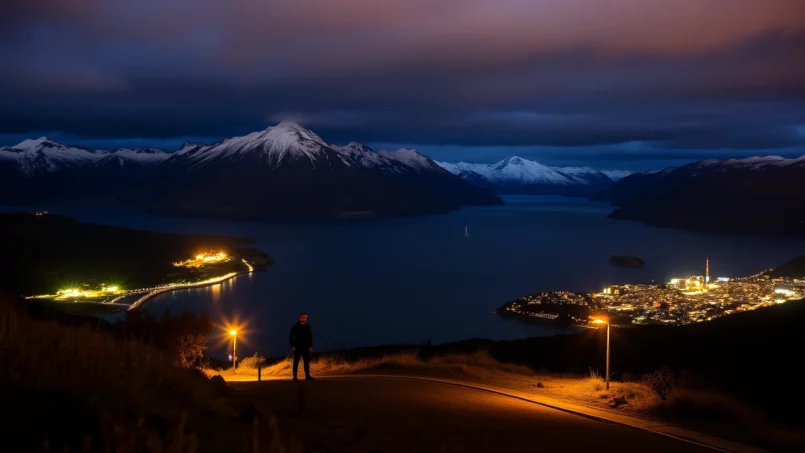
Tasmania’s nightlife surprises with its density and diversity for an island primarily renowned for its wild landscapes. Between intimate bars in Hobart, historic pubs, casinos open until the early hours, whisky tours, outdoor concerts in vineyards, and night markets by the water, evenings come alive as much in the city as in the countryside. Far from Australia’s major metropolises, the Tasmanian night focuses on conviviality, local products, and a thriving cultural scene, rather than impersonal mega-clubs.
The guide covers activities after dark, focusing on Hobart, as well as Launceston and the wine or coastal regions. It’s not just about bars and restaurants, but an immersion into local culture through varied experiences: pubs, casinos, distilleries, nighttime nature tours, evening markets, and festivals, where food, music, and heritage blend.
Hobart, Epicenter of Tasmanian Nightlife
As the state capital, Hobart concentrates the bulk of the evening buzz. The city is “compact,” making it easy to hop from a bar to a concert, then to a waterfront restaurant, without a car. Three areas structure the night: the Salamanca and waterfront zone, North Hobart, and nearby neighborhoods like Battery Point or Sandy Bay.
Salamanca and the Waterfront: Bars, Restaurants, and Buzzing Docks
Around Salamanca Place and the Sullivans Cove wharves, old sandstone warehouses have been converted into bars, restaurants, pubs, and boutique hotels. You’ll find as many spots for a fine dining experience as for a simple drink with a view of the boats.
Food lovers can aim for Aloft or The Glass House, both perched on the Brooke Street Pier at Franklin Wharf. Aloft offers a seasonal menu focused on local produce in a sophisticated setting overlooking the harbor, while The Glass House serves Japanese-inspired share plates – abalone, Tasmanian salmon – in a true glass jewel box suspended over the water. A bit further along the wharves, Frank blends Argentine-style grills, fish, chicken, and vegetables to share, all facing the waterfront, while T42 Hobart plays the card of a friendly bar-restaurant, also oriented toward the marina.
For those traveling with children or simply wanting a relaxed vibe, Mures and Fish Frenzy are two classics. Mures, a seafood institution located on Victoria Dock, combines the “Upper Deck” restaurant, “Lower Deck” bistro, and oyster bar, not to mention the sale of fresh fish and ice cream. Fish Frenzy, on Elizabeth Street Pier, bets on a simple and effective formula: fish and chips, fish burgers served in brown paper cones, with no reservation needed.
The nautical pub scene is also well represented. The Drunken Admiral, open since 1979 on Hunter Street, turns a seafood dinner into a true immersion in an old ship decor. Next door, Old Wharf Restaurant, housed in the MACq 01 Hotel, reimagines classic dishes with a Tasmanian touch, while telling the story of the original port area, once filled with jetties, houses, and taverns in the 19th century. Also at MACq 01, Evolve Spirits Bar offers a striking contrast with its sleek cocktail and spirits bar, its terrace on the docks, and its decor filled with surprising historical objects.
The historic district of Hobart, famous for its sandstone warehouses, is the ideal spot for a night out with friends over a drink.
A modern bar-restaurant open daily from noon. Offers a wide selection of Tasmanian drinks, weekend concerts, and hearty dishes like barbecue lamb ribs.
A historic pub since 1829, perpetuating the spirit of sailors. Serves local craft beers, wines, gins, Tasmanian whiskies, and a famous lobster roll.
Specializes in burgers and craft beer. Offers an upstairs lounge with a fireplace, a terrace, a happy hour from 5 p.m. to 7 p.m., and live music on Fridays.
For a more crafted cocktail ambiance, several addresses stand out. The Den, surrounded by sandstone on Salamanca Place, highlights Tasmanian products in its cocktails and share plates, including a few Korean nods. Society Salamanca, a neighboring underground bar, lines up around 300 bottles of spirits, over twenty local gins, and a dozen island whiskies. Botanica Bar, in Salamanca Square, blends cocktails, local wines, and small Tasmanian plates in a brighter atmosphere.
Finally, In the Hanging Garden, on Murray Street, brings an almost Berlin-like touch to Hobart with a huge flexible space: multiple kitchens (Korean, Mexican, pizza, sandwiches), a hanging garden, a cathedral-like greenhouse, concerts, and DJ sets. The place is family-friendly during the day, dog‑friendly, then transforms into a more festive space, closer to a club, once night falls.
North Hobart: Foodies’ and Breweries’ Paradise
North of the center, North Hobart has established itself as the city’s gourmet neighborhood. The concentration of restaurants, wine bars, breweries, and cafes is particularly dense, with a marked accent on local produce and world cuisines.
On Elizabeth Street, Sonny embodies both a wine bar and a tiny Italian-inspired restaurant. No reservations, only about twenty seats, a large communal table, a list of Australian wines, vinyl records spinning, and a small selection of seasonal dishes (pasta, raw fish) that change often. A bit further up, Pancho Villa dives into Mexican imagery with a very elaborate Día de los Muertos decor, tacos, enchiladas and churros, and a cocktail menu centered around more than 50 tequilas.
Craft beer enthusiasts are spoiled for choice. T-Bone Brewing Co offers a dozen of its own beers on tap, often seasonal, while Shambles Brewery serves its creations at the bar – from refreshing pale ales like “Afternoon Delight” to heavier beers like “Big Guy” – accompanied by refined pub food. The Winston, another North Hobart haunt, combines 12 taps, an American-inspired menu (wings, tacos), a pool table, and regular concerts.
Neighborhood pubs remain pillars of local life in Sydney. Among the oldest, the Queens Head Hotel offers a rooftop terrace, a space to watch sports, and concerts. The Crescent Hotel, located on Burnett Street, has a beer garden and a rooftop terrace. Nearby, on Elizabeth Street, Boodle Beasley stands out with its offering of burgers, cocktails, and Asian bites, like tempura prawns.
Beyond beer, North Hobart cultivates the art of wine. Willing Bros Wine Merchants, a small wine bar, features an impressive list of international bottles, while Ogee, on Murray Street, offers modern European cuisine, a sharp wine list, and cocktails. The menu changes daily, with a dinner format from Wednesday to Sunday and lunch Friday to Sunday, plus a set menu on weekend evenings.
The table below gives an overview of some key establishments in Hobart and their specialties for planning a typical evening:
| Neighborhood | Establishment | Type | Evening Highlights |
|---|---|---|---|
| Salamanca / Wharves | Aloft | Fine Dining Restaurant | Seasonal local menu, harbor view |
| Salamanca / Wharves | The Glass House | Bar-Restaurant | Panoramic cocktails, Japanese plates |
| Salamanca | The Whaler | Pub | Tasmanian beers, lobster roll, historic vibe |
| Salamanca | The Den | Cocktail Bar | Tasmanian products, small share plates |
| Salamanca | In the Hanging Garden | Festive Complex | Food courts, concerts, hanging garden atmosphere |
| Waterfront | Evolve Spirits Bar | Spirits Bar | Cocktails, museum-like decor, dockside terrace |
| Waterfront | Mures | Seafood | Restaurant, bistro, oyster bar, boat views |
| North Hobart | Sonny | Wine Bar / Small Restaurant | Australian wines, limited menu, no reservations |
| North Hobart | Shambles Brewery | Craft Brewery | House beers, large friendly hall |
| North Hobart | T-Bone Brewing Co | Craft Brewery | Numerous beers on tap, relaxed ambiance |
Battery Point & Sandy Bay: Sailor Pubs, Casino, and Tables with a View
Battery Point, immediately above Salamanca, retains a seaside village charm with its cottages and lanes. The Shipwright’s Arms Hotel – nicknamed Shippie’s – is both a neighborhood pub and a sailors’ haunt: it serves seafood, steaks, lamb, chicken, and pub fare, and is even the official pub of the famous Sydney to Hobart yacht race. Open daily from 11:30 a.m. until late, it’s an ideal stop after a stroll through the old quarter.
Still in the broader Battery Point area, Manky Sally’s stands out as a tap house with strong personality, while Society Salamanca plays the card of an underground cocktail bar. These addresses complement an already rich offering of bars and restaurants around Salamanca Square.
Further south, Sandy Bay is home to the Wrest Point Hotel and Casino, an iconic feature of Tasmanian nightlife. Opened as Australia’s first legal casino in 1973, Wrest Point today boasts several restaurants (The Point, a revolving French fine dining restaurant on the top floor; Kwan Ho, Chinese; Longhorn Smokehouse; Boardwalk Bistro) and bars (Birdcage Bar, The Green Room, Casino Bar, Boardwalk Bar). The slot machines operate from 9 a.m. until late at night, with up to 488 machines on site, and table games (blackjack, roulette, baccarat, Federal Pontoon) run in the evening, typically from 5 p.m. to 1 a.m. on weekdays and until 3 a.m. on Fridays and Saturdays. Concerts, stand‑up shows, and film festivals round out the programming, while an indoor pool, jacuzzi, and sauna extend the experience for those staying there.
In Hobart’s bay, Me Wah in Sandy Bay is a large high-end Chinese restaurant open in the evening. The Point Revolving Restaurant, located on the 17th floor with a 360° panoramic view of the Derwent River and the city, offers a spectacular and romantic setting for dinner.
Cocktail, Whisky and Gin Scene: A Very Spirited Night
Tasmania has established itself in just a few decades as a land of premium whisky and spirits. In Hobart, this dynamism is directly felt in the nightlife offerings: specialized bars, urban distilleries, tasting and blending workshops, gin masterclasses, etc.
LARK, a pioneer of modern Tasmanian whisky, has several showcases in the capital. Its Davey Street Cellar Door, formerly a bonded distillery and warehouse, is now a tasting bar open daily, offering notably a “Whisky Distiller’s Breakfast” – a morning experience that can extend into the afternoon. The Still, at 30 Argyle Street, serves as a LARK bar and retail space, transforming its shop into a cocktail lounge in the evening. You’ll find 45-minute “Welcome to Whisky” or “Welcome to LARK” tastings (three samples of Tasmanian whiskies, discount on bottles), and even a blending experience, the “Fuse Whisky Blending Experience,” allowing you to create your own blend, for a significantly higher but very immersive entry fee.
Still in the LARK universe, Gin(bar) organizes a two-hour “Gin Making Experience” workshop based on the Forty Spotted range, where you learn to compose and distill your own gin. This type of experience, available in the evening, illustrates well how Tasmanian nightlife goes beyond just a drink to become a participatory activity.
A few streets away, The Still – already mentioned – and bars like Institut Polaire and Lucinda extend this culture of refined spirits. Institut Polaire, on Murray Street, features a marble bar highlighting its Süd Polaire gin and Domaine Simha wines. Its dry martini, inspired by Antarctic latitudes, has become a signature. Lucinda, a stylish wine bar in the city center, offers a sharp selection accompanied by seasonal small plates.
Outside the center, the former Hellyers Road distillery (in the island’s northwest) or Sullivans Cove Distillery, near Hobart, can be visited during the day, but also supply many bottles to the city’s bars. Sullivans Cove, founded in 1994, is considered Australia’s most awarded whisky distillery, with several “World’s Best” titles at the World Whiskies Awards and a Craft Producer of the Year award. These accolades explain the massive presence of its labels on bar menus.
The table below summarizes some whisky & gin experiences you can integrate into an evening:
| Venue (Hobart & surrounds) | Experience | Approx. Duration | Indicative Price (AUD) | Nighttime Particularities |
|---|---|---|---|---|
| The Still (Argyle St) | Welcome to Whisky Tasting | 45 minutes | $79 | 3 Tasmanian whiskies, bottle discount |
| The Still | Welcome to LARK Whisky Tasting | 45 minutes | $79 | Focus on the LARK range |
| The Still | Fuse Whisky Blending Experience | — | from $499 | Workshop to create your own blend |
| Gin(bar) | Gin Making Experience | 2 hours | from $99 | Masterclass, creation of a custom gin |
| LARK Cellar Door (Davey St) | Whisky Distiller’s Breakfast | — | from $39 | Brunch/tasting experience, ideal for continuing into the evening |
| Salamanca / CBD Bars | À la carte tastings | Variable | Variable | Cocktails based on Tasmanian gins, whiskies, vodkas |
A Very Lively Concert and Festival Scene
Tasmania has built a solid reputation for live music. At night, this translates into a wide range of concerts, jam sessions, festivals, and DJ nights, in both major cities and country towns. The very involved local community gives a “grassroots” character to most events, far from the formatted feel of big international tours.
Hobart: Music Pubs, Clubs, and Major Events
In Hobart, several venues stand out for listening to music in the evening. Republic Bar & Cafe, in North Hobart, is an institution: an art deco pub, fireplace in winter, warm ambiance, and musical programming seven nights a week, ranging from jazz and blues to rock and singer-songwriter. The Brisbane Hotel, on Brisbane Street, combines a concert hall for local and touring bands – often in grunge, alternative, or experimental genres – with pub food, pool tables, and sports broadcasts.
For electronic music enthusiasts, the Altar Bar is an essential venue. A multi-level establishment comprising stages, a rooftop, gardens, and dance floors, it’s open from Wednesday to Saturday from 4 p.m. It regularly programs DJs and collectives for nights focused on techno, house, or electronic experiments. For a more eclectic vibe, the Grand Poobah, located on Liverpool Street, operates as a hybrid space (bar, small concert hall, gallery). It offers music nights, comedy, cabaret, and organizes a monthly “bazaar” on the first Friday of the month.
Mobius Lounge Bar, near the waterfront, offers a more intimate setting for dancing, with a lounge space in a sandstone building and a small dance floor. Rektango, behind the Peacock Theatre in Salamanca, provides a weekly free gathering: every Friday evening, bands play in a family-friendly atmosphere, very popular with locals.
Major music and digital arts events are concentrated around MONA (Museum of Old and New Art) and festivals like Dark Mofo and Mona Foma. MONA has its own outdoor concert space on its lawns, with restaurants and bars close at hand. During Dark Mofo, the winter solstice festival, Hobart transforms into a red and black city, with concerts, light installations, and immersive nighttime experiences. Mona Foma, a summer program of experimental arts and music, multiplies concerts in various city venues.
Number of musicians in the Tasmanian Symphony Orchestra, founded in 1948 and conducted by Marko Letonja.
Launceston and Regional Towns: A Less Expected Nightlife
Launceston, Tasmania’s second city and designated a UNESCO City of Gastronomy, cultivates its own nightlife. The Royal Oak Hotel, operating with a license since 1851, embodies the quintessential music pub: relaxed atmosphere, six beers on tap, bar food, and concerts three nights a week, with programming ranging from folk to indie rock. Club 54 hosts a wide range of bands, from rock to blues and alternative sounds.
Further northwest, venues like Maginty’s Bar in Burnie – an Irish bar serving Guinness, cocktails, and pub food – or the pubs of Bridport and Sheffield regularly organize music nights. Live at the Wharf in Ulverstone programs seaside concerts, while Country Club Tasmania, near Launceston, blends casino, golf, dining, and entertainment: concerts, revues, themed nights in its various bars and restaurants.
Even cinemas can be part of the Tasmanian night: CMAX Devonport, with its large screens and reclining seats, sometimes programs special live events, while the State Cinema, in North Hobart, combines art-house film screenings, a bar-cafe, and rooftop cinema in summer, extending the evening with a drink after the show.
Casinos, Gaming, and Social Debate
Casinos hold a particular place in the island’s nightlife. Wrest Point in Hobart and the Country Club Casino near Launceston are the two pillars of a gaming offering regulated by law.
Wrest Point is Australia’s first legal casino. It offers nearly 500 poker machines (EGMs), blackjack tables, roulette (American and Rapid Roulette from 1 p.m.), baccarat, Federal Pontoon, as well as sports betting (TAB) and TASkeno. Access is strictly reserved for adults (18 years and over). Hours vary: the main floor is open from noon to 1 a.m. on weekdays, while the Boardwalk floor offers machines from 9 a.m. to 3 a.m. (Sunday to Thursday) and until 5 a.m. on weekends. The establishment is regulated by the Gaming Control Act and actively promotes responsible gambling.
Country Club Casino, in Prospect Vale, operates on a similar model, with a Main Casino floor and a Watergarden floor. Here too, around 500 machines are authorized, table games open from 5 p.m. to 1 a.m. (until 3 a.m. on Fridays and Saturdays), and machines run from 9 a.m. or noon depending on the area, until 2 a.m. or 4 a.m. The place positions itself both as a leisure complex – 18-hole golf, restaurants, bars – and a regional casino.
Licenses cover over 3,500 poker machines distributed across the state’s casinos and pubs. Accessible 24/7 in some venues, they fuel debate about their economic and social consequences, as evidenced by a major party’s reversal after the 2018 elections. They remain a key factor in nightlife, drawing clientele to pubs, especially in rural or suburban areas, where these rooms serve as both gaming and social spaces.
Nocturnal Nature: Tasmanian Devils, Quolls, and Twilight Cruises
The Tasmanian night isn’t limited to bars. Part of the island’s appeal lies in the possibility of observing wild fauna after dark, or discovering historical sites in a more mysterious ambiance.
Wildlife Safaris After Dark
Several operators have built their reputation on nocturnal nature experiences. Pepper Bush Adventures, highly rated by travelers, offers private tours in northeastern Tasmania, around towns like Scottsdale or Launceston, and in national parks like Ben Lomond or Mt William. Their “Quoll Patrol” tour, operating from April to September, focuses on observing species hard to see elsewhere, like the eastern quoll – now mainly present in Tasmania after having almost disappeared from the mainland – but also Bennett’s wallabies, Forester kangaroos, wombats, brush-tailed possums, pademelons, potoroos, and even platypuses or short-beaked echidnas. The outings often include a campfire dinner, sometimes with wine and cheese, detailed commentary from guides (Bushie and Ben are frequently mentioned), spotlights for “spotlighting,” and national park passes. Some last an evening, others span two or three days, and show very high recommendation rates (up to 97% with ratings close to 4.9/5).
In specialized sanctuaries, nighttime visits focus on the Tasmanian devil. Devils@Cradle, at the foot of Cradle Mountain, is a premier conservation center for devils and quolls. Open day and night, it organizes various experiences, including observation and feeding sessions like the “After Dark Tasmanian Devil Feeding Tour” or “Devils In The Dark,” where you can see the animals active, learn to recognize their social behaviors, and better understand the disease affecting them, Devil Facial Tumour Disease (DFTD). These visits, often restricted to those over 6, sometimes include wine and cheese and take place at varying times depending on the season (starting earlier in winter, sometimes from 5 p.m., and later in summer).
East Coast Natureworld, near Bicheno, is a park with a strong conservation focus, conducting rescue, reintroduction, and research operations on Tasmanian devil facial tumor disease (DFTD). Several devil feeding sessions are held daily, and “Wildlife Spotting after Dark” tours allow for observing fauna at dusk.
The following table compares some typical nocturnal wildlife experiences:
| Experience / Operator | Main Area | Key Species | Format & Duration | Nocturnal Particularities |
|---|---|---|---|---|
| Quoll Patrol (Pepper Bush) | Northeast, national parks | Quolls, wallabies, wombats, devils (occasionally) | Evening to several days | Campfire dinner, spotlight observation |
| Devils In The Dark | Bicheno / Natureworld | Tasmanian devils | About 1h30–2h | Wine & cheese, night observation/feeding |
| After Dark Devil Feeding | Devils@Cradle (Cradle Mtn) | Tasmanian devils | ~1h–1h30 | World-class conservation center |
| Wildlife Spotting after Dark | Various sites | Varied nocturnal fauna | 90 minutes to 6h | Naturalist guides, detailed commentary |
These activities generally require good walking shoes, warm clothing, and a certain level of mobility (most are not wheelchair accessible but accept strollers). Food and drinks may or may not be included depending on the tour, and some do not operate on Christmas Day.
Evening Cruises and Haunted Tours
For those who prefer comfort to wildlife observation, Tasmania also offers evening cruises and historical tours. On the west coast, the Gordon River dinner cruise, departing from Strahan, offers a remarkably scripted itinerary: sailing to Macquarie Harbour, passage through Hells Gates, stop at Heritage Landing for a walk on the rainforest boardwalks, visit to the old penal colony of Sarah Island. The most comprehensive packages include a buffet on board, an open bar on the upper deck, professional commentary, and a nighttime return to port.
At Port Arthur, Tasmania’s former penal colony, the nighttime ‘Port Arthur Historic Site Ghost Tour’ uses the setting of the ruins and the emotional history of the place. Guided by lantern light, visitors listen to tales of crime, punishment, and local legends while walking through the old buildings and cemetery. This experience illustrates how historical heritage can become a central element of nightlife and tourism.
Night Markets, Street Food, and Local Culture
Alongside bars and restaurants, a significant part of Tasmanian nightlife revolves around evening markets and occasional foodie events, which mix food stalls, craft vendors, concerts, and entertainment.
Hobart Twilight Market and Other Dusk Gatherings
The Hobart Twilight Market, on the Brooke Street Pier at 12 Franklin Wharf, regularly animates Fridays from 4:30 p.m. to 9 p.m.. It features food trucks, producers, artisans, local brewers and distillers, in a very family-friendly atmosphere, with live music in the background and a direct view of the bay. A sister edition is held on Long Beach in Lower Sandy Bay, a 10-minute drive from the center: there, families enjoy the playground, food stalls, hot drinks or cocktails, and children’s entertainment, still during the same time slot, between late afternoon and early evening.
The Tasmanian Made Market organizes themed markets in Launceston and other cities (Easter, spring, Christmas, creative clearance) over entire weekends, with hours extending into late afternoon or early evening. These events, although not stretching very late, structure outings at the end of the day, especially in winter with themes like “Christmas in July” offering campfires, mulled wine, decorations, and concerts.
Willie Smith’s Apple Shed, in the Huon Valley, particularly illustrates this culture of festive rural evenings. This large 1942 shed, converted into a cidery, restaurant, and apple museum, hosts concerts and nighttime events, notably during the Mid‑Winter Festival: you’ll see bonfires, bands playing in the orchards, cider and brandy tastings, all just a half-hour drive from Hobart.
The following table lists some markets and foodie events with a predominantly evening or nighttime focus:
| Event / Venue | Town / Region | Typical Hours | Main Content |
|---|---|---|---|
| Hobart Twilight Market (Brooke St) | Hobart waterfront | 4:30–9 p.m. (selected Fridays) | Street food, drinks, crafts, live music |
| Long Beach Twilight Market | Lower Sandy Bay | 4:30–9 p.m. (Fridays) | Food stalls, playground, concerts, sea view |
| Tasmanian Made Market (various) | Launceston & others | Day – early evening | 100+ artisans, local products, entertainment |
| Willie Smith’s Mid‑Winter Festival | Huon Valley | Weekend evenings | Cider, concerts, fires, winter rituals |
| Beaker Street Festival (night events) | Hobart | Evening & night (August) | Science, art, talks, exhibitions |
Tasting Tasmania After 6 p.m.: From Fine Dining to Fish & Chips
A strong particularity of Tasmanian nightlife lies in the place of gastronomy. The opening of the MONA art gallery in 2011 stimulated the simultaneous rise of Hobart’s culinary and artistic scene. Restaurants multiplied, often in close cooperation with small-scale producers and growers, and menus highlight island products: seafood, beef, lamb, seasonal vegetables, artisan cheeses.
In this vein, tables like Peppina, within The Tasman hotel, reimagines Italy using Tasmanian produce, with, for example, wood-fired meatballs or ricotta cavatelli. Templo, a small restaurant with about twenty covers on Patrick Street, changes its menu daily and writes it in chalk on a board: you’ll enjoy dishes that appear very simple, elevated by the freshness of the ingredients. Fico, on Macquarie Street, opens its bar to those who want to snack on a few plates while having a glass of wine.
Suzie Luck’s, in Salamanca Square, fuses Southeast Asian influences with local products, with a menu structured by plate size (“Little Bit,” “Bigger”), served for lunch (some days) and dinner seven nights a week. In a more carnivorous register, Ball & Chain Grill, housed in a former warehouse with a “convict” theme, cooks its steaks and seafood over charcoal, while Roaring Grill, a bit off the beaten path, has made a name for itself with its Australian meats.
The city offers a great variety of international restaurants, perfect for dinner before or after a concert, as well as delicious dessert options.
A modern Greek restaurant.
Specializes in Tibetan‑Nepalese dishes.
To discover the flavors of India.
Vietnamese cuisine.
Thai cuisine.
For Japanese cuisine.
High-end Chinese restaurant.
For waffles, pancakes, and “panookies.”
A multitude of establishments active in the early evening.
The coastline continues to mark the plate, particularly in pubs. The Shamrock Hotel serves generous fish and chips, Flippers Cooked & Fresh Seafood offers takeaway seafood on the wharf, while many establishments feature mussels, salmon, scallops, and chowder on the menu. The famous scallop pie from Salamanca Place embodies this blend of pub culture and seafood products well.
Between Theater, Cinema, Comedy, and Quizzes: Other Ways to Go Out
Beyond music and gastronomy, Tasmanian nightlife also expresses itself through theater, comedy, dance, quizzes, and even more atypical evenings.
The Theatre Royal in Hobart is the oldest operating theater in Australia, and programs plays, operas, dance, or comedy shows in the evening. Other venues like the Playhouse Theatre, the Princess Theatre in Launceston, or the Peacock Theatre host local productions, tours, festivals, and award ceremonies (like the Tasmanian Theatre Awards). Unusual shows like “The Ship That Never Was,” in Strahan, tell the story of a ship and convicts in a penal colony, mixing historical facts and comedy, every evening from September to May.
Stand-up comedy shows and one-man shows by Australian comedians are regularly scheduled. Quiz nights, like “Twisted Trivia,” often feature discounted signature cocktails, snacks, burgers, and share platters, served from 5 p.m. until late. A particularity: some quizzes run entirely via smartphone, without paper or pen.
Some events play on even more original formats. “No Lights No Lycra,” for example, offers dancing in complete darkness, without alcohol or drugs, to a music selection, for a modest ticket price. Others mix film screenings (“23 Walks,” award-winning documentaries), scientific-artistic talks (Beaker Street Festival), or open-air cinema sessions on the roof of the State Cinema.
How to Best Enjoy the Tasmanian Night
To make the most of the diversity of nightlife in Tasmania, a few simple rules help better organize your evenings.
First, keep in mind that road distances are relatively short, but public transport becomes scarce at night, especially in regional areas. In Hobart, the main nightlife neighborhoods – waterfront, Salamanca, Battery Point, North Hobart – are close enough to be connected on foot or by taxi/rideshare, which facilitates “bar-hopping” itineraries: a drink at Hobart Brewing Co (16 Evans Street) with food trucks and a campfire, seafood dinner at Mures, digestif at Evolve Spirits Bar, then late night at In the Hanging Garden or Altar Bar.
It’s essential to check the precise hours of establishments, as they vary greatly: some restaurants only open Wednesday to Sunday, others close early, and many bars only really get lively after 9 p.m. or 10 p.m. Furthermore, some places like Sonny don’t accept reservations, requiring you to arrive early to get a spot. For specialized experiences (like whisky or gin workshops), slots are fixed (e.g., Wednesday, Friday, and Sunday at 1 p.m. for the “Welcome to Whisky” workshop at The Still) and can easily be combined with dinner or a night out at a bar.
Finally, the weather plays an important role. Even in summer, evenings can be chilly, especially outdoors – on MONA’s lawns, in Willie Smith’s orchards, or on the terraces of North Hobart pubs. Always bring a warm layer, particularly for nighttime wildlife tours or cruises.
Tasmania offers a palette of nighttime experiences that blend gastronomy (single malt, Nepalese curry), heritage (stone pubs), arts (concerts), nature (Tasmanian devil spotting), and entertainment (casino, markets on the wharves). Far from being quiet, it creates a unique link between city and wide open spaces after dark.
Disclaimer: The information provided on this website is for informational purposes only and does not constitute financial, legal, or professional advice. We encourage you to consult qualified experts before making any investment, real estate, or expatriation decisions. Although we strive to maintain up-to-date and accurate information, we do not guarantee the completeness, accuracy, or timeliness of the proposed content. As investment and expatriation involve risks, we disclaim any liability for potential losses or damages arising from the use of this site. Your use of this site confirms your acceptance of these terms and your understanding of the associated risks.

Cyril Jarnias is an independent expert in international wealth management with over 20 years of experience. As an expatriate himself, he is dedicated to helping individuals and business leaders build, protect, and pass on their wealth with complete peace of mind.
On his website, cyriljarnias.com, he shares his expertise on international real estate, offshore company formation, and expatriation.
Thanks to his expertise, he offers sound advice to optimize his clients' wealth management. Cyril Jarnias is also recognized for his appearances in many prestigious media outlets such as BFM Business, les Français de l’étranger, Le Figaro, Les Echos, and Mieux vivre votre argent, where he shares his knowledge and know-how in wealth management.





