
 Published on and written by Cyril Jarnias
Nestled in the heart of Europe, Luxembourg, known for its economic prosperity and thriving financial sector, now offers new investment opportunities that are capturing the attention of savvy investors: the country’s authentic villages.
With picturesque settings and unique cultural richness, these rural destinations represent an unprecedented chance to capitalize on the growing trend of sustainable tourism and the appeal for authentic experiences.
By 2025, this sector is positioning itself not only as an essential contributor to the diversification of Luxembourg’s economy but also as a key player in preserving local heritage, promising both cultural and financial returns on investment for those ready to embark on the adventure.
Showcasing Luxembourg’s Authentic Villages
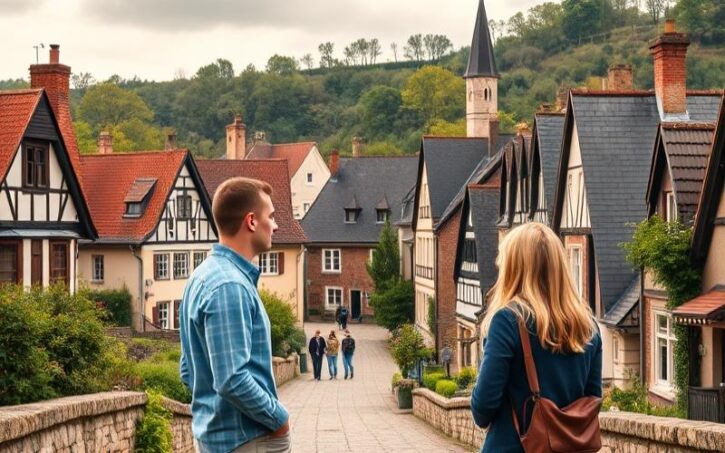
Luxembourg’s authentic villages embody traditional charm and rare heritage wealth, reflected in their preserved architecture, centuries-old history, and timeless atmosphere.
Unique Characteristics of Luxembourg Villages:
- Remarkable Architectural Heritage
- Low sandstone or slate stone houses
- Multi-cellular and enclosed farms
- Listed churches dating back to the 10th century (e.g., Rindschleiden)
- Restored medieval castles (Mirwart, Esch-sur-Sûre)
- Exceptional Natural Environment
- Steep valleys, winding rivers (Our, Mirwart)
- Surrounding forests offering hiking or cycling trails
- Living Traditions
- Interactive museums dedicated to rural life and local customs (Thillenvogtei Museum in Rindschleiden)
- Local gastronomy with starred restaurants
Examples of Villages Benefiting from Investments or Community Initiatives:
| Village | Initiatives & Investments | Observed Results |
|---|---|---|
| Rindschleiden | Thillenvogtei Museum | Preservation of rural traditions; active tourism |
| Our | Gastronomic enhancement | Increased attractiveness; development of local businesses |
| Mirwart | Castle restoration | Increased tourist flow; economic revitalization |
Potential Social and Economic Benefits:
- Job creation in the tourism sector (local guides, restaurants)
- Revitalization of traditional businesses (artisan bakeries, village bistros)
- Strengthened community spirit through preservation of local festivals and ancestral know-how
Potential Impact of Modern Infrastructure:
The careful integration of new infrastructure — fiber optics for rural teleworking, improvement of secondary roads — enables:
- Attracting new residents while respecting traditional visual harmony
- Facilitating access to regional markets for local artisans
Any project must ensure the preservation of architectural identity: natural materials preferred for any renovation or construction.
Integration into Sustainable Development Initiatives for 2025 in Luxembourg:
- Priority given to ecological rehabilitation: natural insulation in old buildings; local food circuits.
- Financial support for projects promoting village circular economy.
List of Concrete Examples of Sustainable Integration:
- Use of renewable energy sources in restored farms.
Investment in these villages is a major lever for combining growing tourist appeal with cultural preservation. This fully aligns with Luxembourg’s strategy aiming for a balance between responsible modernity and heritage safeguarding in rural areas.
Good to Know:
Luxembourg’s authentic villages such as Vianden and Clervaux offer traditional charm with their charming half-timbered houses attracting investments that stimulate tourism and revitalize local commerce. Architectural heritage preservation occurs while integrating modern infrastructure that optimizes their appeal without harming authenticity. Community development initiatives like those successfully implemented in the village of Esch-sur-Sûre show how local communities can engage in sustainability-focused projects, thus promoting a balance between progress and cultural respect.
Advantages of Rural Real Estate in Villages
Luxembourg villages captivate with their natural appeal and architectural charm, featuring rolling landscapes, forests and vineyards, along with traditional stone buildings and medieval castles that testify to rich historical heritage. For example, Useldange is renowned for its medieval castle and picturesque streets, and Clervaux for its natural panoramas and abbey.
- High Quality of Life and Peaceful Environment
- Green and quiet setting, ideal for relaxation and family life.
- Varied outdoor activities (hiking, cycling, cultural festivals).
- Friendly communities and dynamic community life (clubs, sports and cultural events).
- Accessibility to Modern Amenities
- Good road connections and easy access to urban centers.
- Deployment of modern services (schools, shops, digital infrastructure).
- Real Estate Market Opportunities and Trends
- More affordable prices than in city centers, particularly in Clervaux, Wiltz and Redange cantons.
- Increasing demand for country houses and traditional properties.
- Enhanced appeal driven by the search for sustainable and community-oriented lifestyles.
| Region/Village | Real Estate Assets | Average Prices Observed | Testimonials or Developments |
|---|---|---|---|
| Useldange | Heritage, calm, nature, diversity | Moderate | Residents value friendliness and access to hiking trails. |
| Clervaux | Landscapes, heritage, tranquility | Affordable | Investors note tourist rental potential. |
| Redange-sur-Attert | Agricultural landscapes, authenticity | Competitive | Families appreciate rural setting and easy integration. |
| Wiltz | Low cost of living, space, history | Affordable | Newcomers praise quality of life and local dynamism. |
Concrete Examples of Promising Investments
- Useldange: Diversification of real estate portfolio (village houses, modern apartments) and rehabilitation of historical buildings.
- Clervaux: Development of green tourism and renovation of old farms into guesthouses or second homes.
Tax Benefits and Potential Support
- Energy renovation grants and subsidies for purchases in certain rural areas.
- Support for heritage preservation and homeownership assistance programs for first-time buyers.
Cultural Heritage Preservation
- Enhancement of rural houses and organization of events to strengthen local identity.
- Transformation of historical buildings into cultural or multipurpose venues, such as creating performance spaces within village houses.
Economic Benefits for Villages Following Investments
- Revitalization of local economic fabric (job creation, development of businesses and services).
- Increase in heritage value and improved living environment for all residents.
“Living in Useldange means enjoying nature and friendliness while staying connected to modern amenities. Renovating our traditional house was facilitated by local support and brought new life to the village.”
— Testimonial from a resident-investor
“We chose Clervaux for the tranquility and beauty of the region. The rise of sustainable tourism and heritage enhancement projects allowed the municipality to modernize without losing its soul.”
— Testimonial from a newly settled family
Summary of Rural Real Estate Advantages in Luxembourg Villages:
- Authentic charm and architectural heritage
- Peaceful living environment and preserved natural surroundings
- Attractive prices and investment support
- Accessibility to modern amenities and infrastructure
- Heritage enhancement and positive economic spillovers for villages
➡️ Luxembourg’s rural villages thus offer a unique balance between tradition, quality of life, economic potential and modernity, attracting more and more investors and new residents seeking authenticity.
Good to Know:
Luxembourg villages, such as Clervaux or Esch-sur-Sûre, captivate with their natural appeal and architectural charm, offering a peaceful living environment ideal for high quality of life. Enthusiasm for sustainable and community-focused lifestyles fuels rising rural real estate prices, and initiatives like subsidies and tax benefits encourage investment in these areas. A Vianden resident testifies to economic benefits for the village thanks to new investors, which also enabled the renovation of many heritage buildings. Moreover, these regions benefit from modern access to amenities despite their rural setting, thus facilitating daily life for newcomers and preserving valuable cultural heritage.
Investment Opportunities in Luxembourg Heritage
The potential for appreciation of historical and architectural heritage in Luxembourg’s authentic villages is particularly high. Old buildings offer not only unique aesthetics and rich history but also volumes often suitable for modern layouts (e.g., conversion into high-end housing or commercial spaces). This type of property attracts clients seeking authenticity and exclusivity, in a steadily growing real estate market supported by demographic increase (+25% projected by 2030) and high local purchasing power.
List of Main Assets:
- Architectural rarity
- Interior layout potential
- Heritage security due to municipal or national protection
- Increased demand for prestigious properties
Tax Incentives and Government Grants
are attractive for investors wishing to restore or conserve these properties. These notably include:
- Support rates up to 40% for investments related to conservation of village cultural and natural heritage.
- Possibility to tax-deduct renovation expenses when the property benefits from official status (example: Historical Monuments).
- Specific grants for public development, landscape enhancement or environmental restoration.
Summary Table:
| Type of Support | Description |
|---|---|
| Direct aid | Up to 40% on investment for restoration/conservation |
| Tax deductions | Deductible expenses if official heritage status |
| Municipal grants | Local support according to PAG (General Development Plan) |
Real Estate Trends in Luxembourg Villages
show a notable difference with urban areas:
- Growing demand across the territory, driven by those seeking tranquility, architectural quality and authenticity.
- Less subject to speculative phenomena than city centers; more stable but steady appreciation.
Comparison:
| Characteristic | Authentic Villages | Developed Urban Areas |
|---|---|---|
| Price per m² | More affordable | Very high |
| Appreciation | Stable + prestige potential | High volatility |
| Client Base | Seeks authenticity/exclusivity | Prefers accessibility/modernity |
Economic and Cultural Benefits
are multiple:
- Tourism revitalization through historical charm.
- Direct/indirect creation of local jobs via restoration, accommodation, businesses.
List of Positive Impacts:
- Increase in international tourist flow
- Strengthening of local identity
- Appeal for cultural events
Concrete Examples Illustrate This Dynamic:
- The Domaine de Wendel project enabled creation of high-end housing while preserving heritage essence; this model combines high rental profitability with notable tax benefits.
- In Larochette: systematic identification of objects worthy of national or local protection; restorations that revitalized local economy through new residential/tourist uses.
Investment in infrastructure supporting heritage, such as improved rural transport or accommodations adapted to cultural tourism, is also promising. The tourist influx generated by an enhanced village encourages:
- Modernization of road/bus network to historical sites,
- Targeted hotel development (heritage-labeled bed and breakfasts, boutique hotels),
- Creation/restoration of typical restaurants & traditional shops
Infrastructure Opportunities Table:
| Sector | Opportunities |
|---|---|
| Transport | Dedicated tourist routes |
| Accommodation | Heritage hotels-restaurants |
| Commerce | Local artisan shops |
Investing in Luxembourg village heritage therefore enables not only secure high financial appreciation but also lasting impact on rural economy, international cultural appeal as well as local social cohesion.
Good to Know:
Investing in Luxembourg heritage, particularly in its authentic villages, offers unique appreciation potential thanks to their historical and architectural richness, making these properties particularly attractive to savvy buyers. Luxembourg offers interesting tax incentives and grants for restoration and conservation of these properties, which can significantly reduce initial investment costs. Compared to urban areas, the village real estate market often features more competitive prices, but with an upward trend thanks to renewed interest in cultural tourism. Economic and cultural benefits include increased tourism, strengthening international appeal and stimulating local economy, as evidenced by recent successful investments in villages, improving local infrastructure. For example, restoration of an old manor house in Vianden not only maintained tourist appeal but also encouraged improvement of local transport and accommodations, thus maximizing benefits related to visitor influx.
Maximizing Profitability by Investing in Rural Regions
Key Characteristics of Luxembourg Rural Regions Attractive to Investors:
- Relatively Low Land and Property Costs: In the country’s north, particularly in Clervaux and Wiltz cantons, real estate prices are among Luxembourg’s most affordable. These semi-rural areas show prices significantly lower than Luxembourg-City (where price per square meter ranges between €9,000 and €14,000), thus allowing investors to optimize their return on investment.
- Tranquility, Superior Quality of Life and Preserved Natural Environment, conducive to tourist or residential projects.
- Low Population Density offering significant margin for establishing new economic activities.
| Rural Region | Average Real Estate Price (€/m²) | Characteristics |
|---|---|---|
| Clervaux | Among the lowest | Natural landscapes, typical villages |
| Wiltz | Low | Marked rurality, authenticity |
| Diekirch/Ettelbruck | Moderate | Mixed residential/rural |
Promising Economic Sectors in Luxembourg Rural Areas:
- Sustainable Agriculture: Growing development of organic farms, short supply chains and local agri-food enhancement.
- Rural Tourism: Luxembourg’s Ardennes attract with hiking trails, unusual accommodations (renovated guesthouses), historical heritage (castles) and local festivals.
- Renewable Energy: Wind or photovoltaic projects encouraged by open geography; numerous available surfaces for installing solar panels or wind turbines.
Recent Statistics on Rural Economic Growth & 2025 Projections:
- Public investments in rural infrastructure increased by 7% in 2024; average annual growth of rural tourism sector reaches nearly 6% over three years.
- For 2025 horizon, continued rise is anticipated thanks to telework development increasing residential appeal outside capital.
Government Incentives Aimed at Stimulating These Investments:
- Direct grants for energy renovation of old buildings in rural areas.
- Tax relief for innovative businesses in organic agri-food or sustainable tourism established outside main urban areas.
- Specific premiums awarded for investments in decentralized renewable energy.
⚡️ The government also plans personalized support via Luxinnovation for any project creating sustainable local employment.
Concrete Examples of Successful Investments in Luxembourg Authentic Villages:
- Weiswampach: Successful development of community wind park with local citizen participation – profitability ensured through national green subsidies and multi-year energy contracts with public suppliers.
- Esch-sur-Sûre: Transformation of old farm into ecological agro-touristic complex hosting high-end guesthouses – annual occupancy exceeding 85%, partially subsidized by European LEADER fund.
Testimonials from Successful Investors:
“Seasonal rental potential far exceeded my initial expectations. Thanks to public support obtained upon my establishment in Luxembourg rural area, my return on investment was reduced to less than five years.”
“By investing in an organic farm near Wiltz, I benefited not only from direct support but also from a dynamic local network that promotes direct sales to both residents and tourists.”
Luxembourg’s rural regions today offer an environment conducive to economic diversification supported by ambitious incentive policies.
Good to Know:
Investing in Luxembourg’s rural regions presents interesting opportunities thanks to relatively low land and property costs compared to urban areas. Economic sectors like sustainable agriculture, rural tourism and renewable energy show strong growth potential, with rural development rates having increased by 3.5% on average in recent years and projected growth of 5% by 2025. Government incentives, including grants and tax relief, facilitate investment in these regions. Villages such as Esch-sur-Sûre and Clervaux have seen successful investments in tourism and green energy, demonstrating increased profitability. Investors notably testify to having doubled their return on investment thanks to local support programs and active resource management.
Disclaimer: The information provided on this website is for informational purposes only and does not constitute financial, legal, or professional advice. We encourage you to consult qualified experts before making any investment, real estate, or expatriation decisions. Although we strive to maintain up-to-date and accurate information, we do not guarantee the completeness, accuracy, or timeliness of the proposed content. As investment and expatriation involve risks, we disclaim any liability for potential losses or damages arising from the use of this site. Your use of this site confirms your acceptance of these terms and your understanding of the associated risks.

Cyril Jarnias is an independent expert in international wealth management with over 20 years of experience. As an expatriate himself, he is dedicated to helping individuals and business leaders build, protect, and pass on their wealth with complete peace of mind.
On his website, cyriljarnias.com, he shares his expertise on international real estate, offshore company formation, and expatriation.
Thanks to his expertise, he offers sound advice to optimize his clients' wealth management. Cyril Jarnias is also recognized for his appearances in many prestigious media outlets such as BFM Business, les Français de l’étranger, Le Figaro, Les Echos, and Mieux vivre votre argent, where he shares his knowledge and know-how in wealth management.





