
 Published on and written by Cyril Jarnias
Italy, the cradle of Roman civilization and the Renaissance, is brimming with architectural, artistic, and natural treasures that make it a dream destination for travelers from around the world. From the ancient ruins of Rome to the romantic canals of Venice, and from the rolling hills of Tuscany to the stunning Amalfi Coast, each region offers its own array of wonders to discover. Let’s dive together into a journey through the must-see tourist attractions of this fascinating country.
Italy’s Gems: An Exceptional Heritage to Explore
Italy boasts an incomparable cultural and historical heritage. Here is a selection of the country’s most iconic tourist sites, along with their pros and cons:
1. Rome: The Eternal City
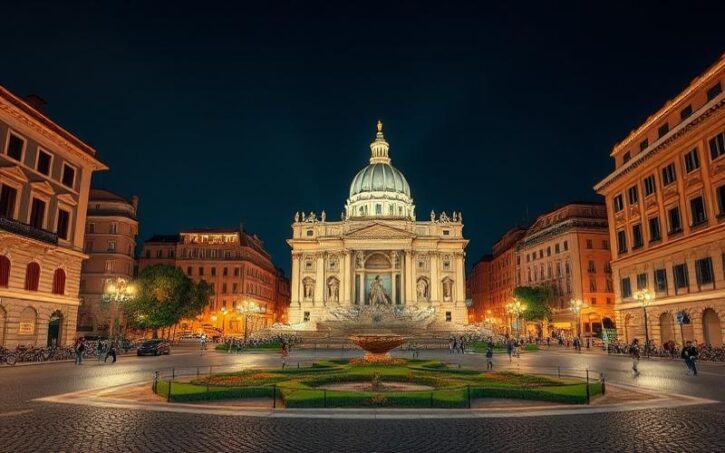
In Rome, don’t miss the Colosseum, a symbol of the power of the Roman Empire, St. Peter’s Basilica in the Vatican, a masterpiece of Baroque architecture, and the Trevi Fountain, a must-visit spot for making a wish. The city is also full of exceptional museums, such as the Vatican Museums, which house the famous Sistine Chapel.
2. Florence: The Cradle of the Renaissance
Florence is a true open-air museum. Don’t miss the Cathedral of Santa Maria del Fiore with its impressive dome, the Ponte Vecchio spanning the Arno, and the Uffizi Gallery, which houses masterpieces by Botticelli, Leonardo da Vinci, and Michelangelo.
3. Venice: La Serenissima
In Venice, let yourself be charmed by St. Mark’s Square and its basilica, the Doge’s Palace, a testament to the city’s past power, and the Rialto Bridge. Don’t hesitate to get lost in the narrow alleyways to discover the authentic charm of the City of Canals.
4. The Amalfi Coast: A Mediterranean Paradise
The Amalfi Coast offers spectacular panoramas of the Tyrrhenian Sea. Don’t miss the charming villages of Positano and Amalfi, as well as the town of Ravello perched on the heights.
How to Get to These Italian Wonders?
Italy has a well-developed transportation network, making it easy to access its main tourist sites:
By plane: The main international airports are in Rome (Fiumicino and Ciampino), Milan (Malpensa and Linate), Venice (Marco Polo), and Florence (Amerigo Vespucci). Many airlines, including low-cost carriers, serve these destinations from the United States.
By train: The Italian railway network is efficient and comfortable. High-speed trains (Frecciarossa, Frecciargento, Frecciabianca) connect the country’s main cities. For shorter trips, opt for regional trains, which are cheaper but slower.
By car: Renting a car is an interesting option for exploring regions less accessible by public transport, such as Tuscany or the Amalfi Coast. However, be aware of the sometimes spirited driving of Italians and the limited traffic zones (ZTL) in historic city centers.
By bus: For budget travelers, long-distance bus companies like Flixbus offer trips between major Italian cities at attractive rates.
Where to Stay for an Unforgettable Trip?
Italy offers a wide range of accommodation options for all budgets and travel styles:
Charming hotels: For an authentic experience, opt for hotels housed in historic buildings. In Florence, the Algila Ortigia Charme Hotel offers an elegant setting in the historic center, while in Rome, the Palazzo Scotto combines old-world charm with modern comfort.
Agriturismo: These farm inns, particularly popular in Tuscany, allow you to stay in the heart of the Italian countryside while enjoying delicious local cuisine. The Manna Resort in Sicily or the Abate Masseria & Resort in Puglia offer a unique experience surrounded by nature.
Vacation rentals: For more independence and space, especially for families, renting an apartment is an excellent option. Platforms like Booking.com offer a wide selection in all regions of Italy.
Camping and glamping: For nature lovers, Italy has many campsites, especially along its coasts. Glamping (luxury camping) is also gaining popularity, offering a compromise between comfort and proximity to nature.
Good to know:
Book your accommodation in advance, especially if you are traveling in peak season (June to September). Prices can rise significantly during this period, particularly in the most touristy destinations.
Tips for a Successful Trip to Italy
Ideal time: Spring (April-May) and autumn (September-October) are the best seasons to visit Italy. The weather is pleasant, and tourist crowds are smaller than in summer.
Local transportation: In major cities, prioritize public transport or walking. In Rome, the Roma Pass offers access to public transport and some museums.
Gastronomy: Taste the local specialties of each region. Italian cuisine varies considerably from the north to the south of the country.
Respect for customs: In churches and places of worship, make sure to dress appropriately (shoulders and knees covered).
Learning the language: A few words of Italian will always be appreciated by locals, even though English is widely spoken in tourist areas.
Italy is a destination that never ceases to amaze, whether through the richness of its heritage, the beauty of its landscapes, or the warmth of its welcome. Each region offers a unique experience, inviting travelers to return again and again to discover new facets of this extraordinary country.
Good to know:
Don’t hesitate to venture off the beaten path. Beyond the must-see tourist sites, Italy is full of picturesque small villages and hidden treasures just waiting to be discovered.

Cyril Jarnias is an independent expert in international wealth management with over 20 years of experience. As an expatriate himself, he is dedicated to helping individuals and business leaders build, protect, and pass on their wealth with complete peace of mind.
On his website, cyriljarnias.com, he shares his expertise on international real estate, offshore company formation, and expatriation.
Thanks to his expertise, he offers sound advice to optimize his clients' wealth management. Cyril Jarnias is also recognized for his appearances in many prestigious media outlets such as BFM Business, les Français de l’étranger, Le Figaro, Les Echos, and Mieux vivre votre argent, where he shares his knowledge and know-how in wealth management.





