
 Published on and written by Cyril Jarnias
The Bahamas, with their white sand beaches, crystal-clear waters, and relaxed atmosphere, attract many expatriates seeking a paradise-like living environment. This archipelago of over 700 islands offers not only an idyllic setting but also attractive tax benefits for foreign residents. If you’re considering moving to The Bahamas, here is a comprehensive guide to help you prepare for your relocation and integrate into your new Caribbean life.
Discover our other articles for a successful relocation to The Bahamas:
Expatriating to the Bahamas is a dream for many French people seeking sunshine, white sandy beaches, and tax advantages. This [...]

The Bahamas, a paradise archipelago nestled in the crystal-clear waters of the Caribbean, is not just a dream destination for [...]
The Bahamas, with its white sand beaches and crystal-clear waters, attracts many expatriates each year seeking sun and a relaxed [...]
The Bahamas, with its white sand beaches and crystal-clear waters, is a true paradise for expats seeking an idyllic island [...]

The Bahamas, a paradise archipelago located in the Caribbean, is not just a dream destination for vacationers. This island nation [...]
The Bahamas, a paradise archipelago located in the Caribbean, attracts many expatriates drawn by its white sand beaches and laid-back [...]

The Bahamas, a paradise archipelago located in the Atlantic Ocean, attracts many expatriates each year seeking sun, fine sandy beaches, [...]
The paradise archipelago of the Bahamas offers much more than its white sand beaches and crystal-clear waters. For expats and [...]
The Bahamas, a dream archipelago nestled in the crystal-clear waters of the Caribbean, offers much more than just white sand [...]
The Bahamas, a paradise archipelago renowned for its white sand beaches and crystal-clear waters, offers much more than just sunny [...]
Moving to the Bahamas is a dream for many, but even in this tropical paradise, homesickness can sometimes creep in. [...]

The Bahamas, a paradise archipelago located in the Atlantic Ocean, is renowned as one of the most attractive tax havens [...]
The Bahamas, a paradise archipelago of over 700 islands, attracts many expatriates each year seeking sun, sandy beaches, and an [...]
The Bahamas, a paradise archipelago located in the Caribbean Sea, attracts many expatriates seeking sun, sandy beaches, and an idyllic [...]
Moving to the Bahamas offers a unique opportunity to build your professional network in a paradise setting. This Caribbean archipelago, [...]
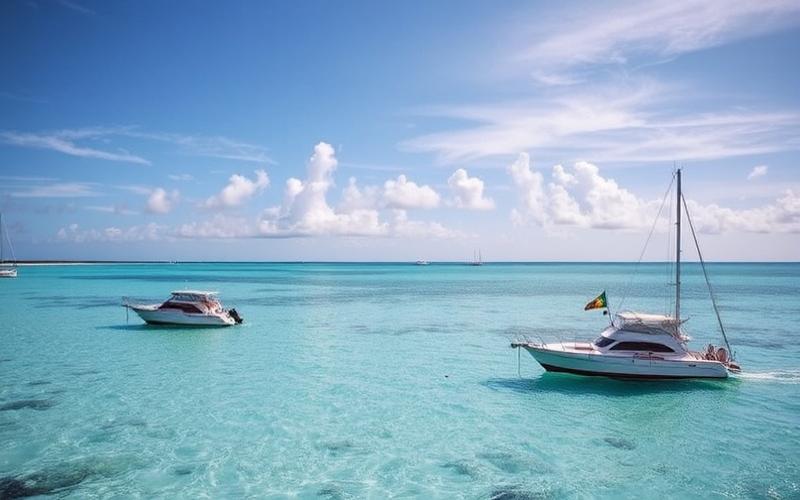
The Bahamas archipelago, with its white sand beaches and crystal-clear waters, is attracting more and more expatriates seeking a paradise [...]
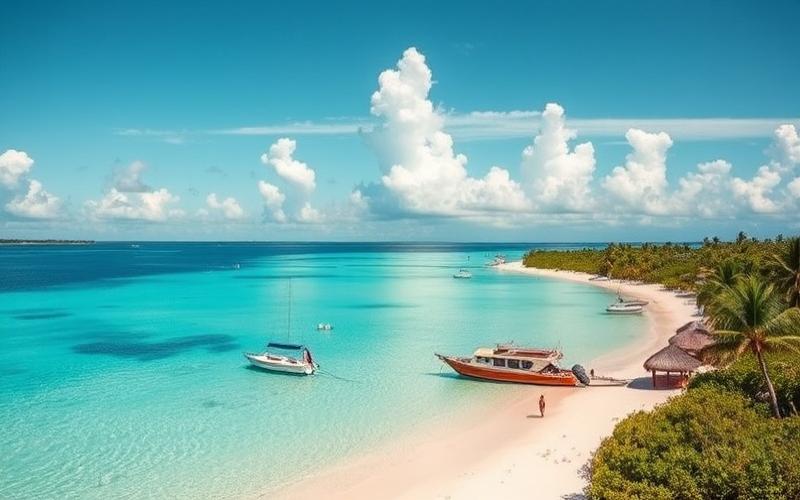
Moving to the Bahamas means choosing to live in a true tropical paradise. This archipelago of over 700 islands offers [...]
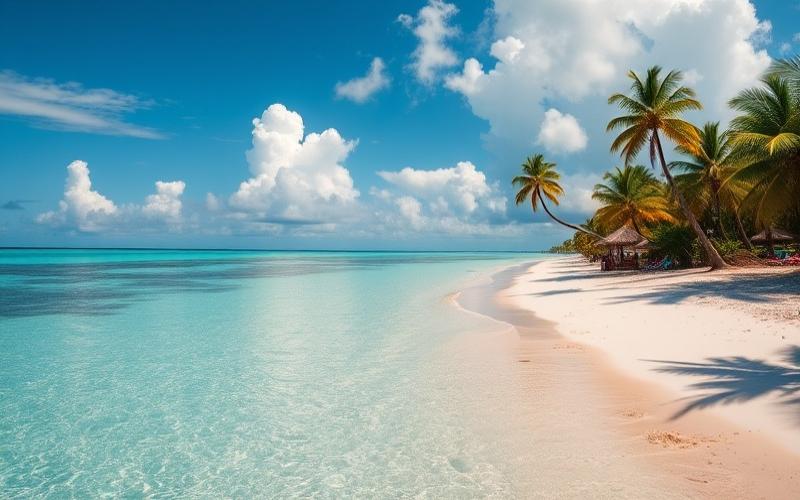
Expatriating to the Bahamas represents a unique opportunity to live in a paradise setting while benefiting from considerable tax advantages. [...]

Moving to the Bahamas with your pet is an exciting adventure that requires careful preparation. This paradise archipelago offers an [...]
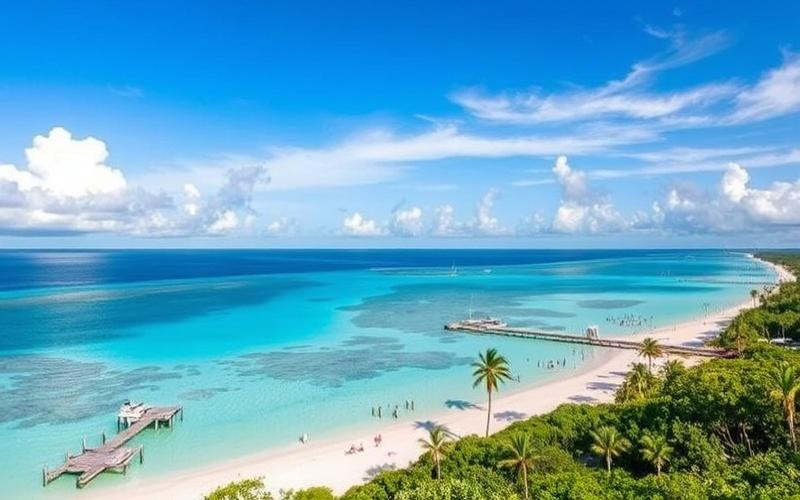
The Bahamas, a paradise archipelago located in the Atlantic Ocean, offers much more than white sand beaches and crystal-clear waters. [...]
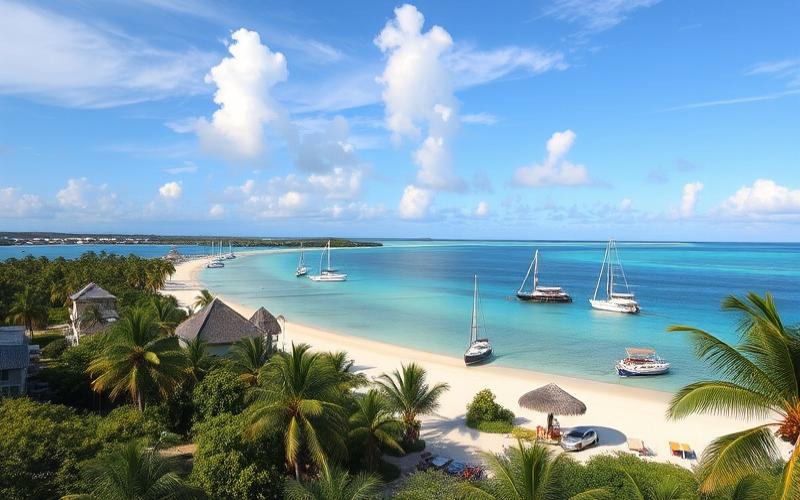
The Bahamas, a paradise archipelago located in the Atlantic Ocean, attracts numerous expatriates each year seeking sun, sandy beaches, and [...]
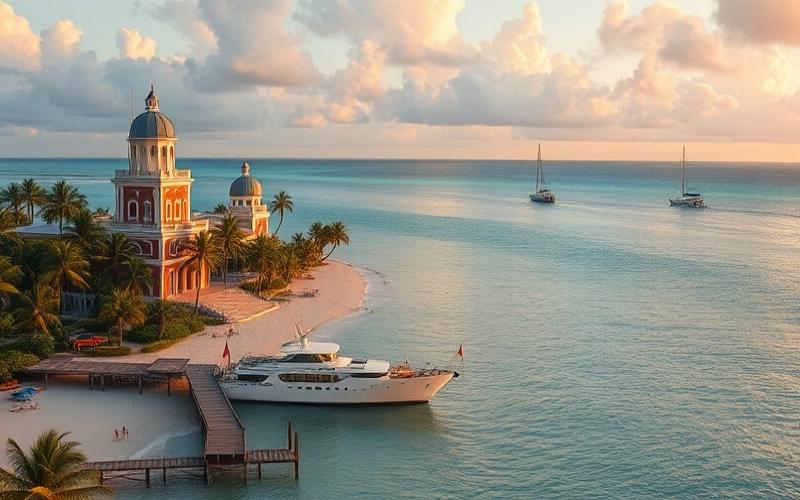
The Bahamas archipelago, with its crystal-clear waters and white sandy beaches, hides a rich and eventful history. From the first [...]
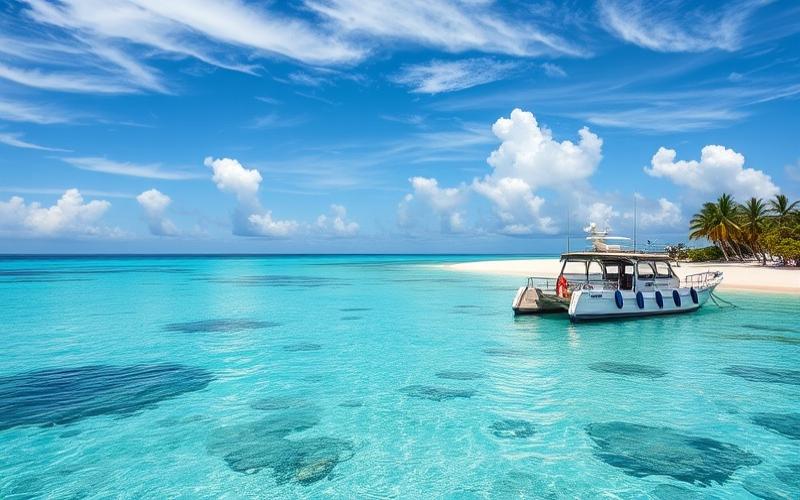
The Bahamas, a paradise archipelago located in the Atlantic Ocean, offers much more than just fine sandy beaches and crystal-clear [...]
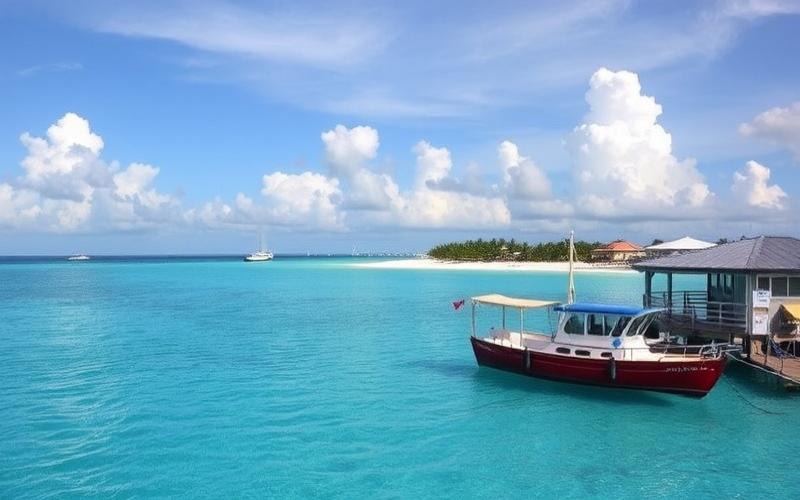
The Bahamas, a paradise archipelago renowned for its white sand beaches and crystal-clear waters, is attracting more and more expatriates [...]
The Bahamas, a paradise archipelago nestled in the crystal-clear waters of the Caribbean, offers far more than dreamy beaches and [...]
Moving to the Bahamas as an expat is an exciting adventure, but to truly integrate and make the most of [...]
The Bahamas, a paradise archipelago in the Atlantic Ocean, offers far more than white sand beaches and crystal-clear waters. This [...]

The Bahamas, with its white sand beaches, crystal-clear waters, and tropical climate, attracts many expatriates each year seeking an idyllic [...]
The Bahamas is a fascinating archipelago located in the Atlantic Ocean, east of Florida and north of Cuba. This island [...]
Prepare Your Departure: Keys to a Successful Relocation to The Bahamas
Before packing your bags for The Bahamas, thorough preparation is essential to ensure a smooth transition to your new island life. Here are the crucial steps not to overlook:
Research life in The Bahamas: Familiarize yourself with the culture, climate, cost of living, and daily life specifics in the archipelago. The Bahamas offer a relaxed lifestyle, but it’s important to understand cultural nuances and potential challenges you might face.
Assess your financial situation: Although The Bahamas are known for their favorable tax regime, the cost of living can be high, particularly in tourist areas. Create a detailed budget accounting for regular expenses, housing, insurance, and potential school fees if you have children.
Organize your important documents: Gather all necessary documents for your relocation, including your passport (valid for at least 6 months), diplomas, birth certificates, marriage certificates, clean criminal record, and bank statements. Make copies and scan them for added security.
Plan your health coverage: Although The Bahamas has a public healthcare system, many expatriates opt for international private health insurance. Research available options and choose coverage that meets your needs.
Learn basic English: English is the official language of The Bahamas. If it’s not your native language, take time to improve your language skills before your departure. This will greatly facilitate your integration and administrative procedures.
Contact the Bahamian embassy: Reach out to the Bahamian embassy or consulate in your country to get the most current information about visa procedures and immigration requirements.
Good to know:
The Bahamas offer a tropical climate year-round, but hurricane season runs from June to November. Prepare accordingly and inform yourself about safety procedures in case of a tropical storm.
First Steps on Bahamian Soil: Essential Procedures for a Good Start
Once you arrive in The Bahamas, several administrative procedures await to formalize your status and begin your new life legally. Here are the key steps to follow:
- Your valid passport
- Proof of sufficient financial resources
- A rental agreement or property title
- A medical certificate attesting to your good health
- A clean criminal record
Register with the French embassy: If you are French, don’t forget to register with the registry of French citizens abroad at the nearest French consulate. This step, although optional, is highly recommended and will allow you to benefit from certain consular services.
Open a local bank account: To facilitate daily transactions and avoid international banking fees, open an account with a Bahamian bank. The main banks in the country are Royal Bank of Canada, Scotiabank, and FirstCaribbean International Bank. You’ll need your passport, residence permit, and proof of local address.
Obtain your tax identification number: Although The Bahamas don’t impose income tax, you’ll need to obtain a tax identification number (NIB – National Insurance Board number) for various administrative procedures and to benefit from public health services.
Regularize your health situation: Register with the national health system and, if you’ve opted for private insurance, make sure it’s active and covers your needs in The Bahamas.
Register your vehicle: If you’ve imported a vehicle or purchased one locally, you must register it with the Road Traffic Department. Remember that driving is on the left in The Bahamas!
Good to know:
The process of obtaining a residence permit can take several weeks, even months. Plan a sufficient budget to cover your expenses during this waiting period and ensure you have all necessary documents to avoid any delays.
Successful Integration: Build Connections with the Bahamian Community
Integrating into your new community is essential to fully enjoy your relocation to The Bahamas. Here are some tips to help you build connections and feel at home:
Participate in local events: The Bahamas are known for their colorful festivals and cultural celebrations. Don’t miss Junkanoo, a vibrant street festival that takes place on Boxing Day and New Year’s Day. Also participate in local celebrations like Bahamas Independence Day (July 10th) to immerse yourself in Bahamian culture.
Join expatriate associations: There are several expatriate groups and associations in The Bahamas, particularly in Nassau and Grand Bahama. These networks can be valuable for getting advice, sharing experiences, and meeting other people in your situation.
Engage in volunteer activities: Volunteering is an excellent way to meet locals and contribute to your host community. Organizations like the Bahamas Red Cross or Bahamas National Trust offer many opportunities to get involved.
Learn Bahamian Creole: Although English is the official language, many Bahamians also speak Bahamian Creole. Learning a few basic expressions can greatly facilitate your daily interactions and show your interest in the local culture.
Explore local cuisine: Bahamian cuisine is rich and varied. Dare to try specialties like conch, johnnycake, or souse. Visit local markets and traditional restaurants to discover new flavors.
Practice water sports: The Bahamas are a paradise for water sports enthusiasts. Whether it’s diving, snorkeling, sailing, or kayaking, these activities are excellent opportunities to meet locals and other expatriates who share the same passions.
Good to know:
Bahamians are generally warm and welcoming toward foreigners. Don’t hesitate to start conversations and show interest in their culture. Your open-mindedness will be greatly appreciated and will facilitate your integration.
Understanding different visa and residence permit options is crucial for your settlement in The Bahamas. Here’s an overview of the main categories and procedures to follow:
Tourist visa: For stays of less than 90 days, most nationalities, including French citizens, don’t need a visa. A valid passport and return ticket are generally sufficient.
Work permit: If you plan to work in The Bahamas, you must obtain a work permit before your arrival. Your employer must apply to the Department of Immigration. The process can take several months and requires many documents, including proof that the position cannot be filled by a Bahamian.
Annual residence permit: For people wishing to reside in The Bahamas without working, this permit is a popular option. It’s typically granted for one year and can be renewed. You’ll need to prove you have sufficient financial resources to support yourself.
Permanent residence permit: After legally residing in The Bahamas for at least 10 years, you can apply for permanent residence. This status allows you to live indefinitely in the country without having to renew your permit.
Economic Permanent Residency: For investors and high-income individuals, this program offers a fast track to permanent residency. It requires a real estate investment of at least 750,000 Bahamian dollars (approximately 680,000 euros) or significant annual income.
To obtain your visa or residence permit, follow these steps:
1. Determine the type of visa or permit that matches your situation. 2. Gather all required documents (passport, photos, bank statements, criminal record, etc.). 3. Submit your application to the Department of Immigration, in person or through a local attorney. 4. Pay the fees associated with your application. 5. Wait for the authorities’ decision (processing time can vary from a few weeks to several months).
Good to know:
Immigration rules can change. It’s recommended to regularly check the official website of The Bahamas Department of Immigration or consult a specialized attorney to get the most up-to-date information.
Finding Your Paradise: The Search for Ideal Housing in The Bahamas
Finding suitable housing is a crucial step in your settlement in The Bahamas. Whether you’re looking for an ocean-view villa or a downtown apartment, here are some tips to guide your search:
Choose your island: The Bahamas have many inhabited islands, each with its own charm. New Providence (where Nassau, the capital, is located) and Grand Bahama are the most developed and offer the widest choice of housing. The Out Islands like Exuma or Eleuthera offer a more tranquil living environment but with fewer infrastructures.
Define your budget: The real estate market in The Bahamas can be expensive, especially in areas popular with tourists and expatriates. Plan a substantial budget, particularly if you’re aiming for waterfront properties.
Rent or buy?: For newcomers, renting is often recommended initially. This allows you to familiarize yourself with different areas before making a long-term commitment. If you’re considering buying, note that non-residents can purchase real estate in The Bahamas without particular restrictions.
Use a local real estate agent: An agent familiar with the local market can save you time and help you navigate the specifics of the Bahamian real estate market. Make sure to choose an agent licensed by the Bahamas Real Estate Association (BREA).
Visit multiple properties: Don’t rush into the first offer. Visit several homes to get a good sense of the market and find the one that best matches your needs and lifestyle.
Check infrastructure: Ensure the property has good access to drinking water, electricity, and internet. In some areas, these services may be less reliable or more expensive.
Consider proximity to essential services: Evaluate the distance to schools (if you have children), medical centers, shops, and your potential workplace.
Read the contract carefully: Before signing a lease or purchase agreement, have it reviewed by a local attorney to ensure all terms are clear and comply with Bahamian legislation.
Good to know:
Real estate prices in The Bahamas are generally indicated in Bahamian dollars (BSD), which have a fixed parity with the US dollar (1 BSD = 1 USD). Account for additional fees like condominium charges, property taxes, and insurance in your budget.
Renewal and Maintenance of Your Legal Status: Stay on Course with Your Life in The Bahamas
Once settled in The Bahamas, it’s crucial to keep your legal status up to date. Here are the essential points to remember for renewing your residence permit or visa:
Anticipate deadlines: Start the renewal process at least 2-3 months before your current permit expires. Processing times can be long, and it’s best to avoid any legal gaps in your status.
- Your valid passport
- Your current residence permit
- Recent identification photos
- Proof of financial resources
- Proof of address in The Bahamas
- An updated medical certificate
Check for regulatory changes: Laws and procedures can evolve. Consult the official Department of Immigration website or a specialized attorney to ensure you meet all current requirements.
Pay renewal fees: Make sure you have the necessary funds to cover renewal fees, which can vary depending on the type of permit.
Update your information: If you’ve changed your address, job, or family situation, inform the authorities during renewal.
Keep track of your entries and exits: For certain types of permits, you may need to prove you’ve spent a certain amount of time in The Bahamas. Keep a record of your travels.
Good to know:
If you plan to apply for permanent residence in the future, each successful renewal of your temporary permit strengthens your case. Ensure you always comply with your visa conditions to facilitate future procedures.
As an expatriate in The Bahamas, it’s essential to understand your rights and obligations to ensure a positive and legally compliant experience. Here’s an overview of the main regulations to know:
Labor law: If you work in The Bahamas, you’re subject to local labor law. This includes provisions on working hours, paid leave, and termination conditions. Employers must obtain work permits for their foreign employees, demonstrating that no qualified Bahamian is available for the position.
Taxation: The Bahamas are known for their favorable tax regime. There’s no income tax, capital gains tax, or inheritance tax. However, make sure you understand your tax obligations in your home country, as some countries tax their citizens on worldwide income.
Real estate ownership: Non-residents can purchase real estate in The Bahamas without particular restrictions. However, for purchases over 2 acres or for commercial use, approval from the Investments Board is required.
Social security and health: Expatriates working legally in The Bahamas must contribute to the National Insurance Board (NIB), which provides basic coverage for health and retirement. However, many expatriates choose to take out complementary private health insurance.
Automobile driving: Expatriates can drive with their international driver’s license for 3 months. Beyond that, you must obtain a Bahamian driver’s license. Remember that driving is on the left!
Children’s education: Expatriate children can attend public or private schools. For international private schools, authorization from the Ministry of Education may be necessary.
Importing personal belongings: Permanent residents benefit from customs duty exemptions for importing their personal effects. For other resident categories, taxes may apply.
Respect local traditions: Although The Bahamas are a popular tourist destination, it’s important to respect local customs and sensitivities, particularly regarding dress code in public places and behavior.
Good to know:
Laws and regulations can change. It’s recommended to regularly consult official Bahamian government websites or consult a local attorney to get the most up-to-date information about your rights and obligations as an expatriate.
Relocating to The Bahamas as an expatriate offers a unique opportunity to live in a paradise-like setting while benefiting from attractive tax advantages. However, like any relocation, it requires thorough preparation and a good understanding of local realities. By following this guide and remaining open to Bahamian culture, you’ll be able to fully enjoy your new life in this enchanting archipelago.
Remember that every expatriate experience is unique. Take time to immerse yourself in the local culture, build connections with the Bahamian community, and explore the natural wonders the islands have to offer. With patience, open-mindedness, and good preparation, your Bahamian adventure promises to be a rewarding and unforgettable experience.
Disclaimer: The information provided on this website is for informational purposes only and does not constitute financial, legal, or professional advice. We encourage you to consult qualified experts before making any investment, real estate, or expatriation decisions. Although we strive to maintain up-to-date and accurate information, we do not guarantee the completeness, accuracy, or timeliness of the proposed content. As investment and expatriation involve risks, we disclaim any liability for potential losses or damages arising from the use of this site. Your use of this site confirms your acceptance of these terms and your understanding of the associated risks.

Cyril Jarnias is an independent expert in international wealth management with over 20 years of experience. As an expatriate himself, he is dedicated to helping individuals and business leaders build, protect, and pass on their wealth with complete peace of mind.
On his website, cyriljarnias.com, he shares his expertise on international real estate, offshore company formation, and expatriation.
Thanks to his expertise, he offers sound advice to optimize his clients' wealth management. Cyril Jarnias is also recognized for his appearances in many prestigious media outlets such as BFM Business, les Français de l’étranger, Le Figaro, Les Echos, and Mieux vivre votre argent, where he shares his knowledge and know-how in wealth management.





