
 Published on and written by Cyril Jarnias
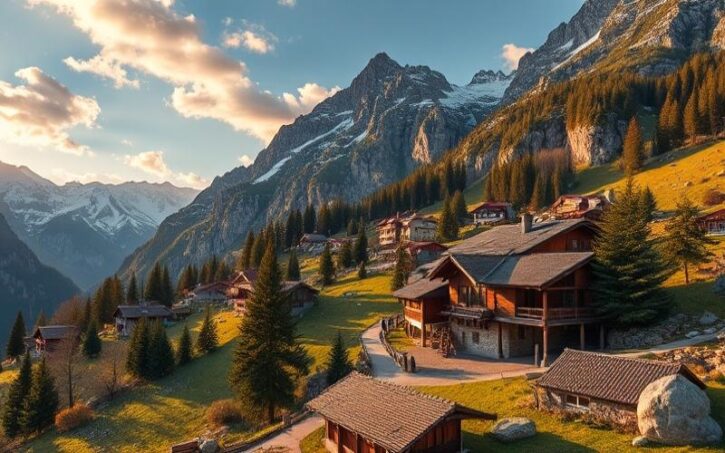
Switzerland, a country nestled in the heart of Europe, offers breathtaking landscapes and unique experiences for travelers from around the world. From the majestic peaks of the Alps to crystal-clear lakes, historic cities, and picturesque villages, Switzerland is full of treasures to discover. In this article, we present the must-see tourist attractions of this enchanting country, along with practical tips for organizing your stay.
The Alpine Gems: An Immersion in Swiss Nature
The Swiss Alps are undoubtedly the country’s main attraction. They offer spectacular panoramas and activities for all tastes, whether in summer or winter. Among the most iconic peaks are:
- The Matterhorn: Located in Zermatt, this pyramidal peak is one of Switzerland’s symbols. Its ascent is reserved for experienced climbers, but all visitors can admire its majestic silhouette from the village or by taking the cogwheel train to the Gornergrat.
- The Jungfrau: Nicknamed the “Top of Europe,” this mountain is part of the Eiger-Mönch-Jungfrau trio in the Bernese Oberland. The Jungfraujoch, located at 3,454 meters above sea level, is accessible by train and offers a breathtaking view of the Aletsch Glacier.
- Mount Pilatus: Dominating the city of Lucerne, this legendary mountain is accessible via the steepest cogwheel train in the world or a spectacular panoramic cable car.
These peaks offer not only breathtaking views but also a multitude of activities: hiking, skiing, snowboarding, paragliding, or simply contemplating nature in all its splendor. The main drawback is the high cost of ski lifts and high-altitude accommodations, but the experience is well worth the investment.
To get there, the Swiss railway network is particularly efficient and scenic. Panoramic trains like the Glacier Express or the Golden Pass offer unforgettable journeys through the Alps. If you prefer driving, the mountain roads are well-maintained but can be winding and sometimes closed in winter.
Good to Know:
The Swiss Travel Pass offers unlimited access to Swiss public transport, including some mountain trains, and discounts on many ski lifts. It’s an option to consider for optimizing your budget and time.
The Lake Gems: A Refreshing Break
Swiss lakes, with their crystal-clear waters and picturesque shores, are havens of peace and beauty. Among the most remarkable are:
- Lake Geneva: The largest lake in Western Europe offers an idyllic setting, bordered by terraced vineyards and charming towns like Montreux and Lausanne.
- Lake Lucerne: Surrounded by mountains, this lake with its complex shape is the historical heart of Switzerland. A steamboat cruise is a must to admire the landscapes and lakeside villages.
- Lake Lugano: Located in Ticino, the Italian-speaking part of Switzerland, this lake offers a unique Mediterranean atmosphere with its palm trees and colorful villages.
These lakes are perfect for swimming in summer, water sports, or simply a relaxing stroll along the shores. Many hotels and restaurants with lake views offer a quality gastronomic experience and accommodation, though often at high prices.
Access to these lakes is generally easy via public transport, with regular train connections and boat services. For more flexibility, renting a car can be considered, but be aware of sometimes limited parking in small lakeside towns.
Good to Know:
Many free public beaches are available around Swiss lakes. It’s an excellent option for enjoying the water without breaking the bank at private establishments.
The Historic Cities: A Journey Through Time
Swiss cities, blending medieval history and modernity, offer a rich and varied cultural experience. Here are some must-sees:
- Bern: The federal capital, with its UNESCO World Heritage old town, arcades, and bear pit, is a true medieval gem.
- Lucerne: Famous for its Chapel Bridge and idyllic location on the lake, Lucerne is a romantic city par excellence.
- Zurich: Switzerland’s largest city combines economic dynamism, a vibrant cultural scene, and historic charm with its well-preserved old town.
These cities offer a multitude of museums, art galleries, shops, and gourmet restaurants. The advantage is the concentration of many points of interest in compact, pedestrian-friendly city centers. The drawback can be the crowds, especially in high season, and the high prices of accommodations in the city center.
For getting around between these cities, the train remains the most practical and eco-friendly means. Train stations are generally located in the heart of the cities, making it easy to access the main tourist sites. For accommodation, besides traditional hotels, consider hostels, which often offer excellent value for money, even for older travelers.
Good to Know:
Many Swiss cities offer city cards that include public transport and entry to several museums and attractions. It’s an interesting option for short stays.
The Picturesque Villages: The Authentic Soul of Switzerland
To discover the very essence of Switzerland, nothing beats a visit to its charming alpine and rural villages. Among the most beautiful are:
- Grindelwald: Nestled at the foot of the Eiger, this village in the Bernese Oberland is a paradise for winter sports enthusiasts and summer hikers.
- Zermatt: This car-free village at the foot of the Matterhorn offers a unique atmosphere, blending traditional chalets and luxury boutiques.
- Appenzell: With its colorful houses and living traditions, this village in eastern Switzerland is a true journey back in time.
These villages offer an immersion in authentic Swiss culture, with their traditional festivals, local crafts, and regional cuisine. The advantage is the warm atmosphere and direct access to the surrounding nature. The drawback can be the lack of activities in the low season and sometimes limited accommodation options.
To get there, Swiss public transport serves even the most remote villages remarkably well. However, a car can offer more flexibility for exploring the surroundings. In terms of accommodation, rural cottages and bed and breakfasts are often charming and affordable options for an authentic local experience.
Good to Know:
Many Swiss villages organize weekly markets where you can taste and buy local products. It’s a great way to discover regional cuisine and bring back authentic souvenirs.
Accommodation in Switzerland: Options for Every Budget
Switzerland offers a wide range of accommodations for all tastes and budgets. Here are some options to consider:
- Hotels: From rustic mountain inns to five-star palaces, Switzerland has a vast choice of hotels. Prices can be high, especially in big cities and ski resorts, but quality is generally guaranteed.
- Vacation Apartments: A popular option, particularly for longer stays or families. They offer more space and the ability to cook, which can help reduce costs.
- Hostels: Switzerland has an excellent network of hostels, often located in scenic spots. They offer affordable accommodations and are open to everyone, not just young people.
- Camping: For nature lovers, camping is an economical option. Many Swiss campsites offer pitches in beautiful settings with quality facilities.
To find the best value for money, it is recommended to book in advance, especially for stays in high season. Online booking platforms make it easy to compare prices and traveler reviews. Feel free to contact establishments directly, as they sometimes offer special deals not available on booking sites.
It is important to note that accommodation prices in Switzerland can be high compared to other European destinations. However, the quality of services and facilities is generally excellent. To save money, consider staying in less touristy towns or villages, or opt for accommodations slightly outside city centers.
Good to Know:
Some hotels and ski resorts offer packages that include accommodation and ski lifts or other activities. These deals can represent substantial savings, especially for family stays.
Practical Tips for Your Trip to Switzerland
To make the most of your stay in Switzerland, here are some useful tips:
- Travel Period: Switzerland is beautiful year-round, but each season has its advantages. Summer (June to August) is ideal for hiking and lake activities, while winter (December to March) is perfect for winter sports. Spring and fall offer beautiful landscapes and often more favorable rates.
- Transport: Investing in a Swiss Travel Pass can be economical if you plan to travel a lot. It offers unlimited access to trains, buses, and boats, as well as free entry to many museums.
- Language: Switzerland has four official languages (German, French, Italian, and Romansh), but English is widely spoken in tourist areas.
- Currency: Although Switzerland is not part of the European Union, many establishments accept euros, but often at an unfavorable exchange rate. It is better to use Swiss francs.
- Insurance: Check that your travel insurance covers mountain activities if you plan to ski or hike.
Remember that Switzerland is a relatively expensive country, but the quality of services and infrastructure often justifies the prices. Plan your budget accordingly and don’t hesitate to take advantage of the many free activities, such as hiking or swimming in the lakes.
Finally, respect the environment and local customs. Switzerland is proud of its preserved nature and cleanliness; help maintain this quality by being a responsible traveler.
Good to Know:
Many Swiss cities and regions offer free guest cards to visitors staying in local accommodations. These cards often provide access to free public transport and discounts on local attractions.
Switzerland, with its breathtaking landscapes, historic cities, and rich culture, offers a unique travel experience. Whether you are a nature lover, history buff, foodie, or simply seeking a complete change of scenery, you will find what you are looking for in this small country in the heart of Europe. Plan your trip well, be open to encounters and local experiences, and you will leave with unforgettable memories of your stay in Switzerland.
Disclaimer: The information provided on this website is for informational purposes only and does not constitute financial, legal, or professional advice. We encourage you to consult qualified experts before making any investment, real estate, or expatriation decisions. Although we strive to maintain up-to-date and accurate information, we do not guarantee the completeness, accuracy, or timeliness of the proposed content. As investment and expatriation involve risks, we disclaim any liability for potential losses or damages arising from the use of this site. Your use of this site confirms your acceptance of these terms and your understanding of the associated risks.

Cyril Jarnias is an independent expert in international wealth management with over 20 years of experience. As an expatriate himself, he is dedicated to helping individuals and business leaders build, protect, and pass on their wealth with complete peace of mind.
On his website, cyriljarnias.com, he shares his expertise on international real estate, offshore company formation, and expatriation.
Thanks to his expertise, he offers sound advice to optimize his clients' wealth management. Cyril Jarnias is also recognized for his appearances in many prestigious media outlets such as BFM Business, les Français de l’étranger, Le Figaro, Les Echos, and Mieux vivre votre argent, where he shares his knowledge and know-how in wealth management.





