
 Published on and written by Cyril Jarnias
Expatriation to Switzerland is an experience that attracts many professionals and families from around the world. This small country in the heart of Europe offers a unique blend of economic stability, high quality of life, and breathtaking landscapes. However, like any expatriation, settling in Switzerland comes with its own set of advantages and challenges. In this article, we will explore in detail what it means to become an expatriate in Switzerland, examining the economic opportunities, cultural challenges, and personal impact of this major life decision.
A Robust Economy: The Promise of Financial Stability
Switzerland is renowned for its economic strength and financial stability. This non-European Union country has managed to maintain a thriving economy, even during periods of global turbulence. For expatriates, this translates into many tangible benefits.
First and foremost, salaries in Switzerland are among the highest in the world. According to data from the Swiss Federal Statistical Office, the median salary in Switzerland was around 6,665 Swiss francs per month in 2024, equivalent to over 6,900 euros. This level of compensation, combined with a historically low unemployment rate (2.1% in January 2025), offers expatriates appreciable financial security.
Furthermore, the Swiss tax system is generally considered advantageous for individuals and businesses. Although rates vary by canton, overall taxation remains competitive compared to many European countries. For example, the canton of Zug, known for its attractive tax policies, applies a maximum effective tax rate of around 22% for individuals, which is significantly lower than neighboring countries like France or Germany.
The Swiss job market is also very dynamic, offering numerous opportunities in cutting-edge sectors. The pharmaceutical, financial, and technology industries are particularly thriving. International companies like Novartis, UBS, and Nestlé are headquartered in Switzerland, attracting talent from around the world. For skilled expatriates, this means interesting career prospects and the chance to work in a high-level international environment.
Good to know :
Switzerland offers some of the highest salaries in the world, a favorable tax system, and a dynamic job market, particularly in the finance, pharmaceutical, and technology sectors.
Despite its many economic advantages, expatriating to Switzerland is not just a simple financial equation. The country presents a complex cultural landscape that can be disorienting for newcomers.
Switzerland is a quadrilingual country, with German, French, Italian, and Romansh as official languages. This linguistic diversity, while enriching, can be an initial obstacle for expatriates. In the German-speaking part, which accounts for about 63% of the population, the situation is further complicated by the use of Swiss German in daily life, a dialect very different from the standard German taught in language schools.
Social integration can also prove challenging. Swiss people are generally perceived as reserved, and it can take time to build deep relationships. This cultural characteristic is often cited by expatriates as one of the most difficult aspects of their settlement. According to a survey conducted by InterNations in 2024, Switzerland ranked 43rd out of 50 countries in terms of ease of making friends for expatriates.
Moreover, Switzerland has very strict social norms and community living rules. Respect for quiet hours, punctuality, and waste sorting are aspects of daily life taken very seriously. For expatriates from more laid-back cultures, this rigor can seem excessive at first.
The Swiss administrative system, while efficient, can also be complex for newcomers. Obtaining a work permit, registering with local authorities, or finding housing often requires a good understanding of local procedures. For example, to rent an apartment, it is common to have to provide significant financial guarantees and go through a rigorous selection process.
Good to know :
Integration in Switzerland can be complex due to linguistic diversity, strict social norms, and an elaborate administrative system. Patience and open-mindedness are essential to overcome these cultural challenges.
An Exceptional Quality of Life: The Personal Impact of Expatriation in Switzerland
Beyond economic considerations and cultural challenges, expatriation in Switzerland offers an exceptional quality of life that can have a profound impact on personal and family well-being.
Switzerland regularly ranks among the countries offering the best quality of life in the world. In 2024, Mercer’s Global Quality of Living Ranking placed Zurich and Geneva at 2nd and 9th place globally, respectively. This recognition is based on several key factors:
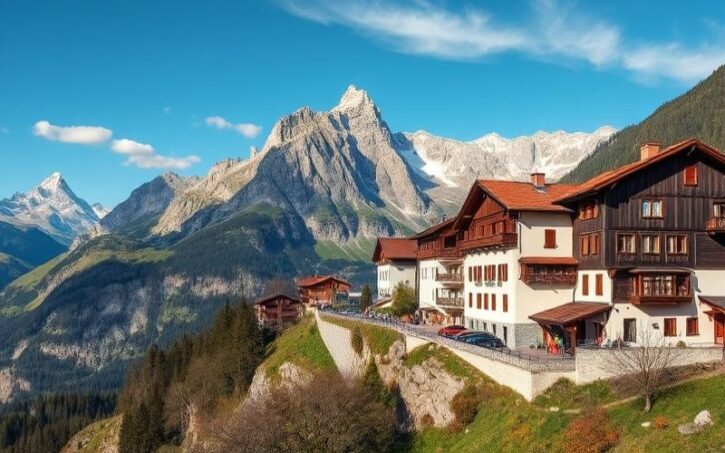
- An exceptional natural environment: The Swiss Alps, crystal-clear lakes, and picturesque towns offer a unique living environment. Opportunities for outdoor leisure are endless, whether for skiing in winter or hiking in summer.
- A top-tier healthcare system: Switzerland has one of the best healthcare systems in the world, with modern infrastructure and quick access to care.
- Quality education: Swiss public schools are renowned for their excellence, and the country is also home to many prestigious international schools.
- An efficient transportation network: Swiss public transport is known for its punctuality and extensive coverage of the territory.
- High safety: Switzerland is one of the safest countries in the world, with a very low crime rate.
For many expatriates, this quality of life translates into a better work-life balance. Swiss companies generally place great importance on employee well-being, with reasonable working hours and generous leave policies. For example, the standard workweek is 40 to 42 hours, and employees receive at least 4 weeks of paid vacation per year.
Expatriation in Switzerland can also offer unique opportunities for personal and professional development. The country is home to many world-renowned academic institutions, such as the Swiss Federal Institute of Technology Zurich (ETH Zurich) or the Graduate Institute of International and Development Studies in Geneva. For expatriates and their children, this means opportunities for high-level continuing education and training.
However, it is important to note that this quality of life comes at a cost. The cost of living in Switzerland is one of the highest in the world. According to the Expatistan index for 2025, Zurich and Geneva are among the 5 most expensive cities in the world. Expenses related to housing, food, and insurance can represent a significant portion of expatriates’ budgets, especially in large cities.
Good to know :
Switzerland offers an exceptional quality of life with a beautiful natural environment, top-tier healthcare and education systems, and an excellent work-life balance. However, this standard of living comes with a high cost, particularly in major cities.
Professional Prospects: A Springboard for an International Career
Expatriation in Switzerland can prove to be a real career accelerator for many professionals. The country is an international hub for many sectors of activity, offering unique opportunities for professional development.
Switzerland is home to the headquarters of many international organizations, such as the United Nations in Geneva, the World Trade Organization (WTO), and the International Committee of the Red Cross (ICRC). For professionals interested in a career in international relations or humanitarian aid, these institutions offer unparalleled opportunities.
In the private sector, Switzerland is recognized as a center of excellence in several fields:
- Finance and banking: With institutions like UBS, Credit Suisse, and the Bank for International Settlements (BIS), Switzerland remains a major player in global finance.
- Pharmaceutical and biotechnology industry: Giants like Novartis and Roche make Switzerland a leader in this field.
- Luxury watchmaking: With brands like Rolex, Omega, and Patek Philippe, Switzerland dominates this niche sector.
- Advanced technologies: The country invests heavily in innovation, particularly in the fields of artificial intelligence and blockchain.
Working in these sectors in Switzerland can offer valuable international exposure and unique networking opportunities. Furthermore, professional experience gained in Switzerland is generally highly valued on the international job market.
However, it is important to note that the Swiss job market can be very competitive, especially for high-level positions. Proficiency in local languages (German or French depending on the region) is often a major asset, or even a necessity for some positions.
For entrepreneurs, Switzerland also offers a favorable environment for starting a business. The country regularly ranks among the best in the world in terms of competitiveness and innovation. The Global Innovation Index 2024 placed Switzerland at the top of its ranking for the 13th consecutive year. Start-ups benefit from a dynamic ecosystem, with numerous incubators, diverse sources of funding, and a favorable regulatory framework.
Good to know :
Switzerland offers high-level professional opportunities in key sectors such as finance, pharmaceuticals, and international organizations. Experience gained in Switzerland is highly valued internationally, but the job market can be competitive and demanding in terms of language skills.
Although Switzerland is known for its efficiency and organization, expatriates may face certain practical challenges in their daily lives. Understanding and overcoming these obstacles is essential for successful integration.
Housing is often cited as one of the main challenges for expatriates in Switzerland. In major cities like Zurich, Geneva, or Basel, the real estate market is very tight, with extremely low vacancy rates. In 2024, the vacancy rate for housing in Switzerland was only 1.31%, reaching as low as 0.41% in Geneva. This situation results in high competition for rentals and high prices. Expatriates often have to provide significant financial guarantees (up to three months’ rent in advance) and go through a rigorous selection process to secure housing.
Health insurance is another important aspect to consider. In Switzerland, health insurance is mandatory for all residents, including expatriates. The Swiss healthcare system is excellent, but also one of the most expensive in the world. Insurance premiums can represent a significant portion of the monthly budget, especially for families. In 2024, the average health insurance premium in Switzerland was around 315 Swiss francs per month for an adult.
Schooling for children can also pose challenges. Although the Swiss public education system is of high quality, the language barrier can be an obstacle for expatriate children, especially in German-speaking regions. Many families opt for international schools, which offer programs in English or bilingual programs, but these institutions are often costly. Tuition fees at an international school in Switzerland can easily exceed 30,000 Swiss francs per year.
Adapting to the Swiss pace of life can also surprise some expatriates. Store opening hours are generally more restricted than elsewhere, with many shops closing early in the evening and on Sundays. This organization may require some planning in daily life.
Finally, Swiss bureaucracy, while efficient, can seem complex for newcomers. Obtaining residence and work permits, registering with local authorities, or opening a bank account often require numerous steps and documents. It is advisable for expatriates to research these procedures in detail before their arrival and allow sufficient time to complete them.
Good to know :
The main practical challenges for expatriates in Switzerland include finding housing in a tight market, the high costs of mandatory health insurance, schooling for children, adapting to local hours, and navigating bureaucracy. Good preparation and patience are essential to overcome these obstacles.
Conclusion: Weighing the Pros and Cons of Expatriation in Switzerland
Expatriation in Switzerland offers a unique combination of professional opportunities, high quality of life, and economic stability. Attractive salaries, an exceptional natural setting, and exposure to an international environment make Switzerland a top destination for many expatriates.
However, these advantages come with significant challenges. The high cost of living, linguistic and cultural barriers, and administrative complexity can make integration difficult, especially in the early stages.
The key to a successful expatriation in Switzerland lies in careful preparation and an open attitude. It is essential to thoroughly research the practical aspects of life in Switzerland, be ready to adapt to new cultural norms, and make efforts to integrate into the local community.
For those willing to take on these challenges, expatriation in Switzerland can offer a rewarding life experience and unique opportunities for personal and professional growth. Switzerland remains a country that attracts talent from around the world, offering a rare blend of modernity, tradition, and quality of life.
Good to know :
Expatriation in Switzerland offers many advantages in terms of quality of life and professional opportunities, but it requires good preparation to overcome challenges related to the cost of living, cultural integration, and administrative aspects. An open and patient approach is the key to success.
Disclaimer: The information provided on this website is for informational purposes only and does not constitute financial, legal, or professional advice. We encourage you to consult qualified experts before making any investment, real estate, or expatriation decisions. Although we strive to maintain up-to-date and accurate information, we do not guarantee the completeness, accuracy, or timeliness of the proposed content. As investment and expatriation involve risks, we disclaim any liability for potential losses or damages arising from the use of this site. Your use of this site confirms your acceptance of these terms and your understanding of the associated risks.

Cyril Jarnias is an independent expert in international wealth management with over 20 years of experience. As an expatriate himself, he is dedicated to helping individuals and business leaders build, protect, and pass on their wealth with complete peace of mind.
On his website, cyriljarnias.com, he shares his expertise on international real estate, offshore company formation, and expatriation.
Thanks to his expertise, he offers sound advice to optimize his clients' wealth management. Cyril Jarnias is also recognized for his appearances in many prestigious media outlets such as BFM Business, les Français de l’étranger, Le Figaro, Les Echos, and Mieux vivre votre argent, where he shares his knowledge and know-how in wealth management.





