

 Published on and written by Cyril Jarnias
Switzerland, a country renowned for its exceptional quality of life, attracts numerous expatriates from around the world each year. With its breathtaking landscapes, robust economy, and top-tier education system, the Swiss Confederation offers unique opportunities for those wishing to settle there. However, moving to Switzerland requires meticulous preparation and knowledge of specific administrative procedures. This comprehensive guide will walk you step by step through your Swiss relocation project, covering all essential aspects, from pre-departure preparation to integration into your new community.
Discover other useful tips for living in Switzerland as an expatriate:
Expatriation to Switzerland is an experience that attracts many professionals and families from around the world. This small country in [...]
Switzerland, a country renowned for its exceptional quality of life and attractive salaries, draws many expatriates each year seeking new [...]

Switzerland, with its spectacular landscapes and commitment to a healthy lifestyle, offers an ideal playground for sports enthusiasts. Whether you [...]

Switzerland, renowned for its quality of life and professional opportunities, attracts many expatriates each year. However, its complex tax system [...]

Switzerland, a country renowned for its breathtaking alpine landscapes, exceptional quality of life, and thriving economy, attracts many expatriates each [...]
Switzerland, a country renowned for its breathtaking alpine landscapes and exceptional quality of life, is also a true paradise for [...]

Moving to Switzerland as an expat is an exceptional opportunity to discover a multifaceted country, both culturally and linguistically. Switzerland, [...]
Moving to Switzerland as an expat is an exceptional opportunity for professional and personal growth. However, to fully benefit from [...]

Real estate investment in Switzerland represents an attractive opportunity for expatriates seeking financial stability and an exceptional quality of life. [...]
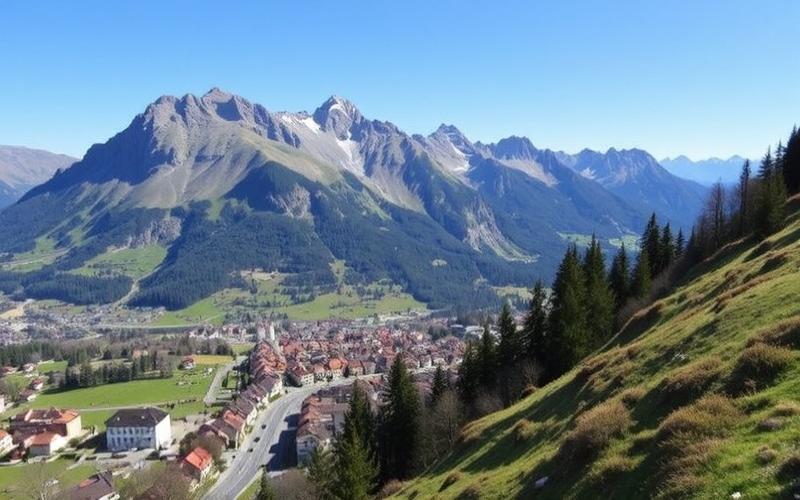
Switzerland, a country renowned for its majestic alpine landscapes and varied climate, offers a unique experience for expatriates who choose [...]

Switzerland, renowned for the excellence of its education system, attracts many international students each year. Whether you are an adult [...]

Expatriating to Switzerland is an exciting opportunity, but it also comes with specific financial challenges. For expats, effectively managing their [...]

Expatriation is an exciting adventure, but it can become a real challenge when it comes to bringing our faithful four-legged [...]

Switzerland, a country renowned for its neutrality and multiculturalism, offers a diverse religious landscape that can surprise expatriates upon their [...]
Entrepreneurship abroad represents an exciting opportunity for expatriates eager to embark on an entrepreneurial adventure. Switzerland, with its economic stability, [...]
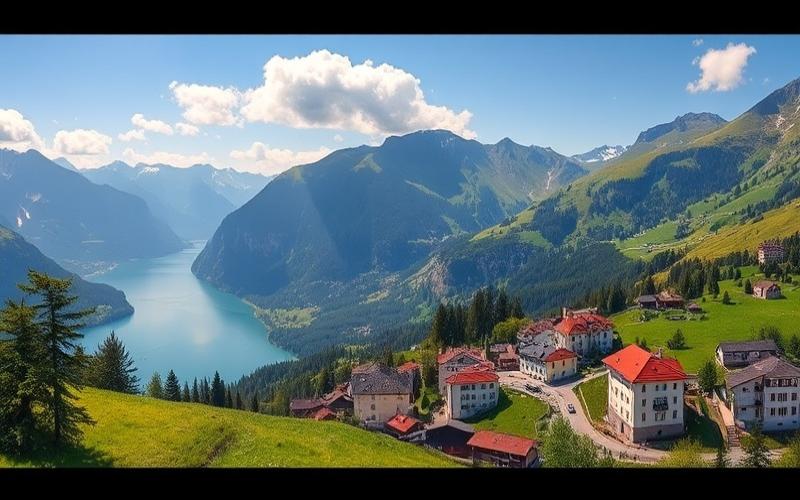

Switzerland, a country located in the heart of Western Europe, offers a fascinating and diverse geography. With its spectacular alpine [...]
Switzerland, a country renowned for its exceptional quality of life, economic stability, and breathtaking landscapes, attracts many expatriates from around [...]

Switzerland, a country renowned for its exceptional quality of life, attracts numerous expatriates each year seeking professional opportunities and an [...]

Switzerland is renowned for its exceptional public transportation network, combining efficiency, punctuality, and comfort. For expatriates settling in this Alpine [...]

Switzerland, renowned for its academic excellence and exceptional quality of life, attracts many expatriate families seeking a top-tier education for [...]

Switzerland, with its exceptional quality of life, robust economy, and breathtaking landscapes, attracts many expatriates each year seeking a fresh [...]

Switzerland, renowned for its exceptional quality of life, attracts many expatriates each year. Among the numerous advantages this Alpine country [...]
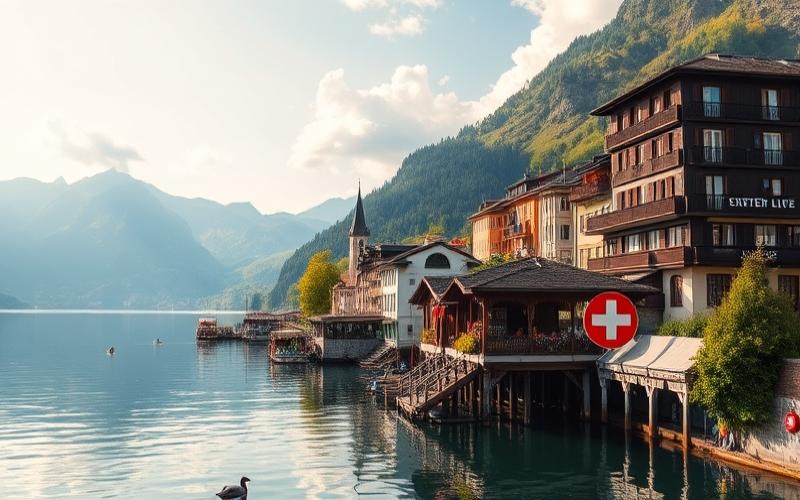
Switzerland, renowned for its exceptional quality of life and political stability, attracts many expatriates from around the world each year. [...]
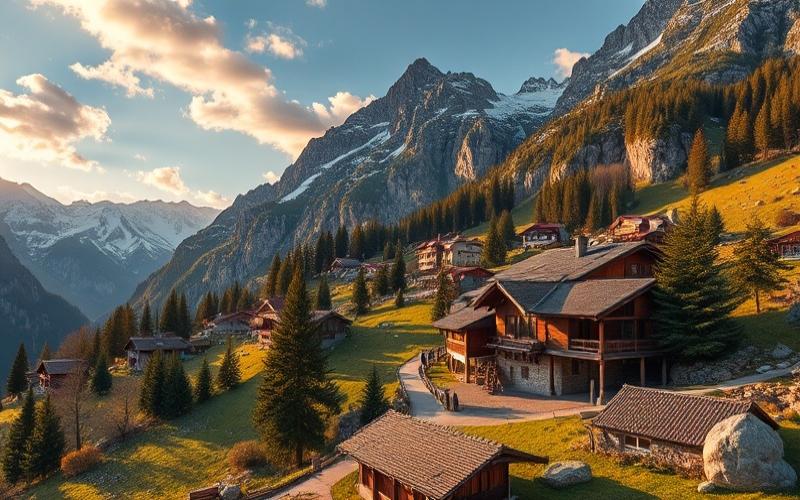
Switzerland, a country nestled in the heart of Europe, offers breathtaking landscapes and unique experiences for travelers from around the [...]

Switzerland, renowned for its alpine landscapes and chocolate, also hides a vibrant and diverse nightlife. Whether you’re a newly arrived [...]
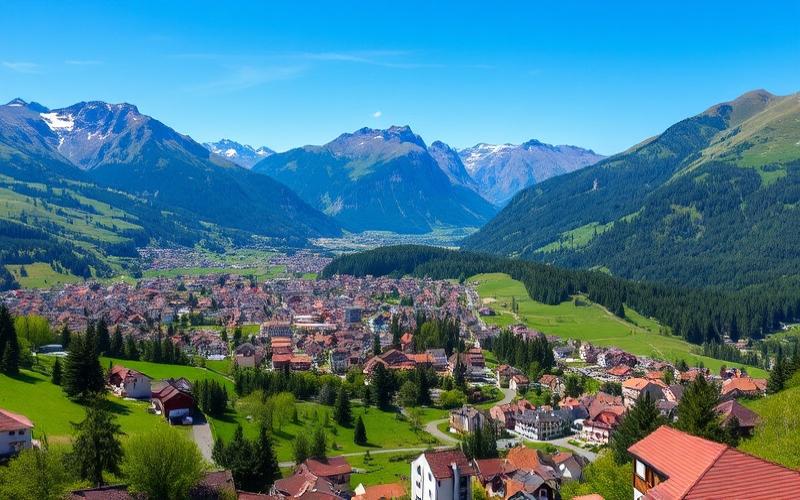
Homesickness is a common emotion many expats experience when settling into a new country. Switzerland, despite its beauty and exceptional [...]
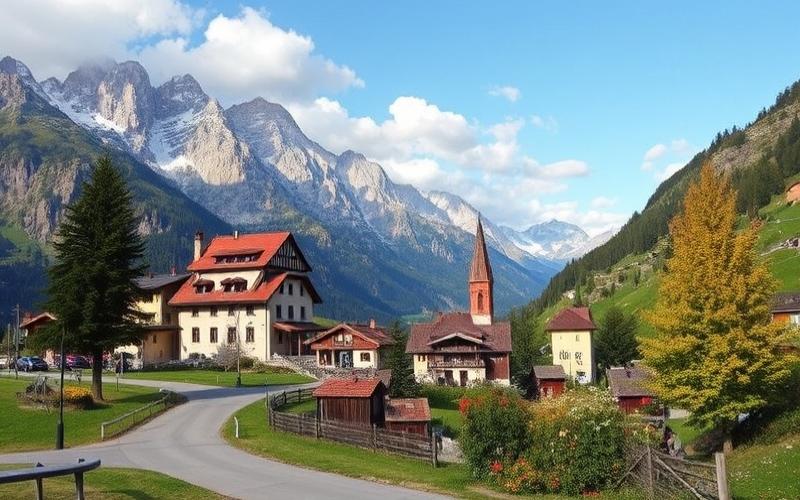
Moving to Switzerland for work or studies is an exciting adventure, but it can also bring feelings of homesickness. Fortunately, [...]

Switzerland, a country renowned for its exceptional quality of life, attracts many expatriates from around the world each year. However, [...]
Prepare for the Big Leap: Key Steps Before Your Departure
Your successful relocation to Switzerland begins long before you arrive in the country. Meticulous preparation is key to avoiding unpleasant surprises and facilitating your settlement.
Learn about Swiss culture: Switzerland is a multicultural country with four national languages (German, French, Italian, and Romansh). Depending on the region where you’ll settle, it’s crucial to familiarize yourself with the local language and customs. For example, in German-speaking Switzerland, German is the main language, but Swiss German is widely used in daily life. Take the time to learn the basics of the language in your future host region.
Plan your budget: Switzerland is known for its high cost of living. Establish a detailed budget considering common expenses like housing, food, transportation, and insurance. Don’t forget to include costs related to your relocation (security deposit for housing, furniture purchases, etc.). According to the Federal Statistical Office, the average Swiss household budget amounts to approximately 6,700 Swiss francs per month.
Prepare your documents: Gather all necessary documents for your relocation to Switzerland. This includes your passport, diplomas, work certificates, birth certificate, and any other relevant documents. Have these documents translated into German, French, or Italian according to your place of residence if necessary.
- Valid passport
- Diplomas and work certificates
- Birth certificate
- Employment contract or proof of sufficient financial resources
- Health insurance certificate
Good to know:
Pre-departure preparation is crucial. Allow at least 3 to 6 months to organize your relocation to Switzerland. Don’t hesitate to contact the Swiss embassy or consulate in your country for information specific to your situation.
Welcome to Switzerland: Essential Procedures Upon Arrival
Once you arrive in Switzerland, several administrative procedures await you to formalize your relocation and start your new life on the right foot.
Register with the municipality: Within 14 days of your arrival, you must register with the residents’ registration office of your municipality of residence. This procedure is mandatory and will allow you to obtain your residence permit. You’ll need to present your passport, rental agreement, employment contract, and a recent passport photo.
Subscribe to health insurance: Health insurance is mandatory in Switzerland for all residents. You have three months from your arrival to subscribe to basic health insurance (LAMal). There are many health insurance providers in Switzerland, take the time to compare offers to find the one that best suits your needs and budget.
Open a bank account: To facilitate your financial transactions in Switzerland, it’s recommended to open a local bank account. Major Swiss banks like UBS, Credit Suisse, or Cantonal Banks offer services tailored to expatriates. To open an account, you’ll generally need your passport, proof of residence, and your residence permit.
- Municipal registration within 14 days
- Health insurance subscription within 3 months
- Opening a Swiss bank account
- Registration with tax authorities
Good to know:
Punctuality is an important value in Switzerland. Make sure to respect deadlines for your administrative procedures and arrive on time for your appointments. This will greatly facilitate your interactions with local authorities.
Successful Immersion: Keys to Integrating into the Local Community
Integration into your new community is a crucial aspect of your relocation to Switzerland. It will allow you to feel at home and fully enjoy your experience.
Learn the local language: Although many Swiss people speak English, mastering the local language will open many doors for you. Enroll in language courses upon your arrival. Many municipalities and associations offer courses at favorable rates for newcomers. Regular practice of the language will allow you to integrate more quickly and build relationships with your neighbors and colleagues.
Participate in community life: Switzerland has numerous associations and clubs covering a wide variety of interests. Whether you’re passionate about sports, culture, or volunteering, you’ll certainly find an association that suits you. This is an excellent way to meet people who share your interests and get involved in local life. For example, joining a hiking club will allow you to discover Switzerland’s magnificent landscapes while building social connections.
Familiarize yourself with local customs: The Swiss place great importance on respecting community living rules. Learn about local customs, such as waste sorting (highly regulated in Switzerland), quiet hours to respect in buildings, or local traditions like the Basel Carnival or the Neuchâtel Wine Harvest Festival. Participating in these events will help you better understand Swiss culture and integrate into it.
- Take intensive language courses
- Join local associations
- Participate in cultural events in your region
- Respect community living rules
Good to know:
Integration is a process that takes time. Be patient and open-minded. Swiss people may seem reserved at first, but they are generally welcoming toward expatriates who make an effort to integrate and respect their culture.
Swiss Entry Pass: How to Obtain Your Visa
Obtaining a visa is a crucial step for legally settling in Switzerland. Procedures vary depending on your nationality and the purpose of your stay.
For EU/EFTA nationals: If you’re a citizen of a European Union or European Free Trade Association country, you benefit from the free movement of persons. You don’t need a visa to enter Switzerland, but you must register with local authorities within 14 days of your arrival if you plan to stay more than three months. You’ll need to present an employment contract or prove that you have sufficient financial means to support yourself.
For third-country nationals: If you’re not an EU/EFTA citizen, you must obtain a visa before arriving in Switzerland. The procedure is more complex and the eligibility criteria are stricter. You’ll generally need to have a job offer from a Swiss employer who has previously obtained a work permit for you. The process can take several months, so it’s important to start early.
- Permit B: residence permit, valid for 5 years for EU/EFTA nationals, 1 year renewable for others
- Permit C: settlement permit, after 5 or 10 years of residence depending on nationality
- Permit G: for cross-border commuters
- Permit L: for short-term stays
Good to know:
Immigration quotas for third-country nationals are very limited. In 2024, only 8,500 B permits and 4,500 L permits are available for all of Switzerland. Therefore, it’s crucial to have a strong application and an employer ready to support you in your procedures.
Finding Your Cozy Nest: Tips for Finding the Ideal Housing
Finding housing in Switzerland can be challenging, especially in large cities where the real estate market is tight. Here are some tips to help you in your search.
Start your search early: The vacancy rate for housing in Switzerland is very low, particularly in urban centers like Zurich, Geneva, or Lausanne. According to the Federal Statistical Office, it was only 1.31% in 2024. Therefore, it’s crucial to start your search several months before your move. Use specialized websites like Immoscout24, Homegate, or Comparis to get an idea of prices and availability.
- A motivation letter explaining your situation
- Copies of your last three pay slips or a salary certificate from your employer
- A recent debt enforcement register extract (available from your canton’s debt enforcement office)
- A copy of your ID or residence permit
- References from your previous landlord if possible
Consider all options: If you don’t immediately find your dream housing, consider temporary solutions like shared apartments or subletting. These options can allow you to settle quickly and familiarize yourself with your new city while continuing your search for long-term housing.
Good to know:
In Switzerland, it’s common to have to pay a security deposit equivalent to 2 or 3 months’ rent before moving in. This amount is deposited in a blocked account and will be returned to you when you leave if the apartment is returned in good condition.
Renewing Your Entry Pass: Steps to Extend Your Residence Permit
Renewing your residence permit is an important step to maintain your legal status in Switzerland. Procedures vary depending on the type of permit and your personal situation.
Permit B (residence permit): For EU/EFTA nationals, Permit B is generally valid for 5 years and is automatically renewed if you still meet the conditions (employment, sufficient resources). For third-country nationals, Permit B is valid for 1 year and must be renewed annually. You must apply to the cantonal migration office at least 14 days before your permit expires.
Permit C (settlement permit): This long-term permit must be renewed every 5 years. The procedure is generally a formality if your situation hasn’t changed. However, make sure not to let your permit expire, as this could complicate its renewal.
- Renewal application form (available from your cantonal migration office)
- Copy of your valid passport
- Proof of your professional activity or financial means
- Health insurance fund certificate
- Proof of your integration (for example, language certificate)
Good to know:
Since 2019, Switzerland has strengthened integration criteria for obtaining and renewing permits. Good command of the local language (level A2 oral and A1 written) is now required for renewing Permit B and obtaining Permit C.
Switzerland is renowned for its administrative efficiency, but this also involves numerous procedures to complete. Here are the main procedures not to overlook.
Tax declaration: In Switzerland, you must file a tax return every year, even if you’re taxed at source. The tax period runs from January 1st to December 31st, and you’ll generally receive your declaration at the beginning of the following year. Filing deadlines vary by canton but are generally between March and April. Don’t hesitate to consult a tax advisor if your situation is complex.
Change of address: If you move within Switzerland, you must report your change of address to your old and new municipality within 14 days. This procedure is important because it affects your registration in the residents’ register, your tax assessment, and your voting rights.
Renewal of identity documents: Remember to regularly check the validity of your identity documents (passport, ID card). To renew them, you’ll need to contact your embassy or consulate in Switzerland.
- File annual tax declaration
- Report any change of address within 14 days
- Renew identity documents before expiration
- Register on the electoral roll (for foreigners with voting rights at municipal or cantonal level)
Good to know:
Switzerland has an increasingly developed e-government system. Many administrative procedures can now be completed online, which greatly simplifies procedures for expatriates.
Know Your Rights and Duties: Essential Laws for Expatriates in Switzerland
Understanding the Swiss legal framework is crucial for successful integration and to avoid any legal problems. Here’s an overview of the main laws and regulations concerning foreigners in Switzerland.
Federal Act on Foreign Nationals and Integration (FNA): This law, which came into force in 2019, governs the entry, stay, and exit of foreigners in Switzerland. It also defines integration criteria, particularly in terms of language skills and economic participation. Expatriates should be aware that their residence permit can be revoked if they don’t meet these integration criteria.
Labor law: Swiss labor law is relatively liberal compared to other European countries. There is no federal minimum wage (although some cantons have introduced one), and the legal working time can be up to 45 hours per week in many sectors. However, employees benefit from good social protection, with a minimum of 4 weeks of paid vacation per year and mandatory unemployment insurance.
Healthcare system and social insurance: Health insurance is mandatory for all residents in Switzerland, including expatriates. You must subscribe to basic insurance within three months of your arrival. Additionally, various social insurances are mandatory and deducted directly from your salary (OASI/DI for retirement and disability, unemployment insurance, etc.).
- Respect integration criteria defined by the FNA
- Familiarize yourself with Swiss labor law
- Subscribe to mandatory insurances
- Respect traffic laws (notably strict speed limits)
Good to know:
Switzerland practices direct democracy. In some cantons, foreigners holding a C permit can vote at municipal and sometimes cantonal level. Find out about your political rights and don’t hesitate to participate in local democratic life if you have the opportunity.
Relocating to Switzerland is an enriching adventure that requires meticulous preparation and a good understanding of the Swiss system. By following this guide and remaining open to the local culture, you’ll maximize your chances of successfully settling in and fully enjoying everything Switzerland has to offer. Remember that integration is a process that takes time, but the efforts you dedicate to it will be largely rewarded by the exceptional quality of life that Switzerland can offer you.
Disclaimer: The information provided on this website is for informational purposes only and does not constitute financial, legal, or professional advice. We encourage you to consult qualified experts before making any investment, real estate, or expatriation decisions. Although we strive to maintain up-to-date and accurate information, we do not guarantee the completeness, accuracy, or timeliness of the proposed content. As investment and expatriation involve risks, we disclaim any liability for potential losses or damages arising from the use of this site. Your use of this site confirms your acceptance of these terms and your understanding of the associated risks.

Cyril Jarnias is an independent expert in international wealth management with over 20 years of experience. As an expatriate himself, he is dedicated to helping individuals and business leaders build, protect, and pass on their wealth with complete peace of mind.
On his website, cyriljarnias.com, he shares his expertise on international real estate, offshore company formation, and expatriation.
Thanks to his expertise, he offers sound advice to optimize his clients' wealth management. Cyril Jarnias is also recognized for his appearances in many prestigious media outlets such as BFM Business, les Français de l’étranger, Le Figaro, Les Echos, and Mieux vivre votre argent, where he shares his knowledge and know-how in wealth management.





