
 Published on and written by Cyril Jarnias
Switzerland, a country located in the heart of Western Europe, offers a fascinating and diverse geography. With its spectacular alpine landscapes, picturesque lakes, and dynamic cities, Switzerland is a destination that attracts visitors from around the world. In this article, we will explore the geography of this alpine country in detail, highlighting its main features and regions.
Geographic Location
Switzerland occupies a strategic position in the center of Western Europe. It is surrounded by five countries: Germany to the north, Austria and Liechtenstein to the east, Italy to the south, and France to the west. This central location gives it an important role in European economic and cultural exchanges.
Although Switzerland does not have direct access to the sea, it is crossed by major European waterways. The Rhine, which originates in the Swiss Alps, flows north toward the North Sea. The Rhône, meanwhile, also rises in Switzerland before crossing France and emptying into the Mediterranean. This hydrographic configuration has earned Switzerland the nickname “the water tower of Europe.”
Relief and Main Regions
The geography of Switzerland is characterized by three major distinct regions, each with its own features:
1. The Alps
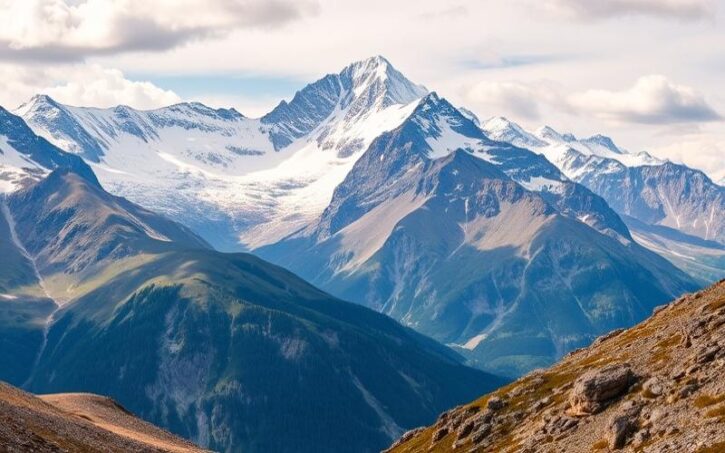
The Swiss Alps cover about 60% of the national territory. This impressive mountain range is home to many peaks exceeding 4,000 meters in altitude, the most famous of which is the Matterhorn. The Alps play a crucial role in Swiss identity, both culturally and economically, through tourism and the hydroelectric industry.
2. The Swiss Plateau
The Swiss Plateau, which stretches between the Alps and the Jura, covers about 30% of the country. This region is home to the majority of the population and the main Swiss cities. The Plateau is characterized by rolling hills, dotted with lakes and rivers, offering bucolic landscapes and fertile land for agriculture.
3. The Jura
The Jura mountain range, which represents about 10% of Swiss territory, extends along the country’s northwestern border. This region is known for its lush landscapes, dense forests, and picturesque valleys. The Jura is also the birthplace of the Swiss watchmaking industry.
Main Cities
Switzerland has several important cities, each with its own character and economic or cultural significance:
Zurich
Zurich is the largest city in Switzerland, with a population of about 400,000. As the country’s economic and financial hub, Zurich is renowned for its high quality of life and cultural dynamism. The city is located on the shores of Lake Zurich, offering an attractive living environment between city and nature.
Geneva
The second-largest city in the country, Geneva is known for its international character. Home to many international organizations, including the UN, Geneva is an important diplomatic center. The city is located at the western tip of Lake Geneva, in an exceptional natural setting.
Basel
The third-largest city in Switzerland, Basel is a major cultural and industrial center. Situated at the crossroads of three countries (Switzerland, France, and Germany), the city is known for its world-renowned museums and thriving pharmaceutical industry.
Bern
Although relatively small in size, Bern is the federal capital of Switzerland. Its medieval old town, a UNESCO World Heritage site, is an architectural gem. Bern houses the country’s main government institutions.
Lausanne
Located on the shores of Lake Geneva, Lausanne is the fourth-largest city in Switzerland. It is known as the headquarters of the International Olympic Committee and for its vibrant student life, hosting the Swiss Federal Institute of Technology Lausanne.
Climate
Switzerland’s climate varies considerably depending on the region and altitude. The Swiss Plateau generally experiences a temperate climate, with warm summers and cold winters. In the Alps, the climate is harsher, with long, snowy winters ideal for winter sports. The south of the country, particularly Ticino, enjoys a more Mediterranean climate, with hot, dry summers.
Good to know:
Switzerland’s geographic diversity is reflected in its cultural and linguistic richness. The country has four national languages: German, French, Italian, and Romansh, each predominant in specific regions.
Conclusion
The geography of Switzerland, with its majestic mountains, picturesque lakes, and dynamic cities, offers an exceptional living and travel environment. This geographic diversity has shaped the country’s history and culture, helping to make Switzerland a unique destination in Europe. Whether for its alpine landscapes, cosmopolitan cities, or preserved nature, Switzerland has much to offer visitors and residents alike.
Disclaimer: The information provided on this website is for informational purposes only and does not constitute financial, legal, or professional advice. We encourage you to consult qualified experts before making any investment, real estate, or expatriation decisions. Although we strive to maintain up-to-date and accurate information, we do not guarantee the completeness, accuracy, or timeliness of the proposed content. As investment and expatriation involve risks, we disclaim any liability for potential losses or damages arising from the use of this site. Your use of this site confirms your acceptance of these terms and your understanding of the associated risks.

Cyril Jarnias is an independent expert in international wealth management with over 20 years of experience. As an expatriate himself, he is dedicated to helping individuals and business leaders build, protect, and pass on their wealth with complete peace of mind.
On his website, cyriljarnias.com, he shares his expertise on international real estate, offshore company formation, and expatriation.
Thanks to his expertise, he offers sound advice to optimize his clients' wealth management. Cyril Jarnias is also recognized for his appearances in many prestigious media outlets such as BFM Business, les Français de l’étranger, Le Figaro, Les Echos, and Mieux vivre votre argent, where he shares his knowledge and know-how in wealth management.





