
 Published on and written by Cyril Jarnias
Switzerland, a country renowned for its majestic alpine landscapes and varied climate, offers a unique experience for expatriates who choose to settle there. However, adapting to the local weather conditions can be a challenge for newcomers. In this article, we will explore the specifics of the Swiss climate and provide practical tips for a smooth adaptation.
Understanding the Swiss Climate
A Diverse Climate
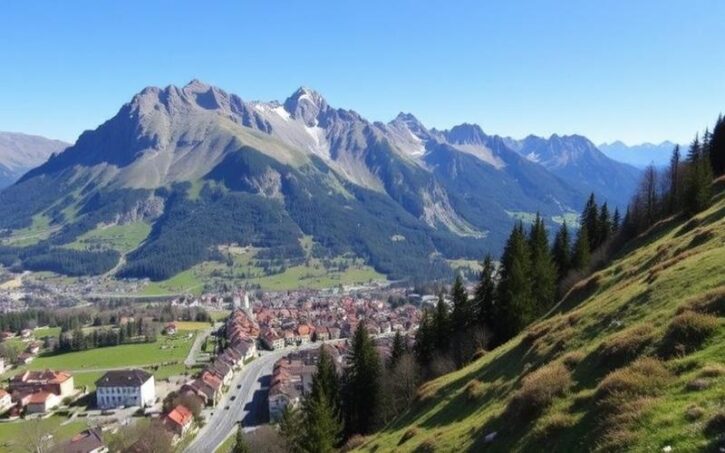
Switzerland has a great climatic diversity due to its varied topography. The country is divided into three main regions: the Swiss Plateau, the Alps, and the Jura. Each of these regions has its own climatic characteristics, making adaptation particularly interesting for expatriates.
The Swiss Plateau
The Swiss Plateau, where major cities like Zurich, Bern, and Geneva are located, experiences a temperate continental climate. Summers are generally warm and humid, with average temperatures around 77°F (25°C) in July and August. Winters, on the other hand, are cold and damp, with average temperatures near 32°F (0°C) in January and February.
The Alps
In the alpine regions, the climate is harsher. Winters are long and cold, with heavy snowfall. Summers are short and cool, offering a welcome respite for hiking and outdoor activity enthusiasts. Temperatures can vary significantly depending on altitude.
The Jura
The Jura region has a semi-continental climate, characterized by cold winters and relatively warm summers. Precipitation is distributed throughout the year, with a slight increase in summer.
Good to know:
Switzerland enjoys an average of 3,650 hours of sunshine per year, making it one of the sunniest countries in Central Europe.
Implications of the Climate on Expatriates’ Health and Well-being
Physiological Adaptation
Adapting to the Swiss climate can have repercussions on the health and well-being of expatriates. The human body needs time to acclimate to new weather conditions, especially for those coming from regions with very different climates.
Effects on Mental Health
Climate change can also affect mental health. Some expatriates may experience a form of seasonal depression, particularly during the winter months when days are shorter and light levels are reduced.
Risks Related to Outdoor Activities
Expatriates should be aware of the risks associated with outdoor activities, particularly in mountainous regions. Rapid weather changes, avalanche risks in winter, and sunburn at high altitudes are factors to consider.
Strategies for Adapting to the Swiss Climate
Adopt a Suitable Wardrobe
One of the keys to adapting to the Swiss climate is investing in an appropriate wardrobe. Here are some tips:
- Opt for the layering principle, especially useful in mountainous regions where temperatures can change rapidly.
- Invest in quality waterproof and windproof clothing to deal with inclement weather.
- Don’t forget essential accessories like gloves, scarves, and hats for winter.
- For summer, plan for light, breathable clothing, as well as adequate sun protection.
Set Up Your Home
Setting up your home plays a crucial role in your adaptation to the Swiss climate:
- Make sure your home is well-insulated to handle harsh winters.
- Invest in an efficient and energy-saving heating system.
- For hot summers, consider installing blinds or blackout curtains to keep the cool in.
- If you live at high altitude, equip yourself with a dehumidifier to combat humidity.
Adopt an Adapted Lifestyle
Modifying certain habits can greatly facilitate your adaptation:
- Take advantage of natural light as much as possible, especially during the winter months.
- Engage in regular physical activities, both indoors and outdoors, to maintain your physical and mental well-being.
- Adopt a balanced diet adapted to the seasons.
- Stay well-hydrated, even in winter, as cold, dry air can be dehydrating.
Good to know:
Switzerland has an excellent public transportation network, making travel easy even in difficult weather conditions.
Prevention of Climate-Related Illnesses
Winter Illnesses
Cold, damp winters can promote the spread of certain respiratory illnesses. To protect yourself:
- Get vaccinated against the seasonal flu.
- Wash your hands regularly and avoid close contact with sick people.
- Maintain adequate temperature and humidity levels in your home.
Summer Risks
Summer in Switzerland can also present certain health risks:
- Protect yourself from the sun, especially at high altitudes where UV rays are more intense.
- Stay hydrated, especially on hot days.
- Be vigilant about ticks, which carry Lyme disease, during your outings in nature.
Stay Informed and Vigilant
Follow Weather Forecasts
In Switzerland, weather conditions can change quickly, especially in mountainous regions. It is therefore crucial to:
- Regularly check local weather forecasts.
- Download reliable weather apps on your smartphone.
- Pay attention to weather alerts issued by Swiss authorities.
Know Local Resources
Familiarize yourself with local resources that can help you in case of need:
- Identify emergency services and numbers to contact in case of a problem related to weather conditions.
- Find out about health centers and hospitals in your area.
- Join local expatriate groups to share experiences and tips.
Good to know:
The Federal Office of Meteorology and Climatology MeteoSwiss provides detailed forecasts and weather alerts for all regions of the country.
Enjoying the Benefits of the Swiss Climate
Despite the challenges that adapting to the Swiss climate can present, it also offers many advantages:
Well-Defined Seasons
Switzerland enjoys four distinct seasons, each offering its own charms and activities:
- Winter is ideal for snow sports and picturesque Christmas markets.
- Spring offers blooming landscapes and mild temperatures, perfect for hiking.
- Summer allows you to enjoy the many lakes and outdoor festivals.
- Autumn is magnificent with its vibrant colors and grape harvests.
Exceptional Air Quality
Switzerland is renowned for its air quality, particularly in mountainous regions. This can have beneficial effects on respiratory health and overall well-being.
Varied Leisure Opportunities
Switzerland’s varied climate allows for a wide range of activities throughout the year, from skiing in winter to swimming in lakes in summer, as well as hiking in spring and autumn.
Adapting to the Swiss climate as an expatriate may seem daunting at first, but with good preparation and a positive attitude, it can become a rewarding experience. By understanding the specifics of the local climate, adopting the right adaptation strategies, and staying vigilant, you can not only acclimate successfully but also fully enjoy everything Switzerland has to offer.
Good to know:
Switzerland is ranked among the countries offering the best quality of life in the world, partly thanks to its preserved natural environment and varied climate.
Disclaimer: The information provided on this website is for informational purposes only and does not constitute financial, legal, or professional advice. We encourage you to consult qualified experts before making any investment, real estate, or expatriation decisions. Although we strive to maintain up-to-date and accurate information, we do not guarantee the completeness, accuracy, or timeliness of the proposed content. As investment and expatriation involve risks, we disclaim any liability for potential losses or damages arising from the use of this site. Your use of this site confirms your acceptance of these terms and your understanding of the associated risks.

Cyril Jarnias is an independent expert in international wealth management with over 20 years of experience. As an expatriate himself, he is dedicated to helping individuals and business leaders build, protect, and pass on their wealth with complete peace of mind.
On his website, cyriljarnias.com, he shares his expertise on international real estate, offshore company formation, and expatriation.
Thanks to his expertise, he offers sound advice to optimize his clients' wealth management. Cyril Jarnias is also recognized for his appearances in many prestigious media outlets such as BFM Business, les Français de l’étranger, Le Figaro, Les Echos, and Mieux vivre votre argent, where he shares his knowledge and know-how in wealth management.





