
 Published on and written by Cyril Jarnias
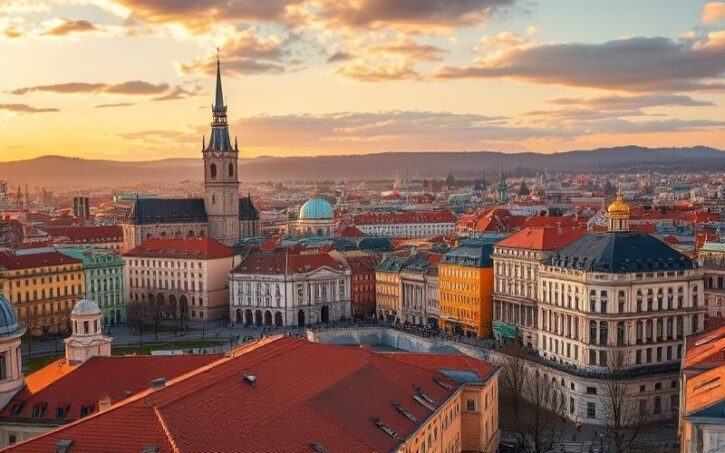
Nestled between the crystal-clear waters of the Adriatic and the picturesque Balkan mountains, Croatia attracts numerous expatriates each year seeking the perfect balance between quality of life and breathtaking landscapes.
Dubrovnik, with its cobblestone alleys and historic ramparts, draws culture lovers, while Zagreb, the dynamic capital, energizes visitors with its unique urban vibe.
For those seeking tranquility, Split offers a captivating blend of modernity and history, with its famous Diocletian’s Palace and sunny beaches.
Each neighborhood in these cities, with its distinct charms, helps make Croatia a top choice for foreigners looking for a new adventure under the Mediterranean sun.
Must-Know Neighborhoods for Expatriates in Croatia
| City / Neighborhood | Quality of Life | Amenities | Proximity to International Schools | Transportation | Cost of Living | Unique Features | Testimonials / Anecdotes |
|---|---|---|---|---|---|---|---|
| Zagreb – Donji Grad | Very High | Shops, bars, parks | Easy Access | Streetcar, bus | Moderate | Varied architecture, vibrant cultural life | “You get a European atmosphere, everything is accessible on foot or by streetcar.” |
| Zagreb – Gornji Grad | High | Monuments, cafes | Less Direct | Bus | Moderate | Cobblestone streets, historic buildings, panoramic views | “The small streets are charming, perfect for weekend strolls.” |
| Zagreb – Trešnjevka | Family-Friendly | Green spaces, stores | Near French school | Streetcar, bus | Affordable | Residential area, quiet, parks | “We chose Trešnjevka for its tranquility and proximity to the school.” |
| Zagreb – Maksimir | Very Green | Park, zoo | Fairly Close | Bus | Affordable | Large park, family life, zoo | “The kids love Maksimir Park, the space is ideal for families.” |
| Split – Old Town | Touristy | Historic sites | Few international schools | Bus, near port | Tourist Prices | Diocletian’s Palace, nightlife | “Living surrounded by history is unique, but summers bring many tourists.” |
| Split – Veli Varos | Local, Central | Boutique hotels | Easy Access | Bus, walking | Moderate | Stone houses, picturesque alleys | “You feel like a true local, away from the tourist bustle.” |
| Split – Bačvice | Dynamic | Beaches, bars | Few international schools | Bus, near station | Tourist Prices | Urban beaches, festive atmosphere | “The advantage: the sea is steps away, perfect for evenings with friends.” |
| Split – Meje | Peaceful | Near nature, forest | Easy Access | Bus | Affordable | Close to Marjan Forest, quiet | “A true haven of peace for families, away from the city center noise.” |
| Dubrovnik – Old Town | Historic | Monuments, restaurants | Few international schools | Bus | High | Stone houses, medieval walls | “The charm is undeniable, but summer crowds can be challenging.” |
| Dubrovnik – Ploče | Luxury | Villas, sea views | Few international schools | Bus | Very High | Prestigious villas, spectacular views | “Waking up to sea views every morning is priceless.” |
| Dubrovnik – Lapad/Babin Kuk | Modern | Stores, beaches | Few international schools | Bus | High | Recent housing, family beaches | “Lapad offers tranquility and everything needed for daily life.” |
Key Takeaways:
- Zagreb attracts expatriates for its dynamism, access to transportation, and family-friendly neighborhoods like Trešnjevka and Maksimir. Donji Grad offers a European urban life with numerous leisure options and vibrant nightlife.
- Split provides a Mediterranean setting, blending local life (Veli Varos, Meje) with beach vibes (Bačvice). Residential areas like Meje are sought after for their peace and proximity to nature.
- Dubrovnik charms with its heritage, but the cost of living is significantly higher, especially in the Old Town and prestigious areas like Ploče. Lapad and Babin Kuk are appreciated for their modernity and beaches.
- Economic Aspects: Zagreb remains the most affordable major city, particularly outside the center. Split, especially near the sea, and Dubrovnik have higher rents, with tourist areas being particularly expensive.
- Daily Life: Expatriates highlight the friendliness of residential neighborhoods, ease of transportation (streetcars, buses, pedestrian access), and the importance of green spaces for families.
“In Zagreb, everything is within reach, you can enjoy the city without breaking the bank. In Split, the sea and ancient stone create the charm, but you need to choose your neighborhood based on your needs. Dubrovnik is magical, but you have to enjoy tourism and accept a higher cost of living.”
Good to Know:
In Zagreb, the Maksimir neighborhood stands out for its green spaces and proximity to international schools, while Split attracts with its seaside and friendly atmosphere, though the cost of living is slightly higher. Expatriates in Dubrovnik appreciate Ploče for its stunning views and easy access to cultural attractions, despite a more expensive lifestyle.
Tips for Finding the Ideal Home in Popular Neighborhoods
Start Your Search Early
It’s essential to begin the process several months before your planned move, especially in highly sought-after neighborhoods where demand far exceeds supply. Modern, well-located apartments in Zagreb (Donji Grad, Upper Town, Remete) or Split (seafront, city center) go very quickly.
Use Specialized Agencies
Engaging a local or international real estate agency provides access to exclusive properties and secures the transaction. Agencies understand the specifics of the Croatian market, including administrative requirements and negotiations with landlords.
Utilize Local Online Platforms
Croatian real estate listing sites (Njuškalo, Crozilla, Index Oglasi) offer a wide selection of homes, often updated daily. It’s recommended to check these platforms multiple times a day and set up alerts to not miss any opportunities.
Be Responsive for Viewings
In neighborhoods popular with expatriates (Donji Grad, Remete, Maksimir in Zagreb; historic center, Ploče, Lapad in Dubrovnik; Gripe, Manuš in Split), you need to be ready to view properties as soon as a listing appears. The best offers stay online only a few hours.
Learn About Local Regulations
- It’s imperative to verify the legality of the proposed lease, as some landlords prefer short-term rentals to maximize their income.
- Rental contracts must be formalized in writing and registered with the authorities.
- Certain local taxes (monthly residence tax, city fees) apply and vary based on the property’s size and location.
- For purchases, you need to obtain an OIB (Croatian identification number) and ensure the property is free of debts or disputes.
Negotiation: A Key Step in the Croatian Real Estate Market
- Listed prices are often negotiable, especially if dealing directly with the owner.
- Negotiating the security deposit, agency fees, or even the monthly rent is common and expected.
- It’s advisable to offer quick payment or commit to a longer lease to get a discount.
- Comparing offers and creating competition between agencies and landlords helps secure better terms.
| Neighborhood | City | Expat Profile | Strengths | Average Price 2BR/month |
|---|---|---|---|---|
| Donji Grad | Zagreb | Young professionals, families | Bars, restaurants, parks, urban life | €400–600 |
| Upper Town | Zagreb | History enthusiasts | Cobblestone streets, monuments | €500–700 |
| Remete | Zagreb | French families | Quiet, international schools | €600–800 |
| Maksimir | Zagreb | Families, seniors | Green spaces, zoo | €500–650 |
| Ploče, Lapad | Dubrovnik | Expats, retirees | Near sea, residential areas | €700–1000 |
| Gripe, Manuš | Split | Young professionals | Value for money, proximity to center | €500–750 |
Tips for Getting the Best Offers
- Prepare all necessary documents in advance (OIB, proof of income, bank references).
- View multiple properties to better compare prices and features.
- Ask other expatriates about landlords and neighborhoods.
- Be flexible on location or property size to broaden options.
- Ask the agency or landlord about included utilities and rent adjustment terms.
In Summary
To maximize your chances in neighborhoods popular with expatriates, you need to plan ahead, work with professionals, actively monitor local listings, understand regulations, and systematically negotiate every aspect of the contract.
Good to Know:
Start your search early and use specialized real estate agencies while exploring local sites for maximum efficiency; ensure you’re well-informed about local laws and don’t hesitate to negotiate to get the best possible offers.
Living Among Locals: Integrating into Croatian Neighborhoods
Living among locals is essential for deeply understanding Croatian culture and facilitating integration. This choice allows you to immerse yourself in daily life, grasp the subtleties of traditions, and develop a genuine sense of belonging to the community.
Approaches for Integrating into Your Neighborhood:
- Learn Some Croatian Basics: Even though English is widely understood in major cities, knowing Croatian basics is essential for daily communication, especially outside urban centers. It also shows a willingness to adapt and is highly appreciated by locals.
- Participate in Local Events: Joining neighborhood festivals, cultural workshops, or local celebrations helps you meet neighbors and better understand the culture. Associations and expatriate groups, like French Alliances or InterNations, regularly organize events that promote social mixing.
- Build Relationships with Neighbors: Adopt simple gestures like greeting, exchanging a few words, or sharing a meal to build trust. Participating in traditional celebrations or helping with community events strengthens integration.
Potential Challenges and Tips to Overcome Them:
| Challenge Faced | Tips to Overcome It |
|---|---|
| Language Barrier | Take Croatian classes, join language exchanges, use mobile apps for daily practice |
| Cultural Differences | Observe, ask questions respectfully, adopt local customs (like removing shoes indoors) |
| Feeling of Isolation | Join expatriate groups, sign up for local activities, frequent meeting spots like cafes or markets |
| Complex Administrative Procedures | Get help from welcome associations, use online groups for practical advice |
Croatian Neighborhoods Popular with Expatriates and Factors Favoring Integration:
| City/Neighborhood | Features Favoring Integration |
|---|---|
| Zagreb (Centar, Maksimir) | Strong presence of local shops, friendly cafes, numerous cultural events, active community initiatives |
| Split (Bačvice, Veli Varoš) | Proximity to the sea, relaxed atmosphere, lively markets, mix of locals and expatriates, dynamic French-speaking associations |
| Dubrovnik (Lapad, Ploče) | Quiet residential areas, local shops, many meeting opportunities thanks to tourism and international events |
- Presence of Local Shops: Markets, bakeries, small stores are ideal places for daily interactions.
- Social Infrastructure: Parks, cafes, community centers encourage informal meetings.
- Community Initiatives: Workshops, intercultural gatherings, sports or artistic events strengthen cohesion and facilitate newcomers’ integration.
Getting involved in local life, learning the language, and respecting cultural codes are the keys to successful integration in Croatia. Expatriate networks and local initiatives play a major role in building lasting connections and fully thriving in your new environment.
Good to Know:
Learning a few Croatian words and participating in local events are essential keys to integration, especially in neighborhoods like Maksimir in Zagreb, where community initiatives facilitate interactions with locals. Challenges, such as the language barrier, can be overcome by building relationships with your neighbors, who are often eager to share their culture.
Disclaimer: The information provided on this website is for informational purposes only and does not constitute financial, legal, or professional advice. We encourage you to consult qualified experts before making any investment, real estate, or expatriation decisions. Although we strive to maintain up-to-date and accurate information, we do not guarantee the completeness, accuracy, or timeliness of the proposed content. As investment and expatriation involve risks, we disclaim any liability for potential losses or damages arising from the use of this site. Your use of this site confirms your acceptance of these terms and your understanding of the associated risks.

Cyril Jarnias is an independent expert in international wealth management with over 20 years of experience. As an expatriate himself, he is dedicated to helping individuals and business leaders build, protect, and pass on their wealth with complete peace of mind.
On his website, cyriljarnias.com, he shares his expertise on international real estate, offshore company formation, and expatriation.
Thanks to his expertise, he offers sound advice to optimize his clients' wealth management. Cyril Jarnias is also recognized for his appearances in many prestigious media outlets such as BFM Business, les Français de l’étranger, Le Figaro, Les Echos, and Mieux vivre votre argent, where he shares his knowledge and know-how in wealth management.





