
 Published on and written by Cyril Jarnias
Moving to Andorra as an expat is an exciting adventure, but it requires careful preparation, especially when it comes to adapting to the local climate. The Principality of Andorra, nestled in the heart of the Pyrenees between France and Spain, offers a unique environment with particular weather conditions that can surprise newcomers. In this article, we will explore the specifics of the Andorran climate in detail and provide you with practical tips for adapting as an expat.
Understanding the Andorran Climate
Before diving into adaptation tips, it’s essential to understand the characteristics of the climate in Andorra.
A Typical Mountain Climate
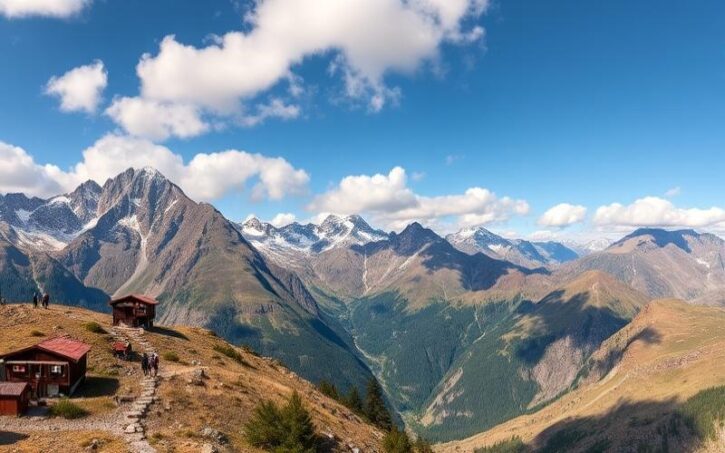
Andorra enjoys a typical mountain climate, influenced by its high altitude (the capital, Andorra la Vella, sits at 1,023 meters above sea level) and its geographical position in the heart of the Pyrenees. This climate is characterized by cold, snowy winters and relatively mild, sunny summers.
Well-Defined Seasons
Expats in Andorra should prepare for four distinct seasons:
- Winter (December to March): Cold with average temperatures between -2°C and 2°C, and frequent snowfall.
- Spring (April to May): Mild but variable, with temperatures ranging from 5°C to 15°C.
- Summer (June to September): Pleasant and sunny, with average temperatures between 15°C and 25°C.
- Fall (October to November): Cool and often rainy, with temperatures between 5°C and 15°C.
Significant Variations by Altitude
It’s important to note that the climate can vary considerably depending on altitude within Andorra itself. Valleys generally enjoy milder temperatures than the peaks, where cold and snow persist longer.
Good to Know:
In Andorra, the temperature difference between the valley floor and the peaks can reach up to 10°C. Keep this in mind when traveling!
Implications of the Climate on Health and Well-Being
Andorra’s mountain climate can have various implications for the health and well-being of expats, especially for those not accustomed to living at altitude.
Altitude Adaptation
Andorra’s high altitude can cause altitude sickness in some people, characterized by symptoms such as headaches, nausea, or shortness of breath. This phenomenon is usually temporary and disappears after a few days of acclimatization.
Sun Exposure
At altitude, the intensity of UV rays is stronger. Expats must therefore be particularly vigilant about their sun exposure, even in winter. Adequate sun protection is essential to prevent sunburn and long-term risks associated with overexposure.
Air Quality
The mountain air in Andorra is generally pure and beneficial for respiratory health. However, people with asthma or other respiratory conditions may experience initial discomfort due to the lower oxygen levels at altitude.
Impact on Sleep
Some expats may experience sleep disturbances when settling in Andorra due to the altitude. These disruptions are usually temporary and lessen with acclimatization.
Good to Know:
To ease your adaptation to the altitude, prioritize staying well-hydrated, limit your alcohol and tobacco consumption, and allow yourself plenty of rest during your first few days in Andorra.
Strategies for Adapting to the Andorran Climate
To fully enjoy your expatriation in Andorra, it’s crucial to adopt effective adaptation strategies for the local weather conditions.
Seasonally Appropriate Clothing
Choosing the right clothing is crucial for dealing with temperature variations in Andorra:
- In winter: Opt for warm, waterproof clothing, layers, hats, gloves, and scarves.
- In spring and fall: Choose versatile outfits that are easy to layer to adapt to temperature changes throughout the day.
- In summer: Lightweight, breathable clothing is recommended, along with sun protection (hat, sunglasses).
Home Setup
Your home in Andorra should be adapted to the local climate conditions:
- High-performance thermal insulation to retain heat in winter and keep cool in summer.
- An efficient heating system, ideally with a programmable thermostat to optimize energy consumption.
- Double or triple-glazed windows for better insulation.
- Blinds or shutters to protect from the sun in summer and retain heat in winter.
Seasonal Activities
Take advantage of the opportunities each season offers in Andorra:
- Winter: Skiing, snowboarding, snowshoeing, ice skating.
- Spring: Hiking, mountain biking, observing local flora.
- Summer: High mountain hiking, swimming in mountain lakes, via ferrata.
- Fall: Hiking to admire autumn colors, mushroom picking.
Managing Driving in Winter Conditions
Driving in Andorra can be tricky in winter. Make sure to equip your vehicle with snow tires or chains, and adapt your driving to road conditions.
Good to Know:
In Andorra, snow tires are mandatory from November 1st to April 15th on the entire road network. Plan for this equipment from the moment you settle in!
Preventing Climate-Related Risks
Andorra’s mountain climate can present certain risks for which you should be prepared.
Preventing Frostbite and Hypothermia
In winter, the risk of frostbite and hypothermia is real, especially during outdoor activities. To prevent them:
- Wear appropriate clothing and especially cover your extremities (hands, feet, ears).
- Keep moving to maintain your body temperature.
- Hydrate regularly, even if you don’t feel thirsty.
- Avoid going out alone in extreme cold and always inform someone of your whereabouts.
Protection Against Sunburn and Heatstroke
The intensity of the sun at altitude requires increased vigilance:
- Apply a high-SPF sunscreen (50+), even on cloudy days.
- Wear sunglasses suitable for the mountains to protect your eyes.
- Cover your head and neck, especially in summer.
- Avoid prolonged sun exposure, particularly between 11 a.m. and 4 p.m.
Managing Seasonal Allergies
Pollen allergies can be exacerbated in Andorra, especially in spring. If you are prone to allergies:
- Consult a local allergist to adjust your treatment.
- Monitor local pollen reports.
- Avoid going out on high pollen days, especially in the early morning and late afternoon.
Good to Know:
The clean mountain air can relieve some respiratory allergy symptoms. However, adaptation can take time. Be patient and consult a doctor if symptoms persist.
Essential Equipment for Adapting to the Andorran Climate
To live comfortably in Andorra, certain equipment is essential:
For Winter
- Quality thermal clothing (underwear, sweaters, jackets)
- Waterproof and windproof coat
- Waterproof snow boots
- Gloves, hats, and scarves in technical materials li>Crampons for shoes for walking on slippery surfaces
For Summer
- Lightweight, breathable clothing
- Hiking boots
- Wide-brimmed hat or cap
- Sunglasses with high UV protection
- High-protection sunscreen
For Year-Round
- Air humidifier to combat dry air at altitude
- Thermos to keep hot drinks warm during winter outings
- Backpack suitable for mountain hiking
- First aid kit including a survival blanket
Integration and Social Life in the Face of the Climate
Adapting to the Andorran climate also involves social integration and participation in local activities.
Participating in Seasonal Events
Andorra organizes many events tied to the seasons, such as ski festivals in winter or traditional festivals in summer. Participating in these events will help you better understand and appreciate the local rhythm of life dictated by the climate.
Learning Local Sports
Get into popular sports in Andorra, like skiing in winter or hiking in summer. It’s a great way to integrate and fully enjoy the local climate.
Connecting with the Local Community
Don’t hesitate to talk with local residents for practical advice on managing the climate. Their experience will be invaluable for your adaptation.
Good to Know:
Andorrans are generally very welcoming to expats. Don’t hesitate to participate in community activities—it’s an excellent way to integrate and get valuable local tips on managing the climate!
Conclusion
Adapting to Andorra’s climate as an expat certainly requires some effort, but it also offers many opportunities for personal enrichment. By understanding the specifics of the local climate, adopting the right adaptation strategies, and equipping yourself properly, you can fully enjoy your new life in this beautiful mountain country.
Andorra, with its unique mountain climate, stunning landscapes, and high quality of life, offers an incomparable expatriation experience. By following the tips presented in this article, you will be well-prepared to meet the challenge of climate adaptation and make the most of your stay in the principality.
Remember that adaptation is a process that takes time and patience. Stay open-minded, curious, and don’t hesitate to seek help from the local community or other expats. With the right attitude and preparations, you’ll quickly discover that the Andorran climate, far from being an obstacle, becomes a source of opportunities and enriching new experiences.
Disclaimer: The information provided on this website is for informational purposes only and does not constitute financial, legal, or professional advice. We encourage you to consult qualified experts before making any investment, real estate, or expatriation decisions. Although we strive to maintain up-to-date and accurate information, we do not guarantee the completeness, accuracy, or timeliness of the proposed content. As investment and expatriation involve risks, we disclaim any liability for potential losses or damages arising from the use of this site. Your use of this site confirms your acceptance of these terms and your understanding of the associated risks.

Cyril Jarnias is an independent expert in international wealth management with over 20 years of experience. As an expatriate himself, he is dedicated to helping individuals and business leaders build, protect, and pass on their wealth with complete peace of mind.
On his website, cyriljarnias.com, he shares his expertise on international real estate, offshore company formation, and expatriation.
Thanks to his expertise, he offers sound advice to optimize his clients' wealth management. Cyril Jarnias is also recognized for his appearances in many prestigious media outlets such as BFM Business, les Français de l’étranger, Le Figaro, Les Echos, and Mieux vivre votre argent, where he shares his knowledge and know-how in wealth management.





