
 Published on and written by Cyril Jarnias
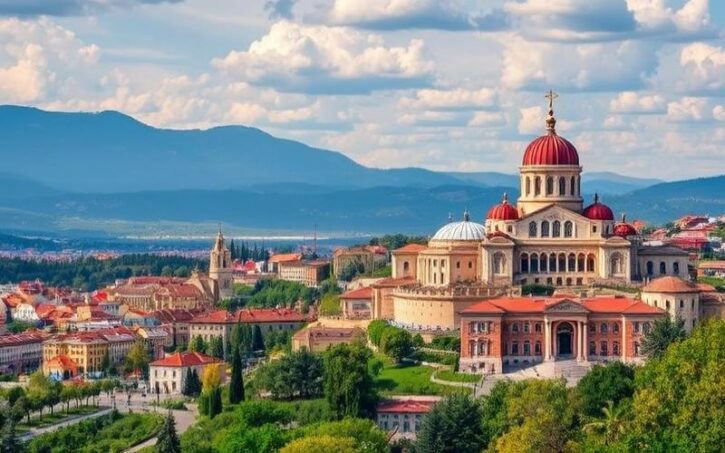
Bulgaria, this little-known country nestled in the heart of the Balkans, is brimming with unsuspected treasures just waiting to be discovered. From majestic mountains to the golden beaches of the Black Sea, through history-laden cities and centuries-old monasteries, Bulgaria offers a diversity of landscapes and experiences that will appeal to all types of travelers. Whether you are a history buff, a nature lover, or simply seeking a complete change of scenery, this fascinating country has everything to surprise and enchant you. Join us on a journey through Bulgaria’s must-see tourist sites, and let yourself be charmed by the richness of its heritage and the warmth of its welcome.
The Pearls of Bulgaria: Breathtaking Sites
Sofia, the Capital with a Thousand Faces
Let’s begin our journey in Sofia, the vibrant and cosmopolitan capital of Bulgaria. This dynamic city offers a fascinating blend of ancient history and modernity that is sure to captivate you. Alexander Nevsky Cathedral, with its imposing golden domes, is undoubtedly the city’s architectural jewel. Don’t miss visiting its sumptuous interior, adorned with magnificent frescoes and icons.
For art and history enthusiasts, the National Museum of History is a must-see. Located in the former residence of communist leader Todor Zhivkov, it houses an impressive collection of artifacts tracing the country’s history from prehistory to the present day. The National Gallery of Fine Arts, meanwhile, will introduce you to the works of the greatest Bulgarian and international artists.
For a relaxing break, head to Borisova Gradina Park, the city’s true green lung. Its vast spaces, picturesque lakes, and playgrounds make it a favorite spot for locals and tourists seeking tranquility. Finally, don’t miss strolling through the lively streets of the city center, where you can find artisan shops, trendy cafes, and restaurants offering delicious local specialties.
Good to know:
Sofia has an excellent public transport network, including buses, trams, and a metro. Most tourist sites are easily accessible on foot or by public transport, making visiting the city particularly pleasant and affordable.
Rila Monastery, Spiritual Jewel of the Balkans
About 120 kilometers south of Sofia stands the Rila Monastery, a true architectural and spiritual treasure of Bulgaria. Founded in the 10th century by the hermit Saint John of Rila, this monastery complex, a UNESCO World Heritage site, is a must-see on any trip to Bulgaria.
Nestled in the heart of the Rila Mountains, the monastery impresses with its beauty and serene atmosphere. The stone buildings, adorned with colorful frescoes, contrast magnificently with the surrounding mountain landscape. The main church, decorated with sumptuous frescoes, is a masterpiece of Bulgarian religious art. Don’t miss visiting the monastery museum, which houses a fascinating collection of liturgical objects, ancient manuscripts, and precious icons.
For nature lovers, the monastery’s surroundings offer numerous hiking opportunities. Well-marked trails will lead you through lush forests and breathtaking alpine landscapes. For a truly unique experience, consider spending a night in one of the monastic cells, allowing you to fully immerse yourself in the spiritual atmosphere of the place.
Good to know:
Rila Monastery is accessible by car from Sofia, but there are also organized excursions from the capital. For a more in-depth visit, plan a full day on site, which will allow you to explore the monastery and its surroundings at your own pace.
Plovdiv, the Millennial City with Many Facets
Bulgaria’s second city, Plovdiv is a must-visit destination for history and culture lovers. Founded over 6,000 years ago, it is one of the oldest continuously inhabited cities in Europe. Its historic center, perched on three hills, is a true open-air museum where Roman ruins, Bulgarian Revival houses, and Ottoman buildings coexist.
Don’t miss visiting the Roman amphitheater, beautifully preserved and still used for summer performances. Then wander through the cobblestone streets of the Old Town district, where you’ll discover superb traditional houses with colorful facades. The Ethnographic Museum, housed in one of these homes, will immerse you in the daily life of Bulgarians in the 19th century.
For a cultural break, head to the Kapana district, the former artisan quarter that has become the city’s creative heart. Its narrow streets are home to numerous art galleries, designer boutiques, and trendy cafes. At the end of the day, climb one of the city’s hills to admire the sunset over Plovdiv, a sight not to be missed.
Good to know:
Plovdiv was designated the European Capital of Culture in 2019, which led to numerous renovations and the creation of new cultural spaces. The city is easily accessible from Sofia by train or bus, and is well worth at least two days of your time.
Natural Adventures: Breathtaking Landscapes
The Rila Mountains, a Hiker’s Paradise
The Rila Mountains, located in southwestern Bulgaria, are a true paradise for nature lovers and hiking enthusiasts. Rila National Park, the largest in the country, offers a diversity of breathtaking landscapes, ranging from dense forests to crystal-clear alpine lakes, passing through majestic peaks.
One of the park’s most iconic sites is undoubtedly the Seven Rila Lakes. This series of glacial lakes, located at different altitudes and connected by waterfalls and streams, offers a natural spectacle of striking beauty. The hike to the lakes, although relatively demanding, is accessible to most walkers and rewards your efforts with stunning panoramas.
For more experienced hikers, the ascent of Mount Musala, the highest peak in the Balkans at 2,925 meters, is a challenge worth taking on. The well-marked trail crosses spectacular alpine landscapes and offers, on clear days, panoramic views over much of Bulgaria and even beyond its borders.
Good to know:
The best time for hiking in the Rila Mountains is from June to September. Don’t forget to equip yourself properly, as the weather can change quickly at altitude. Experienced local guides can be hired for the most difficult hikes, ensuring your safety and enriching your experience with their knowledge of the region.
The Black Sea Coast, Between Golden Beaches and Ancient Cities
Bulgaria’s Black Sea coast, stretching 378 kilometers, offers a seductive combination of fine sandy beaches, lively seaside resorts, and fascinating historical sites. The city of Varna, often called the “Pearl of the Black Sea,” is the ideal starting point for exploring this region.
Don’t miss visiting the Varna Sea Garden, the largest urban park in the Balkans, stretching along the coast for over 8 kilometers. Besides its beaches, the park houses an aquarium, a dolphinarium, and numerous attractions for the whole family. For history buffs, the Varna Archaeological Museum is a must-see, housing the world’s oldest worked gold treasure, dating from the 5th millennium BC.
Further south, the city of Nessebar, a UNESCO World Heritage site, is a true open-air museum. Its peninsula, connected to the mainland by a narrow isthmus, houses remnants of civilizations over 3,000 years old. Stroll through its cobblestone streets, admire its Byzantine churches and wooden houses in the Bulgarian Revival style, and let yourself be transported back in time.
For those seeking quieter beaches, head to Strandja Nature Park, in the southern part of the coast. Its wild beaches and lush forests offer an idyllic setting for swimming and hiking, far from the hustle and bustle of the large seaside resorts.
Good to know:
The high season on the Bulgarian coast runs from June to September, with pleasant temperatures and warm sea. To avoid the crowds, consider visiting in May or October, when the climate remains mild and prices are more affordable. Most seaside resorts are well served by public transport from Varna and Burgas.
Accommodation and Getting Around: Keys to a Successful Stay
Where to Stay in Bulgaria: Options for Every Budget
Bulgaria offers a wide range of accommodations to suit all budgets and travel styles. In major cities like Sofia, Plovdiv, or Varna, you’ll find a vast selection of hotels ranging from luxury to more budget-friendly options. Boutique hotels are increasingly popular, offering personalized service in a setting often steeped in history.
For a more authentic experience, opt for a guest house or a bed and breakfast, especially in small towns and villages. These accommodations, often run by local families, will allow you to taste Bulgarian hospitality and discover the country’s culture from the inside.
Rental apartments are also an excellent option, especially for longer stays or for families. Platforms like Booking.com or Airbnb offer a wide choice in most of the country’s tourist destinations.
For budget-conscious travelers, hostels are increasingly numerous, particularly in major cities and popular destinations. They often offer excellent value for money and are a good way to meet other travelers.
Finally, for nature lovers, camping is an option to consider, especially in mountainous regions or along the coast. Many well-equipped campsites are available, offering a comfortable and affordable outdoor experience.
Good to know:
Accommodation prices in Bulgaria are generally very competitive compared to other European destinations. Booking in advance is recommended during the high season, especially in popular seaside resorts and major cities. Don’t hesitate to negotiate prices for long stays, especially in the off-season.
Getting Around Bulgaria: Varied and Efficient Transport
Bulgaria has a relatively well-developed transport network, making it easy to get around the country. Buses are the most common and economical means of travel between cities. Private companies offer frequent and comfortable services, often equipped with air conditioning and Wi-Fi.
The railway network covers a large part of the country, although trains are generally slower than buses. However, for certain routes, like the scenic line between Sofia and Plovdiv, the train offers a unique travel experience and spectacular views.
For more flexibility, car rental is an interesting option, especially if you plan to explore rural or mountainous regions. Main roads are generally in good condition, but be careful on secondary roads which may be less well maintained.
In major cities, public transport (buses, trams, and in Sofia, the metro) is efficient and affordable. Taxis are also widely available, but always make sure the meter is running or negotiate the price before departure.
For shorter trips, especially in historic city centers, walking is often the best way to discover the places. Many cities have also set up bike-sharing systems, an eco-friendly and pleasant option for exploring.
Good to know:
When traveling in Bulgaria, always keep an ID on you, as random checks may occur on public transport. For long-distance bus or train journeys, it is recommended to buy your tickets in advance, especially during the high tourist season.
When to Go? The Best Seasons to Visit Bulgaria
The choice of when to visit Bulgaria will largely depend on your interests and the activities you wish to pursue. Here is an overview of the different seasons and what they have to offer:
Spring (April to May): This is an excellent time to visit Bulgaria. Temperatures are mild, nature is awakening, and tourist sites are less crowded than in summer. It’s the ideal season for hiking in the low and mid-mountains, as well as for cultural visits in the cities.
Summer (June to August): This is the high tourist season in Bulgaria. Temperatures are hot, sometimes scorching in the plains, but pleasant in the mountains. It’s the ideal time to enjoy the Black Sea beaches and the cultural festivals that enliven the cities. However, expect larger crowds and higher prices.
Autumn (September to October): Like spring, autumn offers ideal conditions for visiting Bulgaria. Temperatures remain mild, landscapes are adorned with beautiful autumn colors, and seaside resorts are quieter while still offering pleasant conditions for swimming.
Winter (November to March): If you are a winter sports enthusiast, this is the season for you. Ski resorts like Bansko, Borovets, or Pamporovo offer excellent conditions for skiing and snowboarding. Cities are less crowded, offering a more authentic atmosphere, although some tourist sites may have reduced hours.
Good to know:
Whatever the season, it is always wise to check the calendar of local events. Bulgaria is rich in traditional, cultural, and music festivals throughout the year, which can add an extra dimension to your trip.
Bulgaria, with its rich history, fascinating culture, and varied landscapes, offers a unique travel experience in the heart of the Balkans. Whether you are drawn to the architectural treasures of its ancient cities, the wild beauty of its mountains, or the gentleness of its beaches, you will find in this country a destination that will surprise and enchant you. Don’t hesitate to venture off the beaten path to discover the authenticity of Bulgaria and the warmth of its welcome. Your trip to Bulgaria promises to be an unforgettable adventure, rich in discoveries and encounters.
Disclaimer: The information provided on this website is for informational purposes only and does not constitute financial, legal, or professional advice. We encourage you to consult qualified experts before making any investment, real estate, or expatriation decisions. Although we strive to maintain up-to-date and accurate information, we do not guarantee the completeness, accuracy, or timeliness of the proposed content. As investment and expatriation involve risks, we disclaim any liability for potential losses or damages arising from the use of this site. Your use of this site confirms your acceptance of these terms and your understanding of the associated risks.

Cyril Jarnias is an independent expert in international wealth management with over 20 years of experience. As an expatriate himself, he is dedicated to helping individuals and business leaders build, protect, and pass on their wealth with complete peace of mind.
On his website, cyriljarnias.com, he shares his expertise on international real estate, offshore company formation, and expatriation.
Thanks to his expertise, he offers sound advice to optimize his clients' wealth management. Cyril Jarnias is also recognized for his appearances in many prestigious media outlets such as BFM Business, les Français de l’étranger, Le Figaro, Les Echos, and Mieux vivre votre argent, where he shares his knowledge and know-how in wealth management.





