
 Published on and written by Cyril Jarnias
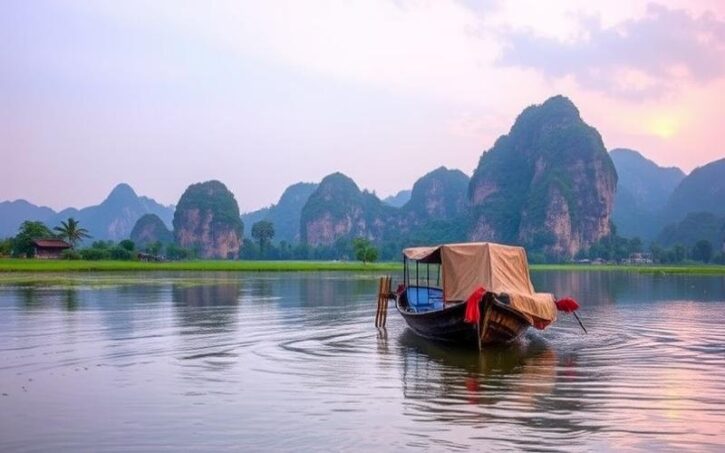
Nestled in the heart of Southeast Asia, the majestic Lao People’s Democratic Republic, often simply known as Laos, attracts travelers seeking adventure and serenity. This fascinating country unfolds a tapestry of stunning landscapes, ranging from lush green mountains to fertile plains crisscrossed by the Mekong, dotted with cultural and historical gems.
Step into the Enchanting World of Luang Prabang
Listed as a UNESCO World Heritage site for its shimmering Buddhist temples, and let yourself be captivated by the mystical atmosphere of the spiritual quests of Vientiane. From colorful festivities to bustling markets, and the wild beauty of the Plain of Jars, every corner of Laos has its own character, promising a unique experience for every visitor eager for unforgettable discoveries.
Must-See Wonders in Laos
Unmissable Natural and Historical Sites in Laos
| Site | Description | Experiences to Have |
|---|---|---|
| Luang Prabang | UNESCO World Heritage city, colonial architecture, and Buddhist temples. | Tak Bat ceremony, local markets |
| Plain of Jars | Xieng Khouang plateau, thousands of stone jars dating from the Bronze Age. | Archaeological discovery, unique landscapes |
| Kuang Si Waterfalls | Three-tiered turquoise cascades near Luang Prabang, natural pools for swimming. | Trekking, swimming, bear rescue center |
| Wat Phu | UNESCO-listed Hindu temple, panoramic view of the Mekong and ancient ruins. | Historical exploration, panoramic view |
| Nam Ha National Park | Biodiversity reserve in the northwest, primary forests, rivers, and ethnic villages. | Trekking, wildlife observation, cultural immersion |
Unique Cultural Experiences
Participating in Tak Bat: At sunrise in Luang Prabang, witness the silent procession of monks receiving offerings of sticky rice. Respect the tradition by wearing modest clothing and remaining discreet while giving alms.
Local Markets: Stroll through the markets of Luang Prabang, Vientiane, or Pakse. Discover handicrafts, taste specialties like laap or mok pa, and soak in the authentic atmosphere.
Biodiversity and Adventures
Nam Ha National Park: A biodiversity hotspot, home to elephants, monkeys, rare birds, and many plant species. Multi-day trekking, kayaking, and homestays in ethnic minority villages are possible.
Kuang Si Waterfalls: Besides swimming, explore forest trails, visit the butterfly park, and the bear rescue center.
Mekong River: River cruises to observe local life, Irrawaddy dolphins in the Si Phan Don region (the 4,000 Islands).
Nam Ou Canyon: A spectacular area for kayaking, hiking, and discovering traditional villages.
Practical Tips for Exploring Laos
Best Time to Visit: The dry season, from November to April, offers pleasant weather and easy access to natural sites. The waterfalls are particularly spectacular at the start of the dry season.
Recommended Transportation:
- For Luang Prabang, Kuang Si, local markets: Tuk-tuk, taxi, bicycle, or minibus from the city center.
- Plain of Jars: Bus or minivan from Vientiane or Luang Prabang; car rental possible.
- Nam Ha Park: Access from Luang Namtha, by bus or minivan; organized excursions via local agencies.
- Waterfalls and national parks: Prefer guided excursions or scooter rental for more flexibility.
Respecting Customs: Wear covering clothing when visiting temples or during tak bat; ask permission before photographing locals.
To fully enjoy the natural and cultural wonders of Laos, prioritize responsible stays that respect the environment and local traditions.
Good to Know:
Visit splendid Luang Prabang from November to February for pleasant weather and attend the tak bat at dawn; to explore the Plain of Jars and Nam Ha Park, opt for a local guide and prefer bus travel for more comfort.
Paths to Adventure: How to Explore Laos
Popular and practical means of transportation for exploring Laos:
- Bus: Long-distance buses connect major cities like Vientiane, Luang Prabang, Savannakhet, and Pakse. Departures are mainly from central bus stations in each city. Local buses also provide links to nearby attractions, such as Buddha Park from Vientiane (line 14). Fares are affordable and the network, though sometimes slow, covers a large part of the country.
- Tuk-tuk: Present in all cities and often near markets or stations, tuk-tuks are ideal for urban travel and short excursions. It is advisable to negotiate the fare before departure. Electric tuk-tuks, like those offered by Kokkok in Vientiane, provide an eco-friendly option.
- Minivan and Songthaew: Minivans serve popular tourist circuits and are faster than regular buses. Songthaews (converted pickups) function as cheap local buses for trips between villages or peripheral neighborhoods.
- Motorbike or Bicycle Rental: Motorbike rental is widespread in tourist cities. It offers great freedom to explore rural or mountainous surroundings. Bicycles are suitable for cities like Luang Prabang or small towns, allowing a peaceful immersion into local life.
- Hiking: To explore rural areas and mountains, hiking is essential. Several marked trails start from around Luang Prabang, Vang Vieng, or Nong Khiaw, allowing you to discover spectacular landscapes and authentic villages.
Tips for Travelers Interested in Exploring Rural and Mountainous Regions:
- Prioritize motorbike rental to reach isolated villages or remote natural sites.
- Bring appropriate clothing, good shoes, and enough water for hikes.
- Check the weather and road conditions before any mountain travel.
- Respect local customs and ask permission before photographing locals.
- For the northern mountainous regions, the dry season (November to March) is ideal, with pleasant temperatures and passable roads.
Summary Table of Main Means of Transportation:
| Means of Transport | Where to Find It | Advantages | Disadvantages |
|---|---|---|---|
| Bus | Bus stations | Cheap, extensive network | Long journeys, variable schedules |
| Tuk-tuk | Markets, stations, streets | Flexible, negotiable | Fluctuating price, variable comfort |
| Minivan | Agencies, stations | Fast, tourist circuits | Limited seats, fixed departures |
| Songthaew | Local stops, markets | Very economical, local immersion | Uncomfortable, crowded |
| Motorbike/bicycle | Shops, hotels | Freedom, independent discovery | Road risk, weather |
| Hiking | Trails, local agencies | Scenery, authentic villages | Physical effort, weather |
Ideal Starting Points for an Adventure:
- Luang Prabang: Perfect base to radiate towards northern villages, Kuang Si waterfalls, or start a Mekong cruise.
- Vientiane: Ideal for exploring central Laos, heading to Buddha Park, or reaching Vang Vieng and its karst landscapes.
Typical Itineraries Highlighting the Diversity of Landscapes and Cultures:
- Vientiane → Vang Vieng → Luang Prabang Circuit: Discover temples, caves, the Mekong, and mountains.
- Thakhek Loop: Motorbike route through plateaus, caves, and rural villages.
- Northern Mountain Route: Luang Prabang → Nong Khiaw → Muang Ngoi, for hiking and meeting ethnic minorities.
Best Times to Visit:
- November to March: Dry season, ideal for hiking, motorbiking, and cultural visits.
- April to October: Rainy season, roads sometimes impassable in mountains, but lush landscapes and fewer tourists.
To Remember:
For an authentic adventure in Laos, combine local means of transport, prioritize the dry season, and start from major cities to explore the country’s natural and cultural richness.
Good to Know:
To explore Laos, prefer bus or tuk-tuk for urban trips; for rural adventures, opt for motorbike or bicycle. Luang Prabang and Vientiane are excellent starting points for typical circuits, especially pleasant from November to February to fully appreciate the varied landscapes.
Staying at the Heart of Lao Culture: Tips and Tricks
Staying in traditional accommodations allows for an authentic immersion in Lao culture. Prioritize:
- Family homestays, often run by locals, offering a warm welcome, direct exchanges with residents, and discovery of daily Lao life.
- Eco-lodges, such as Kamu Lodge, Kingfisher Ecolodge, or La Folie Lodge, which blend traditional architecture, modern comfort, and integration into nature. These establishments promote sustainable tourism and interaction with local communities.
- Charming boutique hotels decorated in Lao style, often located along the Mekong or in historic city centers like Luang Prabang or Vientiane.
Comparative Table of Immersive Accommodations:
| Type of Accommodation | Main Features | Recommended Locations |
|---|---|---|
| Family homestay | Personalized welcome, local meals, cultural immersion | Vientiane, Luang Prabang, rural villages |
| Eco-lodge | Traditional construction, nature, sustainable activities | Kamu Lodge, Kingfisher, La Folie Lodge |
| Boutique hotel | Local architecture, comfort, unique setting | Luang Prabang, Vientiane, Vang Vieng |
Participating in Local Cultural Life
To participate in local cultural life, include activities such as:
- Artisan workshops (weaving, pottery, traditional paper making).
- Lao cooking classes offered by some accommodations or culinary schools, allowing you to discover the secrets of laap, mok, or tam mak hoong.
- Guided tours with locals, who share their knowledge about the customs, history, and traditions of Laos’s different ethnic groups.
Tips for Respecting Local Customs and Traditions
- Dress code: Wear covering clothing (shoulders and knees) when visiting temples or traditional villages.
- Greetings: Practice the “nop,” a local greeting with hands joined at chest level and a slight bow of the head.
- Behavior in temples: Remove your shoes, remain silent, do not touch the heads of Buddha statues, avoid pointing your feet towards monks or sacred images.
- Respect for private space: Ask permission before taking photos, especially in villages or during ceremonies.
Cultural Events and Festivals Not to Miss
- Pii Mai Lao (Lao New Year, mid-April): Lively celebrations, processions, dances, and water rituals.
- Boun Ok Phansa (end of Buddhist Lent, October): Boat races and lantern releases.
- Boun That Luang in Vientiane (November): Grand pilgrimage to the sacred stupa, processions, and festive markets.
- Boun Bang Fai (Rocket Festival, May-June): Launches of homemade rockets to call for rain, traditional dances and music.
Where to Taste Local Cuisine
- Night markets in Luang Prabang and Vientiane: Ideal for tasting local specialties (skewers, soups, salads, sweets).
- Street food stalls for quick and typical dishes, like khao soi, nem, or sticky rice.
- Traditional family-run restaurants, often located along the Mekong or in historic centers.
- Guest tables in family homestays, offering homemade meals based on garden or market produce.
To Remember
Lao hospitality is remarkable, marked by generosity, discretion, and friendliness. Opening up to encounters, respecting customs and traditions, and getting involved in local activities allows for an unforgettable and respectful stay, close to the cultural richness of Laos.
Good to Know:
Opt for family homestays or eco-lodges for an authentic immersion, and respect local traditions by wearing appropriate attire in temples. Participate in artisan workshops or Lao cooking classes, and be sure to taste local specialties at markets or street stalls.
Disclaimer: The information provided on this website is for informational purposes only and does not constitute financial, legal, or professional advice. We encourage you to consult qualified experts before making any investment, real estate, or expatriation decisions. Although we strive to maintain up-to-date and accurate information, we do not guarantee the completeness, accuracy, or timeliness of the proposed content. As investment and expatriation involve risks, we disclaim any liability for potential losses or damages arising from the use of this site. Your use of this site confirms your acceptance of these terms and your understanding of the associated risks.

Cyril Jarnias is an independent expert in international wealth management with over 20 years of experience. As an expatriate himself, he is dedicated to helping individuals and business leaders build, protect, and pass on their wealth with complete peace of mind.
On his website, cyriljarnias.com, he shares his expertise on international real estate, offshore company formation, and expatriation.
Thanks to his expertise, he offers sound advice to optimize his clients' wealth management. Cyril Jarnias is also recognized for his appearances in many prestigious media outlets such as BFM Business, les Français de l’étranger, Le Figaro, Les Echos, and Mieux vivre votre argent, where he shares his knowledge and know-how in wealth management.





