
 Published on and written by Cyril Jarnias
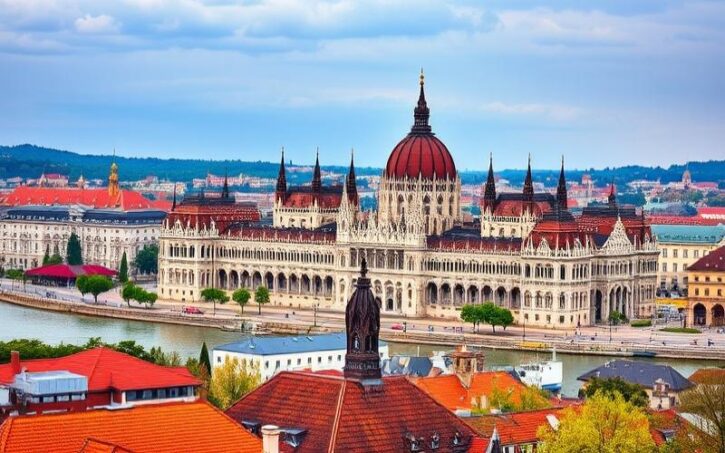
Hungary, a Central European country with a rich historical and cultural heritage, attracts many expatriates drawn to its quality of life and professional opportunities. However, settling in a new country means adapting to a different culture. Here is a comprehensive guide to the cultural differences you should know before packing your bags for Budapest or any other Hungarian city.
Hungarian Etiquette: Social Codes to Master
Hungarians place great importance on good manners and politeness in their social interactions. Understanding and respecting these codes will help you integrate more easily and avoid cultural misunderstandings.
Greetings: In Hungary, a handshake is the most common form of greeting, both in professional and personal settings. It is usually firm and accompanied by direct eye contact. Men typically wait for women to extend their hand first. In more intimate settings, close friends may kiss each other on both cheeks, starting with the left.
Punctuality: Hungarians are generally punctual and expect others to be as well, especially in professional contexts. Arriving late to a business meeting or dinner can be seen as a sign of disrespect.
Formal vs. Informal Address: The Hungarian language distinguishes between informal and formal address. In formal or professional settings, it is customary to use the formal form until the other person suggests switching to the informal. This rule also applies to older individuals or those in higher positions.
Table Etiquette: During a meal, it is common to wait for the host to start eating before serving yourself. It is also polite to try all the dishes offered. Hungarians enjoy lively conversations during meals, but avoid sensitive topics like politics or the country’s recent history.
Good to Know:
In Hungary, it is considered rude to clink glasses with beer. This tradition dates back to 1849, when Austrians celebrated the execution of 13 Hungarian generals by clinking beer glasses. Since then, Hungarians have avoided this practice out of respect for their history.
Between Tradition and Modernity: Hungarian Customs to Discover
Hungary is a country proud of its traditions, which are evident in many aspects of daily life and celebrations. Understanding these customs will help you better appreciate the local culture and build deeper connections with Hungarians.
National Holidays: Hungarians celebrate their national holidays with fervor, especially March 15 (commemorating the 1848 revolution), August 20 (St. Stephen’s Day, founder of the Hungarian state), and October 23 (commemorating the 1956 revolution). These days feature parades, concerts, and fireworks.
Gastronomy: Hungarian cuisine holds a central place in the country’s culture. Traditional dishes like goulash, paprika csirke (chicken paprikash), or lángos (fried bread) are more than just food; they are a true cultural heritage. Sharing a meal is an important way to socialize and build bonds.
Thermal Baths: Hungary is famous for its thermal baths, a legacy of Ottoman occupation. Visiting these baths is not just a leisure activity but also an important social tradition. They are a place for meeting and relaxation, where Hungarians enjoy gathering to chat and unwind.
Superstitions: Although Hungary is a modern country, some superstitions persist. For example, it is considered bad luck to clink glasses with an empty glass or to sit at the corner of a table (which is said to prevent marriage for seven years).
Good to Know:
On March 1, Hungarians celebrate “Márciuska,” a tradition where small red and white bracelets are given to loved ones to wish them health and happiness for the coming year. This custom, shared with other countries in the region, symbolically marks the arrival of spring.
Avoiding Faux Pas: A Cultural Survival Guide for Hungary
To integrate smoothly into Hungarian society, it is important to be aware of certain behaviors to avoid and to adopt the right attitudes. Here are some tips for navigating your new expat life in Hungary with ease.
Respect the History: Hungary has a turbulent history, marked by difficult periods like Soviet occupation. Avoid hasty comparisons or insensitive comments on these topics. Instead, show curiosity and openness to learning about the country’s history from Hungarians themselves.
Learn a Few Words of Hungarian: Although many Hungarians speak English, especially in larger cities, making an effort to learn a few basic phrases in Hungarian will be greatly appreciated. The Hungarian language is complex, but even a simple “Köszönöm” (thank you) or “Jó napot” (good day) can open many doors.
Avoid Constant Comparisons: Resist the temptation to constantly compare Hungary to your home country, especially in a negative way. Hungarians are proud of their country and culture, and unfavorable comparisons may be poorly received.
Be Patient with Bureaucracy: Administrative procedures in Hungary can sometimes seem complex or slow to a foreigner. Arm yourself with patience and don’t hesitate to ask your Hungarian colleagues or friends for help navigating these processes.
Respect Culinary Traditions: Hungarian cuisine is a point of national pride. Even if some dishes seem unusual to you, keep an open mind. Tasting and appreciating local food is a great way to show respect for the country’s culture.
Good to Know:
In Hungary, it is common to celebrate “névnap” or name days, in addition to birthdays. Each first name has its own day on the calendar, and it is customary to congratulate friends and colleagues on their “névnap.” This is an extra opportunity to socialize and strengthen bonds.
Moving to Hungary offers a unique opportunity to discover a rich and fascinating culture. By understanding and respecting cultural differences, you can not only avoid faux pas but also create genuine connections with locals. The key to successful integration lies in open-mindedness, patience, and a willingness to embrace new ways of living and thinking.
Whether you settle in Budapest, the vibrant capital, or a smaller city like Debrecen or Szeged, each day will be a new cultural adventure. Enjoy this experience to broaden your horizons, learn a new language, and create unforgettable memories in this beautiful country at the heart of Europe.

Cyril Jarnias is an independent expert in international wealth management with over 20 years of experience. As an expatriate himself, he is dedicated to helping individuals and business leaders build, protect, and pass on their wealth with complete peace of mind.
On his website, cyriljarnias.com, he shares his expertise on international real estate, offshore company formation, and expatriation.
Thanks to his expertise, he offers sound advice to optimize his clients' wealth management. Cyril Jarnias is also recognized for his appearances in many prestigious media outlets such as BFM Business, les Français de l’étranger, Le Figaro, Les Echos, and Mieux vivre votre argent, where he shares his knowledge and know-how in wealth management.





