
 Published on and written by Cyril Jarnias
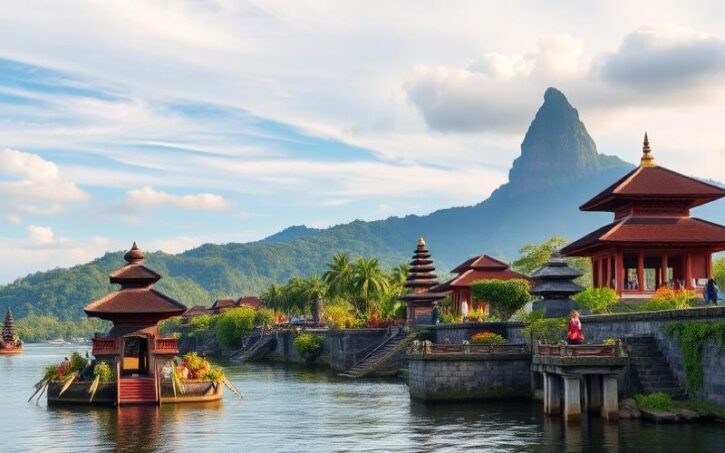
In the heart of Indonesia, Bali is emerging as a sought-after destination not only for its paradisiacal landscapes but also for its rapidly expanding market of senior living residences. The island, known for its rich culture and pleasant climate, is attracting an increasing number of retirees seeking a living environment that is both peaceful and vibrant.
The rise of these residences reflects a rapid transformation where well-being, security, and community become priorities for this population in search of new experiences. In this article, we explore how Bali is now positioning itself as a key player in this sector, attracting investors and retirees from around the world.
Understanding the Senior Living Residence Market in Bali
The recent evolution of the senior living residence market in Bali fits within the context of rapid transformation in the local real estate sector, marked by growing demand and diversification of offerings. This dynamic is fueled by several economic, social, and cultural factors.
Factors Influencing the Market
- Stable local economic growth and enhanced international tourism appeal strengthen Bali’s visibility among real estate investors.
- Gradual aging of the Indonesian population, although less pronounced than in Europe, is beginning to generate a need for suitable accommodations for affluent seniors.
- Balinese cultural appeal and quality of life attract expatriate retirees looking for an exotic yet comfortable setting for their retirement.
Growing Demand: Demographic Profile
Demand for senior living residences in Bali primarily comes from:
- Expatriate retirees (particularly Europeans, Australians, or Japanese), attracted by the tropical climate, moderate cost of living, and facilitated access through the retirement visa (Retirement KITAS), available from age 60 with proof of sufficient income.
- An expanding affluent Indonesian class seeking high-end solutions combining security, modern comfort, and personalized services.
Current Offerings: Types of Services and Facilities
Current residences typically offer:
- Adapted accommodations (apartments or villas with accessibility features)
- On-site dining
- Basic medical services or partnerships with local private clinics
- Wellness spaces (pool, spa, fitness room)
- Supervised social/cultural activities
- 24/7 security
| Type of Offering | Main Characteristics |
|---|---|
| Non-branded residence | Independent apartments/villas with shared services |
| Branded residence | International hotel management (e.g., Mandarin Oriental) |
| Micro-apartments | More affordable solution targeting limited budgets |
Impact of Tourism & Public Policies
Tourism dynamism has fostered the rapid rise of branded residences managed by international hotel groups. The Indonesian state encourages this segment through relative regulatory flexibility on foreign investments in certain hotel complexes integrating senior offerings. However:
- The total proportion remains modest (around 15%) compared to the overall residential stock.
The legislative framework remains evolving: strict requirements on land ownership for foreigners but increased possibilities through adapted legal structures.
Future Opportunities & Challenges
Opportunities
- Continued growth expected due to the anticipated massive arrival of Asian/Western expatriate retirees.
Challenges
- Need to further adapt local medical infrastructure to specific aging-related needs.
Regulatory Risks
- Possible strengthening of land or tax restrictions aimed at protecting the local social fabric against the internationalization of the real estate sector.
Major Issues:
- Reconciling economic development linked to senior tourism with Balinese sociocultural preservation
- Maintaining attractiveness while ensuring environmental sustainability
The rapid transformation of the market suggests a progressive move upmarket as well as increased specialization towards “medicalized luxury” likely to attract both domestic and international wealthy clientele.
Good to Know:
The senior living residence market in Bali is experiencing strong growth, a phenomenon accentuated by an increase in Western retirees seeking a paradisiacal haven at reasonable costs, as well as affluent Indonesians in search of premium solutions. Economic factors such as an attractive cost of living, combined with a well-developed tourism infrastructure, favor this trend. Residences often offer health services, social activities, and easy access to nature and local culture. Thriving tourism and a government policy encouraging foreign investments stimulate the rapid development of the sector, although land regulation remains a major challenge. In the future, the market will need to balance service innovation and sustainability, while adapting to an increasingly diverse demand.
The Rise of Medicalized Residences in Bali: Alternatives to Traditional Nursing Homes
The growing demand for medicalized residences in Bali is explained by a combination of demographic, economic, and cultural factors. Increasing life expectancy in Western countries and the rapid aging of European populations are pushing a growing number of retirees to seek alternatives to traditional nursing homes, often perceived as impersonal or too expensive. Bali stands out as a preferred destination thanks to its temperate tropical climate, its cost of living lower than that of major European and Australian cities, and a culturally rich environment promoting well-being.
The reasons for this success are multiple:
- Pleasant climate year-round: mild temperatures, soothing natural environment.
- Affordable cost: medical services and accommodation less expensive than in home countries.
- Balinese culture oriented towards care: warm welcome, respect for elders ingrained in society.
- Modern infrastructures in full expansion, particularly around the Sanur area with the creation of the Bali International Hospital and a special economic zone dedicated to medical tourism offering specialized hospitals, international clinics, and integrated paramedical services.
Comparative Table: Medicalized Residences in Bali vs Traditional Nursing Homes
| Criterion | Medicalized Residences in Bali | Traditional Nursing Homes |
|---|---|---|
| Climate | Mild tropical year-round | Variable by region |
| Cost | More affordable | Often high |
| Services | Personalized care + wellness (spa, yoga) | Standardized care |
| Infrastructure | Modern & integrated (hospital/clinic/hotel) | Often institutional |
| Quality of Life | Varied activities & exotic setting | Limited activities |
| Cultural Approach | Deep respect towards seniors | Sometimes perceived as impersonal |
Balinese Residences Offer:
- High-end accommodation with private rooms or suites
- Direct access to specialized medical care (cardiology, orthopedics…)
- Holistic care: psychological support, adapted physical activities (therapeutic yoga), creative workshops
- Wellness spaces: traditional Balinese spa, therapeutic pools
- Adapted nutrition developed by dietitians
Innovative Examples:
Sanur Health Special Economic Zone brings together international hospitals (Bali International Hospital), 5-star hotels associated with the health/wellness sector, and clinics collaborating with care teams from nine different countries. This unique model aims for a comprehensive experience combining cutting-edge care and optimal quality of life.
The expected economic impact is twofold: stimulation of the tourism sector outside the classic season thanks to a new international senior clientele; creation of qualified local jobs in the medico-social field. In the long term, this could encourage Indonesian authorities to adapt their public policy to further facilitate long-stay reception of foreign seniors while investing massively in local specialized medical training.
Balinese medicalized residences are thus profoundly redefining the notion of international geriatric care through their innovative offering centered on quality of living as much as on medical care.
Good to Know:
In Bali, the rise of medicalized residences as alternatives to traditional nursing homes is explained by growing demand from retirees, attracted by the mild climate, advantageous cost of living, and welcoming culture. These residences stand out for their modern infrastructure, personalized care, and superior quality of life. Unlike traditional nursing homes often perceived as impersonal, these establishments offer cultural activities and innovative therapies adapted to the individual needs of residents. Notable examples include “Living Well Bali” and “Bali Elderly Care,” which stand out for their innovative solutions in gerontology. The economic impact of this residential boom could stimulate local employment and influence new public policies focused on the senior sector.
Investment Opportunities in the Senior Healthcare Sector in Bali
Bali is attracting a growing number of seniors, both local and foreign, thanks to a unique combination of demographic factors, expanding medical offerings, and a solid tourism infrastructure that supports the development of the healthcare sector.
Key Factors Making Bali Attractive to Investors:
- Senior demographic growth: The island welcomes more international retirees each year, drawn by its affordable cost of living and privileged natural setting. Retiree communities are structuring around adapted real estate offerings and a dynamic social network.
- Limited but growing geriatric service offerings: Bali now has modern medical infrastructure, notably with the recent opening of a new international hospital in 2024. However, access to specialized care remains limited in some areas, creating a need for more specialized clinics and services adapted to seniors.
- Tourism appeal stimulating infrastructure: Excellent air connectivity, quality tourism infrastructure (transport, accommodations), and the increased presence of expatriates reinforce the rapid development of the private medical sector.
Specific Opportunities in the Senior Healthcare Sector in Bali
| Segment | Concrete Opportunities |
|---|---|
| Specialized Clinics | Creation or management of dedicated centers (geriatrics, post-surgery rehabilitation) |
| Medicalized Residences | Integrated real estate development with 24/7 care and paramedical assistance |
| Digital Health | Implementation or partnership on telemedicine adapted to seniors (chronic disease monitoring) |
Other Associated Opportunities
- Complementary services: advanced physiotherapy, alternative medicine (acupuncture…), supervised social activities
- Bilingual digital platforms for secure medical management
Recent Data on Geriatric Needs
Private establishments today offer high standards but remain few in number relative to the growing potential linked to local and expatriate demographic aging. Demand particularly focuses on:
- Monitoring of chronic pathologies
- Comprehensive care with medico-social integration
- Innovative services through digitalization (multilingual accessible electronic medical records)
Incentives for Foreign Investors
Bali offers various advantages:
- High rental yields that can reach up to 12% in some real estate projects focused on senior healthcare
- Attractive local taxation under specific conditions
- Possibility for older foreigners (+55 years) obtaining a dedicated retirement visa facilitating their long-term settlement
Public-Private Partnerships
The recent emergence of the new international hospital illustrates a proactive policy aimed at attracting private capital while guaranteeing a qualitative upgrade of public offerings. These partnerships often allow:
- Facilitated access to land intended for medical projects
- Logistical or financial support for technological innovations targeting senior well-being
Influence of Global Trends on Bali
Accelerated digitalization of care (telemedicine), global enthusiasm for premium service residences, and increased international mobility are rapidly transforming the Balinese landscape. European or Australian models already inspire some local players betting on a high-end offering blending hotel comfort and medical expertise.
Key Takeaway: The Balinese market combines strong structural growth on the senior demand side & varied opportunities on the specialized supply side — supported by an incentive environment for foreign investors open to innovation in the medico-social field.
Synthetic List of Major Assets:
- Dynamic local/expatriate senior population
- Modernized hospital infrastructure
- High real estate profitability oriented towards “seniors”
- Increased needs for adapted digital solutions
- Possible support through public-private partnerships
Good to Know:
Bali is becoming a destination of choice for investments in the senior healthcare sector, thanks to a rapidly expanding demography and a still limited but fast-growing care offering. The development of specialized clinics and residences with integrated medical services meets the growing demand for geriatric care, accentuated by the island’s tourism appeal which stimulates local infrastructure. Opportunities are reinforced by the emergence of digital health technologies adapted to seniors, serving to optimize care and reduce costs. Incentives for foreign investors, combined with public-private partnerships, represent important levers to energize this sector. According to recent studies, the senior care market in Bali is still under-exploited but follows a global trend of increasing investments in the healthcare sector, creating a favorable environment for innovations and the development of infrastructure adapted to an aging population.
Disclaimer: The information provided on this website is for informational purposes only and does not constitute financial, legal, or professional advice. We encourage you to consult qualified experts before making any investment, real estate, or expatriation decisions. Although we strive to maintain up-to-date and accurate information, we do not guarantee the completeness, accuracy, or timeliness of the proposed content. As investment and expatriation involve risks, we disclaim any liability for potential losses or damages arising from the use of this site. Your use of this site confirms your acceptance of these terms and your understanding of the associated risks.

Cyril Jarnias is an independent expert in international wealth management with over 20 years of experience. As an expatriate himself, he is dedicated to helping individuals and business leaders build, protect, and pass on their wealth with complete peace of mind.
On his website, cyriljarnias.com, he shares his expertise on international real estate, offshore company formation, and expatriation.
Thanks to his expertise, he offers sound advice to optimize his clients' wealth management. Cyril Jarnias is also recognized for his appearances in many prestigious media outlets such as BFM Business, les Français de l’étranger, Le Figaro, Les Echos, and Mieux vivre votre argent, where he shares his knowledge and know-how in wealth management.





