
 Published on and written by Cyril Jarnias
Nestled in the heart of the Balkans, North Macedonia offers immense potential for discerning investors seeking authentic and cultural projects. With its picturesque villages preserving centuries-old traditions, the country opens a wide range of opportunities through 2025, capitalizing on the rise of alternative and eco-friendly tourism.
As the world increasingly searches for unique destinations away from mass tourism, investing in these architectural and cultural gems not only revitalizes these communities but also promises attractive and sustainable returns for those who appreciate their authenticity.
Investing in North Macedonian Villages: A Unique Opportunity
Investing in North Macedonian villages represents a unique opportunity thanks to the combination of economic, cultural, and tourist assets, strengthened by attractive government and local initiatives.
Key Economic Strengths:
- Favorable tax incentives for foreign investors
- Business-friendly conditions for SMEs and startups
- Strategic position in the heart of the Balkans facilitating access to regional markets
- Opportunities in key sectors such as:
- Real estate (particularly tourism-related)
- Agri-food (innovative agriculture, local products)
- Tourism (ecotourism, rural heritage)
Comparative Table of Sectoral Opportunities
| Sector | Investment Potential | Specific Strength |
|---|---|---|
| Real Estate | High | Attractive prices, rapid tourism development |
| Agri-food | Growing | Fertile lands, traditional know-how |
| Tourism | Very High | Authentic villages, preserved nature |
Government and Local Initiatives:
- Major European grants for sustainable rural development
- Support for improving vital infrastructure: drinking water, modern sanitation
- Programs for preserving cultural and natural heritage
Cultural and Tourist Assets:
Remarkable landscape diversity: lush mountains, fertile agricultural valleys, crystal-clear lakes
Living authenticity of village traditions: unique folk festivals, rich local gastronomy
Potential to develop experiential tourism centered on discovering the terroir
List of Key Elements Making These Investments Attractive for 2025 and Beyond:
- Strong commitment to sustainable development
- EU-funded projects to preserve the local environment
- Notable reduction in energy consumption thanks to new eco-friendly infrastructure
- Active fight against climate change effects through responsible natural resource management
- Proactive preservation of tangible and intangible local heritage
- Publicly supported restoration of historic village sites
- International promotion of traditional crafts
Thus, North Macedonia offers an environment conducive to sustainable investment combining interesting economic returns and a positive impact on the local social fabric.
Good to Know:
Investing in North Macedonian villages represents a unique opportunity thanks to an attractive combination of economic, cultural, and tourist factors. In 2025, the government and local authorities are actively encouraging investments with initiatives favoring investor reception, particularly in real estate, agri-food, and tourism. The diverse landscapes, ranging from majestic mountains to fertile plains, along with the authenticity of cultural traditions, provide an idyllic setting for developing sustainable tourism. These villages preserve their rich local heritage while adopting sustainable development perspectives that appeal to environmentally conscious investors. With real estate properties often at attractive prices and a traditional agricultural economy with promising outlets, these regions are becoming hubs for anyone wishing to combine profitability and cultural preservation in a serene and authentic setting.
North Macedonia’s Rural Regions: An Authentic Heritage to Discover
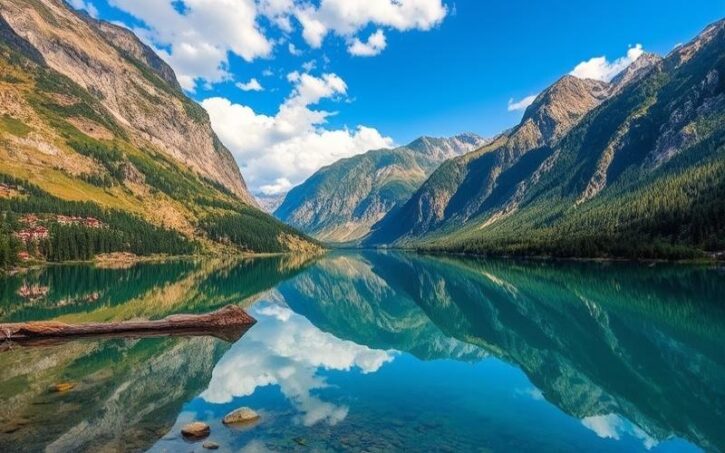
North Macedonia’s rural regions stand out for their preserved authenticity and unique charm, true witnesses of a living heritage to discover. These villages, often nestled in spectacular mountain landscapes or on the shores of crystal-clear lakes like Ohrid and Prespa, offer an exceptional natural setting: forests covering over a third of the territory, fertile valleys, and vast plateaus dotted with isolated hamlets.
| Characteristics | Notable Details |
| Traditional Architecture | Stone or wood houses with red tile roofs; picturesque medieval centers (e.g., Kratovo); Ottoman bridges and historic defensive towers. |
| Natural Landscapes | Mountains (Mavrovo, Galicica, Pelister National Parks), lakes (Ohrid, Prespa), abundant forests. |
| Local Customs | Living traditional festivals (folk dances in Galicnik), local crafts (weaving, pottery), legendary hospitality of the inhabitants. |
Macedonian rural life is paced by strong values of solidarity and a still very present family agriculture. Local markets overflow with fresh products: sun-drenched fruits, varied vegetables, and rustic culinary specialties such as fasolada or freshly caught fish.
The villages offer visitors an immersion in an ancestral way of life:
- Participation in traditional festivals
- Discovery of thousand-year-old Byzantine churches
- Walks in cobblestone alleys lined with craft workshops
Cultural authenticity, combined with the intact natural beauty of UNESCO sites like Lake Ohrid or mountain nature reserves, represents a major economic opportunity through the development of sustainable tourism:
- Accommodation in renovated traditional houses
- On-site cultural workshops to enhance local know-how
- Eco-friendly tours respectful of the environment
Initiatives are emerging to support these dynamics while protecting heritage:
- Incentive programs to renovate without distorting typical architecture
- Support for organic farming cooperatives and short food supply chains
- Official promotion of rural tourism through regional cultural festivals
Potential Challenges & Proposed Solutions:
List of challenges:
- Geographical isolation limiting tourist access off-season.
- Risk of rural exodus among youth.
- Fragility of local infrastructure in the face of poorly managed tourist influx.
Proposed solutions:
- Targeted investments in sustainable rural transport.
- Local professional training in responsible tourism.
- Public/private partnerships to restore without altering authentic character.
⧫ By betting on the active preservation of rural cultural heritage while integrating reasoned tourist innovation, these Macedonian villages can establish themselves as inspiring models combining local economic development and environmental conservation. ⧫
Good to Know:
North Macedonia’s rural regions offer an authentic heritage, ideal for those looking to invest in villages with intact charm. Their traditional architecture, often in stone and wood, coexists harmoniously with stunning natural landscapes, ranging from picturesque mountains to fertile valleys. Local customs, such as folk festivals or gastronomy inherited from several generations, enrich the cultural experience for visitors. With the support of preservation and sustainable development initiatives, these villages are often perfect candidates for investing in responsible tourism. Plans include improved infrastructure and training for residents, ensuring a flourishing local economy while respecting the environment. However, it is crucial to overcome challenges such as limited access to modern services and retention of the local population. Solutions like public-private partnerships, combined with a participatory approach with communities, prove effective for achieving sustainable and respectful investment.
Rural Real Estate in North Macedonia: A Promising Market
Rural real estate in North Macedonia is attracting growing interest, particularly due to sustained price increases and heightened demand from local and international investors.
Current Market Trends
- Real estate prices rose by over 20% between 2021 and 2022, with an upward trend confirmed in subsequent years.
- This dynamic concerns both urban and rural areas, where renewed interest is observed for traditional, agricultural, or green tourism properties.
- Demand is strong in regions like Ohrid, known for its UNESCO-listed lake and surrounding villages (Trpejca, Radožda), as well as in the southwest around Bitola or near the Albanian/Greek borders.
| Region | Property Type | Average Price per m² (€) |
| Ohrid (villages) | Renovated stone houses | 700 – 1,200 |
| Bitola (countryside) | Traditional farms | 500 – 900 |
| Tikveš (wine region) | Agricultural land | 300 – 600 |
“Investing here today allows acquiring a traditional house less than an hour from the city center while enjoying exceptional nature. We’ve observed a clear acceleration in foreign demand over the past two years,” explains Goran D., a real estate agent based in Bitola.
Types of Properties Available
- Old village houses with vegetable gardens
- Small agricultural/viticultural farms
- Buildable land near major natural sites
- Renovated former sheepfolds
The variety allows buyers to target either primary residences or seasonal rental investments or agritourism.
Future Prospects
Prospects are promising thanks to:
- Gradual integration into European standards facilitating cross-border transactions;
- Technological development favoring remote work even in remote valleys;
- Expected effects of climate change that could enhance the relative attractiveness of mid-altitude Macedonian areas compared to heatwaves elsewhere in the region;
- An aging population prompting some rural municipalities to offer tax/administrative advantages to newcomers.
“As a French investor who bought near Ohrid three years ago, I’ve seen my property appreciate more than expected. The market remains accessible but is becoming very competitive in certain specific niches,” testifies Pierre L., private buyer.
Rural real estate in North Macedonia combines financial accessibility and strong heritage/tourism potential — positioning this sector among the most dynamic emerging European markets currently.
Good to Know:
Rural real estate in North Macedonia is experiencing notable growth, driven by current trends favoring a return to roots. Government initiatives to revitalize rural areas, combined with the growing appeal of a sustainable lifestyle, are stimulating this market. Villages such as Kratovo and Galichnik are becoming hotspots, where properties, often traditional stone houses, are traded at attractive prices compared to urban areas. Local experts emphasize that this interest is amplified by demand for authentic experiences and a tranquil living environment. The future of the sector seems promising, with increased potential thanks to technology, although climate and demographic changes could influence projections. Investors have already benefited from reforms and testify to the gains obtained by diversifying their investments in these regions.
Authenticity and Profitability: Why Choose North Macedonian Villages
The authenticity of North Macedonian villages is manifested through their traditional architecture, their unique cultural practices, and a preserved local lifestyle that attracts travelers seeking authentic experiences. For example, the village of Jance, nestled in a canyon at the heart of a mountainous landscape, captivates with its stone, wood, and cob houses arranged in harmony with the surrounding nature. These ancestral constructions testify to a know-how passed down through generations.
In these villages, daily life remains deeply marked by centuries-old traditions: gastronomic festivals like the pita festival in Jance where inhabitants compete to prepare this typical flaky pastry, peaceful coexistence between different faiths (church and mosque side by side), or local crafts perpetuated by families. In Kratovo or Tetovo as well, medieval architecture and colorful religious monuments offer a living backdrop to discover a rich and diverse culture.
This authenticity represents a tremendous opportunity to develop respectful projects such as:
- Traditional accommodations highlighting local architecture (e.g., “The House of the Miyaks” in Mavrovo)
- Restaurants offering regional cuisine prepared according to orally transmitted recipes
- Craft workshops allowing visitors to learn local techniques
| Sector | Specific Opportunities | Recent Examples |
|---|---|---|
| Accommodation | Renovated lodgings in traditional style | The House of the Miyaks (Mavrovo) |
| Restaurants | Enhancement of local products & recipes | Gastronomic festival in Jance |
| Crafts | Direct sales/Participatory workshops | Weaving/wood carving in Krusevo |
The growing enthusiasm for cultural and ecological tourism favors the profitability of these investments because it meets a strong international demand for authentic immersion. Visitors are willing to pay more to stay in renovated historic houses or participate in exclusive workshops led by the artisans themselves.
Recent local initiatives demonstrate this success: eco-friendly accommodations integrating local materials and sustainable management; family restaurants attracting foodies through word-of-mouth; customized guided tours linking built heritage, protected natural landscapes (national parks like Pelister or Mavrovo), and community experiences.
In the long term,
- These investments create sustainable jobs,
- Promote the maintenance or even renewal of the rural population,
- Support the living transmission of tangible and intangible heritage,
while preserving the environment through responsible practices promoted to both inhabitants and visitors.
“Natural and cultural curiosities abound around the village… Along its winding alleys, you’ll encounter picturesque scenes of life that have been perpetuated for generations.”
This model thus ensures not only a lasting positive economic impact but also a collective enhancement of the entire territory — without sacrificing its soul or natural resources.
Good to Know:
North Macedonian villages stand out for their preserved authenticity, with remarkable traditional architecture and unique cultural practices that attract visitors seeking authentic experiences. Investing in accommodation, dining, and local crafts proves particularly lucrative, by valuing these local traditions and meeting the growing demand for cultural and ecological tourism. For example, the village of Kratovo has experienced an economic revival thanks to projects respectful of local customs, attracting visitors for its stone houses and folk events. Adopting this model can maximize investment profitability while ensuring sustainable and respectful growth for communities and the environment.
Disclaimer: The information provided on this website is for informational purposes only and does not constitute financial, legal, or professional advice. We encourage you to consult qualified experts before making any investment, real estate, or expatriation decisions. Although we strive to maintain up-to-date and accurate information, we do not guarantee the completeness, accuracy, or timeliness of the proposed content. As investment and expatriation involve risks, we disclaim any liability for potential losses or damages arising from the use of this site. Your use of this site confirms your acceptance of these terms and your understanding of the associated risks.

Cyril Jarnias is an independent expert in international wealth management with over 20 years of experience. As an expatriate himself, he is dedicated to helping individuals and business leaders build, protect, and pass on their wealth with complete peace of mind.
On his website, cyriljarnias.com, he shares his expertise on international real estate, offshore company formation, and expatriation.
Thanks to his expertise, he offers sound advice to optimize his clients' wealth management. Cyril Jarnias is also recognized for his appearances in many prestigious media outlets such as BFM Business, les Français de l’étranger, Le Figaro, Les Echos, and Mieux vivre votre argent, where he shares his knowledge and know-how in wealth management.





