
 Published on and written by Cyril Jarnias
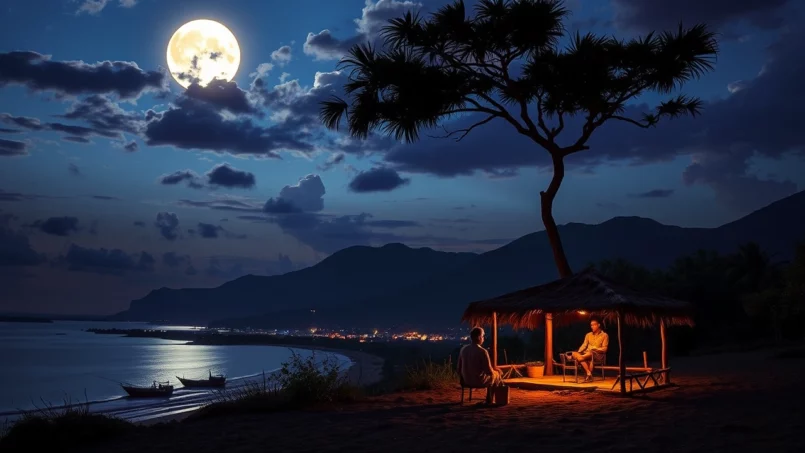
Tanzania first attracts with its safaris, beaches, and volcanoes. Yet, once the sun sets, the country reveals another facet: an amazingly vibrant nightlife scene that blends African rhythms, international influences, street food, beach bars, elegant rooftops, and clubs where people dance until dawn.
From Dar es Salaam to Zanzibar, via Arusha, Michamvi, or Paje, the nights are captivating. To enjoy the best neighborhoods and atmospheres, it’s essential to know the local cultural codes and take certain precautions for a smooth experience.
Dar es Salaam: The metropolis that almost never sleeps
Dar es Salaam, the country’s largest city and economic capital, is the urban heart of Tanzanian nightlife. Perched on the Indian Ocean, it combines very urban clubs, popular beach bars, sophisticated rooftops, and small local spots where you can listen to Bongo Flava or Taarab until late at night.
Neighborhoods to know for going out
At night, the liveliest places are concentrated in a few well-defined areas. This makes it easy to structure your evenings while limiting nighttime travel.
| Neighborhood / Area | Main Vibe | For Whom? |
|---|---|---|
| Masaki / Msasani | Trendy bars, clubs, chic restaurants | Expats, tourists, night owls seeking comfort |
| Oyster Bay / Coco Beach | Urban beach, open-air bars, street food | Relaxed outings, music, local crowd |
| City Center / Kivukoni | Rooftops with views, historic restaurants | Sunset cocktails, city dinners |
| Sinza / Kinondoni | Very local bars, low prices | Travelers seeking a “raw” experience |
| Kigamboni | Calmer beach bars, countryside side | Seaside getaway, more relaxed evening |
The Msasani Peninsula, and especially Masaki, concentrates a good portion of the addresses favored by travelers: you can find everything, from a good-natured sports bar to a very dressy club where the dress code is strictly smart-casual.
Rooftops and lounges with ocean views
Dar es Salaam offers several perfect spots to start the evening with a sunset over the Indian Ocean.
Among the most iconic, Level 8, located at the top of the Hyatt Regency, allows you to have a drink with a panoramic view of the harbor and coastline. This rooftop is famous for its cocktails, chic ambiance, and playlists blending international sounds and local music. In the same vein, High Spirit Lounge Bar, perched on the IT Plaza, offers an open-air atmosphere, with an unobstructed view and lounge spirit.
Located within the grounds of the Sea Cliff Hotel on the peninsula, Karambezi Café is one of the best places to dine or have a drink, offering a unique experience with its terrace overlooking the ocean, where waves break at its feet.
At Slipway, The Waterfront Sunset Restaurant & Beach Bar combines a seaside restaurant, bar, and a much-appreciated end-of-day vibe: people come for the view, grilled fish, a glass of wine or a Serengeti beer, and occasional live concerts.
Bars, clubs, and “pre-game” in Masaki
Masaki is the neighborhood where you typically move from dinner to first drink to clubbing. The range is wide, from the friendly brewpub to the high-energy nightclub.
Samaki Samaki, for example, is a classic starting point. It’s a restaurant-lounge known for its seafood dishes, grilled meats, and pre-night-out vibe. Open seven days a week, it hosts karaoke nights and attracts both affluent locals and expats. People order steak, ribs, fish, drink a Kilimanjaro beer or a cocktail with Konyagi, the local gin.
For dancing until late, Elements Nightclub is a flagship club located in Masaki/Oyster Bay. This rather intimate club with polished decor operates on the model of a Western urban club, with ID check at the entrance and proper attire required. People dance to Afrobeats, Bongo Flava, Amapiano, and international hits. The vibe usually picks up after 11 PM and peaks after midnight.
Other clubs complete this landscape: Havoc Nightspot, with a rooftop terrace and large dance floor; Ambiance Bar & Night Club, positioned in a more luxurious niche; Maison; and BLOCKHOUSE Bar and Night Club, more industrial in décor but just as festive. Mi Casa Lounge and Next Door Lounge cater more to those looking for a place to have a drink, shisha for some, and chat in spaces with gardens or terraces.
Coco Beach: Mix of beach, music, and street food
Coco Beach, also known as Oysterbay Beach, is the main urban beach in Dar es Salaam. During the day, people come to walk, play soccer, or drink a soda. In the evening, the atmosphere changes: stalls multiply, speakers blast Bongo Flava, reggae, or Mchiriku, and thousands of people gather, especially on weekends and holidays.
Places like Wavuvi or Makuti Beach Bar serve as landmarks: sound systems, DJs, sometimes live bands, grilled fish and seafood, nyama choma (grilled meat), mishkaki (skewers), and chips mayai (french fry omelette). Prices remain very affordable: a local beer often costs between 3,000 and 5,000 TSh, cocktails usually ranging from 8,000 to 15,000 TSh.
Located on Kigamboni Beach, Kijiji Beach Resort Bar offers a calmer and less crowded atmosphere than Coco Beach. They serve classic Tanzanian cuisine, with music and sometimes themed nights.
More local spots and live music
For more direct contact with the popular culture of Dar es Salaam, Sinza and certain areas of Kinondoni or Mikocheni are good places to explore. Kitamba Cheupe, for example, is a neighborhood bar that illustrates this “raw” vibe described by some travelers: very low prices (beers can go as low as 2,000 TSh), loud local music, a mostly Tanzanian clientele, and often a warm welcome.
Still on the live music front, Mango Garden, Triniti Bar in Oyster Bay, or Q Bar mix concerts, DJ sets, and lively nights. Q Bar, in particular, is a Dar nightlife institution, with a rooftop, live music, and a very diverse crowd. Elsewhere, Samaki Samaki or Cape Town Fish Market regularly book bands playing Taarab, reggae, soul, jazz, or Bongo Flava.
Mlimani City Conference Centre, Leaders Club, or Maisha Basement host major concerts and festivals. On big Bongo Flava event nights, the energy is spectacular: thousands of people sing along to hits by Diamond Platnumz, Ali Kiba, or Harmonize, in an atmosphere that speaks volumes about the importance of music in Tanzanian nightlife.
Zanzibar: Between beach parties, rooftops, and night markets
Across from Dar es Salaam, Zanzibar offers a completely different nocturnal setting. Here, nights out take place with your feet in the sand or on rooftops above the alleys of Stone Town, to the sound of Taarab, reggae, and electronic music, in an environment deeply marked by Swahili culture and Islam.
Stone Town: Rooftops, cocktails, and Taarab
Stone Town, the historic heart of Zanzibar City, is famous for its rooftops. The tradition is almost a rite: going up to the terraces to watch the coral roofs, the Indian Ocean, and the sun disappear behind the sails of dhows.
Among the must-visit spots, Emerson on Hurumzi overlooks the bay and Forodhani Gardens from the rooftop of a 19th-century merchant’s house. Dining on cushions by lantern light, a fixed multi-course menu and sometimes performances of traditional Taarab: the experience combines Zanzibari gastronomy, musical poetry, and an exceptional view.
Emerson Spice, another establishment from the same group, also offers an intimate rooftop, with a set menu and regular music programming. Taarab Restaurant & Bar at DoubleTree by Hilton, Maru Maru Rooftop, Lulu Rooftop at Seyyida Hotel, or the terrace of Jafferji House each offer, in their own way, this blend of Swahili cuisine, spice-infused cocktails, and open views of the city and sea.
The Africa House Hotel Sunset Bar, located in the former ‘English Club’, remains one of the legendary spots to watch the sun sink into the ocean. On the waterfront, Mercury’s Bar pays homage to Freddie Mercury, a son of Stone Town, with cocktails, rock or reggae concerts, and a very international clientele.
The Africa House Hotel Sunset Bar and Mercury’s Bar
Clubs, floating bars, and beach lounges
When looking for a real clubbing night in Stone Town, Garage Club takes over. This enclosed and soundproofed nightclub, near the Clock Tower, plays Afrobeats, EDM, reggae, Bongo Flava, and East African hits. The vibe ramps up on Friday and Saturday, until the early morning. Dharma Lounge, with its floor cushions, colored lights, and DJ sets, offers a more “lounge-club” version of a night out.
Another curiosity, Dreamer’s Island, sometimes called Floating Bar: a kind of bar-island moored off Forodhani, accessible by free canoe. People drink beers, simple cocktails, snack on seafood, and, for the more adventurous, jump into the water under the stars. The vibe is more bohemian than clubbing, but it’s one of the most original places to spend part of the evening.
A unique beach restaurant-bar, combining seaside dining, live music, and a festive atmosphere.
Enjoy a seaside dinner in an idyllic and relaxed setting, right on the beach.
Discover reggae bands, afro-jazz ensembles, or groups playing Italian standards live.
After dinner and the concert, the experience often continues with dancing in the sand.
Forodhani Gardens: Temple of nighttime street food
It’s impossible to talk about evenings in Stone Town without mentioning Forodhani Gardens. As soon as the sun sets, this waterfront garden transforms into a huge night market, with street food stalls lined up as far as the eye can see.
On the menu: fish skewers, calamari, octopus, “Zanzibar pizza” (a kind of stuffed crepe, savory or sweet), sugarcane juice pressed before your eyes, chapati, samosas… The place is as much a spectacle as a meal. People eat at makeshift tables, surrounded by Zanzibari families, travelers, and young people coming to hang out.
This market often becomes the pivot of the evening: you eat there, then move on to a rooftop bar or a club, or vice versa.
Nungwi, Kendwa, Paje, Jambiani: Where to party on the beach
Away from Stone Town, nightlife concentrates on a few coastal villages.
Nungwi and Kendwa form a complementary pair of beaches in the north of Zanzibar.
Kendwa, more laid-back day-to-day, transforms during the legendary Kendwa Rocks Full Moon Parties: bonfires, fire-eaters, local and international DJs, crowds in deckchairs or with feet in the water. The rest of the time, nightlife is quieter but still active on Saturday nights.
On the southeast coast, Paje has become the haunt of kitesurfers… and partygoers. B4 Beach Club organizes techno and deep house parties on the sand on Saturdays, Oxygen lines up more underground house and techno on Wednesdays, while Summer Dream focuses on pool parties and Vuvuzela on Sunday nights heavily oriented towards East African music.
New Jambo Beach Bungalows, Demani Lodge, or Paje By Night orchestrate an almost continuous schedule of Swahili barbecues, karaoke nights, 70s or 80s themed parties, and DJ nights. In Paje, there’s almost always a party somewhere.
Further south, Jambiani plays the card of a more intimate nightlife, based on jam sessions: Red Monkey Lodge offers an open mic every Sunday where local musicians and travelers meet, while Coral Rock makes its terrace vibrate on Mondays with live sets blending world influences and local sounds. Masai Mara, a neighboring establishment, hosts chic dinner parties with DJs on Wednesdays, and “day-clubbing” afternoons around the pool on Saturdays.
Arusha: The safari capital’s nighttime version
Arusha, often described as the country’s “safari capital”, doesn’t go to sleep with the 4x4s. Under the silhouette of Mount Meru, the town comes alive in the evening in an atmosphere more compact than Dar or Zanzibar, but surprisingly varied: restaurants, bars, lounges, concerts, karaoke, sports bars, comedy… and even organized tours to explore this nightlife with a local guide.
The Clock Tower axis and major spots
The Clock Tower monument, symbol of Arusha’s geographical position at the midpoint of the Cairo–Cape axis, serves as a central landmark. All around, streets full of bars, café-restaurants, and lounges attract both tourists returning from safaris and residents.
Via Via Cultural Café, located near the Clock Tower, is one of these hybrid places: a cultural café, bar, restaurant, stage for concerts and events. Open until midnight, it serves local beers, cocktails, and dishes like lemon-grilled chicken or nyama choma, and regularly organizes live nights mixing travelers and Arushans.
Aces Lounge, Bar and Restaurant leans more towards the club side: modern décor, prominent music, mix of African and American cuisines, and closing around midnight. Zeze Lounge, open 24/7, offers for its part a more “night games” oriented experience: pool tables, foosball, cards, but also a dance floor and local music as the night goes on.
Kipong Bar and Lounge, awarded as “best bar” for 2022–2023, is on Makongoro Road, near the police station. You’ll find DJ sets, karaoke, local cuisine, and closing around 11 PM, in an atmosphere that is both festive and relatively controlled, which appeals to travelers.
A week in the life of an Arusha night owl
The Arusha scene has the particularity of being highly structured by days of the week. You can easily build a nighttime “schedule” over several days.
| Day | Main Outing Idea | Type of Vibe |
|---|---|---|
| Monday | Quiet dinner at a local restaurant, background music | Decompression after safari |
| Tuesday | Beer bars to discover local lagers | Socializing, chatting with locals |
| Wednesday | “Whiskey Wednesday” at The Hub Sports Bar | DJ, sports bar, cocktails and whisky |
| Thursday | Karaoke nights (Rafiki Juice Bar, The Hub, etc.) | Active participation, good-natured vibe |
| Friday | Clubbing (Rafiki, The Pillars, The Hub) | Dance floor, DJ, loud music |
| Saturday | Cultural nights, traditional dances, pizza at Zeze | Culture and party mixed |
| Sunday | Arusha Comedy Club | Show, local humor, relaxation |
Rafiki Juice Bar, for example, is an atypical place: open 24/7, known for its smoothies, fresh juices, and healthy snacks, but also for its beers, wines, cocktails, and mocktails. In the evening, the music turns up, and regular karaoke or dance nights are organized.
The Hub Sports Bar and Lounge, as the name suggests, is halfway between a sports bar and an elegant lounge. People eat burgers, pizzas, sandwiches or skewers, watch games on giant screens, and dance during DJ nights, notably the famous “Whiskey Wednesday”.
The Pillars Bar and Lounge, on the Njiro side, attracts fans of live bands: the Pioneer Band plays there frequently, especially on Fridays, while game days see sports broadcasts take over the screens.
Evening gastronomy and cultural experiences
Beyond bars, Arusha nights are also about food. Andrews Arusha Restaurant, for example, serves grilled meat (nyama choma), various barbecues, and has a full bar, in a very local atmosphere. Nyumbani and Karibu Restaurant are renowned for their typical dishes: ugali (maize porridge), cooked bananas, mishkaki, mchicha, mandazi, etc.
Kitamu House and Restaurant organizes an “African Night” every Friday with an African cuisine buffet, a fashion show, and live performances by its band. These evenings take place in a garden, sometimes on the “Macadamia Garden Terrace”. The establishment also offers jazz nights in a green setting, perfect for a more relaxed atmosphere.
Lovers of international cuisine are not forgotten: Mr Wang Arusha, within TFA Shoppers Supermarket, offers Taiwanese and Chinese specialties (chicken, fish balls, dumplings), open until early evening.
Going out with a guide: The “Arusha Town Night Life & meet the Locals” tour
For those hesitant to explore the city at night alone, an organized tour called “Arusha Town Night Life & meet the Locals” offers a reassuring framework. Priced at around $60 per person, it lasts about six hours, from 6:30 PM to 12:30 AM, including:
– private van transport with driver,
– barbecue dinner at a local restaurant, drinks included,
– entry to a nightlife venue like The Hub to dance, chat, and meet residents.
This type of outing is not recommended for those under 12, nor for people with certain health problems, but it’s an effective way to explore the city, especially upon arrival, before getting your bearings.
Between music, dance, and street food: What makes Tanzanian nights unique
Whatever the city, Tanzanian nightlife rests on a few common pillars: music, omnipresent; food, very social; and a sociability that favors conversation and taking time.
Bongo Flava, Taarab, and other sounds of the night
On dance floors and in bars, a few genres dominate:
– Bongo Flava, urban pop born in Dar es Salaam in the 1990s, a mix of hip hop, reggae, R&B, and traditional influences. Lyrics, often in Swahili, talk about love, daily life but also corruption or poverty. Artists like Diamond Platnumz, Ali Kiba, or Vanessa Mdee are omnipresent in nighttime playlists.
Taarab is the emblematic music of Zanzibar. It is a fusion of Arab, African, and Indian influences, sung in Swahili. The typical orchestration blends instruments like the oud, violins, qanun, and percussion. This music is found mainly in calm atmospheres, for example on the rooftops of Stone Town or at dedicated concerts.
– Urban dance music: Afrobeat, Amapiano, house, techno, EDM, very present in clubs in Paje, Nungwi, or Dar es Salaam. They bridge local culture and global trends.
– More traditional styles like ngoma, dansi, Mchiriku or Singeli, heard more often in popular neighborhoods, festivals, or some very local bars.
This musical diversity contributes to making every night an cultural immersion, even in a club with very Western décor.
What people drink and eat at night
Tanzanian nights are also a paradise for lovers of street food and communal dishes. From Dar to Arusha via Zanzibar, you find great classics:
Tanzanian street food and side dishes include specialties like **nyama choma** (wood-fired grilled meat served in chunks to share), **mishkaki** (marinated meat skewers sold as snacks), and **chips mayai** (french fry omelette, very popular at night). You also find **samosas**, **mandazi** (slightly sweet donuts), and the indispensable **ugali** (side dish made from maize flour). Dishes are often complemented by cooked bananas, fried plantains, tomato soups (nyanya), or amaranth-based vegetables (mchicha).
Prices remain very low as soon as you leave tourist restaurants. In some street stalls, a chips mayai costs around 2,500 TSh, a skewer 1,500 TSh and a “Tanzanian pizza” about 1,000 TSh.
For drinks, local beers dominate: Safari Lager, Kilimanjaro, Serengeti, Castle Lite, or imported classics like Heineken or Guinness Smooth. Cocktails often play the card of fresh fruit juices (mango, passion fruit, pineapple) and local alcohols, notably Konyagi. South African or European wines are also found in more upscale places.
Cultural codes and safety: Behaving well and staying cautious
To fully enjoy nightlife in Tanzania, it’s essential to keep two dimensions in mind: respect for local social norms – society is overall conservative – and a few simple safety rules.
Respecting local culture
The country is majority religious (Christianity and Islam), and Zanzibar is almost entirely Muslim. In this context, the general rule is modest attire, especially in the streets, markets, and non-tourist neighborhoods.
– In Dar es Salaam or Arusha, the dress code is more flexible but avoid very short or transparent clothing outside clubs.
– In Stone Town or the villages of Zanzibar, women are advised to cover shoulders and knees; men, not to walk around shirtless or in beachwear outside resorts.
Some local authorities may impose fines for clothing deemed too revealing in public. On the beach, swimsuits and bikinis are allowed, but it is strongly recommended to cover up with a sarong (kanga) or appropriate attire as soon as you leave the sand.
Public displays of affection (kissing, hugging) are frowned upon, especially in Zanzibar and rural areas. Even for a married heterosexual couple, these gestures are reserved for private spaces. For LGBTQ+ individuals, caution is even more important, as the law prohibits same-sex relations.
Finally, greetings are essential. Saying “Jambo” or “Habari?” when entering somewhere, thanking (“Asante”), letting older people initiate the handshake, all contributes to smoother and more pleasant exchanges.
Safety: Good practices at night
As in many big cities, night increases the risk of assaults and thefts, particularly in Dar es Salaam and certain areas of Arusha or Zanzibar.
A few simple reflexes help minimize problems:
For getting around, avoid walking alone late at night, especially in poorly lit or isolated areas. Prefer official taxis (often recognizable by their white plates with a colored stripe) or ride-hailing apps like Bolt or Uber in big cities. If the taxi doesn’t have a meter, always negotiate the fare before getting in. Never get into an ‘informal’ vehicle offered by a stranger outside a bar or club. For your belongings, keep valuables discreet, leave your passport and large sums of money in a safe and carry small bills. Wear your bag in front of you and never leave your phone unattended, especially on beaches or in crowded markets.
“Express kidnappings“, where a victim is forced to withdraw money from an ATM, have been reported in Dar es Salaam, notably with unofficial taxis. Hence the importance of using drivers recommended by your hotel or via an app.
In nightlife venues, as everywhere, avoid leaving your drinks unattended or accepting drinks from strangers. It’s better to drink moderately, stay with your group, and plan your return in advance.
How to plan your evenings in Tanzania
Between visas, transport, and insurance, travel preparation also influences how you will enjoy the nightlife.
Formalities and insurance
Most visitors need a visa to enter Tanzania, obtainable on arrival or via an e-visa. U.S. citizens generally pay more than other nationalities; it is advisable to check the requirements on the official portal and apply online at least a week before departure.
For Zanzibar, a particularity: the archipelago imposes a mandatory travel insurance via the Zanzibar Insurance Corporation, charged at about $44 for a stay up to 92 days. This product is in addition to a classic international insurance, which must absolutely cover medical care, hospitalization, and ideally, possible medical evacuation.
Certain vaccinations (hepatitis A/B, typhoid, tetanus) are recommended. A yellow fever vaccination certificate may be required for travelers arriving from at-risk areas. Protection against malaria is essential and involves preventive medication, repellent use, and wearing long clothing, especially when returning late from outdoor evenings.
Night transport
The easiest way to move between bars in Dar es Salaam or Paje is:
– official taxis booked via your hotel or the bar,
– ride-hailing in major cities,
– or, on the coasts, private taxis organized by guesthouses.
Local buses (“dala dala”) are highly not recommended at night: overcrowding, erratic driving, theft, and assaults have been reported. Similarly, motorcycle taxis (“boda boda”, “piki piki”) and tuk-tuks (“bajaj”) are common but not very safe, especially after dark.
On Zanzibar, connections between villages are often very limited once night has fallen. It is therefore recommended to plan your accommodation in the village where you expect to spend the evening (like Paje for a week of animation) and organize private transfers on demand for other trips.
Budget for an evening out
It’s difficult to propose a single budget given the wide gap between a neighborhood bar and an international hotel rooftop. But, overall:
– a local beer: $1.2 to $2, sometimes less in very local spots,
– a cocktail in a chic bar: $3 to $6,
– a street food dish (chips mayai, mishkaki, “Tanzanian pizza”): often under $1 to $2,
– an organized night out like the Arusha night tour: around $60, meal and transport included.
The value for money remains very advantageous compared to many African or Western capitals, especially as soon as you consume locally.
In conclusion: Nights as rich as the days
Exploring nightlife in Tanzania is discovering another face of the country: that of Coco Beach bars where Bongo Flava resonates, Stone Town rooftops where you listen to Taarab watching minarets light up, Masaki clubs where Amapiano meets local sounds, or Arusha lounges where travelers back from safari mingle with residents over a concert or karaoke night.
To fully and safely enjoy the evenings, it is recommended to respect local cultural codes (modest attire, discretion in displays of affection, polite greetings) and apply simple safety rules (prefer official taxis, keep valuables discreet, and move in groups). Evenings are an opportunity to discover street food and local music, turning the night into an adventure in its own right.
Disclaimer: The information provided on this website is for informational purposes only and does not constitute financial, legal, or professional advice. We encourage you to consult qualified experts before making any investment, real estate, or expatriation decisions. Although we strive to maintain up-to-date and accurate information, we do not guarantee the completeness, accuracy, or timeliness of the proposed content. As investment and expatriation involve risks, we disclaim any liability for potential losses or damages arising from the use of this site. Your use of this site confirms your acceptance of these terms and your understanding of the associated risks.

Cyril Jarnias is an independent expert in international wealth management with over 20 years of experience. As an expatriate himself, he is dedicated to helping individuals and business leaders build, protect, and pass on their wealth with complete peace of mind.
On his website, cyriljarnias.com, he shares his expertise on international real estate, offshore company formation, and expatriation.
Thanks to his expertise, he offers sound advice to optimize his clients' wealth management. Cyril Jarnias is also recognized for his appearances in many prestigious media outlets such as BFM Business, les Français de l’étranger, Le Figaro, Les Echos, and Mieux vivre votre argent, where he shares his knowledge and know-how in wealth management.





