
 Published on and written by Cyril Jarnias
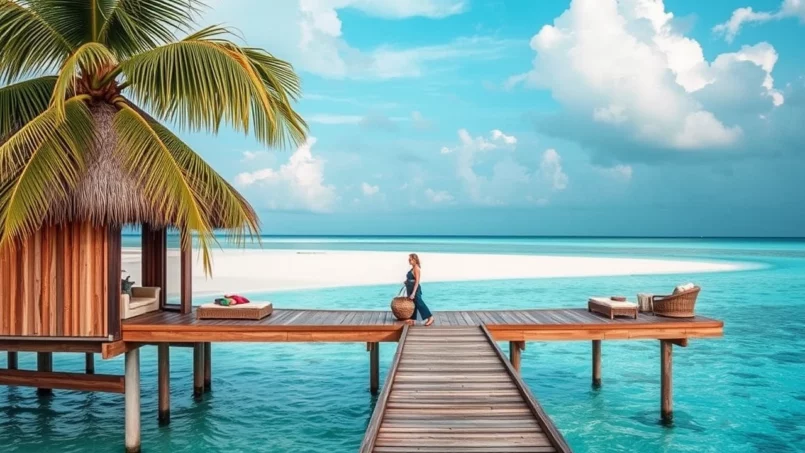
Moving to the Maldives is a dream for many expatriates: turquoise lagoons, year-round warm climate, island vibe. But behind the postcard image lies a very specific financial reality, especially in the capital Malé, where life is significantly more expensive than on the local islands. Understanding the cost of living is essential before accepting a contract or preparing for a relocation project.
This article details, with precise figures, the budget required to settle in the Maldives as an expatriate. The analysis focuses mainly on the capital Malé and the most urbanized neighboring islands.
Overall Price Level and Monthly Budget
Available data shows that the cost of living in the Maldives is above the global average. In absolute terms, the Maldives ranks as the 45th most expensive country out of 197, with a cost of living approximately 1.19 times the global average. However, the country remains much less costly than Singapore or Dubai, two major regional expatriation hubs.
For a single expatriate, several sources converge on a total monthly expense of around $1,300 to $1,350 in Malé, including housing. Without rent, expenses are around $500. For a family of four, the total monthly budget is around $2,800 to $2,900, of which about $1,400 to $1,460 is for rent and utilities.
In local currency (Maldivian Rufiyaa, MVR), estimates for Malé are:
| Profile | Total Monthly Cost (MVR) | Excluding Rent (MVR) |
|---|---|---|
| Single person | ≈ 32,200 | ≈ 16,500–17,000 |
| Family of 4 | ≈ 56,700 | ≈ 28,000–30,000 |
Many Maldivians refer to a “comfortable standard of living” starting from 11,700 MVR per month for a single person (excluding rent) and 39,400 MVR for a family of four (still excluding housing). Adding a modest apartment in Malé, a single person should rather aim for a total budget between 22,000 and 25,000 MVR (approximately $1,450 to $1,640), while a family should plan for 55,000 to 60,000 MVR ($3,600 to $3,950).
The median net salary in Malé covers, on average, only 0.7 months of standard expenses.
Housing: The Budget’s Biggest Expense
In the Maldives, and particularly in Malé, housing is the heaviest expense. The capital, very densely populated (about 133,000 inhabitants on a tiny territory), concentrates the majority of skilled jobs, but also the country’s highest rents. The neighboring islands of Hulhumalé and Vilimale’ are also among the most expensive.
To get a concrete idea, here is a summary of average rents in Malé:
| Type of Accommodation | Average Monthly Rent (MVR) | Average Monthly Rent (USD) |
|---|---|---|
| Studio/1 bedroom downtown (≈40 m²) | 14,700–15,300 | $870–$955 |
| Studio/1 bedroom outside center | 10,300–10,700 | $609–$634 |
| 3 bedrooms downtown (≈80 m²) | 26,000–27,250 | $1,575–$2,092 |
| 3 bedrooms outside center | 21,375–22,750 | $1,116–$1,705 |
In highly sought-after neighborhoods or in new buildings, rents can climb even higher, especially for family apartments. On Hulhumalé, for example, a small downtown apartment rents for around 20,000 MVR (approximately $1,313), while a large unit can reach 45,000 MVR (nearly $2,955).
Buying real estate in the Maldives, especially for an expatriate, represents a substantial investment. In central Malé, prices frequently exceed $2,500 to $3,300 per square meter, and remain high in the outskirts ($1,500 to $1,900 per m²). Furthermore, interest rates for a 20-year loan are around 14%, significantly increasing the total cost of the loan.
In practice, many expatriates turn to offers that include housing in the salary package, particularly in tourism and hospitality. On resort islands, all or part of the accommodation is covered, sometimes in a private room, sometimes in dormitory-style shared accommodation. In the capital, some employers rent apartments directly for their executives or provide a housing allowance.
Note that there are more affordable alternatives by settling on local islands like Addu City or Bodu Huraa, where rents are generally lower than in Malé. But the choice of residence depends heavily on the job location and available transportation.
Utilities and Internet: An Extra Cost Linked to Insularity
The cost of services (water, electricity, etc.) remains moderate compared to rents, but insularity and the need to desalinate water and import fuel create a significant base cost.
For a medium-sized apartment, available data shows:
| Profile / Accommodation | Average Monthly Cost (MVR) | Average Monthly Cost (USD) |
|---|---|---|
| Utilities for 1 person (studio) | ≈ 1,056 | ≈ $75 |
| Utilities for family (≈85 m²) | 1,866–2,083 | $114–$115 |
| Fixed Internet 50–60 Mbps unlimited | 1,190–1,241 | $78–$81 |
| Mobile plan with 10 GB+ | 494–684 | $30–$45 |
Electricity, water, air conditioning, and sometimes gas are included in these bills. In accommodations using air conditioning intensively, the electricity bill rises quickly. Some expatriates mention water bills that can reach 1,500 to 2,000 MVR depending on consumption and local pricing.
In the Maldives, a fixed broadband internet subscription of around 60 Mbps with unlimited data typically costs between 1,200 and 1,300 MVR (Maldivian Rufiyaa) per month. The two main providers, Dhiraagu and Ooredoo, offer these connections via fiber optic or ADSL technologies. There are also bundled offers combining fixed internet and mobile services.
For a single expatriate living in a small apartment in Malé, a realistic budget for utilities and communications will often be between 2,000 and 2,500 MVR per month, depending on energy frugality (use of air conditioning, for example).
Food and Groceries: A Mix Between Expensive Imports and Local Products
The Maldives relies heavily on imports for food, which drives up the grocery bill as soon as one opts for processed products or international brands. On the other hand, some local products (fish, basic rice, some vegetables) remain much more affordable.
Estimated food expenses point to:
| Profile | Monthly Food Budget (USD) |
|---|---|
| Single person | ≈ $366–$368 |
| Family of four | ≈ $940–$950 |
In practice, a couple can spend between $300 and $500 per month on groceries, depending on their habits (cooking at home vs. eating out, imported products or not).
A few common average prices in the capital of the Maldives to help you establish your budget.
A meal at an inexpensive restaurant: about $5 to $10
A short-distance local taxi ride: about $2 to $5
One night in a guesthouse or basic hotel: from $30 to $50
A bottle of water (1.5L) in a store: about $1
| Product | Average Price (USD) |
|---|---|
| Milk 1 L | $1.85 |
| White bread 0.5 kg | $1.59 |
| Rice 1 kg | $1.06–$1.34 |
| Dozen eggs | $1.72–$1.78 |
| Local cheese 1 kg | ≈ $9.08 |
| Chicken (breast) 1 kg | ≈ $6.15–$6.16 |
| Beef (round) 1 kg | ≈ $8.97–$8.98 |
| Apples 1 kg | ≈ $4.03–$4.04 |
| Bananas 1 kg | ≈ $3.82–$3.83 |
| Oranges 1 kg | ≈ $4.34–$4.35 |
| Tomatoes 1 kg | ≈ $3.26–$3.27 |
| Potatoes 1 kg | ≈ $1.53 |
| Onions 1 kg | ≈ $1.22 |
| Bottled water 1.5 L | ≈ $0.35 |
| 2L bottle of soda (Coca-Cola type) | ≈ $1.97–$1.98 |
Expatriates who primarily consume local goods – fish, rice, seasonal vegetables – can keep the bill low. Conversely, a very “Western” diet based on imported products quickly increases the budget.
On resort islands, staff often benefit from a free or very cheap canteen, which significantly reduces the share of food in the monthly budget. In Malé, everything will depend on lifestyle: home cooking, inexpensive local restaurants, or more Westernized restaurants.
Eating Out: From Budget-Friendly to High-End
The Maldives offers a wide range of prices when it comes to eating out, with significant gaps between small local restaurants, fast-food outlets, and establishments aimed at tourists or expatriates.
In Malé, price ranges generally follow these orders of magnitude:
| Type of Meal | Average Price (MVR) | Average Price (USD) |
|---|---|---|
| Simple meal at an inexpensive restaurant | 85–100 | $5.5–$6.5 |
| “Business” type lunch menu | ≈ 254 | $16–$17 |
| Meal for 2 at a mid-range restaurant | 450–750 | $29–$30 |
| Fast-food like McDonald’s (combo meal) | 150–154 | $9.8–$10 |
| Cappuccino | 50–52 | ≈ $3.3 |
| Local beer 0.5 L at a bar | 45–72 | $4.7–$4.8 |
| Mid-range bottle of wine | 135–150 | $8.8–$9 |
Visiting tourists can easily spend between $40 and $300 per day on dining, depending on whether they eat in small cafes or high-end restaurants in 4–5 star hotels. For an expatriate, daily use of these “expat” restaurants would quickly increase the bill; most therefore alternate between home cooking, inexpensive local restaurants, and occasional more expensive outings.
Also be aware of alcohol: it is prohibited on inhabited local islands (except in very regulated exceptions) and is primarily accessible in resorts and some liveaboards. Prices there are high (taxes, importation, luxury product status), making it a significant expense item for those who consume it regularly.
Transportation: Local Travel is Cheap, Inter-Island Travel is Costly
The particularity of the Maldives is that most medium or long-distance travel is done by boat or plane (domestic flights or seaplane). Costs vary enormously depending on whether we’re talking about daily trips in Malé or a round trip to a distant island.
In the capital, public transportation remains affordable:
| Service | Average Price (MVR) | Average Price (USD) |
|---|---|---|
| Local bus ticket | 10 | $0.65 |
| Monthly bus pass | 442 | $29 |
| Basic taxi ride (1 km) | 30 | $1.9–$2 |
| 8 km taxi ride | ≈ 17.5 | $17.5 |
| Gasoline 1 liter | 14.3 | $0.93 |
Since the city of Malé is tiny, most trips are made on foot or by scooter, sometimes by taxi. A monthly transportation pass of around $29 is sufficient for regular use, and many expatriates do not own a car – especially since vehicles are heavily taxed: a sedan like a Toyota Corolla or a compact like a Volkswagen Golf costs between 500,000 and 700,000 MVR, or $32,800 to nearly $46,000.
Travel between islands is often costly. Public ferries are economical but slow and infrequent. Faster options like private speedboats, domestic flights, and especially seaplanes can significantly increase the budget, especially if these costs are not covered by an employer.
For an expatriate residing in Malé and working locally, the transportation expense therefore remains relatively moderate on a daily basis (about $40–$45 per month for average use), but can increase significantly as soon as inter-atoll travel becomes frequent.
Healthcare: Mandatory Insurance and Possible Evacuations
The Maldivian healthcare system has improved a lot in recent decades, but it remains unequal, with better infrastructure in Malé and Hulhumalé than in remote atolls. For an expatriate, healthcare is both a strength (minimum public coverage) and a potentially significant expense item (private insurance, evacuation).
Financially, a standard medical consultation costs around $23, and a week’s cold medicine about $5.40. A box of 12 antibiotic tablets is around 100 MVR (a few dollars). These rates, linked to the local cost of living, remain relatively moderate.
Registered foreign workers benefit from mandatory public health insurance of about 100,000 MVR/year (≈ $6,500), funded by the employer. It covers consultations, diagnostics, emergencies, medication, and basic dental care. It is highly recommended to take out complementary international private insurance, as serious cases often require costly medical evacuation to India, Sri Lanka, or Singapore.
For an expatriate, it is reasonable to budget between $100 and $300 per month for health insurance (private or international), unless this insurance is fully covered by the employer. This is an essential point to negotiate before signing a contract.
Education: A Key Cost for Expat Families
For expatriates with children, schooling is one of the most structuring items in the budget. The international and bilingual schools in Malé charge significant fees, partly aligned with regional standards.
Overall data indicates:
| Level / Type of Institution | Average Cost |
|---|---|
| Private nursery / preschool, per month | ≈ 2,525–2,530 MVR |
| International primary school, per year | ≈ 54,888 MVR (≈ $3,575–$3,607) |
| Daycare / preschool, per month (USD) | ≈ $165–$166 |
To this are added registration fees, uniforms, school transportation, supplies, extracurricular activities, etc. Some institutions also charge a deposit or capital fees upon enrollment.
Minimum annual budget for two children’s tuition in private international schools abroad, excluding additional expenses.
For higher education, the best-known local option remains Maldives National University, where a 6-semester bachelor’s program costs around 27,840 MVR (or $1,828), which remains relatively affordable compared to university fees in many Western countries, but this only concerns students choosing to study on-site.
Leisure, Clothing, and Personal Expenses
Life in the Maldives is not just about work and bills. Leisure, clothing, and personal care represent a significant part of the budget, especially since many consumer goods are imported.
Current prices show that: current market trends directly influence the costs of goods and services.
| Expense Item | Average Price (USD) |
|---|---|
| Monthly gym membership | ≈ $80 |
| Movie ticket | ≈ $9.8–$9.9 |
| Basic haircut | ≈ $4.4 |
| Beer 0.5 L in a store | ≈ $2.95–$2.96 |
| Mid-range bottle of wine | ≈ $8.8–$8.9 |
| Cappuccino | ≈ $3.3–$3.5 |
| Pack of cigarettes | ≈ $13 |
| Brand-name jeans | ≈ $42–$43 |
| Brand-name sneakers | ≈ $90–$91 |
| Shampoo | ≈ $3.8–$3.9 |
| 4 rolls of toilet paper | ≈ $3.18–$3.19 |
| Toothpaste | ≈ $1.8–$1.81 |
Typical expatriate activities – gym, movie outings, cafes, boat trips, or diving – can quickly amount to several hundred dollars per month depending on frequency. Note that water activities and diving, even at local rates, remain relatively expensive (a day-long snorkeling trip or a dive can easily exceed $50 to $100).
For clothing, the prices of international brands are comparable to those in many major cities, or even slightly higher due to imports. Many residents take advantage of trips abroad to renew their wardrobe and electronic equipment at a lower cost.
Salaries and Expatriates’ Purchasing Power
The viability of an expatriation project depends on the meeting point between cost of living and compensation. Compared to other countries in the region, local salaries are not exceptionally high, but certain professions and sectors fare better than others.
Sector data gives an idea of the hierarchy of monthly net salaries (in MVR and USD):
| Sector / Function | Average Salary (MVR) | Average Salary (USD) |
|---|---|---|
| Information Technology | 32,679 | ≈ $2,146 |
| Management | 31,518 | ≈ $2,069 |
| Telecommunications | 26,466 | ≈ $1,738 |
| Banking | 24,820 | ≈ $1,630 |
| Medicine & Social Work | 24,302 | ≈ $1,596 |
| Construction & Real Estate | 23,078 | ≈ $1,516 |
| Finance / Accounting | 22,559 | ≈ $1,482 |
| Electrical & Power Engineering | 22,280 | ≈ $1,463 |
| Human Resources | 22,203 | ≈ $1,458 |
| Marketing & Advertising | 21,524 | ≈ $1,413 |
| Automotive Industry | 20,962 | ≈ $1,378 |
| Customer Support | 19,048 | ≈ $1,251 |
| Administration | 18,403 | ≈ $1,208 |
| Unskilled Labor | 13,396 | ≈ $880 |
The average net salary in Malé (across all sectors) is around 15,000 MVR, or $900. Compared to a cost of living for a single person close to $1,350 per month (including housing), this average salary barely covers expenses, hence the estimate that the average salary allows one to live for about 0.7 months without dipping into savings.
Skilled expatriates often benefit from more advantageous packages, including paid or subsidized housing, health insurance, work commute transportation, performance bonuses, and annual plane tickets. In sectors like high-end tourism, management, IT, or hotel management, salaries can reach several thousand dollars per month, supplemented by variable income (service charge, tips, bonuses).
In resorts, employees in guest-facing roles receive a significant share of tips and “service charge” (generally 10% added to customer bills and partially redistributed to staff). In the low season, this supplement can represent around $300 per month, and rise to $1,000 or more in the high season. For an expatriate stationed on a resort island with accommodation and meals covered, these supplements significantly improve purchasing power.
International Comparisons: Maldives vs. Singapore, Dubai, United States
To contextualize the price level, several comparisons shed light on the position of the Maldives in the global landscape:
The cost of living in the Maldives is about 58% lower than in Singapore.
These comparisons show that the Maldives are not “cheap” per se, but they remain more affordable</strong than major international hubs in the region like Singapore or Dubai. On a global scale, one could speak of a country with an intermediate to high cost of living.
Quality of Life, Context, and Non-Financial Factors
Beyond the numbers, expatriation to the Maldives offers a very specific living environment. The country has about 528,000 inhabitants, with a life expectancy of 81 years, an estimated proportion of English speakers of 70%, and a quality of life index around 62 to 66 for Malé. The capital is dense, lively but limited in green space, while resort islands and more remote atolls offer an exceptional natural environment, often at the cost of some isolation.
Costs can also vary by season: the high tourist season (dry season) tends to push some prices up, while the rainy season may see some adjustments. Tourism is the pillar of the economy, which is reflected in the service offerings mainly oriented towards international visitors and luxury resorts.
Tourism and Economic Context
For an expatriate, overall satisfaction will largely depend on the negotiated package, the place of residence (Malé, Hulhumalé, resort island, local island), and lifestyle. A single person on a local contract in Malé without specific benefits will feel the weight of the cost of living, whereas a family of executives benefiting from company housing, full health coverage, and covered school fees will enjoy significantly greater comfort.
What Budget to Plan According to Your Profile?
By bringing together the main items – housing, food, transportation, utilities, leisure, healthcare – we can outline typical budget envelopes for Malé:
– Single person in a modest 1-bedroom apartment, frugal lifestyle, few high-end outings: around 22,000–25,000 MVR per month ($1,450–$1,640), including rent, utilities, food, transportation, some leisure.
– Family of four in a medium 3-room apartment, mostly home-cooked groceries, some leisure and outings: 55,000–60,000 MVR monthly ($3,600–$3,950).
These orders of magnitude, naturally, vary according to the employer’s coverage of certain items (housing, transportation, insurance) and according to consumption choices (restaurants, inter-island travel, international schools, etc.).
For an expatriate, financial balance depends not only on the base salary, but on the complete structure of the package. The same level of compensation can offer comfortable or very limited purchasing power depending on whether housing, healthcare, and schooling costs are covered or not.
In summary, the cost of living in the Maldives for expatriates is far from negligible. It remains lower than that of the world’s most expensive major cities, but high enough to require serious preparation and careful negotiation of benefits before unpacking your bags by the lagoon.
Disclaimer: The information provided on this website is for informational purposes only and does not constitute financial, legal, or professional advice. We encourage you to consult qualified experts before making any investment, real estate, or expatriation decisions. Although we strive to maintain up-to-date and accurate information, we do not guarantee the completeness, accuracy, or timeliness of the proposed content. As investment and expatriation involve risks, we disclaim any liability for potential losses or damages arising from the use of this site. Your use of this site confirms your acceptance of these terms and your understanding of the associated risks.

Cyril Jarnias is an independent expert in international wealth management with over 20 years of experience. As an expatriate himself, he is dedicated to helping individuals and business leaders build, protect, and pass on their wealth with complete peace of mind.
On his website, cyriljarnias.com, he shares his expertise on international real estate, offshore company formation, and expatriation.
Thanks to his expertise, he offers sound advice to optimize his clients' wealth management. Cyril Jarnias is also recognized for his appearances in many prestigious media outlets such as BFM Business, les Français de l’étranger, Le Figaro, Les Echos, and Mieux vivre votre argent, where he shares his knowledge and know-how in wealth management.





