
 Published on and written by Cyril Jarnias
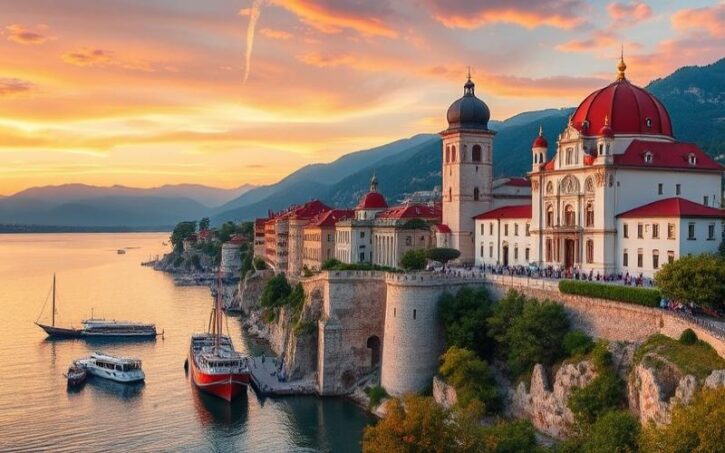
Nestled between the sparkling Adriatic Sea and picturesque landscapes, Croatia’s second-home market is attracting increasing numbers of buyers seeking a sunny retreat. This coveted destination offers a unique blend of rich culture and natural beauty, turning property purchases into promising investment opportunities.
With acquisition costs still relatively affordable compared to other European destinations, Croatia is positioning itself as a key player among emerging real estate markets. Sustained tourism growth and ongoing infrastructure projects make these property purchases even more attractive.
Let’s Explore This Dynamic Market and Its Exciting Prospects Together
Investment Opportunities in Croatian Second Homes
Croatian Second Home Market Trends Analysis
The Croatian real estate market is experiencing sustained momentum, driven by economic growth and tourism. Price indices reached record levels in 2025, indicating strong demand and steady property appreciation. However, projections for late 2025 anticipate stabilization, or even a slight decline in some regions, due to rising interest rates and global economic uncertainty.
Most Sought-After Regions
- Dalmatian Coast (Split, Dubrovnik)
- Istria
- Croatian Islands (Hvar, Brac, Korcula)
| Region | Apartments (€ / m²) | Houses (€ / m²) |
| Dalmatian Coast | 2,000 – 5,000 | 3,000 – 7,000 |
| Istria | Similar to Dalmatia | Similar |
| Islands | 2,500 – 6,000 | 3,500 – 8,000 |
| Zagreb | 1,500 – 3,000 | 2,000 – 4,000 |
The Dalmatian coast attracts buyers with its landscapes and tourist activity; Istria appeals through its proximity to Italy and quality of life; the islands are sought after for their exclusivity.
Economic and Political Factors Influencing the Market
- Mortgage Interest Rates: Recent increases limit local borrowing capacity but don’t affect cash-paying foreign buyers as much.
- Local Regulations:
- EU foreigners can purchase freely.
- Non-Europeans must go through bilateral agreements or establish a local company.
- Tax Incentives:
- Partial exemptions on certain types of tourism investments.
- Attractive taxation on rental income if properly registered as seasonal rental.
Tourism Impact on Demand and Potential Profitability
Tourism is a major driver: seasonal rentals often show high occupancy rates for six to eight months. Gross rental yields range between 4% to over 8% depending on location, particularly in Split or Dubrovnik where international tourist flow remains strong.
Numerical example:
– Apartment in Split rented short-term = average annual income potentially exceeding 20% of initial purchase price, excluding fixed costs.
Case Studies / Investor Testimonials
“Purchasing an apartment in Hvar for seasonal rental provided me with a return on investment higher than expected in France. The administrative process remains complex without local legal assistance, but profitability compensates for these obstacles.”
“Investing in secondary real estate near Rovinj proved wise due to rapid development of the regional tourism sector; however, be aware of regulatory fluctuations concerning local tourism licenses which can change annually.”
Best Practices
- Engage a specialized local lawyer from the start
- Scrupulously verify cadastral compliance before purchase
- Prioritize tourist areas with modern infrastructure
Common Pitfalls
- Overpaying during summer speculative peaks
- Neglecting additional costs (annual local taxes up to several hundred euros)
- Underestimating administrative delays for obtaining rental licenses
Medium/Long-Term Outlook
Projections indicate:
- Continued moderate property appreciation in coastal regions due to sustained international tourist flow
- Regulatory evolution toward greater professionalization of seasonal rentals
- Stable or growing interest among European investors despite potential general slowdown due to monetary tightening
To maximize future success, investors are advised to:
- Target properties already holding tourism licenses
- Diversify between urban apartments (Split/Zagreb) and high-end island villas
- Adopt integrated professional management to ensure optimal year-round returns
Good to Know:
Currently, Croatia’s second-home market attracts investors due to its sustained growth, particularly in sought-after regions like the Dalmatian coast, Istria, and Croatian islands. Generally low mortgage interest rates and tax incentives for foreigners support this momentum, though local regulations require special attention. Growing tourism amplifies short-term rental demand, making these investments potentially highly profitable. Some investors share that acquiring properties near Split or Dubrovnik offers superior returns, while others warn about possible rental market saturation in certain tourist areas. With potential tax reforms and infrastructure investments, the market could remain attractive medium to long-term but requires careful analysis of trends and local conditions to maximize success.
Best Regions to Buy a Second Home in Croatia
Analysis of Best Croatian Regions for Second Home Purchases
| Region | Major Assets | Average Price per m² (2025) | Annual Growth | Activities & Lifestyle |
|---|---|---|---|---|
| Dubrovnik | Historic city, UNESCO heritage, luxury | 4,500€–7,000€ | Strong demand, high rental yields (6-8%) | High-end tourism, cultural festivals, beaches |
| Istria | Hilly and coastal landscapes, local gastronomy (wines/truffles), market stability | ~3,687€ | +9% | Medieval villages, wine routes, proximity to Italy/Slovenia |
| Split | Urban-port dynamism, renowned beaches | ~5,140€ | +14.25% | Vibrant nightlife, nautical sports and nature |
| Kvarner | Spectacular bays (Opatija), thermal and seaside resorts | Variable depending on islands/cities | Growing demand | Thermal spas in Opatija/Rijeka; island access |
Attractive Characteristics
- Mild Mediterranean climate, particularly pronounced in Istria and Dalmatia.
- Varied landscapes: lush mountains in Istrian hinterland; turquoise coves along Dalmatian coasts or around Kvarner.
- Great cultural wealth: international festivals in Dubrovnik; Roman heritage in Split and Pula; medieval villages in Istria.
- Diverse tourist activities: yachting along Adriatic coast; hiking in nearby national parks.
Real Estate Market Evolution
- Foreign demand accelerated since the pandemic and Croatia’s integration into the eurozone.
- Prices experiencing strong growth:
- Split: +14.25% year-over-year early 2025
- Istria: +9%
- Dubrovnik remains the most expensive market but also the most profitable for seasonal rental
- Some neighborhoods rising strongly due to new residential projects (example: Žnjan in Split).
- Islands like Hvar or Brač prized for their eco-luxury or heritage potential.
Practical Tips for Foreign Buyers
- Check legal eligibility: EU citizens can purchase freely except specific agricultural/patrimonial lands. Non-EU: special procedures according to bilateral agreements.
- Account for sometimes lengthy administrative delays related to local bureaucracy during land registry registration or obtaining OIB number (“tax number”).
- Rely on a local French-speaking lawyer to validate property titles/cadastral situation before any firm commitment.
- Negotiate! Margins are sometimes possible outside ultra-tight micro-markets like Dubrovnik’s old town where supply is very limited against strong international demand.
- Watch for local particularities:
- Some older condominiums may have unanticipated high maintenance fees,
- Exact legal status of property must be verified as some dwellings may not always have regular habitation permits,
- Prioritize areas with developed infrastructure if targeting resale/future rental.
To maximize real estate investment in Croatia:
Combine tourist appeal with legal pragmatism
Prioritize sought-after locations still benefiting from sustainable upward momentum
Always secure transactions with appropriate local professional support
Good to Know:
The best regions to buy a second home in Croatia include Dubrovnik, Istria, Split, and Kvarner, each offering unique charms. Dubrovnik fascinates with its medieval architecture and mild climate, highly sought after despite rising real estate prices. Istria, often compared to Tuscany, offers hilly landscapes and a dynamic cultural scene, with a stable but increasingly competitive market. Split, dynamic and sunny, attracts with a blend of history and modernity, drawing numerous buyers despite price fluctuations. Kvarner Bay offers stunning Adriatic views and is renowned for its seaside resorts, with growing real estate demand. Potential buyers are advised to familiarize themselves with local real estate purchase laws, negotiate prices while well-informed about local trends, and consult an experienced real estate agent to navigate Croatian market specifics.
Tips for Successful Real Estate Investment in Croatia
Croatian Second Home Market Trends Analysis
The Croatian real estate market is characterized by continuous growth, driven by tourism dynamism, foreign investment inflows, and infrastructure improvements. Prices reached record levels in Q1 2025, but outlook suggests possible stabilization or slight correction in some urban segments. Demand remains particularly strong in coastal and island tourist areas where rental profitability is sustained.
| City/Region | Average Price/m² (apartments) | Monthly Rent (3 rooms) | Estimated Rental Yield |
|---|---|---|---|
| Zagreb | 2,987€ | 1,100€ | Moderate |
| Split | 4,061€ | 1,300€ | High |
| Rijeka | 2,661€ | 1,000€ | Moderate to good |
| Istria/Dalmatia/Islands* | 2,000 to 6,000€/m² | variable | High potential |
*Popular islands like Hvar, Brac or Korcula generally show the best capital appreciation and seasonal yield prospects.
Essential Criteria for Choosing a Location
- Accessibility:
- Proximity to major roads or international airports
- Easy access to beaches or tourist attractions
- Infrastructure Development:
- Presence of shops, restaurants and public services
- Quality internet and telecommunications network
- Tourist Appeal:
- Stable or growing annual visitor numbers
- Diversified tourist activities (culture, nature, sports)
Important Legal Aspects
– European nationals can purchase directly in their own name; for non-Europeans, establishing a local company may be required.
– Verify absence of mortgages or disputes on the property through local land registry.
– Taxes to anticipate:
- Property transfer tax: approximately 3% of purchase price
- Moderate annual property tax depending on municipality
- Rental income taxed locally (rates vary according to tax status)
– Some coastal areas are subject to specific restrictions regarding coastline preservation.
Practical Tips to Optimize Your Investment
For effective negotiation:
- Carefully analyze recent comparable sales in chosen area.
- Take time during negotiations; occasional oversupply may allow margin on listed price.
For cost control:
- Budget annually for routine maintenance (quote preventive work).
- Opt if possible for well-managed condominiums to share certain costs.
Profitability maximization:
- Prioritize short-term seasonal rentals in high-demand tourist areas.
- Showcase property through professional photos and recognized international platforms.
Collaboration with Local Real Estate Agents and Financial Advisors
- Select established agent with verifiable references in your target region.
- Clarify commission and exact services upfront.
- Systematically request all official documents related to desired property before signing.
- Engage local specialized lawyer if needed, thoroughly familiar with rules applicable to foreigners.
- Consult tax advisor to optimize status regarding both Croatian tax authorities and French/Belgian/Swiss according to primary tax residence.
Good to Know:
To succeed in Croatian real estate investment, analyze second-home market trends, targeting regions like Dalmatia and Istria, known for rental yield and capital appreciation potential. Prioritize easily accessible locations with good infrastructure development and strong tourist appeal. Verify local regulations for foreign buyers, considering tax implications and possible restrictions. Negotiate effectively by researching average prices, and anticipate maintenance costs. To maximize profitability, consider collaborations with local real estate agents and financial advisors who understand Croatian market specifics and can provide precise, up-to-date advice.
Rental Profitability: Case Studies in Croatia
Croatia, particularly its Adriatic coast, is attracting increasing numbers of European real estate investors seeking high rental profitability in a dynamic tourism context.
Concrete Case Study Examples:
| City/Region | Purchase Price (existing) | Estimated Seasonal Rent | Average Occupancy Rate | Gross Rental Yield |
| Split (city center) | 300,000€ for 100 m² | 20,000€ over 4 months (200€/night) | ~83% during high season | ~7% |
| Dubrovnik | >4,000€/m² historic center | up to 250€/night in summer | up to 90% July-August | ~5–6% |
| Zadar/Rijeka | from 1,500–2,500€/m² | variable, lower than Split/Dubrovnik | lower than Split, but stable during high season | ~5–6% |
Key Factors Influencing Profitability:
- Marked tourist seasonality: Majority of rentals concentrate between May and September, with occupancy rates potentially exceeding 80% during this period.
- High occupancy rates during peak season, especially in coastal cities.
- High rental income during summer, but low demand off-season – poorly suited for long-term rentals as nearly 90% of Croatians are homeowners.
- Favorable taxation compared to some European countries: rental income tax around 10%, capital gains exemption after three years.
Testimonials and Quotes:
“An apartment purchased in Split rents almost continuously between June and September. We achieved higher occupancy rates than we had hoped for”
— Testimonial from a French investor
“Here the market isn’t governed or regulated by laws like in France… The state simply observes. So you really need proper support during the process”
— Nicolas Pekic, local expert
Comparisons with Mediterranean Europe:
| Region | Price per m² | Typical Gross Yield |
| Croatia (Split/Zadar) | from 1,500–3,000€ | ~7% |
| Spain (Costa Blanca) | from 2,200–3,800€ | ~5% |
| Portugal (Algarve) | from 2,500–4,000€ | ~6% |
Croatian Market Opportunities
- Robust tourist demand and continuous growth in international visitor numbers
- Attractive taxation for foreign investors
- Prices still affordable compared to other European shores
Specific Challenges
- Strong dependence on summer season; low profitability off-season
- Absolute necessity to carefully select property location to secure high occupancy rates
- Poorly regulated market requiring legal caution and competent local support
Key Takeaways:
Successful rental investment in Croatia relies on judicious location choice (mainly coastal or major tourist cities), effective management adapted to short-term rentals, and thorough knowledge of local tax specifics.
Good to Know:
In Croatia, second-home rental profitability varies considerably by region, with cities like Dubrovnik and Split offering high occupancy rates, often nearing 80% during tourist season. For example, a two-bedroom apartment in Dubrovnik recently averaged 10% gross annual yield thanks to summer rents ranging from 150 to 200 euros per night. Comparatively, Zagreb presents a less dynamic but stable rental market, with yields around 6%. Some investors attracted to the Dalmatian coast emphasize the strategic importance of diversifying between seasonal and long-term rentals to mitigate seasonality impact. According to Luka Petrovic, real estate expert, investment opportunities remain attractive due to increasing international tourism and real estate prices still competitive compared to other Mediterranean destinations. However, he notes that increased regulatory oversight and maintenance costs can present potential challenges.
Disclaimer: The information provided on this website is for informational purposes only and does not constitute financial, legal, or professional advice. We encourage you to consult qualified experts before making any investment, real estate, or expatriation decisions. Although we strive to maintain up-to-date and accurate information, we do not guarantee the completeness, accuracy, or timeliness of the proposed content. As investment and expatriation involve risks, we disclaim any liability for potential losses or damages arising from the use of this site. Your use of this site confirms your acceptance of these terms and your understanding of the associated risks.

Cyril Jarnias is an independent expert in international wealth management with over 20 years of experience. As an expatriate himself, he is dedicated to helping individuals and business leaders build, protect, and pass on their wealth with complete peace of mind.
On his website, cyriljarnias.com, he shares his expertise on international real estate, offshore company formation, and expatriation.
Thanks to his expertise, he offers sound advice to optimize his clients' wealth management. Cyril Jarnias is also recognized for his appearances in many prestigious media outlets such as BFM Business, les Français de l’étranger, Le Figaro, Les Echos, and Mieux vivre votre argent, where he shares his knowledge and know-how in wealth management.





