
 Published on and written by Cyril Jarnias
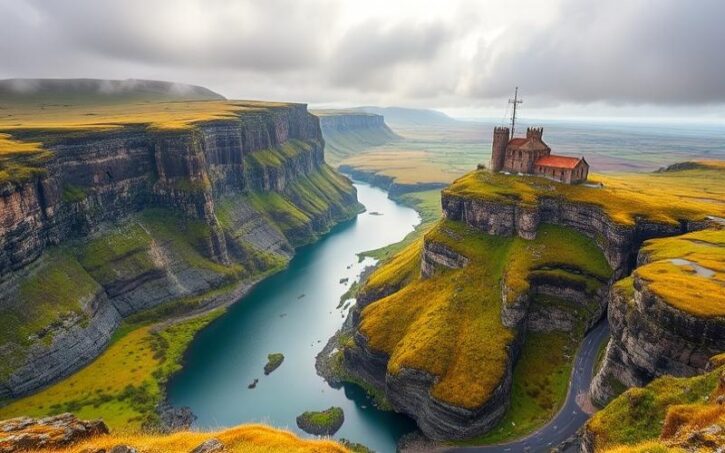
Ireland, with its lush green landscapes and rich cultural heritage, attracts many expatriates each year in search of a new adventure. However, settling in this island nation involves adapting to a particular climate, marked by frequent rain and moderate temperatures.
To fully experience this unique adventure, it is essential to prepare in advance to overcome the challenges of the Irish weather. From quality waterproof clothing to well-established local habits, this article will provide you with practical tips to acclimate quickly and fully enjoy your life in Ireland.
Whether you are already settled or on the verge of taking the plunge, these tips will help you transform every rainy day into an opportunity to discover the singular beauty of this country.
Settling in Ireland: Understanding the Local Climate
Ireland enjoys a temperate oceanic climate, characterized by mild winters and cool summers, directly influenced by the North Atlantic Ocean and the Gulf Stream. This warm ocean current plays a fundamental role in maintaining remarkably mild temperatures year-round, preventing severe winter frosts and limiting excessive summer heat. The temperature range remains contained, with temperatures generally fluctuating between 5°C and 20°C.
Seasonal Variations and Weather Conditions
Spring, from March to May, begins cold before gradually warming up. Average temperatures range between 8 and 12°C, although late frosts can occur in April and May. This season stands out as the relatively least rainy and sunniest period of the year.
Summer, from June to August, remains surprisingly cool with highs of about 17-18°C in the north and 19-20°C in the rest of the country. Expatriates are often surprised to discover that Irish summer months do not match Mediterranean expectations. Rain remains frequent even during this season. However, short periods of fine weather can occur, especially when the Azores High extends to the island, allowing temperatures to reach 25°C, or even exceptionally exceed this limit.
Autumn, from September to November, becomes cloudy and rainy with little room for sunshine. Temperatures gradually decline between 14 and 18°C.
Winter, from December to February, remains mild compared to similar latitudes in continental Europe, with average temperatures around 8°C. December proves to be the wettest month. Frosts remain rare, but cold spells can occur, particularly in the eastern and central regions of the country.
Rain is the most striking climatic aspect of Ireland. It falls frequently throughout the year, regardless of the season. However, it rarely rains for long: gray clouds quickly give way to fine weather, creating extremely changeable weather. It is not uncommon to experience sun, rain, clouds, and a rainbow all in the same day. This rapid variability is, incidentally, an inexhaustible topic of conversation in Irish pubs.
Impact on Daily Lifestyle
Expatriation to Ireland requires specific clothing preparation. Waterproof and layerable clothing becomes essential, even during the summer months. A quality raincoat, a sturdy umbrella, and thermal layers are the staples of the Irish wardrobe. Many expatriates recommend investing in breathable technical clothing rather than heavy, insulating materials, allowing you to quickly adapt your outfit to rapid weather changes.
Outdoor activities are organized differently than in a Mediterranean climate. Hikers and nature lovers discover that coastal trails and green spaces remain accessible year-round, although the late season, particularly August and September, offers optimal conditions with pleasant temperatures around 18°C and moderate tourist crowds. Days stretch considerably in summer, offering up to 16 hours of daylight in June, thus compensating for the dark winters.
Managing Seasonal Light
One of the major adaptations for expatriates concerns the extreme variation in seasonal light. Irish winters bring extraordinarily short days, while summers offer prolonged daylight. This variation significantly influences circadian rhythm and general energy levels. Many expatriates recommend making the most of the long summer evenings for social and outdoor activities, while winters naturally invite a focus on indoor activities, pubs, museums, and urban cultural life.
Getting Used to Rainy Days: Practical Tips
Expatriates who successfully integrate into Ireland adopt a pragmatic philosophy towards rain. Rather than seeing it as an obstacle, many view it as a characteristic of the landscape. A few strategies facilitate adaptation:
- Accept that rain is part of the daily routine and plan activities accordingly rather than canceling them
- Develop an interest in indoor activities: cinemas, museums, libraries, cooking classes, or language learning
- Integrate Irish social traditions, particularly pub outings, which become convivial refuges during rainy periods
- Invest in quality equipment that allows you to enjoy nature even in bad weather
- Adopt a flexible mindset, recognizing that the weather can change several times in a single day
Regional Climate Variations
Regional nuances exist on the island. The southwest coast, particularly around Valentia in County Kerry, enjoys the mildest winters, softened by the Gulf Stream, with average temperatures of 7.5°C in winter and 15.5°C in summer. This region, however, experiences abundant rainfall, about 1,600 mm annually. Conversely, Dublin, located on the east coast, is slightly colder in winter but is one of the mildest regions in summer, while being the least rainy on the island. The north coast, notably Malin Head, remains the coolest region, with average temperatures of 6°C in winter and 14.5°C in summer.
Integrating Climate into Daily Routine
Expatriates who thrive in Ireland generally develop a routine adapted to the climatic conditions. This involves planning travel with the weather in mind, keeping spare dry clothes, cultivating hobbies suited to the seasons, and building a social network that allows for activities independent of outdoor conditions. The lush, verdant beauty of the island, a direct result of these frequent rains, gradually becomes an appreciated element of the landscape rather than a constraint.
Good to know:
The influence of the Atlantic Ocean and the Gulf Stream makes the Irish climate mild but very rainy, requiring you to always keep a waterproof coat within reach to fully enjoy outdoor activities. Expatriates recommend equipping yourself with UV lamps to compensate for the lack of light in winter and adopting a local habit: getting wet without worrying about the rain.
Well-being and Health: Adapting to Irish Weather Conditions
Main Characteristics of the Irish Climate
- Temperate oceanic climate: mild, humid, and very changeable. You can have sun, rain, wind, and clouds in a single day.
- Frequent precipitation: rain is present year-round, sometimes as drizzle, sometimes more intense, but rarely lasting long.
- Moderate temperatures:
- Winter: 4°C to 8°C (rarely below 0°C)
- Summer: 15°C to 20°C, rarely above 25°C
- Predominant winds: especially on the coasts, exposed to the Atlantic, sometimes strong and persistent winds.
- Regional variation:
- The west and southwest (Valentia, Cork) are milder and wetter.
- The east (Dublin) is a bit drier and colder in winter.
Practical Tips for Expatriates – Clothing Choices
- Prioritize the layering technique to adapt to rapid changes.
- Recommended materials:
- Merino wool: warmth, breathability, dries quickly.
- Technical polyester: moisture-wicking.
- Softshell: windproof, breathable.
- Waterproof/Gore-Tex: essential for rain.
- Useful accessories:
- Compact and sturdy umbrella.
- Hat, scarf, thin gloves (for wind and humidity).
- Waterproof shoes, non-slip soles.
Adapting Your Personal Care Routine
- Use a daily moisturizing cream for your face and hands to combat dryness caused by cold and wind.
- Lip balm against frequent chapping.
- Sunscreen with high SPF for sunny days or during prolonged outdoor activities, even under cloudy skies (UV rays penetrate clouds).
- Shampoos and hair care products adapted to a humid atmosphere to avoid frizz and protect hair.
Optimal Health in a Humid Climate
- Vitamin D: supplementation recommended between October and April, as sunlight is insufficient for natural synthesis.
- Ventilate your home regularly to avoid humidity and mold proliferation.
- Prioritize a diet rich in fruits, vegetables, and fatty fish (salmon, mackerel) to strengthen immunity.
| Factor | Risk | Prevention |
|---|---|---|
| Humidity | Mold | Ventilation, dehumidifier |
| Lack of sun | Vitamin D deficiency | Supplementation, rich foods |
| Cold/wind | Dry skin | Moisturizing creams |
Physical Activities Adapted to the Irish Climate
- Hiking: marked trails, hills, national parks (bring waterproof clothing).
- Cycling: bike paths, coastal roads (windproof clothing recommended).
- Swimming in indoor pools, indoor sports (squash, badminton, fitness).
- Running: possible year-round with appropriate gear.
- Local sports clubs (rugby, Gaelic football, hurling) to integrate and stay active.
Potential Symptoms and Preventive Measures
- Colds, respiratory infections: frequent in winter, cover your throat and dry off well after rain.
- Rheumatism, joint pain: aggravated by humidity, maintain regular physical activity.
- Mold allergies: monitor indoor air quality, use a dehumidifier if needed.
- Vitamin D deficiency: fatigue, low mood, muscle pain; monitor with a healthcare professional.
Anecdotes and Expatriate Experiences
“After a few weeks, I understood that an umbrella wasn’t enough: the waterproof jacket quickly became my best ally. I also discovered the importance of vitamin D in winter to keep my spirits up, on the advice of Irish colleagues. Indoor sports allowed me to meet other expatriates while staying active, and I adopted the tea break as a well-being ritual on gray days.”
Statistics and Local Studies
- Nearly 225 rainy days per year in Cork, over 750 mm of annual rainfall in Dublin, and up to 1,600 mm on the southwest coast.
- According to a Health Service Executive study, over 50% of Irish people have a vitamin D deficiency in winter.
- The rate of hiking and cycling practice has increased by 30% in the last ten years, a sign of active adaptation to the climate.
Summary of Key Points
- Mild, humid, windy, and unpredictable climate.
- Layered clothing, technical and waterproof materials essential.
- Care routine adapted to humidity and cold.
- Vigilance regarding vitamin D and indoor air quality.
- Physical activity possible year-round with adaptation.
- Prevention of humidity-related ailments and positive testimonials of successful integration thanks to adaptation.
Good to know:
In Ireland, due to frequent rain and variable temperatures, prioritize wool or technical fabrics to stay dry and warm. Consider enriching your care routine with moisturizing creams and monitoring your vitamin D levels, often deficient under this often gray sky.
Practical Tips: Organizing Your Daily Life According to the Weather
Practical tips for organizing your daily life with Irish weather:
- Check the weather every morning: Use a reliable app like Met Éireann to check local forecasts hour by hour. This reflex allows you to adapt your day’s activities and anticipate sudden changes.
- Always have a Plan B: Organize your days with indoor (museums, cafes, libraries) and outdoor (hikes, walks) alternatives based on forecasts. Many expatriates recount having learned to quickly spot fallback options, even if it means improvising often.
- Carry essential weather gear:
- Waterproof jacket with hood (preferred over an umbrella, often useless due to wind)
- Water-resistant shoes
- Warm sweater or fleece
- Gloves and hat in winter
- Sunglasses for unexpected sunny spells
- Dress in layers (“onion technique”): Prioritize layerable clothing to easily adjust according to temperature, wind, or humidity. It’s common to experience all four seasons in a single day.
- Prioritize a good heating system: Irish homes, often old, can be poorly insulated. Efficient, programmable heating is essential for comfort, especially during long humid or windy periods.
- Adapt your travel:
- Public transport (buses, trains) can be disrupted by bad weather, especially in winter (gusts, local flooding). Allow extra time and check weather alerts.
- By bike or on foot, prioritize sheltered routes and equip yourself with reflective and waterproof clothing.
| Essential Equipment | Why? |
|---|---|
| Waterproof jacket with hood | Frequent rain and strong wind |
| Waterproof shoes | Often wet/muddy ground |
| Warm sweater/easy to remove | Rapid weather variations |
| Waterproof bag | Protect devices/belongings |
| Weather app | Real-time tracking |
Expatriate Anecdotes
Several newcomers recount having underestimated the uselessness of an umbrella in the wind: “After a week, my umbrella was already broken, I understood that the hood was my ally.” Others explain having learned to always keep a bag with a change of clothes at the office or university, to stay dry after a sudden downpour.
Role of Technology
- Weather apps (Met Éireann, Weather.com): real-time alerts, local forecasts, severe weather notifications.
- Expatriate groups on social media: sharing advice, feedback, adaptation tips.
The key to daily life in Ireland: flexibility, anticipation, and adapted equipment to fully enjoy, whatever the whims of the sky.
Good to know:
Remember to check weather apps daily to anticipate the sometimes unpredictable weather and plan indoor or outdoor activities; investing in a good raincoat is as essential as the umbrella holder since you might experience four seasons in one day in Ireland.
Essential Equipment to Face the Irish Climate
Waterproof and windproof clothing is essential to face the changeable and often humid weather of Ireland. Here are the essential items to plan for a comfortable stay, along with recommendations for materials, accessories, and recognized brands.
Waterproof and Windproof Clothing
- Opt for a rain jacket or technical windbreaker, lightweight, waterproof or water-resistant, with sealed seams and an adjustable hood.
- Prioritize sportswear models, designed for hiking or exploration, offering good freedom of movement and zippered waterproof pockets to protect your personal items.
- Parkas lined with fleece are recommended in spring, autumn, or winter.
- For summer, a lightweight, unlined rain cape is sufficient, to be complemented with layers underneath if needed.
| Item | Recommended Features | Recommended Materials |
|---|---|---|
| Rain Jacket | Waterproof, sealed seams, hood | Gore-Tex, polyester, nylon |
| Windbreaker | Water-resistant, breathable, packable | Technical membranes, softshell |
| Parka | Warm lining, windproof | Fleece, polyester |
The Importance of Sturdy Footwear
- Plan for waterproof and non-slip shoes, suitable for muddy trails and often wet sidewalks.
- Hiking shoes with a Gore-Tex membrane or equivalent are ideal.
- Avoid classic rain boots (often uncomfortable for long walks) and prioritize robust hiking sneakers.
Useful Accessories
- A sturdy, windproof umbrella, preferably compact, to withstand frequent gusts.
- A rain hat or waterproof cap effectively protects your face and head when wind makes using an umbrella difficult.
- Waterproof gloves and a light scarf if you are traveling outside of summer.
Versatile Clothing and Layering System
- The Irish climate requires dressing in layers to quickly adapt to temperature variations during the same day.
- Prioritize a first breathable layer (technical t-shirt), a second insulating layer (thin fleece or light down jacket), and a third waterproof layer.
- Clothing should be easy to layer, lightweight, and compact to be stored in a backpack.
Recommended Materials
- Gore-Tex: very waterproof and breathable, ideal for jackets and shoes.
- Polyester and nylon: used for most jackets and windbreakers, durable and water-resistant.
- Softshell: offers good wind protection and appreciable breathability.
- Fleece: excellent thermal insulation for intermediate layers.
- Avoid cotton, which retains moisture and dries slowly.
Local Brands and Recognized Stores in Ireland
| Brand/Store | Specialty |
|---|---|
| Dubarry | High-end waterproof jackets, shoes |
| Jack Murphy | Technical and elegant raincoats |
| Out of Ireland | Coats and jackets adapted to the local climate |
| Target Dry (Belfast) | Ponchos, windbreakers, and rainwear |
| Barbour | Famous for its oiled and waterproof jackets |
| Decathlon | Wide choice at affordable prices for hiking |
| Comptoir Irlandais | Selection of local and international brands |
Practical Tips
- Take a size up for the rain jacket to easily layer clothing underneath.
- Prioritize clothing that is easy to fold and pack, wrinkle-resistant.
- Invest in quality clothing: they will serve you beyond your stay and guarantee comfort and effectiveness against the elements.
Good equipment, adapted to the Irish climate, is the key to an enjoyable trip, whatever the weather.
Good to know:
Invest in Gore-Tex clothing for optimal protection and prioritize brands like Regatta or Trespass for their robust and waterproof shoes, ideal for muddy terrain. Opt for layered clothing, with merino wool sweaters and a windproof jacket, and consider a sturdy umbrella or rain hat to face the frequent showers.
Disclaimer: The information provided on this website is for informational purposes only and does not constitute financial, legal, or professional advice. We encourage you to consult qualified experts before making any investment, real estate, or expatriation decisions. Although we strive to maintain up-to-date and accurate information, we do not guarantee the completeness, accuracy, or timeliness of the proposed content. As investment and expatriation involve risks, we disclaim any liability for potential losses or damages arising from the use of this site. Your use of this site confirms your acceptance of these terms and your understanding of the associated risks.

Cyril Jarnias is an independent expert in international wealth management with over 20 years of experience. As an expatriate himself, he is dedicated to helping individuals and business leaders build, protect, and pass on their wealth with complete peace of mind.
On his website, cyriljarnias.com, he shares his expertise on international real estate, offshore company formation, and expatriation.
Thanks to his expertise, he offers sound advice to optimize his clients' wealth management. Cyril Jarnias is also recognized for his appearances in many prestigious media outlets such as BFM Business, les Français de l’étranger, Le Figaro, Les Echos, and Mieux vivre votre argent, where he shares his knowledge and know-how in wealth management.





