
 Published on and written by Cyril Jarnias
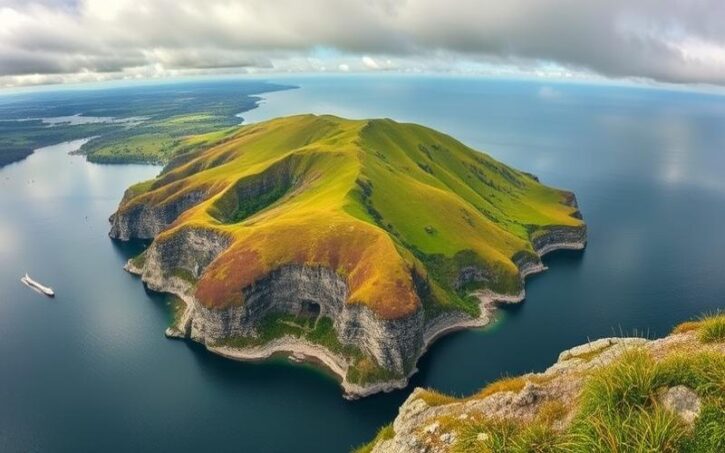
Embark on a journey to the Emerald Isle, a land where breathtaking landscapes and a rich cultural history converge to offer travelers an unforgettable experience.
Ireland, with its rugged coastlines, mystical castles, and charming towns, is brimming with must-see sites that captivate the imagination.
Whether you’re drawn to the spectacular Cliffs of Moher, the vibrancy of Dublin, or the tranquility of County Kerry, every corner of this legendary land promises a most captivating adventure.
Prepare to be amazed by the welcoming warmth of its people and the vibrant atmosphere that reigns in its traditional pubs, where ancient stories come to life.
Discover the Wonders of Ireland: Must-See Sites
Ireland captivates with the raw beauty of its landscapes, the richness of its heritage, and the authenticity of its people. Every visit is an opportunity to immerse yourself in a living culture, blending nature, history, and conviviality.
| Must-See Site | Description & Practical Tips | Culture & Local Traditions |
|---|---|---|
| Giant’s Causeway | Unique geological formation of 40,000 basalt columns, a UNESCO World Heritage site. Easy access, parking, marked trails, interactive visitor center. Opt for a guided tour to discover the legends. | Celtic legends: the giant Finn McCool. Mysterious atmosphere, deep connections to mythological tales. |
| Cliffs of Moher | Spectacular cliffs 214 meters high stretching 8 km, overlooking the Atlantic. Developed site with trails and panoramic viewing platforms. Prefer early morning or evening to avoid crowds and enjoy the best light. | Symbol of Ireland’s wild nature. Bird watching, traditional music often present in surrounding villages. |
| Dublin | Dynamic capital with Trinity College (Book of Kells), Temple Bar district, Guinness Storehouse. Museums, pubs, Georgian architecture. Explore on foot or by bike, enjoy festivals and markets. | Lively pubs, live music sessions, warm welcome from Dubliners. Blend of history and modernity. |
| Killarney National Park | Stunning landscapes: lakes, mountains, forests, and castles (Muckross House). Numerous hiking trails, bike rentals, boat trips. Pack waterproof clothing. | Rural traditions, local crafts, stories and folklore. Meet locals in the surrounding small villages. |
| Newgrange | Prehistoric site over 5,000 years old, famous for its passage tomb and solar alignment at the winter solstice. Booking advised, guided tours mandatory. | Ancient spirituality, importance of natural cycles. Site steeped in mystery and ancient rituals. |
| Irish Welcome | Human warmth, proverbial hospitality, ease of contact in pubs and family-run accommodations. Always greet, chat, and ask locals for advice to discover hidden gems. | Sharing over a drink, anecdotes, sense of humor, traditional music and dances (céilís). |
Practical Tips for Each Site:
- Wear comfortable shoes suitable for trails that can be muddy or steep.
- Pack a windproof and waterproof jacket: the weather changes quickly.
- Prefer visits early in the morning or late afternoon to avoid crowds and enjoy the best light.
- Respect nature and historical sites: do not pick anything, do not climb structures.
- Sample local specialties: Irish stew, soda bread, artisanal cheeses, beers, and whiskeys.
Cultural Elements and Traditions to Experience:
- Attend a traditional music session in a pub.
- Participate in a local festival or craft market.
- Discover tales and legends from guides or locals.
- Observe Gaelic on signs and listen for local expressions.
Good to Know:
To fully enjoy the Cliffs of Moher, visit them early in the morning to avoid the crowds, and don’t miss the immersive experience of a warm welcome by sharing a traditional meal in a local pub near Dublin.
Secrets for Exploring Ireland: How to Get There Easily
To reach Ireland, several transportation options are available, adaptable to all budgets and needs.
Main Options for Getting to Ireland:
| Mode of Transport | Advantages | Disadvantages | Main Companies/Ports |
|---|---|---|---|
| Plane | Speed, numerous direct flights, competitive low-cost fares | Price fluctuations, low-cost conditions | Aer Lingus, Ryanair, Transavia, Vueling, Air France, EasyJet, KLM, British Airways |
| Ferry | Allows travel with a vehicle, no strict baggage limits | Longer duration, fewer direct routes | Ports of Dublin, Cork, Rosslare; companies Irish Ferries, Stena Line |
Tips for Optimizing Your Trip:
- Book plane tickets at least 2 to 3 months in advance to get the best fares, especially on low-cost flights.
- Travel outside the tourist season (spring, autumn) to benefit from lower prices and fewer crowds.
- Compare departure and arrival airports (Dublin, Cork, Belfast) to choose the most economical or convenient option for your itinerary.
- If you opt for the ferry, book in advance as well and check seasonal schedules.
Main Irish Airports Served:
- Dublin (the largest international hub)
- Cork
- Belfast
- Shannon, Galway, Derry, Knock, Donegal, Kerry, Sligo, Waterford (mainly via a stopover in the UK or Dublin)
Major Airlines:
| Airline | Type of Service | Particularities |
|---|---|---|
| Aer Lingus | Regular/Low-cost | Comfort, varied schedules, Dublin hub |
| Ryanair | Ultra Low-cost | Unbeatable fares, numerous routes |
| Transavia, Vueling, EasyJet, KLM, Air France, British Airways | Varied | Several routes from France |
Getting Around Ireland:
To explore tourist sites, Ireland has efficient infrastructure:
- Train: Irish Rail network connecting major cities and tourist regions. Ideal for travel between large cities and enjoying the scenery.
- Bus: Highly developed network (Bus Éireann, private companies) serving cities, villages, and natural sites. An economical solution for small budgets.
- Car Rental: Total freedom to explore the countryside, isolated sites (Ring of Kerry, Connemara, Cliffs of Moher). Numerous rental agencies available at airports and in city centers.
Advantages of Local Transport Modes:
| Mode of Transport | Main Assets | Limitations |
|---|---|---|
| Train | Comfort, speed between major cities | Limited network in the West |
| Bus | Extensive coverage, affordable prices | Journey times can be long |
| Car | Flexibility, access to remote sites | Cost, driving on the left, tolls |
Practical Tips for Your Itinerary:
- Prefer a car for itineraries off the beaten track or for families.
- Use the train or bus to connect major cities (Dublin, Galway, Cork, Limerick, Belfast).
- Consider transport passes (train/bus) for savings on multiple journeys.
- Check schedules in advance and book for peak periods (summer, holiday weekends).
Key Takeaways
Exploring Ireland is simple thanks to the diversity of transport solutions. Choose flying for speed, the ferry for flexibility, then adapt your local travel according to the regions you wish to visit. A well-planned stay allows you to discover all the must-sees, from dynamic cities to wild landscapes.
Good to Know:
To explore Ireland, opt for Aer Lingus or Ryanair for direct flights, or arrive by ferry from the UK; once there, prefer the train or car rental for easy access to must-see sites, booking preferably off-season for advantageous rates.
Where to Unpack Your Bags: The Best Accommodation Options in Ireland
In Ireland, accommodation options are varied and adapt to all tastes and budgets, ranging from charming city hotels to unique stays in the heart of nature. Here is an overview of the main categories, with specific examples and tips for choosing well.
Main Types of Accommodation in Ireland:
- Charming Hotels: often located in city centers or exceptional places, offering comfort, personalized services, and proximity to attractions.
- Hostels: economical solution, ideal for solo travelers or small groups.
- Bed and Breakfast (B&B): immersion in Irish hospitality, hearty breakfasts, friendly atmosphere, often in individual houses.
- Vacation Rentals: houses, cottages, or apartments for a fully independent stay, practical for families or long stays.
- Unique Accommodations: castles, treehouses, glamping, historic mansions for a memorable experience.
| Type of Accommodation | Examples in Dublin, Cork, Galway | Examples in Rural / Unique Areas | Selection Criteria |
|---|---|---|---|
| Charming Hotels | The Westbury (Dublin), The River Lee (Cork), The Hardiman (Galway) | Ballynahinch Castle (Galway), Cliff House Hotel (Waterford) | Comfort, standard, location |
| Hostels | Generator Hostel (Dublin), Kinlay Hostel (Galway) | Hostels on the Wild Atlantic Way | Price, atmosphere, accessibility |
| Bed and Breakfast | Number 31 (Dublin), Garnish House (Cork) | Mountain View Guesthouse (Connemara), Farmhouses (Kerry) | Welcome, breakfast, charm |
| Vacation Rentals | City center apartments, Airbnb | Blackrock Beach House (Portrush), rural cottages | Independence, space, budget |
| Unique Accommodations | Castles (Ashford Castle), design hotels | Treehouses, glamping on the Aran Islands | Experience, originality |
Examples of Establishments in Major Cities:
- Dublin: The Westbury Hotel (luxury hotel near Grafton Street), Generator Hostel (Smithfield district), Number 31 (design B&B).
- Cork: The River Lee (modern central hotel), Garnish House (B&B renowned for its breakfasts), Native (guesthouse in Ballydehob).
- Galway: The Hardiman (historic hotel on Eyre Square), Kinlay Hostel (friendly hostel), Mountain View Guesthouse (B&B near Connemara).
Examples in Rural Areas and Authentic Experiences:
- County Galway: Ballynahinch Castle (Relais & Châteaux castle hotel, fly fishing, treehouse sauna).
- County Kerry: B&B in renovated farms, ideal for hikers and nature lovers.
- Beara (Cork): Mossie’s, 19th-century manor converted, themed decor, and sea view.
- Aran Islands: Camping & glamping on Inis Mor, for a natural and authentic experience.
Unique Accommodations to Prioritize:
- Castles: Stay in historic castles like Ashford Castle or Ballynahinch Castle, with gardens, four-poster beds, and traditional activities.
- Cabins and Glamping: Lodgings in the heart of nature on the coast or in forests (e.g., Aran Islands Camping & Glamping).
- Manors and Country Houses: Ballyfin Demesne, sumptuous Regency manor with activities and history.
Practical Tips for Booking:
- Prefer booking in advance, especially during high season (May to September) and for major events.
- Compare platforms: Booking, Airbnb, specialized local sites.
- For B&Bs, contacting the establishment directly may allow for price negotiation or personalized advice.
- Off-season (October to April), prices are often more attractive and tourist sites less crowded.
- Check proximity to transport and major sites to optimize travel, especially in large cities.
- For unique accommodations (castles, glamping), booking several months in advance is recommended.
Key Takeaways:
The choice of accommodation shapes the travel experience: opt for a B&B for authenticity, a charming hotel for urban comfort, or a castle for an extraordinary stay.
Essential criteria: room comfort, value for money, strategic location, welcome, and services offered.
Tip: For an unforgettable experience, combine several types of accommodation during your stay: city, countryside, and unique lodging.
Good to Know:
Opt for charming hotels like the Gresham in Dublin or hostels in Galway for good value; for a unique experience, consider castles or cabins on Airbnb, and book in the low season for advantageous rates.
Disclaimer: The information provided on this website is for informational purposes only and does not constitute financial, legal, or professional advice. We encourage you to consult qualified experts before making any investment, real estate, or expatriation decisions. Although we strive to maintain up-to-date and accurate information, we do not guarantee the completeness, accuracy, or timeliness of the proposed content. As investment and expatriation involve risks, we disclaim any liability for potential losses or damages arising from the use of this site. Your use of this site confirms your acceptance of these terms and your understanding of the associated risks.

Cyril Jarnias is an independent expert in international wealth management with over 20 years of experience. As an expatriate himself, he is dedicated to helping individuals and business leaders build, protect, and pass on their wealth with complete peace of mind.
On his website, cyriljarnias.com, he shares his expertise on international real estate, offshore company formation, and expatriation.
Thanks to his expertise, he offers sound advice to optimize his clients' wealth management. Cyril Jarnias is also recognized for his appearances in many prestigious media outlets such as BFM Business, les Français de l’étranger, Le Figaro, Les Echos, and Mieux vivre votre argent, where he shares his knowledge and know-how in wealth management.





