
 Published on and written by Cyril Jarnias
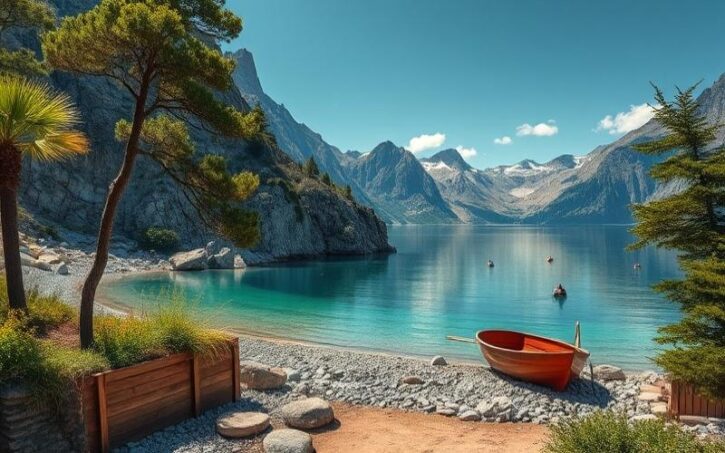
Nestled in the heart of picturesque Finnish nature, artist villages have become must-visit destinations for culture enthusiasts and beauty lovers. Beyond their undeniable charm, these havens of creativity raise the question of their role in the country’s economic and social fabric.
A Cultural Investment or an Economic Opportunity?
Are they primarily a cultural investment aimed at enriching Finland’s artistic heritage, or do they represent a profitable opportunity capable of boosting the local economy while attracting tourists seeking authenticity?
The Many Facets of Artist Villages
This exploration of the impacts and aspirations surrounding these villages promises to reveal the many facets of their existence.
Artist Villages: A Haven for Creativity in Finland
Artist villages in Finland, such as Fiskars and Taidekeskus Salmela, have become true havens of peace, fostering artistic creation through their isolation and the richness of their natural environment.
Role of Isolation and Natural Setting:
- Far from the urban hustle, these villages offer a calm and preserved environment, conducive to concentration and creative exploration.
- Direct contact with nature, forested landscapes, and open spaces stimulates the artists’ imagination, allowing them to draw inspiration from the seasons, light, and surrounding tranquility.
- The architecture of these places, often marked by historic or modernist buildings integrated into nature, provides an inspiring backdrop and spaces suited for creation and exhibition.
Development of an Artistic Network and Event Organization:
- These villages host a high proportion of artists, designers, and artisans, creating a dynamic community where collaboration and the exchange of ideas are constant.
- Major events punctuate the artistic life:
- Fiskars Art and Design Biennale: exhibitions, performances, workshops, artistic dinners, open studio tours, and interdisciplinary collaborations.
- Salmela Art Center: Finland’s largest visual arts festival, exhibitions mixing established artists and emerging talents, annual awards, artist residencies.
These events foster encounters between local and international artists, dialogue between different disciplines, and the visibility of works to a wide audience.
| Village | Key Events | Collaboration | Residency | Public Access |
|---|---|---|---|---|
| Fiskars | Biennale, open studios | Strong | Yes | Throughout the summer season |
| Taidekeskus Salmela | Annual festival, exhibitions, awards | Yes | Yes | June to August, annually |
Economic Prospects and Reach:
- These villages generate notable tourist appeal thanks to their cultural programming and the renown of their residents.
- Cultural tourism supports the local economy: accommodations, restaurants, craft shops, and galleries.
- The promotion of artists and media coverage of events contribute to the national and international reputation of the villages.
- Collaborations and the diversity of activities (exhibitions, performances, workshops, artistic dinners) enrich the cultural offering, retain a varied audience, and foster cultural investment.
Link to the Theme of Cultural Investment vs. Profitability:
- Investment in these artist villages demonstrates that profitability is measured not only in financial terms but also by artistic reach, tourist appeal, and the development of a creative community.
- These places illustrate how an investment in culture can revitalize rural regions, attract talent, create jobs, and generate a sustainable economic dynamic around artistic creation.
Finnish artist villages thus embody a model where cultural investment becomes a driver of local development, artistic innovation, and broadened profitability, reconciling quality of life, creation, and economy.
Good to Know:
Artist villages in Finland, such as Fiskars or Taidekeskus Salmela, offer an idyllic and isolated setting that fosters creativity, rooted in lush nature and surrounding tranquility. These places become dynamic artistic hubs by organizing cultural events and facilitating collaborations between artists, strengthening their network while offering an unforgettable experience to visitors. The presence of artists stimulates cultural tourism, bringing renown that contributes to the economic viability of these villages, while raising the question of their role as a major cultural investment versus their profitability. This interaction between art and economy offers a model where artistic creation and tourist attraction feed off each other, providing a unique perspective on the long-term influence of art in regional development.
Real Estate Serving the Finnish Artistic Community
Real estate plays a central role in supporting and developing the artistic community in Finland, notably through the creation of artist villages and residencies that foster collaboration, innovation, and creativity.
Major Initiatives and Concrete Examples:
| Place Name | Location | Main Features |
|---|---|---|
| Fiskars Village Artist in Residence | Pohja (90 km from Helsinki) | Studios, equipped apartments, spaces for workshops, exhibitions, and collaborative events. Access to a network of local professionals. |
| Tuusula Lake Artist Homes | Tuusula Lake region | Former artist homes, open to the public, inspiring spaces that hosted major figures of Finnish art. |
How These Spaces Foster the Artistic Community:
- Provision of housing and studios adapted for artistic creation.
- Organization of workshops, conferences, temporary exhibitions, and events open to the local population.
- Creation of professional networks and collaborations between artists, artisans, and cultural institutions.
- Donation of works by resident artists, enriching the local heritage.
- Encouragement of a mix of disciplines and nationalities.
Public-Private Partnerships:
- Financial and logistical support from municipalities for the renovation and management of spaces.
- Collaboration with cultural associations, foundations, and local businesses.
- Participation of private patrons and investors in rehabilitating disused historic or industrial buildings into residential spaces.
Economic and Cultural Impacts on Regions:
Economic Revitalization: Creation of local jobs (reception, maintenance, cultural mediation), increased tourist appeal, growth of local commerce.
Cultural Reach: Enhancement of architectural and artistic heritage, enrichment of the cultural offering, intergenerational transmission of skills.
Revitalization of rural or declining areas through the arrival of artists and the organization of public events.
Role of Local and National Policies:
- Implementation of policies supporting creation through grants, renovation aid, and tax incentives.
- Promotion of access to real estate for artists through moderate rents or subsidized residencies.
- Valuation of built heritage as a resource for cultural innovation and territorial development.
The existence of these artist villages and residencies demonstrates that real estate, in Finland, is a powerful lever for forging ties within the artistic community, supporting creation, and generating positive spin-offs for society as a whole.
Good to Know:
In Finland, the rise of artist villages, such as Fiskars Village and Onoma in Billnäs, illustrates how real estate can support the artistic community. These spaces, which foster collaboration and stimulate innovation, are often the result of public-private partnerships where municipal funds and investors join forces to rehabilitate declining industrial sites. Consequently, these initiatives generate economic benefits by revitalizing regions, attracting both visitors and new residents. Local and national policies, by funding and promoting these projects, play a crucial role in their success. This dynamic serves not only to strengthen the cultural fabric but also to propel the local tourism industry, proving that these projects can be both a cultural investment and an economically viable enterprise.
Renovating Farms into Artistic Spaces: A Bet on the Future
The renovation of farms into artistic spaces in Finland plays a crucial role in preserving architectural heritage while revitalizing local cultural and economic life.
Preservation of Architectural Heritage
- Old farms, often built according to local traditions (wood, sloping roofs), embody Finnish rural history and its know-how.
- Their transformation into workshops or galleries helps preserve these iconic buildings, preventing their abandonment or demolition.
- Example: The Hvitträsk studio-home, built by Gesellius, Lindgren, and Saarinen at the beginning of the 20th century near Helsinki. Initially a private residence for architects inspired by the local landscape, it is now a museum open to the public, preserving the original creative spirit while enhancing the natural setting.
Local Cultural Dynamic
- These renovations attract contemporary artists and local creators who find in these spaces suitable infrastructure for working and exhibiting.
- They encourage the organization of cultural events (temporary exhibitions, collective workshops) accessible to rural residents as well as urban visitors.
- The integration of cafes or craft shops on-site enhances the site’s tourist appeal.
| Renovated Farm | Location | Current Use | Cultural Impact |
| Hvitträsk | Kirkkonummi | Museum-home/studio | Temporary exhibitions |
| Villa Pinia | Helsinki | Artistic studio | Artist residency |
Potential Economic Impact
Tourism
- An artistic space set up in a farm attracts not only art lovers but also rural heritage enthusiasts.
- These places become regional tourist destinations, generating seasonal visitor flows (guided tours, festivals).
Employment
- Direct job creation: resident artists, cultural mediators, staff for reception/shop/cafe.
Rural Development
- Economic enhancement of peripheral areas through the diversification of economic activities beyond traditional agriculture.
Summary List of Economic Impacts:
- Increase in local/national visitor numbers
- Creation of versatile jobs
- Commercial development around cultural tourism
Financial and Logistical Challenges
List of Main Challenges Encountered:
Financial
- High costs related to respectful renovation (traditional materials)
- Difficulty in obtaining sufficient public/private funding
- Uncertain profitability in the early years
Logistical
- Adaptation to current standards without altering the historic building
- Complex thermal/acoustic insulation in old structures
- Accessibility for all audiences sometimes difficult to ensure
Community Revitalization & Artistic Opportunities
These transformations strongly contribute to revitalizing community life:
- Offer a common place where residents gather during cultural events
- Strengthen local identity through heritage enhancement
- Provide local/rural artists with easier access to professional infrastructure without having to move to big cities
Artistic spaces resulting from renovated farms thus play a key role in keeping Finnish heritage alive while opening new paths for cultural and socio-economic rural development.
This model fosters:
- Intergenerational dialogue around a revisited rural past,
- Youth professional integration through residencies/mediation,
- A circular economy based on exchange between contemporary art & local history.
Good to Know:
In Finland, transforming historic farms into artistic spaces offers a dual opportunity: preserving architectural heritage while revitalizing local cultural life. For example, the Fiskars artist village breathed new life into its old farms by converting them into workshops and galleries, attracting a steady flow of tourists and stimulating the local economy through job creation and increased commerce. However, these projects require significant financial investment and present logistical challenges, including renovation costs and the need to comply with heritage conservation standards. Despite these obstacles, rehabilitated farms become community hubs, revitalizing rural areas by offering unprecedented opportunities for local artists to exhibit their work, while strengthening the sense of belonging among residents.
Creative Eco-Villages: A Profitable Alternative in Finland
Finnish eco-villages embody a profitable and innovative alternative for the local economy by combining sustainable development, creative initiatives, and residential appeal.
Economic Contributions and Concrete Examples
- Eco-villages like Keuruu Ecovillage (53 hectares, 35 inhabitants) foster the local economy through:
- Job creation related to eco-construction, organic farming, volunteer hosting, and event organization.
- Maintenance and renovation of the built heritage, generating local demand for artisans and materials.
- Partial food self-sufficiency, reducing dependence on long supply chains and stimulating local markets.
- Organization of volunteer weeks (May and August), attracting visitors from the country and abroad.
– The Eko-Viikki eco-district in Helsinki is a pilot project for sustainable housing, with over 28 plots, which has helped develop the green real estate offering and test technological solutions on a large scale (solar, biomass, wooden buildings), boosting the green building sector.
Cultural and Artistic Initiatives
- In Keuruu, a house dedicated to culture and the arts offers:
- Exhibitions by local and international artists.
- Community events (cinema, workshops, concerts) fostering intergenerational mixing and social inclusion.
- A permaculture garden, a seed bank, recycling and food processing workshops, strengthening social bonds and the site’s appeal.
– These activities attract not only visitors (experiential tourism, eco-tourism, internships) but also new residents drawn to the creative, ecological, and collective lifestyle.
| Eco-Village | Number of Inhabitants | Economic Activities | Cultural Initiatives | Local Impact |
|---|---|---|---|---|
| Keuruu Ecovillage | 35 | Organic farming, construction, volunteer hosting | Exhibitions, workshops, cinema, artistic events | Rural renewal, social mixing, tourist and residential appeal |
| Eko-Viikki (Helsinki) | ~2,000 homes | Sustainable real estate, renewable energy, wooden construction | Shared spaces, community gardens | Sustainable urban model, creation of green jobs |
Data and Economic Impact
- In Lahti, the ecological shift and investment in bioenergy (€180 million) revitalized the local economy after the industrial crisis, illustrating the capacity of these projects to generate growth, jobs, and innovation.
- Eco-villages, by promoting the relocalization of the economy and the creation of local networks, serve as models for public policies in sustainable development.
Advantages of Investing in Creative Eco-Villages
- Local economic diversification (agriculture, crafts, tourism, culture).
- Enhancement of natural and built heritage.
- Reduction of carbon footprint and improvement of local resilience.
- Appeal for families, creators, and entrepreneurs seeking an innovative living environment.
Challenges Encountered
- Access to initial funding and sometimes limited short-term profitability.
- Need for strong collective commitment to management and governance.
- Administrative and regulatory complexity for alternative projects.
- Sustainability of cultural activities and appeal outside the tourist season.
Visual Summary of Advantages and Challenges
| Advantages | Challenges |
|---|---|
| Economic diversification | Initial funding |
| Creation of local jobs | Collective governance |
| Residential appeal | Regulatory constraints |
| Cultural enhancement | Sustainability of activities |
| Sustainable development model | Adaptation to Finnish climate |
⎯⎯⎯ Finnish creative eco-villages demonstrate that it is possible to reconcile profitability, culture, and sustainability, while offering a concrete response to the revitalization of rural and peri-urban areas. ⎯⎯⎯
Good to Know:
Finnish creative eco-villages like Fiskars and Pro Nemus have become dynamic economic hubs by integrating sustainability and creativity, attracting artisans, artists, and tourists while stimulating the local economy. Fiskars, known for its artistic community, regularly organizes exhibitions and workshops that attract around 150,000 annual visitors, thereby encouraging local commerce and increasing job opportunities. According to a study by the University of Helsinki, Finland’s eco-villages generate a 20% regional economic growth through their diversified initiatives. These villages illustrate how investment in creative projects can go beyond mere cultural appeal to become an economically viable model, supported by a commitment to sustainable development, although challenges remain, particularly regarding initial funding and infrastructure.
Disclaimer: The information provided on this website is for informational purposes only and does not constitute financial, legal, or professional advice. We encourage you to consult qualified experts before making any investment, real estate, or expatriation decisions. Although we strive to maintain up-to-date and accurate information, we do not guarantee the completeness, accuracy, or timeliness of the proposed content. As investment and expatriation involve risks, we disclaim any liability for potential losses or damages arising from the use of this site. Your use of this site confirms your acceptance of these terms and your understanding of the associated risks.

Cyril Jarnias is an independent expert in international wealth management with over 20 years of experience. As an expatriate himself, he is dedicated to helping individuals and business leaders build, protect, and pass on their wealth with complete peace of mind.
On his website, cyriljarnias.com, he shares his expertise on international real estate, offshore company formation, and expatriation.
Thanks to his expertise, he offers sound advice to optimize his clients' wealth management. Cyril Jarnias is also recognized for his appearances in many prestigious media outlets such as BFM Business, les Français de l’étranger, Le Figaro, Les Echos, and Mieux vivre votre argent, where he shares his knowledge and know-how in wealth management.





