
 Published on and written by Cyril Jarnias
Buying a Hotel in Finland: Complete Checklist
Buying a hotel in Finland can be an exciting and lucrative adventure, provided you are well-prepared. This guide offers a complete checklist to support you in this process, highlighting the essential aspects to consider.
From understanding the Finnish real estate market to the specifics of local legislation and the nuances of financing, each step is crucial for the success of your project.
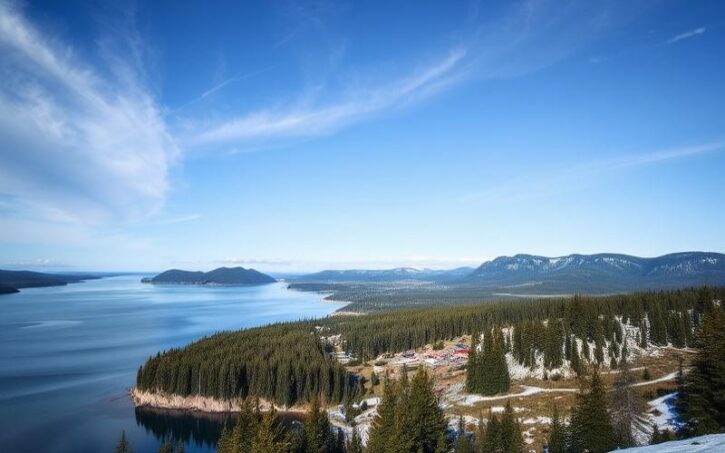
Enjoy the country’s breathtaking landscapes, stunning northern lights, and a thriving tourism industry, while this checklist guides you through every strategic decision, ensuring a successful acquisition that meets your investment goals.
Good to know:
Finland offers unique landscapes and a growing tourism industry, making it an ideal place to invest in hospitality.
Overview of the Hotel Market in Finland
The Finnish hotel market is experiencing sustained growth in 2025, driven by the recovery of international tourism and stable domestic demand. Finland recorded 1.47 million overnight stays in April 2025, including 1.15 million domestic travelers and 310,000 international visitors, an increase of 3% compared to 2024. Overnight stays by foreign tourists rose by 14% year-on-year, confirming the recovery momentum.
Recent Statistics (2024-2025)
| Indicator | Value (2024/2025) |
| Number of tourist establishments | 1,364 (December 2024) |
| Number of rooms in Helsinki | 13,000 (October 2024) |
| Average occupancy rate (May 2025) | 53% |
| Average room price (June 2025) | €126.34 |
| Total overnight stays (April 2025) | 1.47 million |
| Growth in foreign overnight stays (April 2025) | +14% |
Regions with High Tourist Concentration
- Uusimaa (Helsinki and its region): 490,000 overnight stays in April 2025, making it the busiest region, with a high proportion of international visitors and an expanding hotel stock.
- Lapland: 210,000 overnight stays, including a 20% increase in foreign visitors, thanks to the appeal of nature and winter tourism. Average rates are the highest here (€140/night), reflecting strong seasonal demand.
Factors Influencing Demand
- Domestic tourism: Represents the majority of overnight stays, with stable demand.
- International tourism: Growing strongly, particularly thanks to the Swedish, German, and American markets.
- Seasonal events: The high season in Lapland (winter) and Helsinki (summer, cultural events) generates peaks in visitor numbers.
- Government policies: Support for the hotel sector through measures promoting sustainable tourism and investment incentives.
Investor Profile and Acquisition Strategies
- Typical investors:
- Nordic and international real estate funds.
- European hotel groups.
- Institutional investors seeking stable diversification.
- Acquisition strategies:
- Targeting establishments in major cities and tourist hubs (Helsinki, Lapland).
- Prioritizing new or renovated assets focused on energy sustainability.
- Seeking partnerships with local or international operators to optimize occupancy and profitability.
Projections and Economic Trends
Sector growth is expected to continue, driven by the anticipated rise in international tourism and the development of new hotel capacity, particularly in Helsinki and Lapland. Public policies favor the growth of sustainable tourism and the upscaling of establishments, strengthening the market’s attractiveness for long-term investors.
Key Summary
Finland confirms its position as a dynamic tourist destination in Northern Europe, with solid growth in the hotel sector, an offer concentrated in the Helsinki and Lapland regions, and an attractive market for institutional investors betting on stability and innovation.
Good to know:
The hotel market in Finland is currently experiencing moderate growth with an average annual growth rate of 2.5% in recent years, according to the latest market studies. With over 1,500 establishments, cities like Helsinki, Rovaniemi, and Turku concentrate a large part of the supply, thanks to their strong tourist appeal and well-developed infrastructure. Domestic tourism, widely promoted by favorable government policies, and growing international tourism from Asia and Europe, especially during the winter seasons punctuated by Christmas-related festivals and the northern lights, have a notable impact on demand. Typical investors are often international and local groups, focusing on acquisition strategies centered on premium locations and the renovation of existing establishments. Recent economic projections suggest caution regarding market fluctuations, but opportunities remain possible thanks to stable demand and policies favoring the sector.
Essential Steps for Acquiring a Hotel in Finland
1. Preliminary Research and Study of the Finnish Hotel Market
- Analyze local and seasonal tourist demand, customer typology (business, leisure, international tourism), and existing competition.
- Evaluate market growth, average hotel sector profitability, and trends (digitalization, sustainability, cultural preferences).
- Examine investment opportunities through traditional or innovative methods like real estate crowdfunding.
2. Selection Criteria: Location and Hotel Type
- Choose a strategic location: city center, proximity to transport, tourist or economic hubs.
- Determine the type of hotel: independent hotel, chain, boutique hotel, aparthotel, inn, etc.
- Consider the quality of the infrastructure, the condition of the building, and the potential for evolution (renovation, expansion).
| Selection Criteria | Importance |
|---|---|
| Location | Proximity to attractions, transport, business districts |
| Customer Typology | Business, leisure, groups, international tourism |
| Growth Potential | Possibilities for expansion, renovation, diversification of offerings |
| Compliance with Standards | Safety, accessibility, environment, hygiene |
3. Due Diligence and Preliminary Checks
- Verify the legality of the property: title deed, absence of mortgages or ongoing disputes.
- Examine contracts related to operations: maintenance, personnel, suppliers, business partners.
- Ensure all operating permits and licenses are up to date.
4. Administrative and Legal Procedures
- For foreigners, check the need for specific authorizations (especially outside the EU/EEA).
- Obtain a Finnish personal identification number (mandatory for notarial formalities).
- Use a notary for signing the purchase deed and registering the transaction.
- Comply with national and local regulations: fire safety, accessibility, sanitary standards, hotel classification.
5. Licenses and Permits to Obtain
- Hotel operating license.
- Restaurant or liquor license if associated services are provided.
- Compliance with obligations regarding safety, hygiene, and accessibility for people with reduced mobility.
6. Financing and Purchase Negotiation
- Plan for a personal contribution (generally 10 to 30% of the acquisition price).
- Seek local bank financing (Finnish banks often finance up to 70-80% of the amount).
- Prepare a solid file: business plan, market study, financial projections.
- Negotiate the purchase price, payment terms, and any contingency clauses.
- Consider using real estate crowdfunding as a complementary lever.
7. Cultural and Linguistic Aspects
- The main language for procedures is Finnish; English is commonly used in the hotel sector, but some official documents remain in Finnish or Swedish.
- Consider local expectations regarding hospitality, personnel management, and customer service.
- Surround yourself with local professionals (lawyer, notary, accountant, hospitality expert) to facilitate the process.
8. Specific Regulations in Finland
- Obligation to comply with strict standards regarding ecology and sustainable development.
- Regulations on waste management, energy, and water.
- Obligations regarding fire safety and universal accessibility.
List of Key Documents and Procedures:
- Profitability analysis and market study
- Verification of title deed and associated contracts
- Obtaining a Finnish identification number
- Opening a local bank account
- Notarial signing of the purchase deed
- Application for licenses and operating permits
- Putting together the financing file
- Compliance with local standards and regulations
Good to know:
To acquire a hotel in Finland, start with a thorough analysis of the local hotel market to identify trends and opportunities. Evaluate the location considering accessibility, proximity to tourist attractions, and the target clientele. Ensure the purchase complies with local regulations, including obtaining all necessary licenses and permits. Familiarize yourself with cultural and linguistic aspects, as Finnish and Swedish are the official languages. For financing, explore local credit options such as Finnish banks, and consider hiring a local lawyer to navigate legal and contractual aspects. During negotiation, consider Finnish cultural subtleties, and know that transparency and honesty are valued traits.
Specific Points of Vigilance:
- Seasonal market with significant occupancy variation depending on the time of year.
- Demanding administrative process and documentation often in Finnish.
- Importance of integrating environmental and safety standards.
The Importance of Due Diligence in Hotel Real Estate
Due diligence in hotel real estate is a process of in-depth analysis aimed at securing and optimizing the investment. It helps identify risks, validate legal and regulatory compliance, and assess the hotel’s financial potential before any acquisition.
Main Objectives:
Assessment of Financial Viability:
- Analysis of balance sheets, financial results, cash flow.
- Verification of tax obligations (VAT, corporate tax) to avoid any risk of reassessment or hidden debts.
- Review of declared revenue to ensure the accuracy of accounts.
Analysis of Local Market Data:
- Study of the average occupancy rate in the area.
- Comparison with competitor performance (ADR – Average Daily Rate, RevPAR).
- Identification of tourism trends in Finland and anticipation of future projections.
Legal and Regulatory Review in Finland:
- Verification of compliance with local and national urban planning standards.
- Check of the land title with the Finnish real estate register.
- Validation that all necessary administrative authorizations are obtained (hotel licenses, fire safety, etc.).
Potential Risks of Insufficient Due Diligence:
- Post-acquisition discovery of unresolved legal disputes or easements encumbering the property
- Existence of hidden mortgages or defects in the chain of title
- Non-compliance with health or safety standards leading to administrative closure
- Obvious overvaluation of economic potential leading to lower-than-expected profitability
| Concrete Example | Description |
|---|---|
| Technical Inspection | Complete structural audit: general building condition, electrical/plumbing/heating systems |
| Title Deed Verification | Check for absence of mortgages/easements; validity of cadastral documents |
| Reputation Assessment | Analysis of online customer reviews; management history; study of business partnerships |
| Income Potential | Simulation of financial projections under different scenarios |
Practical Tips for Buyers in Finland:
Before the Acquisition:
- Rely on a local law firm specialized in Finnish real estate law
- Have a technical audit carried out by an accredited independent engineer
- Mandate an accountant to analyze financial statements and prior taxes
During the Process:
- Request all documents related to the land title from the national real estate register (“Maanmittauslaitos”)
- Consult the local municipality regarding required permits (renovation/extension/operation)
After Potential Acquisition:
Plan for regular post-acquisition audits to anticipate any regulatory changes
Recommended Specialized Resources/Consultants:
- Lawyers specialized in Finnish real estate law
- Approved technical firms for building inspection
- Local accountants with hospitality experience
- International real estate agencies active in the Nordic hotel market
Good to know:
Due diligence in hotel real estate in Finland is essential to guarantee a secure and viable purchase. It aims to assess the hotel’s financial viability, analyze local market data, and examine Finnish legal aspects. Risks associated with a purchase without due diligence include discovering costly structural problems, disputes over property rights, or a lack of knowledge of local regulatory obligations.
Analysis of the Tourism Sector in Finland and Its Impact on Hospitality
The evolution of the tourism sector in Finland is characterized by sustained growth, a diversification of offerings, and increased attention to sustainability and customer experience.
Main Trends and Recent Statistics:
- Tourist arrivals averaged 191,494 per month between 1995 and 2025, with a historical peak of 423,155 in July 2017. After the pandemic shock (3,596 arrivals in April 2020), the recovery has been gradual, reaching 209,597 arrivals in May 2025, compared to 148,904 in April.
- In 2023, the country recorded 23 million overnight stays, an increase of 4% compared to the previous year. The strongest growth was among foreign tourists (+16%), while the domestic market remained stable.
- The sector experienced a slowdown in spring 2025: 5 million domestic leisure trips with overnight stays from January to April, down a fifth compared to the same period in 2024. Trips abroad and paid overnight stays also decreased.
| Year | Tourist Arrivals/Month | Total Overnight Stays (millions) | Foreign Overnight Stays (millions) |
|---|---|---|---|
| 2017 (July) | 423,155 | — | — |
| 2019 | — | — | 7.0 |
| 2023 | — | 23.0 | — |
| May 2025 | 209,597 | — | — |
Impact on the Hotel Market:
- The occupancy rate shows marked seasonal variations, with peaks in summer (especially July-August) and winter in the Arctic regions, linked to attractions such as the northern lights and Christmas markets.
- The most attractive regions are Lapland (winter, nature tourism, and Arctic experiences), Helsinki and its metropolitan area (business, culture, events), the lakes, and the coast (summer, outdoor tourism).
- In 2023, a third of overnight stays were generated by international clientele, making the sector sensitive to fluctuations in source markets and visa policies.
Influence of International Events and Government Policies:
- Major international events (conferences, trade fairs, sporting events) stimulate hotel demand, particularly in Helsinki and major cities.
- Government policies favor sustainable development, infrastructure improvement, and promoting Finland as a safe and innovative destination. Finland regularly ranks among the safest countries in the world, enhancing its attractiveness to international tourists.
- Public and private investments in hospitality (renovation, digitalization, alternative accommodations) strengthen the sector’s competitiveness.
Concrete Examples and Case Studies:
- The success of holiday villages in Lapland illustrates the sector’s ability to capitalize on international demand for “nature” and “authentic” experiences. Glass hotels for viewing the northern lights are often fully booked in winter.
- The stability of business tourism in Helsinki, even during periods of decline in leisure travel, shows the importance of customer diversification for hotel profitability.
- Challenges include dependence on seasonality, pressure on local resources, and the need to adapt offerings to new expectations (eco-responsibility, digitalization, personalization of services).
Opportunities and Challenges for Hotel Investment:
- Opportunities: growing market, strong international appeal, safe environment, public support for innovation, regional diversification.
- Challenges: seasonality, increased competition in some regions, sensitivity to international crises, adaptation to new ecological and technological requirements.
Essential Information for Buying a Hotel in Finland:
- Prioritize regions with high seasonal appeal (Lapland, Helsinki) or those developing tourism.
- Anticipate variations in occupancy rates depending on the season and diversify the clientele (leisure, business, international markets).
- Integrate sustainability and innovation criteria to meet customer expectations and regulatory requirements.
- Monitor public policies and international trends that may impact tourist flows (visas, promotion, security).
Key Takeaway:
The Finnish hotel market offers solid prospects, particularly in areas with high seasonal appeal and among international clienteles. Active monitoring of trends, policies, and traveler expectations is essential to optimize the investment.
Good to know:
Tourism in Finland, booming thanks to the wild nature and northern lights, directly influences the hotel occupancy rate, which fluctuates between 60% in winter and 80% during summers in the south of the country, such as in Helsinki. The Lapland regions are particularly popular during the snow season, accentuating seasonal variation and challenging off-season hotel management. Cultural events, like the Northern Film Festival and eco-friendly government initiatives, also stimulate visitor influx. In 2022, a study showed a 5% increase in demand for eco-hotels, highlighting the growing appeal of sustainable tourism. For the potential buyer, integrating tailored services, adapted to seasonal needs and tourists’ ecological preferences, represents a wise investment strategy in this dynamic context.
Disclaimer: The information provided on this website is for informational purposes only and does not constitute financial, legal, or professional advice. We encourage you to consult qualified experts before making any investment, real estate, or expatriation decisions. Although we strive to maintain up-to-date and accurate information, we do not guarantee the completeness, accuracy, or timeliness of the proposed content. As investment and expatriation involve risks, we disclaim any liability for potential losses or damages arising from the use of this site. Your use of this site confirms your acceptance of these terms and your understanding of the associated risks.

Cyril Jarnias is an independent expert in international wealth management with over 20 years of experience. As an expatriate himself, he is dedicated to helping individuals and business leaders build, protect, and pass on their wealth with complete peace of mind.
On his website, cyriljarnias.com, he shares his expertise on international real estate, offshore company formation, and expatriation.
Thanks to his expertise, he offers sound advice to optimize his clients' wealth management. Cyril Jarnias is also recognized for his appearances in many prestigious media outlets such as BFM Business, les Français de l’étranger, Le Figaro, Les Echos, and Mieux vivre votre argent, where he shares his knowledge and know-how in wealth management.





