
 Published on and written by Cyril Jarnias
Hungary, a Central European country renowned for its thermal baths, architecture, and rich history, offers a modern and efficient public transportation network. Whether you are a newly arrived expatriate or a traveler seeking adventure, this guide will reveal all the secrets to getting around this fascinating country with ease, with a special focus on its iconic capital, Budapest.
From Rails to Roads: A Complete Overview of Hungarian Transportation
Hungary has a varied and well-developed public transportation network, especially in its capital, Budapest. Here is an overview of the main modes of transport available to you:
The Budapest Metro: Fast and Historic
The Budapest Metro is not only an efficient means of transport but also a real tourist attraction. With its four lines, including the legendary Line 1 (the oldest in continental Europe), it serves the city’s main points of interest. Trains are frequent and punctual, offering a fast alternative for crossing the Hungarian capital.
The Bus Network: For Extensive Coverage
The Hungarian bus network is particularly extensive, covering both urban areas and more remote regions. In Budapest, buses effectively complement the metro network, allowing access to less central neighborhoods. In other cities across the country, they are often the main form of public transport.
Trams: Retro Charm and Practicality
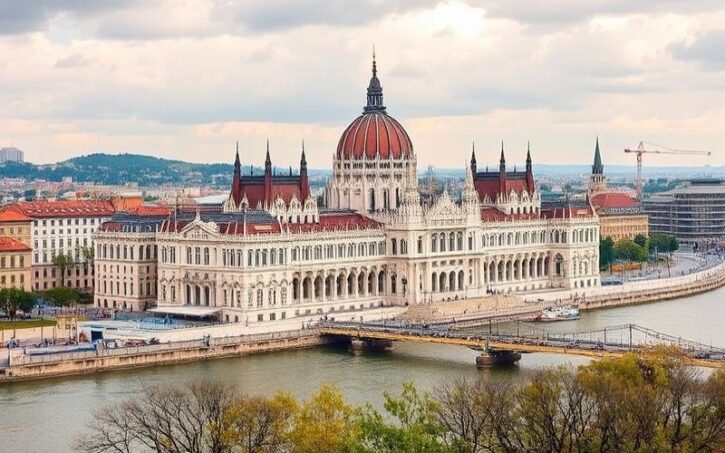
Budapest has one of the most extensive tram networks in Europe. These iconic yellow vehicles crisscross the city, offering a transport option that is both practical and picturesque. Don’t miss Line 2, which runs along the Danube and offers a stunning view of the Hungarian Parliament.
Trolleybuses: The Eco-Friendly Option
Present in several Hungarian cities, including Budapest, trolleybuses are an interesting eco-friendly alternative. They combine the flexibility of buses with the energy efficiency of electric vehicles.
Trains: For Exploring the Country
The Hungarian railway network, managed by the national company MÁV, efficiently connects the country’s main cities. It is an excellent option for intercity travel, offering comfort and speed at competitive rates.
Boats: A Picturesque Option in Budapest
In Budapest, river buses on the Danube are not only a means of transport but also a tourist experience in their own right. They allow you to connect certain parts of the city while offering stunning views of iconic landmarks.
Good to Know:
Most public transport modes in Budapest are managed by the BKK (Budapest Transport Center). A single ticket or pass is valid for all these modes of transport, greatly simplifying your travel within the capital.
Transport Budget for Expats: How Much to Plan for Your Daily Commute?
For an expatriate living in Hungary, especially in Budapest, the transport budget can vary depending on usage frequency and the type of pass chosen. Here is an overview of the costs to expect:
Single Tickets and Short-Term Passes
– A single public transport ticket in Budapest costs about 350 HUF (approx. $0.90).
– A daily pass is available for about 1,650 HUF ($4.10).
– A 3-day pass costs about 4,150 HUF ($10.35).
Monthly and Annual Subscriptions
– A monthly pass for all transport in Budapest costs about 9,500 HUF ($23.70).
– An annual pass comes to about 103,000 HUF ($257), offering substantial savings for long-term residents.
Discounted Rates
Students, seniors, and certain categories of people may benefit from reduced rates or even free transport. It is recommended to check with the BKK for eligibility conditions.
Estimated Monthly Budget
For an expatriate regularly using public transport in Budapest, a monthly budget of about 10,000 to 15,000 HUF ($25 to $37) should suffice to cover daily commutes, by opting for a monthly pass and a few extra tickets for occasional trips.
Good to Know:
Public transport fares in Hungary are generally more affordable than in many Western European countries, making it an economical option for expats and travelers.
Tips to Optimize Your Travel and Budget
To make the most of the Hungarian transport system while managing your budget, here are some practical tips:
Opt for Long-Term Subscriptions
If you plan to stay in Hungary for an extended period, monthly or annual subscriptions offer excellent value for money. They will allow you to travel unlimitedly at a favorable cost.
Download the BudapestGO App
This official BKK app allows you to buy tickets, plan your routes, and check real-time schedules. It is an essential tool for navigating the Budapest transport network efficiently.
Explore Soft Mobility Options
Budapest has a bike-sharing system called MOL Bubi. It is an excellent alternative for short distances, allowing you to combine exercise and travel while reducing your transport expenses.
Take Advantage of Combo Offers
The Budapest Card, for example, offers not only unlimited access to public transport but also free or discounted entry to many museums and attractions. It is an interesting option for newcomers wanting to explore the city.
Check Your Eligibility for Discounted Rates
If you are a student, senior, or belong to certain specific categories, do not hesitate to inquire about the preferential rates you might be entitled to.
Good to Know:
Outside of peak hours, public transport in Budapest is generally less crowded, offering a more comfortable journey. Plan your trips accordingly if possible.
Beyond Budapest: Getting Around the Rest of Hungary
Although Budapest gets a lot of attention, Hungary is full of other fascinating cities and regions to explore. Here is some information on transport outside the capital:
InterCity Trains: The Comfortable Option for Long Distances
The Hungarian railway network is well-developed and offers an excellent option for traveling between the country’s main cities. InterCity trains are fast, comfortable, and often equipped with Wi-Fi. Fares are generally affordable, especially if you book in advance.
Intercity Buses: For Reaching More Remote Destinations
For towns and villages not served by train, the intercity bus network is an excellent alternative. Companies like Volánbusz offer regular connections between many destinations across the country.
Car Rental: For Total Freedom
If you want to explore rural areas of Hungary or visit several cities in a short time, renting a car can be an interesting option. Hungarian roads are generally in good condition, and driving is relatively easy.
Carpooling: An Economical and Friendly Option
Carpooling platforms like BlaBlaCar are becoming increasingly popular in Hungary. They offer an economical and social alternative for intercity travel.
Good to Know:
If you plan to travel frequently across Hungary, look into national train passes that can offer substantial savings for multiple trips.
Public transport in Hungary, and especially in Budapest, offers excellent value for money and extensive coverage. Whether you are an expatriate settling in for the long term or a traveler passing through, you will find options suited to your needs and budget. By wisely combining different modes of transport and taking advantage of available offers and subscriptions, you can explore this beautiful country economically and efficiently.

Cyril Jarnias is an independent expert in international wealth management with over 20 years of experience. As an expatriate himself, he is dedicated to helping individuals and business leaders build, protect, and pass on their wealth with complete peace of mind.
On his website, cyriljarnias.com, he shares his expertise on international real estate, offshore company formation, and expatriation.
Thanks to his expertise, he offers sound advice to optimize his clients' wealth management. Cyril Jarnias is also recognized for his appearances in many prestigious media outlets such as BFM Business, les Français de l’étranger, Le Figaro, Les Echos, and Mieux vivre votre argent, where he shares his knowledge and know-how in wealth management.





