
 Published on and written by Cyril Jarnias
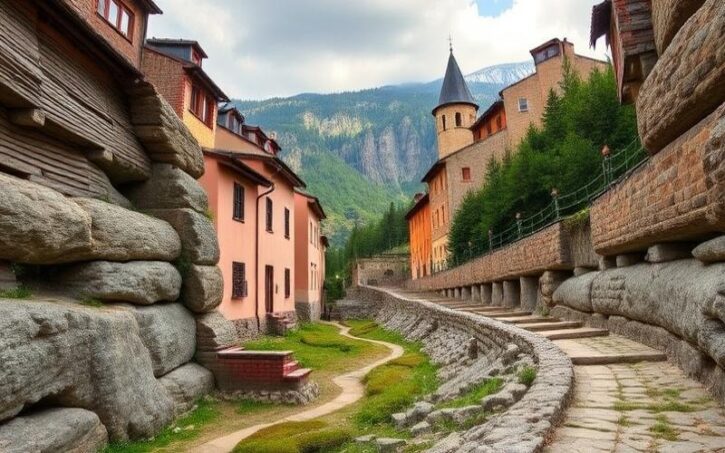
Rural life in Bulgaria, steeped in ancient traditions and breathtaking natural landscapes, offers a picture rich in nuance and contrast. While the country is undergoing significant change, rural areas face major challenges, such as depopulation, limited access to modern infrastructure, and economic constraints. However, these same regions are full of unique opportunities: the development of organic farming, rural tourism, and a flourishing entrepreneurial creativity are just some of the facets calling for renewal. Exploring the complex dynamics of these territories helps us understand how residents, while preserving their cultural heritage, can turn these challenges into drivers of growth and innovation.
Introduction to Rural Life in Bulgaria
Geography and Demographics of Bulgarian Rural Regions
Bulgaria, located in the heart of the Balkans, features a varied topography with fertile plains, majestic mountains, and a coastline along the Black Sea. Agricultural areas cover about 55% of the national territory, although nearly a third of these lands are not cultivated. The Bulgarian rural population, which accounted for 42% of residents in 1975, has significantly decreased to about 27.5% of the total population today, or just over 2 million people.
This alarming demographic decline is due to massive rural exodus and a pronounced aging of the population. In some rural regions, the average age reaches 75, and many villages have fewer than 50 inhabitants. This phenomenon has led to the emergence of “ghost villages,” with over a hundred ceasing to exist in recent years.
Characteristics of Bulgarian Rural Life
Traditional agriculture remains a pillar of rural life in Bulgaria, despite economic challenges. Small family farms, often under 5 hectares, coexist with large cooperative structures. Major crops include cereals, oilseeds, fruits and vegetables, as well as specific products like tobacco and aromatic plants.
Community practices remain rooted in the daily life of Bulgarian villages. Traditional festivals, local markets, and collective farm work are important moments of socialization and solidarity. These traditions help maintain a strong social fabric despite economic difficulties.
Cultural and Folkloric Heritage
Bulgarian rural life is infused with a rich cultural and folkloric heritage. Traditional dances, music (notably the famous female polyphonic singing), and local crafts (weaving, pottery, wood carving) are essential elements of rural identity. Folk festivals, very popular, help preserve and pass on these traditions to new generations.
Historical and Socio-Economic Context
Bulgaria’s eventful history has deeply marked its countryside. The communist period saw the forced collectivization of land and the creation of large agricultural cooperatives. After 1989, economic reforms led to the restitution of land to former owners, but also to the fragmentation of farms and the loss of many rural jobs.
These changes have had lasting consequences: decline in agricultural production, massive rural exodus, and aging of the population. Today, many villages struggle for economic survival, with retirees living off meager pensions and cultivating small vegetable gardens to get by.
Influence on National Identity
Despite these challenges, rurality remains a central element of Bulgarian national identity. Peasant traditions, folklore, and the rural lifestyle are valued as symbols of the authenticity and resilience of the Bulgarian people. This idealized image of the countryside sometimes contrasts with harsh socio-economic realities, but it continues to nourish the country’s culture and collective imagination.
However, rural exodus and demographic decline raise the question of the sustainability of this cultural heritage. Initiatives for rural revitalization, green tourism, and preservation of traditional skills attempt to address these issues, hoping to keep the soul of the Bulgarian countryside alive.
Good to know:
Bulgaria, a country in southeastern Europe, stands out for its rural regions that cover a large part of the territory, especially in the north with the Danube plain and in the southeast with the Rhodope Mountains. Rural life is strongly rooted in traditional agricultural practices, such as rose or tobacco cultivation, and is illustrated by tight-knit communities that keep cultural and folkloric traditions alive, including music and dance. Historically, rural life has been shaped by successive policies, from Soviet collectivization to post-communist economic reforms, which led to significant urban migration but also preserved various rural artisanal practices. Bulgarian national identity is largely influenced by this rurality, with a folklore rich in stories and folk beliefs that reflect the country’s bucolic soul, contributing to a sense of belonging and the preservation of Bulgaria’s intangible heritage.
Opportunities Offered by the Bulgarian Countryside
Opportunities Offered by the Bulgarian Countryside
The Bulgarian countryside is full of economic and agricultural opportunities for those who know how to seize them. Organic farming stands out as a particularly promising sector, with growing demand both domestically and for export. The vast expanses of arable land and favorable climate provide fertile ground for growing a variety of organic products, from grains to fruits and vegetables.
The Rise of Organic Farming
Bulgaria is experiencing significant growth in organic farming. Although only 2.4% of arable land is currently cultivated organically, this figure is steadily increasing. European subsidies introduced since 2012 have spurred this development, encouraging more and more farmers to adopt sustainable practices.
- Organic honey production: Organic beekeeping is particularly thriving, with 35.8% of bee colonies managed according to organic standards.
- Organic vegetable crops: Demand for local organic vegetables and fruits is rising, offering opportunities for small producers.
- Organic cereals and oilseeds: Large farms are increasingly turning to organic production of wheat, corn, and sunflowers.
Livestock Farming, a Pillar of the Rural Economy
Livestock farming remains a key sector of Bulgarian agriculture, with significant development potential, particularly in sheep and goat farming. The production of traditional dairy products, such as the famous Bulgarian yogurt, offers interesting outlets for local farmers.
Rural Tourism, a Driver of Diversification
Rural tourism represents a major opportunity to revitalize the Bulgarian countryside. Many local entrepreneurs are venturing into agritourism, offering farm stays or rural cottages. These initiatives help promote Bulgaria’s cultural and natural heritage while generating additional income for rural communities.
Promotion of Traditions and Crafts
The Bulgarian countryside is rich in artisanal and culinary traditions that attract more and more visitors. Local initiatives are emerging to promote these skills:
- Traditional weaving and pottery workshops
- Food festivals showcasing local products
- Tours of vineyards and essential oil production
Government Support and Modernization
The Bulgarian government has implemented various measures to stimulate investment in rural areas:
- Financial aid for the creation and development of small rural businesses
- Training programs for young farmers
- Investments in rural infrastructure (roads, high-speed internet)
Technological modernization plays a crucial role in revitalizing the countryside. The adoption of digital solutions allows rural entrepreneurs to access new markets and optimize their production.
Examples of Entrepreneurial Success
Dimitar Stanchev and Ralitsa Kuneva perfectly illustrate the potential of rural entrepreneurship in Bulgaria. This couple of beekeepers annually produce 35 to 40 tons of organic honey, a significant portion of which is exported to the European market. They have diversified their activities by cultivating 30 hectares of organic vegetables and opening a restaurant that features their products, creating an integrated and sustainable rural business model.
Thibaut Taittinger, a French entrepreneur, seized the opportunities offered by the Bulgarian countryside by transforming an old factory into an innovative coworking space. His project, Puzl CowOrKing, attracts international companies and contributes to the economic revitalization of the region.
These examples show that the Bulgarian countryside offers fertile ground for innovation and entrepreneurship, combining age-old traditions with modernity to create sustainable economic opportunities.
Good to know:
The Bulgarian countryside is brimming with economic opportunities, particularly through organic crop production and livestock farming, benefiting from fertile soil and a favorable climate. The development of rural tourism offers attractive prospects, leveraging traditions such as crafts and gastronomy, supported by local initiatives. The Bulgarian government encourages these dynamics with financial incentives to stimulate investment and modernizes rural infrastructure for better connectivity. Local entrepreneurs, such as organic farm operators, succeed largely due to these measures and technological modernization that facilitates access to new markets, illustrating how innovation revitalizes these areas.
Challenges Faced by Expats in Rural Areas
Challenges of Expatriation in Rural Bulgaria
Life in rural Bulgarian areas can be a rewarding experience for expats, but it comes with unique challenges that require careful adaptation and preparation. The main obstacles expats face in these regions are language and cultural barriers, limited access to essential services, and a lack of modern infrastructure.
The Language Barrier: A Major Obstacle
One of the most significant challenges for expats in rural Bulgaria is the language barrier. In small towns and villages, English proficiency is often limited, making daily communication difficult. For example, Maria, a Spanish expat living in a village near Plovdiv, had to quickly learn the basics of Bulgarian to interact with her neighbors and shop at the local market. To overcome this challenge, many expats choose to take intensive Bulgarian courses before arriving or participate in language exchanges with locals.
Cultural Adaptation: A Complex Process
Adapting to rural Bulgarian culture can be a challenge for expats used to a Western urban lifestyle. Local traditions, social norms, and different rhythms of life can create an initial culture shock. John, a British expat settled in the Veliko Tarnovo region, was surprised by the importance placed on personal relationships in professional and social interactions. To facilitate their integration, expats can actively participate in community events, familiarize themselves with local history, and adopt an open and respectful attitude toward Bulgarian customs.
Access to Healthcare: A Crucial Issue
Access to healthcare in rural Bulgarian areas can be problematic for expats. Medical facilities are often less developed than in major cities, and medical staff may not speak English. Sarah, a Canadian expat living near Bansko, had to travel over 150 kilometers to see an English-speaking specialist for a health issue. To mitigate these difficulties, some expats opt for private health insurance with extensive coverage and translation services, or establish contacts with English-speaking doctors in the nearest cities.
Children’s Education: An Additional Challenge
For expat families, educating children in rural Bulgaria can pose particular challenges. International schools are rare outside major cities, and local schools primarily teach in Bulgarian. The Rodriguez family, originally from Mexico and settled near Varna, chose homeschooling for their children, combined with online courses and regular language stays. Other expats organize cooperative learning groups or consider boarding schools in larger towns.
Transportation and Connectivity: Daily Hurdles
The lack of efficient transportation infrastructure in rural Bulgarian areas can complicate expats’ daily lives. Public transport is often limited, and road conditions can be poor in some regions. To overcome these difficulties, many expats choose to buy a vehicle suited to local conditions. Some, like Paul, a French expat living in the Balkan Mountains, have even opted for alternative solutions such as community carpooling or using electric bikes for short trips.
Adaptation Strategies and Innovative Solutions
Faced with these challenges, expats in rural Bulgaria often develop creative adaptation strategies. Creating support networks among expats and locals is a common approach. For example, a group of expats near Sozopol set up a skill exchange system, offering English lessons in exchange for Bulgarian lessons and help navigating local administration.
Technology also plays a crucial role in expats’ adaptation. Translation apps, online support groups, and distance learning platforms help overcome certain language barriers and access educational resources. Some expats work remotely, using the internet to maintain their professional activities while enjoying the quality of life offered by the Bulgarian countryside.
Community engagement is another effective strategy for integration. Many expats actively participate in local development projects, thereby helping to improve infrastructure and services in their adopted region. This approach not only facilitates their integration but also strengthens ties with the local community.
Despite these challenges, many expats find that life in rural Bulgaria offers unique advantages, such as an affordable cost of living, proximity to nature, and a more relaxed pace of life. With patience, open-mindedness, and good preparation, expats can turn these challenges into opportunities for personal and cultural enrichment.
Good to know:
Expats living in rural areas of Bulgaria frequently encounter language and cultural barriers that complicate their integration, as Bulgarian is often not mastered by newcomers. Access to public services, such as healthcare and education, represents a notable challenge due to limited infrastructure, while the frequent lack of an efficient transportation network complicates daily travel. A concrete example is that of a British family who moved to the village of Veliko Tarnovo, who had to resort to online learning for their children due to the lack of a local English school. To overcome these obstacles, some strategies include intensive Bulgarian language learning and engagement in local community activities, allowing for better cultural and social immersion. The local context, marked by a low cost of living but often modest incomes, also invites developing support networks with other expats or locals while adopting a spirit of adaptation toward local customs and traditions.
Initiatives to Promote Rural Life in Bulgaria
Government Policies for Rural Development
The Bulgarian government has implemented several initiatives aimed at promoting rural life and supporting the development of villages and small municipalities. A rural development program funded by the European Agricultural Fund for Rural Development and national contributions has been established to address the specific needs of rural areas. This program provides grants for sustainable agriculture, aid for infrastructure modernization, and support for small and medium-sized local enterprises.
As part of this program, over 600 million euros have been allocated to support the meat, dairy, and fruit and vegetable sectors, which are facing difficulties. The plan also aims to improve soil quality by ensuring minimum coverage on over 80% of arable land during sensitive periods.
To combat rural depopulation, the government has planned the creation of over 9,400 jobs and 650 investments in rural infrastructure, including the construction or reconstruction of water supply systems, local roads, schools, and kindergartens. Additionally, more than 5,200 young farmers will receive dedicated support to start farming.
NGO and Citizen Initiatives
Alongside government efforts, various non-governmental organizations and citizen initiatives are working to revitalize Bulgarian rural communities. The “Baba Residence” program, launched in 2015 by the Ideas Factory association, is a remarkable example. This initiative connects urban youth with elderly villagers, fostering cultural exchange, social entrepreneurship, and long-term sustainability.
This program has had a significant impact, reaching 30 villages and creating a dynamic network of artists, researchers, and local communities. It has also inspired similar initiatives in other European countries.
Other projects include organizing local markets to promote regional products, developing agritourism to attract visitors to rural areas, and efforts to preserve local cultural traditions.
International Partnerships
Bulgaria benefits from significant support from the European Union for its rural development initiatives. The country received a total CAP budget of 7.9 billion euros for the 2021-2027 period, an increase of 5.7% compared to the previous programming. This envelope includes 5.7 billion euros for direct payments and 2.2 billion euros for rural development.
The World Bank is also a key partner, with a new Country Partnership Framework for 2025-2029 aimed at improving competitiveness and social inclusion while promoting a low-carbon and more sustainable economy. This partnership focuses on sharing global knowledge to help unlock the growth potential of Bulgaria’s private sector.
Impact on Local Communities
These initiatives have positive impacts on Bulgarian rural communities. Economically, they contribute to job creation, farm modernization, and the development of new business opportunities, particularly in the rural tourism sector.
From a social perspective, these programs help retain populations in rural areas, thereby reducing rural exodus. They also encourage intergenerational exchanges and the preservation of local cultural heritage.
Environmentally, the emphasis on sustainable agriculture and efficient resource management contributes to the preservation of rural ecosystems and the fight against climate change.
However, despite these efforts, rural depopulation remains a major challenge. Between 2010 and 2021, the rural population decreased by 12% and now accounts for only 27% of the country’s total population. These figures underscore the importance of continuing and intensifying efforts to revitalize Bulgarian rural areas.
Good to know:
In Bulgaria, various initiatives seek to revitalize rural areas, supported by government policies that provide subsidies for sustainable agriculture and infrastructure improvements. Small and medium-sized local enterprises also benefit from support programs to stimulate the local economy. NGOs and citizen initiatives organize local markets and develop agritourism, while preserving cultural traditions. In partnership with the European Union and other organizations, these projects receive crucial financial and technical support. These initiatives bring positive outcomes, generating economic momentum, improving quality of life, and preserving the environment for local communities.
Disclaimer: The information provided on this website is for informational purposes only and does not constitute financial, legal, or professional advice. We encourage you to consult qualified experts before making any investment, real estate, or expatriation decisions. Although we strive to maintain up-to-date and accurate information, we do not guarantee the completeness, accuracy, or timeliness of the proposed content. As investment and expatriation involve risks, we disclaim any liability for potential losses or damages arising from the use of this site. Your use of this site confirms your acceptance of these terms and your understanding of the associated risks.

Cyril Jarnias is an independent expert in international wealth management with over 20 years of experience. As an expatriate himself, he is dedicated to helping individuals and business leaders build, protect, and pass on their wealth with complete peace of mind.
On his website, cyriljarnias.com, he shares his expertise on international real estate, offshore company formation, and expatriation.
Thanks to his expertise, he offers sound advice to optimize his clients' wealth management. Cyril Jarnias is also recognized for his appearances in many prestigious media outlets such as BFM Business, les Français de l’étranger, Le Figaro, Les Echos, and Mieux vivre votre argent, where he shares his knowledge and know-how in wealth management.





