
 Published on and written by Cyril Jarnias
Ecuador has been attracting a growing community of North American and European expats for years. With a moderate cost of living, diverse landscapes—Andes, Pacific coast, Amazon, Galápagos Islands—and use of the U.S. dollar, the country checks many boxes for a mid- to long-term move. But relocating isn’t something you can improvise: you need to choose a city, understand visas, estimate your budget, and plan for healthcare, schooling, safety, banking, housing, and more.
This guide provides a practical overview to help you prepare your move to Ecuador, regardless of your profile (retiree, remote worker, family, or single person) and your project.
Understanding Ecuador Before Packing Your Bags
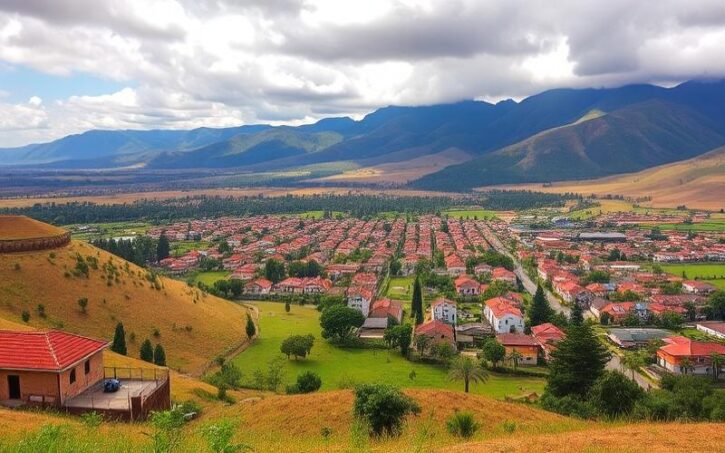
Ecuador is a small country in size—roughly equivalent to Colorado—but very diverse. Nearly 65% of the population lives in cities, and the country is divided into three main continental regions (Andean highlands, Pacific coast, Amazon), plus the Galápagos.
Spanish is the dominant language, with Kichwa as a second official language in many indigenous communities. Over 70% of the population is mestizo, with indigenous, Afro-descendant, and European minorities, resulting in great cultural diversity and strong regional identities.
Ecuador adopted the U.S. dollar in 2000 following a severe banking crisis. For an expat, this has the major advantage of eliminating local exchange rate fluctuations and using a globally recognized currency. On the flip side, the local banking system, marked by past financial trauma, can be rigid and highly bureaucratic.
The country is also marked by real crime—especially in certain large coastal cities—and by a risky geography: it’s a seismically active country with many active volcanoes, rainy seasons that trigger landslides and flooding. Settling here requires some preparation, but it’s far from impossible, especially if you choose your region and lifestyle wisely.
Where to Settle: Mountains, Coast, Amazon, or Galápagos?
Choosing a city is the first major decision. The advice that comes up repeatedly among expats who have settled is simple: come for a scouting trip lasting several weeks—or even use the 90-day tourist visa—and rent before buying.
The Andean Highlands: Springlike Weather and Urban Life
Andean cities offer a temperate climate, often described as “eternal spring”: mild days, cool evenings, little to no need for heating or air conditioning. However, the altitude can be an issue (Cuenca is at about 2,560 m, Quito exceeds 2,800 m), especially for people with respiratory or heart conditions.
Cuenca
Cuenca is often considered the unofficial capital of North American expats. The city is a UNESCO World Heritage site for its colonial center, is home to several thousand English-speaking residents, and has a dense network of adapted services (doctors, lawyers, language schools, co-working spaces, associations).
The climate is spring-like year-round, with temperatures typically between 15 and 20 °C (59–68 °F), but often cloudy and rainy. Many appreciate the “small-town” feel while still benefiting from a real urban fabric (about 330,000 inhabitants in the city, 660,000 in the metropolitan area). The city is considered among the safest in Latin America.
A couple can live comfortably on a monthly budget of between $1,500 and $2,500 depending on lifestyle.
Quito
Quito is the political and economic capital of the highlands. It’s a large Andean metropolis, nestled in a valley surrounded by volcanoes, with a UNESCO-listed colonial center and modern business and residential neighborhoods.
Its distinctive feature: altitude (about 2,850 m), one of the highest for a capital city in the world. Acclimatization can take several days, with possible headaches, fatigue, and shortness of breath. On the plus side, Quito offers everything you’d expect from a big city: museums, gastronomy, nightlife, international schools, top-tier hospitals, and an international airport with direct flights to North America and Europe.
An overview of the job market and cost of living for expats in the Ecuadorian capital.
Quito has the best job market in the country, especially in education, NGOs, multinationals, and services.
Expats typically spend $2,000 to $2,500 per month for a couple living comfortably.
A nice apartment costs between $700 and $1,200 per month, with higher prices in upscale areas like Cumbayá or Quito Tenis.
Loja, Vilcabamba, Cotacachi, and Other Andean Towns
Loja, in the south, is often called a “hidden gem” or Ecuador’s musical and cultural capital. Less known than Cuenca and Quito, it offers an even lower cost of living (20–30% lower than Cuenca) and a more local vibe with a small expat community. A couple can live comfortably on $1,200 to $1,500 per month, rent included.
A 45-minute drive away, Vilcabamba attracts those seeking rural life, nature, yoga, and wellness. The village is sometimes associated with the image of a “valley of longevity”. Rents remain moderate (two-bedroom furnished house often under $600), in a warmer and drier climate than Cuenca.
Further north, Cotacachi, nicknamed the “leather capital,” offers a small Andean town with a strong indigenous and artisan identity, and a tight-knit expat core. Here you’ll find a slower lifestyle close to nature (Cuicocha Lagoon, Imbabura Volcano), with a monthly budget around $1,500 for a couple.
The Pacific Coast: Heat, Beaches, and Humidity
The Ecuadorian coast contrasts sharply with the highlands: heat, humidity, sea air, beaches that are more or less lively depending on the town.
Salinas, nicknamed the “Ecuadorian Miami,” is characterized by its modern waterfront and a large expat community, especially North Americans. In contrast, Montañita is famous for its surf culture, vibrant nightlife, and bohemian vibe, attracting mainly a younger crowd and digital nomads looking for fun.
Villages like Puerto López, Olón, Canoa, or Ayampe offer a quieter life centered on fishing, surfing, or ecotourism, sometimes at the cost of more limited access to specialized healthcare.
Manta and Guayaquil play a distinct role: Manta, a large port and modern city, attracts expats looking for a compromise between beach life and urban comfort (modern hospital, shopping malls, airport). Guayaquil, with over 2.5 million inhabitants, is the country’s economic hub, with a hot and humid climate, a high level of services… and crime rates significantly above the national average, requiring extra precautions.
The Amazon and the Galápagos: Extreme Nature and Relative Isolation
Settling in the Amazon (Tena, Puyo, Macas, Coca…) or on the Galápagos remains more niche. These regions appeal to nature lovers, biodiversity enthusiasts, and adventurers, but they pose practical challenges: access to specialized medical care, transport, logistics costs, internet connectivity outside major towns.
For an expat, the Amazon is more often a destination for extended stays than a long-term settlement, unless you have a specific project (research, ecotourism, humanitarian mission).
Cost of Living: How Much to Budget Each Month?
One of Ecuador’s main attractions remains its prices, generally 50–70% lower than in North America or Western Europe. Of course, everything depends on the level of comfort you’re looking for, the city, your need for imports and travel.
Typical Budget Ranges
Compiled data provides some benchmarks for a comfortable standard of living:
| Profile | Estimated Monthly Budget (USD) | Summary |
|---|---|---|
| Single person (budget) | 1,200 – 1,500 | Simple living, modest housing, few outings |
| Couple (comfortable) | 1,800 – 2,500 | Nice apartment, regular outings |
| Family of 4 (comfortable) | ~2,359 | Excluding high-end international schools |
| Family of 4 (upscale) | 3,000 – 4,500 | Upscale neighborhoods, private/international school, travel |
To illustrate, a couple living “comfortably” in Quito will spend on average around $2,300 per month, roughly broken down as follows:
| Expense Category | Approximate Amount (USD / month) |
|---|---|
| Rent | 850 |
| Utilities / services | 130 |
| Groceries | 350 |
| Restaurants | 200 |
| Health / insurance | 300 |
| Transportation | 80 |
| Leisure | 250 |
| Miscellaneous | 150 |
| Total | 2,310 |
By comparison, a single person in Cuenca can aim for a comfortable budget of about $1,400, rent included.
Housing: Rents and Buying
Rents remain extremely competitive. In less sought-after neighborhoods, a simple two-bedroom apartment can rent for around $300 per month. At the other end, a high-end duplex in a premium neighborhood of a big city will run about $1,200 to $1,300.
The text provides some indicative ranges for monthly rents, whether the housing is furnished or not, and according to the level of standing or comfort.
| City | 1 bedroom (USD) | 2 bedrooms (USD) | 3-bedroom house (USD) |
|---|---|---|---|
| Cuenca | 400 – 700 | 600 – 1,000 | 800 – 1,400 |
| Quito | 450 – 800 | 650 – 1,100 | 900 – 1,500 |
| Guayaquil | 400 – 700 | 550 – 950 | 750 – 1,300 |
| Salinas | 500 – 900 | 700 – 1,200 | 1,000 – 1,800 |
| Vilcabamba | 350 – 600 | 500 – 850 | 700 – 1,100 |
For purchases, you can find comfortable apartments from $80,000 to $120,000 in many cities, and beachfront condos for under $150,000. Prices per square meter remain lower than in most Western metropolises—in Quito, even in the popular La Carolina neighborhood, they can fall below $1,700 per m².
Utilities, Food, Transportation: Compressed Costs
Recurring utility costs are particularly low, partly thanks to the temperate climate that reduces the need for heating and air conditioning in the highlands.
For a two-bedroom apartment, generally expect:
| Utility Type | Monthly Range (USD) |
|---|---|
| Electricity | 30 – 60 |
| Water | 5 – 15 |
| Cooking gas | 3 – 5 |
| Fiber internet | 35 – 50 |
| Mobile phone | 15 – 30 |
The total utility bill often runs between $90 and $160 per month for a standard household.
The price of a pound of strawberries at local markets in the Dominican Republic.
A couple typically spends between $175 and $470 per month on groceries, depending on habits. Eating out is also very affordable: a full lunch (“almuerzo”) with soup, main course, and juice costs $2.50–$4, a dinner at a local restaurant $5–$12, and a meal at a nicer establishment $15–$25 per person.
Transportation is another area where you save: city bus $0.25–$0.35, taxi rides in town often $2–$5, intercity buses very cheap (e.g., Cuenca–Guayaquil in 4 hours for about $10). Many expats forgo a car, especially in well-served urban centers.
Visas and Residency: Choosing the Right Path
Ecuador is known for the relative accessibility of its long-stay visas, but the system has become more complex in recent years, especially with the rollout of an online application platform. The general framework involves two steps: first a temporary residence visa (2 years), then permanent residency.
Entering as a Tourist to “Test” the Country
For many nationals (including French, Canadians, Americans, Brits, Australians), no visa is needed before departure for a tourist stay. A simple entry stamp (“T‑3”) allows a stay of 90 days within a rolling period of 365 days.
It is possible to request an extension of 90 additional days, paying a fee (a little over $150), allowing you to stay up to 180 days in a year. These tourist stays are the perfect opportunity to explore different parts of the country before signing a long-term lease or starting a residency process.
Main Residency Visas
A wide range of visas exists, but a few categories cover the vast majority of expats.
The Retiree Visa (“Jubilado”)
This is the classic route for retirees. The key criterion is proof of a guaranteed lifetime monthly income, typically a pension or foreign social security benefits, of at least three times the Ecuadorian minimum wage. In 2026, the minimum wage is $486, setting the income threshold at $1,458 per month.
For each dependent (spouse, child, grandchild) included in the visa application, additional income of $250 per month is required. After 21 months of temporary residency in Ecuador, you can apply for permanent residency, provided you have not exceeded 90 days of absence from the country during that period.
The Investor Visa (“Inversionista”)
This appeals to those who don’t have a guaranteed pension but have capital. It requires an investment of at least 100 times the minimum wage in an Ecuadorian certificate of deposit (CD) or in real estate. With a base salary of $486 in 2026, that means a minimum investment of $48,600.
For the temporary visa, two investment options are possible. With a certificate of deposit (CD), the capital must remain locked for the entire visa duration, but interest, often attractive in Ecuador, can be collected. With a real estate investment, the property’s tax value (used for tax calculations) must meet the required threshold. The property must remain owned for at least two years to maintain visa validity.
The Professional Visa
Designed for university graduates, this visa requires degree recognition by the Ecuadorian higher education authority (SENESCYT). You must show a minimum income equivalent to one base salary ($486 in 2026), but this income does not need to be guaranteed nor come from local employment in the degree’s field. For young professionals and digital nomads with degrees, this option is often very flexible.
The “Rentista” Visa (Regular Income)
Similar to the retiree visa, it allows you to base your application on recurring but not lifetime-guaranteed income: rents, dividends, long-term employment or freelancing contracts, etc. The income threshold is the same as for the retiree visa (3 times the minimum wage), but the administration may be more strict about the stability and legality of the income source.
The Digital Nomad Visa
Specifically designed for people working remotely for companies or clients abroad, this temporary visa launched in 2022 requires proof of a minimum monthly income of around $1,300–$1,450, depending on the minimum wage used at the time of application (again, referencing 3 times the base salary).
The visa lasts two years, renewable, and does not authorize work for an employer based in Ecuador. It does not require a minimum stay in the country but can serve as a stepping stone to more permanent residency if you later meet the presence conditions to switch to permanent residency.
Procedure, Documents, and Pitfalls
Regardless of the visa, the procedure is now done online through a government platform. The key documents are always the same: apostilled criminal record from your country of residence, valid passport, proof of income or investment, health insurance certificate covering Ecuador, photos, forms in Spanish.
Authorities require foreign documents to be apostilled or legalized and then translated into Spanish by an Ecuadorian notary. The slightest detail can cause delays or rejections, hence the value of hiring a specialized immigration lawyer or service provider (several law firms and companies like EcuaPass, EcuaAssist, etc. operate in this market).
Official fees follow a common structure: $50 application fee, non-refundable, then around $400 to pay upon visa approval (half that amount for certain dependent visas). Seniors over 65 may qualify for a 50% discount on some fees.
Healthcare: A Mixed System, Unbeatable Costs
For many expats, Ecuador represents an interesting medical compromise: a mixed public‑private healthcare system that is generally effective, with prices ranging from 10% to 30% of those in the United States—and much less than in Western Europe as well.
Public (IESS and MSP) vs. Private
The public system rests on two pillars: the Ministry of Health (MSP), which runs public hospitals and centers, and the social security fund (IESS), which covers employees and, now, residents who choose to contribute.
Voluntary enrollment in IESS is open to expats with legal residency. The contribution is about 17.6% of declared income for the primary insured person, plus 3.41% per registered dependent (spouse, child). In exchange, care at affiliated hospitals is typically free, including consultations, hospitalizations, surgery, basic medications, simple dental care, and maternity care.
The Ecuadorian public healthcare system has significant disparities. It suffers from chronic underfunding, medication shortages, and long wait times for specialists or procedures. Infrastructure is generally adequate, even good, in large cities like Quito, Cuenca, and Guayaquil, but quality varies greatly in rural areas.
The private sector, on the other hand, has grown rapidly, with modern hospitals and specialized clinics—especially in major cities. Wait times are short, doctors are often trained in the U.S. or Europe, and many speak at least basic English in areas with a strong expat presence. Yet costs remain far lower than in developed countries: a general practitioner consultation can be $30–$60, a specialist visit $50–$100, an MRI $150–$350, a dental cleaning $25–$50.
Health Insurance: Hybrid Strategies
For several years now, health insurance (public or private) has been required for residents and theoretically even for tourists. For a visa application, you need to show health coverage valid for the entire visa duration or at least for the initial period.
Options are varied:
For expats and residents, several solutions exist to get effective coverage, each with its own advantages and level of protection.
Interesting for hospitalization coverage and major illnesses. No age or pre-existing condition exclusions. A waiting period of about three months applies.
Generally very affordable. For example, a premium of around $70 per month for a 60-year-old man, with good coverage for consultations and hospitalizations.
More expensive but offers extended services: medical evacuation, coverage outside Ecuador, and access to private hospital networks.
Many expats opt for a combination: IESS for major risks, local private insurance for the rest, or even paying directly for some consultations given their very reasonable prices.
Daily Healthcare and Precautions
On a daily basis, the doctor-patient relationship is often very direct: practitioners sometimes give out their mobile number for follow-ups via WhatsApp, additional tests are easy to schedule, and reports are provided quickly.
However, you have to deal with local health risks: tap water not potable in most cities (except Cuenca, with caution), mosquito-borne diseases in the Amazon and parts of the coast (dengue, malaria), altitude in the highlands (risk of acute mountain sickness in Quito or Cuenca for some people), and occasional pollution in big cities.
A check-up before leaving, up-to-date vaccinations (hepatitis, typhoid, tetanus, possibly yellow fever for the Amazon), and a basic medical kit are common-sense precautions.
Family and Education: Schooling Your Children in Ecuador
Settling in Ecuador with children means carefully considering schooling. The public education system is free but very uneven, especially outside major cities. Many middle-class Ecuadorian families and most expats favor private or international schools.
Options fall into four main categories:
In Mexico, families have a choice between several types of institutions. Public schools are free but often overcrowded and of uneven quality. National private schools have more resources, but instruction is mainly in Spanish, with English as just a subject. International schools offer bilingual programs (English-Spanish, but also German or French) and foreign curricula (IB, American, British, French…). They are costly but facilitate international mobility. Finally, homeschooling exists in a legal gray area: it is tolerated as long as you don’t seek formal recognition of diplomas by the local system.
Major cities host a wide range of international schools: in Quito, for example, British School Quito, Academia Cotopaxi, Alliance Academy International, Lycée franco‑equatorien La Condamine, German School Quito, etc. Guayaquil, Cuenca, and Manta also have several bilingual or IB schools.
The monthly cost of an international school for two children can reach or exceed $2,000, several times the local minimum wage.
For an expat family, these costs weigh heavily in the choice of city (Quito and Guayaquil are the most expensive, Cuenca and Manta more affordable) and in the overall budget calculation.
Working, Teleworking, and Taxation
For working-age people, Ecuador is not just a retirement haven. The country has opened a visa for digital nomads, allows residents to work (depending on the visa), and applies a territorial tax system that can be very beneficial.
The local job market, however, remains limited and average wages quite low: the average net salary is around $500 per month. Opportunities are concentrated in Quito and Guayaquil, in sectors like private education, NGOs, tourism, certain industries, and services.
For remote workers whose income comes from foreign sources, earnings are not taxable in Ecuador as long as you are not considered a tax resident. Tax residency is acquired after 183 days of presence in a rolling 12-month period. Beyond that threshold, you may be required to declare your worldwide income to Ecuadorian tax authorities.
The United States has neither a tax treaty nor a social security agreement with Ecuador, so U.S. citizens must continue to file their return (Form 1040) and, if applicable, manage the foreign earned income exclusion or foreign tax credit, as well as FBAR (foreign bank account reporting) and possibly Form 8938 obligations.
For a non-U.S. remote worker, the Ecuadorian territorial system—no taxation of foreign-source income—is often a major advantage for optimizing taxes.
Banks, Money, and Transfers
Living in Ecuador also means dealing with a banking system that is both dollarized and highly regulated.
Opening an account is only truly straightforward once you have a cédula (national ID card) obtained from a residency visa. Some banks still accept non-residents with just a passport, but this is increasingly rare. Required documents vary case by case: passport, proof of address (water or electricity bill), possibly proof of income, sometimes local references.
Ecuador’s COSEDE system protects deposits up to $32,000 per depositor, a much lower amount than the U.S. guarantee.
Money transfers work through standard channels (international wire transfers, remittance services like Western Union, Remitly, Xoom, etc.) and, for residents, through a low-cost domestic interbank transfer system. However, Ecuador applies a tax on capital outflows (ISD), around 5% on amounts sent abroad, an important point for those planning to repatriate significant sums regularly.
In daily life, the economy is still very cash-based. $20 bills, dispensed by ATMs, are often unwelcome at small businesses, which lack change; accumulating $1, $5, and $10 bills makes life much easier.
Renting or Buying: What Real Estate Strategies for an Expat?
Once you’ve chosen a city, the housing question arises: long-term rental or buying a property? Most experts and settled expats recommend renting first, for at least 6 to 12 months, to get a clear idea of neighborhoods, neighbors (especially noise levels), the homeowners’ association, and the market.
Renting: Flexibility and Low Risk
Renting offers great flexibility, limited upfront costs, and ease of moving if the neighborhood or city doesn’t meet expectations. Leases are typically in writing; it’s wise to have a lawyer review them, even though the process is less formalized than in Europe.
Unfurnished housing is common and may not include major appliances (refrigerator, stove, washing machine). It’s therefore necessary to budget for these purchases, especially for a multi-year stay. Conversely, furnished apartments, though 20–40% more expensive, allow for a very quick move-in.
In many cities, rental demand remains moderate, leaving room to negotiate rents downward, especially by committing to a one-year lease or longer, or paying several months in advance.
Buying: Long-Term Investment and Possible Visa
For those planning to stay long-term and with the necessary capital, buying a property can make sense, especially by combining the investment with obtaining an investor visa. Foreigners generally have the same property rights as nationals, except in a few strategic or protected areas.
Closing costs represent about 2% to 4% of the purchase price of a property.
The Ecuadorian real estate market differs from many Western metropolises in its low liquidity (a property can take a long time to resell) and a general tendency toward stagnation rather than price surges, with some local exceptions (certain Cuenca neighborhoods, for example). You don’t buy here expecting quick appreciation, but rather for personal use or moderate rental yield.
Culture, Daily Life, and Culture Shock
Moving to Ecuador isn’t about transplanting your European or North American life. The country has its own codes, rhythms, and surprises.
Politeness, Social Distance, and “Mañana”
Ecuadorians place great importance on greetings: a “buenos días,” “buenas tardes,” or “buenas noches” precedes almost every interaction, from a simple checkout to a longer conversation. Omitting these can be perceived as brusque or rude.
Interactions are very polite but often reserved; family comes first, and spontaneous invitations to acquaintances’ homes are rarer than in some Western countries. Many houses are protected by high walls, fences, or broken glass, which can be surprising at first.
Delays are common in daily life and administration. Showing impatience or aggression is counterproductive, as the culture values courtesy and avoids direct confrontation.
Noise, Animals, Environment
Ecuador is a noisy country: music, firecrackers, traffic, dogs, roosters… Quiet neighborhoods exist, but you have to seek them out, sometimes by visiting at different times. Before renting or buying, it’s wise to return in the evening and on weekends to check the atmosphere.
Stray dogs are numerous in some areas, as are very cherished pets. This affects noise, street cleanliness, and the feeling of safety, especially if walking off main roads.
Language: Spanish Is Almost Mandatory
While Cuenca and some neighborhoods of Quito or the coast have a significant number of English speakers, Spanish remains essential as soon as you leave expat circles or want to handle paperwork, healthcare, or schooling directly.
Ecuadorians are generally patient and appreciative of foreigners who make an effort to speak Spanish, even haltingly. An effective strategy is to learn survival Spanish before departure (directions, health, shopping, polite phrases) and then immerse yourself locally through classes, volunteering, or group activities.
Safety: Realities and Precautions
The question of safety is unavoidable. The country has a significant level of crime, especially in certain coastal provinces and large cities linked to drug trafficking (mainly Guayaquil, areas near ports, parts of Manabí, Esmeraldas, Los Ríos). The most common crimes affecting foreigners are theft, sometimes violent, and scams.
The level of crime in Ecuador varies greatly by geographic area. Many medium-sized Andean cities, like Cuenca, Loja, or parts of Imbabura and Bolívar provinces, have much lower crime rates, sometimes comparable to or even lower than those in large North American cities.
For an expat, a few principles greatly reduce risks:
To travel safely, avoid conspicuously displaying valuables like jewelry, luxury watches, or large cameras. Be wary of crowds and crowded public transport in big cities, where pickpockets are active. Prefer official taxis or app-based rides, especially at night. Limit cash on hand and use ATMs located inside banks or shopping malls during the day. Finally, ask about neighborhoods to avoid in each city, especially from expats already living there.
Border provinces with Colombia, some areas near Peru, and specific parts of Guayaquil and the coast are subject to heightened warnings from several foreign ministries. Consequently, many expats choose quieter inland cities to live in, reserving more sensitive areas for well-prepared occasional visits or avoiding them altogether.
Nature, Environmental Hazards, and Activities
Ecuador offers an incredible range of outdoor activities: hiking in the Andes, whale watching on the coast, exploring the Amazon, diving in the Galápagos, mountain biking, rafting, volcano climbing…
But this natural wealth comes with risks: the country is decidedly seismic, exposed to volcanic eruptions (Cotopaxi, Reventador, Sangay, etc.), flash floods, landslides, and avalanches in the mountains.
Despite official warning systems (ECU 911, risk management agencies), safety in high mountains depends on individual preparation: consult recommendations before an ascent, go with accredited guides, respect park or shelter closures, and get insurance covering rescue and medical evacuation for adventurous activities.
Settling in Ecuador: A Decision to Prepare
Ecuador is neither a paradise nor a hell: it’s a complex, diverse country where you can significantly improve your quality of life if you choose your city well, accept some cultural differences, and give yourself time to adapt.
A few key takeaways emerge from experience reports:
For a smooth move to Ecuador, start with an exploratory trip to test several regions before considering a purchase. Initially favor cities offering a good balance of safety, healthcare, and services, like Cuenca, Quito (in well-chosen neighborhoods), Loja, Manta, or small Andean towns like Cotacachi or Ibarra. Set a realistic budget including all potential costs: schooling, health insurance, return trips, and equipment. Get professional help for visa procedures and real estate transactions to avoid costly mistakes in a different administrative and legal context. Finally, invest in learning Spanish and building local relationships to integrate fully and not remain confined to an expat bubble.
In return, Ecuador offers a true quality of life on a human scale: time for family, access to nature, a present but not overwhelming expat community, manageable cost of living, and varied climate allowing everyone to find their “comfort zone,” from a cool mountain village to a tropical coast. For those who prepare their project seriously, settling in Ecuador can become much more than a change of scenery: a new way of life.
Disclaimer: The information provided on this website is for informational purposes only and does not constitute financial, legal, or professional advice. We encourage you to consult qualified experts before making any investment, real estate, or expatriation decisions. Although we strive to maintain up-to-date and accurate information, we do not guarantee the completeness, accuracy, or timeliness of the proposed content. As investment and expatriation involve risks, we disclaim any liability for potential losses or damages arising from the use of this site. Your use of this site confirms your acceptance of these terms and your understanding of the associated risks.

Cyril Jarnias is an independent expert in international wealth management with over 20 years of experience. As an expatriate himself, he is dedicated to helping individuals and business leaders build, protect, and pass on their wealth with complete peace of mind.
On his website, cyriljarnias.com, he shares his expertise on international real estate, offshore company formation, and expatriation.
Thanks to his expertise, he offers sound advice to optimize his clients' wealth management. Cyril Jarnias is also recognized for his appearances in many prestigious media outlets such as BFM Business, les Français de l’étranger, Le Figaro, Les Echos, and Mieux vivre votre argent, where he shares his knowledge and know-how in wealth management.





