
 Published on and written by Cyril Jarnias
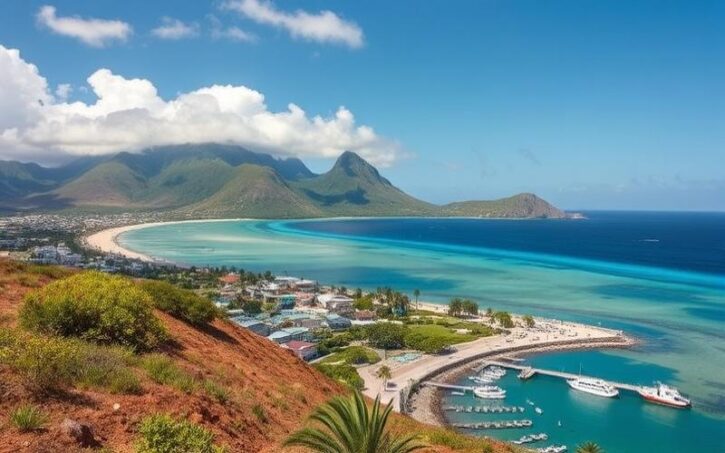
Nestled in the heart of the Caribbean, Saint Kitts and Nevis offers a peaceful haven for expatriates seeking a tropical lifestyle, but acclimating to its unique climate can present some challenges.
This duo of islands boasts stunning landscapes, rich biodiversity, and a laid-back pace of life; however, understanding the climate variations is essential to fully appreciate this island experience.
With warm temperatures and high humidity, adapting to this climate is crucial to making the most of it while staying healthy.
This article shares practical tips to help you embrace this new living environment while effectively managing the climatic specifics of this exotic destination.
Understanding the Climate of Saint Kitts and Nevis
Saint Kitts and Nevis enjoys a pleasant tropical climate, characterized by high and stable temperatures year-round, marked humidity, and an alternation between a dry season and a rainy season. Average annual temperatures range between 27°C and 31°C during the day, with nights rarely falling below 24°C. Maximums can reach 32°C in August and September, while the “coolest” temperatures occur from December to April.
| Month | Max Temp (°C) | Min Temp (°C) | Precipitation (mm) |
|---|---|---|---|
| January | 29 | 24 | 84 |
| March | 29 | 24 | 45 |
| June | 31 | 26 | 73 |
| August | 32 | 27 | 115 |
| October | 31 | 26 | 140 |
| December | 30 | 24 | 82 |
Seasonality of Precipitation and Climatic Phenomena
- The rainy season runs from July to November, with peak precipitation in September and October.
- Hurricane season primarily affects the period from August to late October, potentially bringing intense storms and occasional flooding.
- Northeast trade winds moderate the heat, especially along the coasts.
Seasonal Variations
- Dry season: December to April, pleasant temperatures and low humidity.
- Wet season: July to November, more intense heat, high humidity, frequent showers, risk of tropical weather.
Practical Tips for Adapting to the Climate
Best Time for Outdoor Activities
Opt for the dry season, from December to April, when rain is scarce and the heat is more bearable.
Precautions During Tropical Storms or Hurricanes
- Follow local weather bulletins and safety instructions.
- Stock up on water, food, and medication.
- Secure doors and windows, avoid travel during alerts.
Strategies for Coping with Heat and Humidity
- Stay hydrated regularly, avoid strenuous physical activity during the hottest hours (11 a.m. to 3 p.m.).
- Use fans or air conditioning, prioritize natural ventilation from trade winds.
- Prefer outdoor activities early in the morning or late in the day.
Clothing and Housing Tips for Expatriates
- Wear light, loose-fitting clothing made from natural fibers (cotton, linen).
- Bring a hat, sunglasses, and high-SPF sunscreen.
- Choose well-ventilated housing with mosquito nets and, if possible, air conditioning or fans.
- Favor light colors to limit heat absorption.
Home Setup
- Install thermal shutters or curtains to limit heat.
- Use insulating materials and reflective roofing.
- Plan storage space to secure belongings in case of a hurricane.
Summary of Key Points to Remember
- Hot and humid climate, little annual variation.
- Dry season (Dec.-Apr.) ideal for outdoor activities.
- Rainy season (Jul.-Nov.) with storm risk.
- Light clothing and ventilated housing highly recommended.
- Hurricane precautions essential from August to October.
Good to know:
In Saint Kitts and Nevis, temperatures range between 23°C and 30°C year-round, with a rainy season from May to October, so it’s advisable to pack light, water-resistant clothing and avoid outdoor activities during tropical storm warnings. To acclimate to the high humidity, install a dehumidifier at home and plan your outings for early morning or late afternoon.
Impacts of Climate on Health and Well-being
The climatic conditions of Saint Kitts and Nevis, characterized by high heat, high humidity, and abundant rainfall, expose expatriates to several health risks. Here are the main impacts and practical tips to address them:
Common Tropical Diseases:
- Dengue, Chikungunya, and Zika: Transmitted by mosquitoes, these diseases can cause fever, muscle pain, and serious complications, especially for pregnant women (Zika).
- Typhoid fever and Hepatitis A: Linked to consuming contaminated water or food.
- Tick-borne diseases: Limited but present risk, especially in rural areas (anaplasmosis, babesiosis).
- Seasonal flu: Possible circulation year-round in tropical regions.
- Traveler’s diarrhea: Common with dietary changes or exposure to local pathogens.
Risks Related to Humidity and Heat:
- Heatstroke and dehydration: Humid heat increases sweating and the risk of excessive fluid and mineral loss.
- Skin infections: Humidity promotes fungal growth and skin irritation.
- Sun exposure: Intense UV radiation, increased risk of burns and sunburn.
Impact on Mental Well-being:
- Hurricane season (June to November): Can cause stress, anxiety, and disrupt daily routines. Extreme weather conditions require adaptation to local cycles and can affect sleep quality and emotional stability.
- Social isolation: Adapting to a new climate and routines can lead to low morale, especially during bad weather.
Practical Tips to Minimize Climate Impacts:
List of essential recommendations:
- Hydration:
- Drink water regularly, avoid alcohol and sugary drinks.
- Eat water-rich fruits and vegetables (watermelon, cucumber).
- Managing heatstroke:
- Wear light, breathable clothing.
- Prioritize shaded and ventilated areas.
- Avoid physical activity during the hottest hours (10 a.m. to 4 p.m.).
- Sun protection:
- Apply high-SPF sunscreen (SPF 30+), reapply frequently.
- Wear a hat, sunglasses, and covering clothing.
- Preventing vector-borne diseases:
- Use insecticide-treated mosquito nets.
- Install mosquito screens on windows.
- Apply skin repellents to exposed skin.
- Adapted diet:
- Favor light meals rich in fiber and vitamins.
- Limit fatty and spicy foods that increase heat sensation.
- Climate adaptation and mental well-being:
- Engage in gentle physical activities (swimming, walking) to aid acclimatization.
- Practice relaxation techniques (meditation, deep breathing) to manage stress from weather conditions and hurricane season.
- Maintain social contacts, join expatriate groups to share experiences and advice.
| Climate Risk | Health Consequence | Prevention Measures |
|---|---|---|
| Heat and humidity | Heatstroke, dehydration | Regular hydration, appropriate clothing |
| Solar radiation | Burns, skin aging | Sunscreen, covering clothing |
| Mosquitoes | Dengue, chikungunya, Zika | Mosquito nets, repellents, avoid standing water |
| Local water/food | Diarrhea, typhoid, hepatitis A | Food hygiene, vaccination |
| Hurricane season | Stress, anxiety | Preparation, reassuring routines |
To Remember:
An adapted lifestyle, increased vigilance against tropical diseases, and proactive management of physical and mental well-being are essential to minimize the effects of Saint Kitts and Nevis’s climate on expatriates’ health.
Good to know:
Protect yourself from tropical diseases with mosquito nets and adopt a diet rich in hydrating fruits to better manage humidity and heat; participate in relaxing activities to acclimate to weather cycles, especially during hurricane season.
Adaptation Strategies and Recommended Equipment
Adaptation strategies for the tropical climate of Saint Kitts and Nevis:
Managing High Humidity and Hot Temperatures:
- Prioritize natural and mechanical ventilation, especially during periods of high heat and humidity.
- Close shutters and curtains during the day to limit indoor heat.
- Use dehumidifiers or air purifiers for comfort in homes.
- Install mosquito nets to protect against insects, especially during the wet season.
Clothing Recommendations:
- Wear clothing made from light, breathable fabrics (cotton, linen, bamboo).
- Favor light colors that reflect heat.
- Choose loose-fitting clothes to facilitate sweat evaporation.
- Always have a wide-brimmed hat, UV-protective sunglasses, and apply high-SPF sunscreen to exposed areas.
- Reapply sunscreen after swimming or heavy sweating.
Hydration and Local Diet:
- Drink water regularly throughout the day, even without feeling thirsty.
- Eat local fruits rich in water and electrolytes (watermelon, mango, coconut).
- Favor light meals, rich in vegetables and seasonal fruits, to better tolerate the heat.
Essential Equipment for Housing:
- Portable fan or air conditioning (use moderately to avoid temperature shock).
- Mosquito nets for windows and beds.
- Air purifiers to limit mold growth during humid periods.
- Airtight containers to protect food from humidity.
| Recommended Equipment | Primary Use |
|---|---|
| Portable fan | Immediate cooling |
| Dehumidifier | Reducing ambient humidity |
| Mosquito net | Insect protection |
| Air purifier | Improving air quality |
| Insulated water bottle | Keeping water cool on the go |
Apps and Gadgets for Climate Monitoring:
- Local weather apps to monitor temperature, humidity, and storm risks (Weather Underground, AccuWeather).
- Connected home weather stations to anticipate weather events.
- Smart bracelets or watches to track hydration and UV exposure.
Social and Cultural Adaptation:
- Participate in climate-adapted local activities like snorkeling, swimming, or hiking early morning or late afternoon to avoid peak heat.
- Respect local rhythms: midday break, slowing down activities during heat peaks.
- Integrate into local culinary and clothing habits for better adaptation.
- Take part in community events that foster mutual aid and sharing of practical tips for living in a tropical climate.
List of Practical Tips:
- Always bring water when traveling.
- Wear a hat and sunglasses.
- Prefer outdoor activities outside the hottest hours.
- Keep windows closed during storms to avoid excessive indoor humidity.
- Check the weather before any excursion or outdoor activity.
To Remember:
To live comfortably in Saint Kitts and Nevis, it’s essential to prioritize light clothing, protect yourself from the sun, stay hydrated, adapt your home with appropriate equipment, and follow local recommendations to fully enjoy activities without suffering from the tropical climate’s drawbacks.
Good to know:
Opt for light cotton clothing and bring a portable fan to better manage tropical humidity; morning dives and hikes avoid intense heat. Hydrate frequently and enjoy local fruits like watermelon to stay refreshed.
Prevention and Care for Climate-Related Illnesses
Common Tropical Diseases in Saint Kitts and Nevis:
- Dengue: Transmitted by the Aedes aegypti mosquito, dengue is present year-round and can cause high fever, muscle and joint pain, skin rashes, and rarely, severe hemorrhagic forms. Three out of four cases are asymptomatic, but fatigue can persist. No specific treatment or preventive vaccine, except for those with a documented prior dengue infection.
- Chikungunya: Also transmitted by Aedes aegypti and Aedes albopictus, chikungunya causes high fever and joint pain that can last for months. Atypical forms exist, with abdominal pain or rare neurological complications. No vaccine or specific treatment.
- Zika: The Zika virus also circulates in the region. It can cause fever, skin rashes, joint pain, and in pregnant women, serious complications for the fetus. No vaccine available.
Prevention Methods
Mosquito Protection:
- Use treated mosquito nets for sleeping, especially during the rainy season.
- Apply mosquito repellents containing DEET, icaridin, or lemon eucalyptus oil to exposed skin.
- Wear long clothing, particularly at dawn and dusk.
- Install mosquito screens on windows and doors.
- Eliminate standing water around homes to reduce mosquito breeding sites.
Vaccination:
- Dengue: Vaccination is only recommended for those with a proven prior infection.
- Recommended vaccines for other risks: hepatitis A and B, typhoid, polio, rabies, meningitis (consult a doctor before travel).
Care in Case of Illness
Recognizing Warning Signs:
- Sudden fever, joint or muscle pain, headache, skin rash, nausea, vomiting.
- In case of severe symptoms (bleeding, intense abdominal pain, neurological issues), seek emergency care.
Available Medical Infrastructure:
| Infrastructure | Main Location | Services Offered |
|---|---|---|
| General Hospital | Basseterre (Saint Kitts) | Emergency, hospitalization, laboratory |
| Local Health Centers | Several on both islands | Primary care, consultations, pharmacy |
| Private Clinics | Basseterre and Charlestown | General medicine, specialized consultations |
Quick Access to Emergency Care:
- Go directly to the general hospital or nearest health center.
- In case of severe symptoms, call local emergency services.
- Arrange travel insurance covering medical care and medical evacuation if needed.
Practical Recommendations for Travelers
Before Travel:
- Get a medical check-up, verify required and recommended vaccines are up to date.
- Prepare a medical kit with repellents, antiseptics, antidiarrheals, fever and pain medication.
During the Stay:
- Maintain good hydration (drink 2 to 3 liters of water per day).
- Favor a varied diet rich in fruits, vegetables, and protein.
- Monitor heat tolerance: avoid intense physical activity midday, wear light, breathable clothing.
After Travel:
- Monitor for symptoms suggestive of infectious diseases for several weeks.
- Consult a doctor promptly if fever, joint pain, skin rash, or digestive issues occur.
Impact of Tropical Climate on Health
High temperatures and high humidity promote dehydration and heatstroke.
Mosquito-borne diseases are more common during the rainy season, when conditions are ideal for their reproduction.
Persistent humidity can increase the risk of skin infections and digestive issues.
Adopt simple habits: drink regularly, protect yourself from the sun, monitor mosquito breeding sites, and consult quickly if suspicious symptoms appear.
List of Recommended Medical Checks:
- Update vaccinations
- Pre-travel consultation with a doctor
- First aid kit adapted to tropical climate
- Health and repatriation insurance
List of Tips in Case of Illness:
- Strict rest
- Abundant hydration
- Take acetaminophen (avoid aspirin in case of dengue)
- Monitor for signs of severity
- Seek medical attention quickly if condition worsens
Good to know:
In Saint Kitts and Nevis, using mosquito nets and repellents is essential to prevent dengue, chikungunya, and Zika; check required vaccines and locate local clinics for quick access to emergency care. Prioritize hydration and a balanced diet to avoid the effects of high heat and humidity on health.
Disclaimer: The information provided on this website is for informational purposes only and does not constitute financial, legal, or professional advice. We encourage you to consult qualified experts before making any investment, real estate, or expatriation decisions. Although we strive to maintain up-to-date and accurate information, we do not guarantee the completeness, accuracy, or timeliness of the proposed content. As investment and expatriation involve risks, we disclaim any liability for potential losses or damages arising from the use of this site. Your use of this site confirms your acceptance of these terms and your understanding of the associated risks.

Cyril Jarnias is an independent expert in international wealth management with over 20 years of experience. As an expatriate himself, he is dedicated to helping individuals and business leaders build, protect, and pass on their wealth with complete peace of mind.
On his website, cyriljarnias.com, he shares his expertise on international real estate, offshore company formation, and expatriation.
Thanks to his expertise, he offers sound advice to optimize his clients' wealth management. Cyril Jarnias is also recognized for his appearances in many prestigious media outlets such as BFM Business, les Français de l’étranger, Le Figaro, Les Echos, and Mieux vivre votre argent, where he shares his knowledge and know-how in wealth management.





