
 Published on and written by Cyril Jarnias
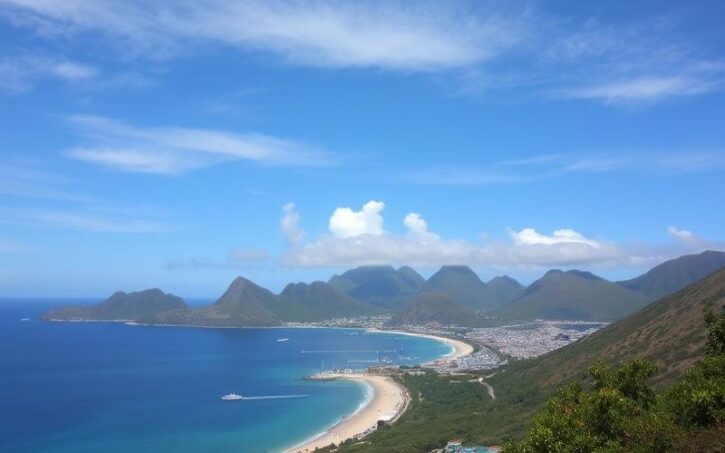
Nestled in the heart of the Caribbean, St. Kitts and Nevis offers its visitors not only paradise beaches and a rich colonial history, but also a unique public transportation network.
This practical guide will take you along the scenic roads and services of local buses, often picturesque, which represent an authentic and affordable way to explore these enchanting islands.
Discover how to navigate easily between vibrant towns and secluded beaches, while enjoying the fascinating stories of drivers and locals.
Dive into the local experience and let yourself be carried away by the discreet charm of a journey aboard St. Kitts and Nevis public transport.
Exploring Transportation Modes in St. Kitts and Nevis
Available Transportation Modes in St. Kitts and Nevis
- Public Buses (Minibuses): Minibuses are the main local transport, serving the main roads between Basseterre and surrounding villages. Schedules are not strictly defined: buses generally leave when full, from 6 a.m. to 7 p.m. Average cost: about 3 to 5 EC$ per trip. Greater availability during the day, but limited in the evening.
- Shared and Private Taxis: Numerous around Basseterre, hotels, and the airport. Fares are fixed, available at the airport or at The Circus (downtown). 50% surcharge between 10 p.m. and 6 a.m. Example: airport–downtown trip ≈ 30–40 EC$. Shared taxis are more economical but less frequent.
- Inter-Island Ferries and Water Taxis:
- Basseterre–Charlestown Ferry: 25–30 min, several daily departures. Ticket ≈ 20 US$. No reservation possible, limited capacity, variable wait time.
- Reggae Beach–Nevis Water Taxis: 6–15 min depending on destination (Oualie Beach or Four Seasons Pier). Fare: 20 US$ per person, or 80 US$ for 1 to 4 people for private hire. Refreshments included on some services.
- Sea Bridge: Vehicle and passenger transport, 3 rotations per day, very limited capacity for cars. No proper terminal, lack of amenities, plan to arrive early.
- Car Rentals: Numerous local agencies (ABC Rentals, Island Paradise, etc.), at the airport and in town. Average rate: 40–60 US$/day. Recommended for exploring the island at your own pace, especially off the main roads.
- Bicycle, Scooter, ATV Rentals: Available in Basseterre and Frigate Bay. Scooter ≈ 25 US$/day, bicycle ≈ 15–20 US$/day. Ideal for short trips and exploring beaches or downtown.
Summary Table of Main Transportation Modes
| Mode | Availability | Typical Hours | Average Cost | Advantages | Disadvantages |
|---|---|---|---|---|---|
| Public Minibus | Frequent during the day | 6 a.m.–7 p.m. | 3–5 EC$ | Economical, local immersion | No precise schedule, crowded |
| Shared Taxi | Average | 7 a.m.–10 p.m. | 10–15 EC$ | Fast, flexible | Variable fare, waiting |
| Private Taxi | High | 24/7 | 30–40 EC$ | Comfort, direct | More expensive, night surcharge |
| Ferry | Several/day | 6 a.m.–7 p.m. | 20 US$ | Scenic crossing | Waiting, limited capacity |
| Water Taxi | By reservation | 7 a.m.–7 p.m. | 20–80 US$ | Fast, drinks included | Little shade, possible wait |
| Car Rental | By reservation | 24/7 | 40–60 US$/day | Autonomy, exploration | Narrow roads, left-hand drive |
| Bike/Scooter/ATV | By reservation | 7 a.m.–7 p.m. | 15–25 US$/day | Ideal for short trips | Roads sometimes rough |
Road Infrastructure and Traffic Conditions
- Road Network: Main roads are paved, but conditions range from fair to poor. Presence of stray animals and slow vehicles. Secondary roads can be narrow and winding, especially in mountainous or rural areas.
- Driving: On the left, extra caution required. Few road signs, caution recommended at night.
- Geographic Features:
- Volcanic terrain and hills: steep roads, impressive views.
- Coastal areas accessible, but some beaches are isolated.
- Quick inter-island crossing by boat or water taxi.
Practical Tips for Getting Around Efficiently
- Plan your inter-island transfers in advance, especially if traveling with luggage or a vehicle.
- Use official taxis, identifiable by their yellow license plate, for greater safety.
- Arrive early at ferry or Sea Bridge docks, especially if transporting a car.
- Check minibus schedules with locals, as they vary based on demand.
- Use car rentals to explore off the main roads, but be prepared for sometimes degraded roads.
- Bring sun protection and water, as shelters are scarce at maritime terminals.
Testimonials and Local Recommendations
“The minibus is ideal for short trips, but you have to love the local atmosphere and flexibility!”
“I rented a car from ABC Rentals, they let me return it directly at the Sea Bridge, very convenient.”
“The water taxi from Reggae Beach is fast and very pleasant, but you have to wait outside, better to avoid the hottest hours.”
Recent Initiatives
- Introduction of simplified digital entry for travelers, speeding up customs clearance and optimizing inter-island transfers.
- Gradual modernization of ferry and water taxi services to improve safety and punctuality.
- Local support for the development of electric vehicle and scooter rentals for more sustainable mobility.
For an optimal experience, combine several modes based on your needs: bus for immersion, taxi for speed, ferry for inter-island transfers, and rental car for total autonomy.
Good to know:
Public buses mainly operate around Basseterre with affordable fares; to explore further, opt for shared taxis or inter-island ferries, especially between St. Kitts and Nevis, where car rentals are ideal for visiting less accessible places. Roads are sometimes narrow, so caution is advised, especially in mountainous areas.
An Expat’s Transportation Budget: How Much to Plan For?
Main Transportation Modes Available in St. Kitts and Nevis
- Public Buses: Private minibuses, government-licensed, recognizable by their green license plate (letter “H” or “HA”).
- Taxis: Comfortable vans, fixed prices for 1 to 4 passengers, night surcharge.
- Car Rental: International and local agencies (Avis, Hertz, Thrifty, etc.).
- Ferries and Water Taxis: Regular connections between St. Kitts and Nevis, as well as to other neighboring islands.
- Scooters and Bicycles: Available from specialized rental companies for short trips.
Estimated Average Costs by Transportation Mode
| Transportation Mode | Average Fare (XCD/EC$) | Average Fare (USD) | Remarks |
|---|---|---|---|
| Public Bus | 2.50 (≤5 miles), 3.00 (5-10), 3.75 (>10) | 0.90 – 1.40 | Surcharge for off-route trips |
| Taxi (St. Kitts) | 22 – 216 (depending on distance) | 8 – 80 | 50% surcharge between 10 p.m. and 6 a.m. |
| Car Rental | 50 – 90/day | 18 – 33/day | Mandatory insurance extra |
| Ferry St. Kitts ↔ Nevis | 25 (adult), 15 (child) | 9.25 (adult), 5.55 (child) | Fares vary by operator |
For an expat, regular use of public buses and planning taxi trips outside surcharge hours can significantly reduce the transportation budget, while enjoying an authentic local experience.
Good to know:
In St. Kitts and Nevis, buses remain the most economical with average costs of 2 to 3 USD per trip, while taxis range from 10 to 40 USD depending on distance, unlike other Caribbean islands where fares can be higher; consider checking weekly car rental deals for substantial savings, especially during low traffic periods.
Practical Tips for Getting Around Easily
Practical Tips for Optimizing Public Transport Use in St. Kitts and Nevis
Typical Schedules and Adaptation
- Ferries between St. Kitts and Nevis generally run from 7 a.m. to 6 p.m., with at least one departure per hour in each direction. The first ferries leave as early as 7 a.m., and frequency increases during peak hours, especially early morning and late afternoon.
- Minibuses (often called “H Buses”) run throughout the day, particularly active between 8 a.m. and 6 p.m. Outside urban centers, stops are flexible: just wave to the driver to get on or off.
- Shared bus services operate on fixed schedules, but it is advisable to arrive early, especially during high season.
Summary Table of Typical Schedules
| Transport | First Departure | Last Departure | Frequency | Remarks |
|---|---|---|---|---|
| Ferry | 7:00 a.m. | 6:00 p.m. | Every 1-2 hours | Subject to weather conditions |
| Minibus (H Bus) | 6:30 a.m. | 7:00 p.m. | Continuous | Stops on request |
| Shared Bus | 7:00 a.m. | 6:00 p.m. | Fixed schedule | Reservation recommended in season |
Ticketing System and Purchase Options
- Ferries: Tickets are purchased only at the terminal, 20 to 30 minutes before departure. Cash payment (Eastern Caribbean dollar, XCD) required, no advance purchase or online sales. A 1 EC$ surcharge may apply for departure.
- Minibuses and Buses: Payment directly to the driver, cash only.
- Reservation: For private buses or during special events, advance booking is recommended, especially during peak periods.
Tips for Choosing the Best Route
- Choose direct ferries between Basseterre (St. Kitts) and Charlestown (Nevis) for quick inter-island connections.
- Use minibuses to explore the interior of St. Kitts, particularly destinations like Frigate Bay, Brimstone Hill, or coastal villages.
- For remote tourist sites, consider combining bus/minibus and taxi, especially outside peak hours.
List of Popular Destinations and Suitable Transport
- Basseterre ↔ Charlestown: Fast ferry, frequent departures.
- Frigate Bay, Brimstone Hill: Minibus or taxi from Basseterre.
- Rural Villages: Minibus, stops on request.
Punctuality and Peak Hours
- Punctuality: Transport is generally punctual, but it is advisable to arrive early, especially in the morning (7 a.m.-9 a.m.) and late afternoon (4 p.m.-6 p.m.), peak traffic periods.
- Peak hours to avoid:
- Morning: 8 a.m.-10 a.m.
- Evening: 4 p.m.-6 p.m.
- Ferries and minibuses can fill up quickly during these times.
Useful Mobile Apps and Websites
- SKN TRANSIT: Official app for updated ferry schedules.
- Ferry Operator Facebook Pages: Real-time information and last-minute changes.
- Rome2Rio: To calculate routes and inter-island connections.
Cultural and Logistical Particularities
- Public transport is often friendly and informal, especially on minibuses where communication with the driver is common.
- The lack of online ticketing and the need to use cash require having enough local currency on hand.
- Schedules can be affected by weather, especially for ferries: always check the status of connections on the day of travel.
- Posted schedules are indicative: flexibility and patience are key.
List of Practical Recommendations
- Carry local currency in cash for all your trips.
- Check official apps or pages on the morning of your trip.
- Arrive 30 minutes before the ferry departure to secure your spot.
- Avoid peak hours for a more comfortable journey.
- Ask your hotel or host for the day’s schedules and local tips.
- When in doubt, choose shared transport for less served destinations.
Tip: Flexibility and politeness are essential for a pleasant experience on local transport.
Good to know:
Choose minibuses for economical trips and respect the flexible schedules, often from 6 a.m. to 8 p.m., and avoid peak hours between 7:30 a.m. and 9 a.m. Use the “SknTrans” app to track schedules in real-time and optimize your route.
Disclaimer: The information provided on this website is for informational purposes only and does not constitute financial, legal, or professional advice. We encourage you to consult qualified experts before making any investment, real estate, or expatriation decisions. Although we strive to maintain up-to-date and accurate information, we do not guarantee the completeness, accuracy, or timeliness of the proposed content. As investment and expatriation involve risks, we disclaim any liability for potential losses or damages arising from the use of this site. Your use of this site confirms your acceptance of these terms and your understanding of the associated risks.

Cyril Jarnias is an independent expert in international wealth management with over 20 years of experience. As an expatriate himself, he is dedicated to helping individuals and business leaders build, protect, and pass on their wealth with complete peace of mind.
On his website, cyriljarnias.com, he shares his expertise on international real estate, offshore company formation, and expatriation.
Thanks to his expertise, he offers sound advice to optimize his clients' wealth management. Cyril Jarnias is also recognized for his appearances in many prestigious media outlets such as BFM Business, les Français de l’étranger, Le Figaro, Les Echos, and Mieux vivre votre argent, where he shares his knowledge and know-how in wealth management.





