
 Published on and written by Cyril Jarnias
Located in the heart of the Baltic Sea, a member of the European Union and the eurozone, Latvia is no longer just a weekend destination in Riga. With a modernizing economy, a shortage of skilled labor, and a cost of living still significantly lower than in Western Europe, the country is openly seeking to attract foreign workers, freelancers, and entrepreneurs. For an expatriate, the Latvian labor market offers a rare mix: access to the EU, rising salaries, competitive taxation, and a decent quality of life, but with very real constraints in terms of language, residency rights, and compensation levels.
A Small Market… but Short on Talent
Latvia has approximately 1.87 to 1.9 million inhabitants, of whom more than 965,000 are economically active. The employment rate hovers around 65%, the participation rate is close to 70%, and unemployment stands between 6% and 7%, near the EU average. The country was hit hard by the 2008 crisis and then the pandemic, but growth has returned: the economy is growing around 1.7%, with forecasts pointing to an acceleration toward 2.4% and then 3.8% in the coming years.
Despite a notable unemployment rate, the country is experiencing a shortage of workers in many sectors, from specialized jobs to skilled trades. This phenomenon is due to the ongoing emigration over the past twenty years of young people and graduates to EU countries offering better pay, such as Germany or the United Kingdom, leading to demographic decline and accelerated population aging.
Latvian authorities do not hide it: to maintain growth and fill shortages, they will increasingly need to rely on foreigners – whether EU citizens or third-country nationals. Relaxations for certain professions in high demand, the creation of a digital nomad visa, and the simplification of the European Blue Card are part of this logic.
Salaries: Rapid Progress, but Still Low by EU Standards
For an expatriate, one of the first questions is the level of salaries. Latvia is clearly in the lower middle range within the Union.
In 2025, the average gross salary is around €1,744 to €1,757 per month, with a net average between €1,213 and €1,259. The median is just above €1,350 gross per month. Historically, the country started very low: at the end of the 1990s, the average salary did not exceed €113 per month. The increase has been spectacular, but the gap with Western Europe remains significant.
For a clearer picture, here are some monthly benchmarks (gross data):
| Indicator (Monthly) | Approximate Amount |
|---|---|
| Average gross salary Latvia 2025 | €1,744–€1,757 |
| Median gross salary 2025 | €1,357–€1,403 |
| Average net salary 2025 | €1,213–€1,259 |
| Legal minimum wage 2025 | €740 (≈€600 net) |
| Historical average peak (July 2025) | €1,394 |
| Historical average (1997–2025) | €533 |
On an annual basis, an “average” employee earns around €17,100 gross, with a very wide range: around €5,160 per year for low salaries up to over €68,000 for the highest-paid profiles. The median annual salary is around €14,200. A quarter of the population earns less than €8,780 per year, while a quarter exceeds €40,140.
The local average net salary covers about 1.1 months of expenses for a single person.
Legal Minimum: Low by EU Standards, but Tied to the Economy
The Latvian minimum wage, raised to €740 gross in 2025 (about €600 net), represents approximately 42% of the national average salary. On a European scale, it is at the bottom of the rankings: lower than Estonia (€886) and Lithuania (€1,038), far behind France (around €1,800) or Germany (over €2,100). Only Bulgaria has a lower minimum in the EU.
The legal minimum wage in the European Union is revised annually by the government based on the economic situation. For an expatriate from Western Europe, accepting a job paid near this minimum is financially advantageous only under two main conditions: if housing is provided by the employer or available at a very low cost, and if the primary goal is to get a first foothold in the EU, not to maximize purchasing power.
Cost of Living: A Key Advantage for Expatriates
While salaries remain modest, Latvia compensates with a significantly lower cost of living compared to many Western countries. The country ranks around 67th globally in terms of expensiveness, with a cost of living index of about 49 (100 being the New York baseline in some methodologies).
In Riga, the most expensive city in the country, estimates are:
– For a single person: between €800 and €1,000 per month excluding rent, or about €1,300–€1,400 all-inclusive with a typical rent.
– For a family of four: around €2,900–€3,000 per month.
The minimum monthly rent for a one-bedroom apartment in the city center in Latvian cities like Liepāja or Daugavpils.
Other expenses remain reasonable: a transport pass around €30, a mobile plan with data between €10 and €28, high-speed internet around €10–€25, a simple restaurant meal between €7 and €20. Public healthcare is accessible, but medications and international schools for children can quickly add up – up to €20,000 or more per year per child for some private institutions.
For an expatriate paid internationally – especially in IT or freelance – the leverage is clear: an income of €2,500–€3,000 net allows for a very comfortable lifestyle in Riga and even more so in secondary cities.
Where Are the Jobs? A Portrait of Hiring Sectors
The structure of the Latvian economy is based on services (about 62% of GDP), manufacturing, agri-food, wood, and logistics. Labor shortages and business needs create a fairly clear landscape of opportunities for expatriates.
IT and Technology: The Most Promising Driver
IT and digital services are arguably the flagship sector. Latvia ranks among the European countries with the highest number of ICT students per capita, and IT accounts for about €1.4 billion in exports. The sector is expected to grow by about 6.7% between 2025 and 2029.
Profiles in demand range from back-end or full-stack developers to data scientists, cybersecurity experts, DevOps engineers, systems architects, testers and QA engineers, mobile developers, or UX/UI specialists. In this field, English is often enough, and sometimes German or Nordic languages, especially in shared service centers (SSC, BPO) based in Riga.
On the salary side, ranges are well above the national average: a software developer can aim for €2,000 to €3,500 gross per month, or €30,000 to €50,000 annually. IT architects earn around €3,400–€3,500 per month, and IT managers between €3,500 and €3,700.
Finance, Banking, Fintech: A Highly Lucrative Sector
The financial sector – banks, insurance, pension funds, leasing – offers some of the highest salaries in the country. The average gross salary in finance exceeds €2,780 per month, for positions such as financial managers, analysts, compliance specialists, actuaries, or risk officers.
For an experienced expatriate from a mature market like the United States, a “finance manager” position in France, with a salary capping at around €3,460 gross per month, can be attractive. Although this amount is nearly three times lower than its American counterpart, the difference is explained and largely offset by a significantly lower cost of living in France, making purchasing power comparable or even advantageous.
Healthcare, Social Work, and an Aging Population
The aging population and the shortage of doctors and nurses create strong demand throughout the healthcare system. University hospitals like Riga Stradiņš Hospital continuously recruit doctors, nurses, medical imaging or radiotherapy technicians, nursing assistants, and social workers.
The official list of shortage occupations includes many codes for healthcare professionals, including specialist doctors, psychologists, and medical equipment technicians. The average salary in health and social work is around €1,826 gross per month, but the most qualified specialists can far exceed this level, especially by combining multiple jobs – more than a third of Latvian employees already hold two or more positions.
Construction, Engineering, Technical Trades: A Critical Need
Construction is one of the sectors with the highest tension. The boom in residential, commercial, and infrastructure projects – not to mention the massive Rail Baltica rail project – fuels continuous demand for civil engineers, site supervisors, electricians, plumbers, welders, bricklayers, tilers, and painters.
European reports list shortages in dozens of construction and industrial trades, such as heavy truck drivers, HVAC technicians, welders, and building craftsmen. For a skilled professional with existing experience in Europe, integration into the labor market can be quick, especially within large construction companies.
Average salaries in construction are around €1,623 gross, but rare profiles and shortage premiums often allow for higher negotiations, especially in the Riga region.
Logistics and Transport: The Weight of Trucks
Due to its geographical location, between Russia, Scandinavia, and Central Europe, Latvia is a regional transport hub. The sector includes port logistics, rail, warehouses, and especially international road transport. Heavy truck drivers are among the most sought-after profiles, to the point of being regularly cited as a “star job” for foreigners.
Major international transport companies, such as Kreiss or other actors listed among the country’s top employers, recruit drivers from Ukraine, Central Asia, or the Caucasus, as well as from other regions of the world. The work is demanding, but more accessible in terms of language (often basic Russian or English) and can offer a room-and-board package to simplify relocation.
Tourism, Hospitality, and Food Service: Accessible Entry Points
Riga, Jurmala, Liepaja, and the Baltic coast are attracting more and more tourists, and the sector has almost regained its pre-Covid level. Hospitality and food service lack both seasonal and permanent staff: waiters, bartenders, kitchen assistants, receptionists, cleaning staff, spa personnel, and tour guides.
Average gross monthly salary in the accommodation and food service sector in Latvia, one of the lowest in the country.
Industry, Agriculture, Wood, Bioeconomy: Real Niches
Latvian industry relies heavily on wood processing, agri-food, textiles, chemicals, and some high-tech segments (electronics, fiber optics). The bioeconomy sector (forestry, fisheries, agriculture) accounts for about 40% of the country’s exports, with needs for agricultural labor, technicians, and engineers alike.
Seasonal work on farms – harvesting, livestock, market gardening – remains a classic route for workers from third countries. But ongoing modernization is creating new positions for agronomists, agricultural machinery specialists, and agro-industry engineers.
In terms of salaries, agriculture and fishing average around €1,670 gross per month, manufacturing around €1,635, with wide variations depending on sub-sectors and exports.
Comparison of Average Salaries by Sector (Gross Monthly, 2025)
| Sector of Activity | Average Gross Monthly Salary |
|---|---|
| Information & Communication (IT, telecoms) | ≈ €2,849 |
| Finance & Insurance | ≈ €2,781 |
| Scientific & Technical Services | ≈ €2,183 |
| Public Administration | ≈ €2,063 |
| Electricity, Gas, Steam | ≈ €2,061 |
| Mining & Quarrying | ≈ €2,043 |
| Health & Social Work | ≈ €1,826 |
| Water Supply & Waste Management | ≈ €1,747 |
| Transportation & Storage | ≈ €1,694 |
| Agriculture, Forestry, Fishing | ≈ €1,670 |
| Manufacturing | ≈ €1,635 |
| Construction | ≈ €1,623 |
| Administrative Services | ≈ €1,565 |
| Arts, Entertainment, Recreation | ≈ €1,544 |
| Wholesale & Retail Trade | ≈ €1,529 |
| Education | ≈ €1,504 |
| Real Estate | ≈ €1,461 |
| Accommodation & Food Service | ≈ €1,159 |
For an expatriate, this table gives a clear idea: targeting IT, finance, engineering, or high-value-added services is the most rational strategy if the goal is to improve one’s financial situation. Unskilled service jobs can open the door to immigration but offer limited salary prospects.
Where to Work? Riga, Regions, and Disparities
Latvia is a highly centralized country: the Riga region concentrates the majority of economic activity, skilled jobs, and high salaries. More than half of job offers are located in the capital or its suburbs.
Salary gaps between regions are significant:
| Region | Average Gross Monthly Salary (approx.) |
|---|---|
| Riga (city) | ≈ €1,800–€1,941 |
| Riga Planning Region | ≈ €1,706 |
| Areas around Riga (suburbs) | ≈ €1,590 |
| Zemgale | ≈ €1,480 |
| Kurzeme | ≈ €1,430 |
| Vidzeme | ≈ €1,391 |
| Latgale | ≈ €1,150–€1,263 |
For an expatriate, this means that Riga is by far the best bet for finding a skilled job, joining a large group, integrating into the international community, or benefiting from infrastructure (international schools, coworking spaces, business events). Mid-sized cities like Liepaja, Ventspils, Jelgava, or Daugavpils offer more targeted opportunities (industry, ports, logistics, manufacturing), with lower rents but also more modest salaries.
Public/Private Split, Gender, Experience: What Affects Salary
Salary gaps in Latvia are not only due to sector or region; education, experience, gender, and type of employer also play a significant role.
Public vs. Private
Generally speaking, public sector employees earn more than their private sector counterparts for comparable positions. The average annual salary in the public sector is around €16,880, compared to €13,100 in the private sector, a gap of about 29%. In 2025, average gross salaries were between €1,743 and €1,809 in the public sector, compared to €1,644 to €1,753 in the private sector.
For an expatriate, access to the public sector in Latvia is very restricted, as it generally requires excellent proficiency in the Latvian language, or even Latvian citizenship. This is especially true in fields like public administration, education, or justice. The most realistic professional opportunities lie in the private sector, particularly within subsidiaries of international groups or large service companies.
Education and Experience
Data confirm a clear link between education level and compensation. For 25–34 year olds:
– Without a secondary school diploma, the employment rate is only 65%, and the salary is about 13% lower than for those with at least secondary education.
– A vocational certificate or diploma allows earnings about 17% higher than a simple high school graduate.
– A bachelor’s degree adds about 25% compared to a technical diploma.
– A master’s degree brings an additional 30% over a bachelor’s.
– A doctorate increases salary by about 22% compared to a master’s.
Similarly, experience weighs heavily:
– 2 to 5 years of experience: +35% compared to an entry-level position.
– 10 years and more: +20% additional.
– 15 years and more: another +15% on average.
For a skilled expatriate, it is essential to highlight your degrees, certifications, and professional history in your application. These concrete elements are major assets during salary negotiations and can make the difference in securing compensation that matches your profile and experience.
Gender Inequality
Latvia exhibits a gender pay gap that remains significant. Men earn on average about €15,760 per year, compared to €14,540 for women, an overall difference of about 8%, which rises to 16–16.5% depending on measurements and exceeds 30% in sectors like finance or tech.
Authorities have introduced transparency rules requiring companies to indicate salary ranges in job ads, in order to limit unjustified gaps. For female expatriates, the Latvian market is not free from bias, but public pressure on the issue is growing.
Status, Visas, and Right to Work: What an Expatriate Needs to Know
Conditions for accessing the Latvian labor market differ greatly depending on whether you are an EU/EEA/Swiss citizen or a third-country national.
EU/EEA/Swiss Citizens
For them, the situation is simple: there is no work permit. You just need to sign a contract and start working. However, for a stay longer than three months, you must register with the Office of Citizenship and Migration Affairs (PMLP) and obtain a residence certificate. Registration becomes mandatory beyond six months if you are job-seeking.
For tax purposes, a stay of more than 183 days in any 12-month rolling period can make the expatriate a Latvian tax resident, taxed on worldwide income, with progressive taxation (25.5% up to €105,300 in annual income, then 33%, plus a 3% surcharge above €200,000).
Third-Country Nationals: Work Permits, Blue Cards, Residence
For non-Europeans, the procedure is more burdensome. The basic principle: you must first find an employer in Latvia, sign an offer, and let the company initiate the process.
The classic process involves several steps:
To hire a third-country national, the Latvian employer must first register the job offer with the State Employment Agency (NVA) for at least 10 working days (sometimes a month) to check for the absence of local or EU candidates. If no suitable candidate is found, the company requests authorization from the PMLP. Once obtained, the candidate applies for a long-stay visa (type D) at the Latvian embassy, then, upon arrival, a temporary residence permit (TRP) valid for one year and renewable. After five years of regular residence, they can apply for permanent residence, and eventually citizenship.
For highly skilled profiles (engineers, IT professionals, managers), the European Blue Card is often the best option. It requires a local contract and a salary at least equal to 1.2 times the average Latvian salary (a multiplier reduced from the previous requirement of 1.5), which corresponds to just over €2,000 gross monthly in current data. In return, it offers enhanced mobility and residence rights within the EU.
Several specific pathways allow obtaining a residence permit, tailored to particular professional or investment situations.
Intended for workers in agriculture or tourism, this permit allows a stay of up to six months.
Reserved for employees of multinational companies undergoing a temporary transfer within their group.
A scheme aimed at attracting innovative entrepreneurs wishing to create a startup.
Obtaining a residence permit through a significant investment, for example in real estate or business creation.
The Specific Case of the Digital Nomad Visa
Latvia has also positioned itself in the remote worker niche with its long-stay visa for digital nomads. Aimed at people working for an employer or clients located in an OECD country, this visa allows residence for up to one year, renewable once (two years total), without the right to work for a Latvian company.
The most important condition is financial: you must demonstrate a monthly income at least equal to 2.5 times the national average gross salary, i.e., between €2,800 and over €3,800 depending on the reference year, with evidence (bank statements, pay slips) covering the last six months. The application must also include international health insurance, a clean criminal record, proof of accommodation, a motivation letter, and, where applicable, documents for spouses and children.
For a well-established freelancer or a full-remote employee paid by a foreign company, this option offers legal access to Latvia and the Schengen area (travel within other countries during the stay), without going through the filter of the local labor market.
Language, Regulations, and Ground Reality
Even though about 46% of the population speaks English and a large minority is Russian-speaking, Latvia has made Latvian the only official language in work and administration. The Language Law and related regulations impose a level of Latvian defined by profession for all positions involving public contact or related to the public sector.
In practice, this means:
For jobs in the public sector (administration, justice, education, healthcare), an advanced level of Latvian is mandatory and verified by official examination. In the private sector, requirements vary: although the employer must theoretically justify the need for a foreign language, many customer-facing positions (retail, restaurants, services) require Latvian. Russian is still frequently demanded in large cities. For apprenticeship, Latvian is the compulsory language of theoretical training.
For an expatriate, the situation is paradoxical: in Riga and in international sectors, you can live and work largely in English (IT, multilingual call centers, finance, startups, international schools). But to settle long-term, access stable positions, and secure a permanent residence permit, learning Latvian becomes almost unavoidable. Free courses exist through the State Employment Agency for job seekers, with grants of €5 per training day.
How to Find a Job: Local Tools and Strategies
The go-to portal for tracking the market is the website of the State Employment Agency (NVA), which publishes job offers, regional statistics, and training programs. Alongside, the market is structured by several private platforms:
– CV.lv, CV-Online, CV Market, Teirdarbs.lv, VisiDarbi for generalist ads.
– Prakse.lv for internships and entry-level jobs.
– LikeIT.lv for IT positions.
– ss.com for more generalist ads, including for less skilled jobs.
– LinkedIn, increasingly used by recruiters in finance, IT, and management.
In Riga, the expat and business community is very dynamic. For a newcomer, attending events organized by groups such as InterNations, the American Chamber of Commerce, the Latvian Chamber of Commerce and Industry, the Riga Business Chamber, various professional associations, expat women’s clubs, or tech meetups (TechHub Riga, TechChill, “Startup: Idea to IPO” groups) is often a more effective job search strategy than sending unsolicited CVs. These networks offer many breakfasts, afterworks, and meetups.
The recruitment process remains classic: CV in English or Latvian (1–2 pages), cover letter for skilled positions, formal interviews, sometimes technical or psychometric tests. Punctuality, preparation, and neat attire are important, as the local professional culture values seriousness and reliability.
Should You Move to Latvia for Work? An Assessment for Different Profiles
The data shows a contrasting Latvian labor market. For an expatriate, the appeal depends heavily on the profile, salary expectations, and life project.
An overview of career and life prospects in Latvia according to different professional profiles, highlighting advantages and considerations for each.
Good compromise between career opportunities, security, cost of living, and prospects for long-term EU residence. Salaries lower than in the West but comfortable locally, with less competitive pressure.
Shortages open doors with above-minimum wages and benefits. Can serve as a stepping stone to the EU for the short or medium term.
Jobs exist, especially for third-country nationals, but wages are often around €500–600 net. Hard to sustain without provided housing or additional income.
Very attractive, especially in Riga: fast internet, numerous coworking spaces, moderate cost of living, safe environment, and accessible nature. Digital nomad visa available.
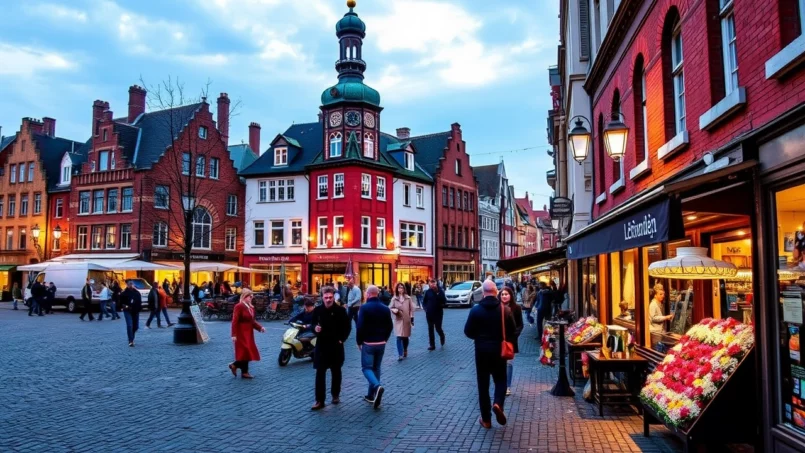
Finally, there is a more subjective dimension: daily life. Riga offers a mix of medieval old town, Art Nouveau architecture, and green residential neighborhoods. The country is reputed to be safe, clean, highly digital, with a good level of civil liberty. The climate – cold, dark winters and short but pleasant summers – and a culture sometimes perceived as reserved can, however, be disorienting at first.
Ultimately, the labor market in Latvia is not a salary Eldorado, but it is an ecosystem in transition, actively seeking foreign talent, where a well-informed and strategic expatriate can find real professional opportunities… and a sustainable entry point into the European Union.
Analysis of the Latvian labor market
Disclaimer: The information provided on this website is for informational purposes only and does not constitute financial, legal, or professional advice. We encourage you to consult qualified experts before making any investment, real estate, or expatriation decisions. Although we strive to maintain up-to-date and accurate information, we do not guarantee the completeness, accuracy, or timeliness of the proposed content. As investment and expatriation involve risks, we disclaim any liability for potential losses or damages arising from the use of this site. Your use of this site confirms your acceptance of these terms and your understanding of the associated risks.

Cyril Jarnias is an independent expert in international wealth management with over 20 years of experience. As an expatriate himself, he is dedicated to helping individuals and business leaders build, protect, and pass on their wealth with complete peace of mind.
On his website, cyriljarnias.com, he shares his expertise on international real estate, offshore company formation, and expatriation.
Thanks to his expertise, he offers sound advice to optimize his clients' wealth management. Cyril Jarnias is also recognized for his appearances in many prestigious media outlets such as BFM Business, les Français de l’étranger, Le Figaro, Les Echos, and Mieux vivre votre argent, where he shares his knowledge and know-how in wealth management.





