
 Published on and written by Cyril Jarnias
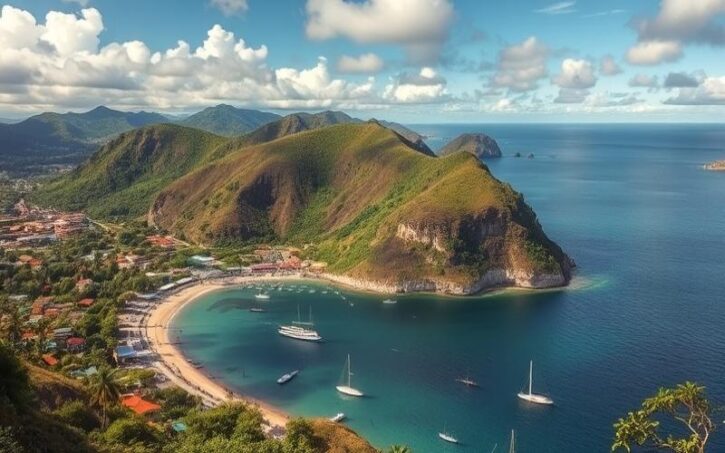
Nestled in the heart of the Caribbean, the Dominican Republic captivates with its picturesque landscapes and pristine beaches, offering an ideal setting for a multitude of sports activities.
While the international fame of its world-class golf courses attracts enthusiasts of the green, it is also its spectacular waves that make it a true paradise for surf lovers.
Adventurers seeking thrills will find their bliss in kitesurfing at Cabarete, while hiking through the mountains of the Cordillera Central promises breathtaking panoramas and an immersive experience in lush nature.
For those who prefer a more relaxed approach, snorkeling on the coral reefs reveals a fascinating underwater world.
Each sport, whether water-based or land-based, contributes to the very essence of the country and offers a dynamic way to discover an environment where the sun bears witness to unparalleled hospitality.
Selection of the Most Popular Sports in the Dominican Republic
Baseball is the most played and popular sport in the Dominican Republic. Its dominance dates back to the early 20th century, reinforced by the presence of Dominican players in American major leagues and the national fervor surrounding each season. Baseball is considered a cultural pillar, passed down from generation to generation, and holds a central place in the daily lives of many families.
Main reasons for its popularity:
- Historical and cultural heritage, with strong American influence.
- Economic opportunities for young talents who dream of joining professional leagues in the United States.
- Multiplication of fields and training academies throughout the country.
- Significant community impact: local games bring neighborhoods together and foster social cohesion.
“Baseball is our life. Many young people see this sport as a chance to change their family’s destiny.” – Testimony from a young player from San Pedro de Macorís.
| Sport | Popularity Level | Main Infrastructure | Community Impact |
|---|---|---|---|
| Baseball | Very High | National stadiums, training academies | National pride, social elevator |
| Basketball | High (especially urban) | Neighborhood courts, national league, schools | Strengthens social bonds, inspires youth |
| Volleyball | High (rural and coastal) | Multi-purpose gyms, beaches, schools | Team spirit, inclusion during community festivals |
| Soccer | Growing | Municipal fields, private academies | Diversification of sports practices |
| Boxing | Moderate | Specialized clubs, gyms | Success model for some disadvantaged neighborhoods |
| Golf | Elite/Tourist | Over 25 international courses, luxury hotels | Attracts sports tourism, little practiced locally |
| Tennis | Growing (event-based) | Hotel complexes, private clubs | Growth due to organizing international tournaments |
Other Important Sports:
- Basketball: Very popular in cities like Santo Domingo, Santiago, or La Vega. The influence of players like Al Horford (NBA) inspires many. Local tournaments strengthen neighborhood identity.
- Volleyball: Played in schools, on beaches, and during community festivals. Dominican women’s teams stand out on the international stage.
- Soccer: Its practice is experiencing rapid growth, especially among young people, with new infrastructure and the creation of professional clubs.
- Golf and Tennis: Mainly for tourists and a local elite, these sports benefit from high-level facilities and the organization of major tournaments, contributing to the country’s international renown.
Sports infrastructure varies by discipline:
- Large cities have modern stadiums, sports complexes, and private academies, while rural areas favor improvised fields and community spaces.
- Beaches are essential places for playing volleyball and water sports.
Sport in the Dominican Republic is not just about competition; it is a vector of hope, social cohesion, and collective identity. Testimonials from athletes reveal the importance of the game in everyday life, from the sandy fields of villages to the illuminated stadiums of big cities.
Good to Know:
Baseball, favored by a rich tradition and solidified by solid infrastructure, is the most practiced sport in the Dominican Republic, followed by basketball and volleyball, popular due to their accessibility and the presence of local clubs. Athletes like David Ortiz highlight the cultural impact of baseball, while the picturesque beaches attract more and more surfing and kitesurfing enthusiasts.
Where to Engage in Sports Activities in the Dominican Republic?
Renowned Surf Beaches
Playa Encuentro, located between Sosúa and Cabarete on the north coast, is considered the surfing capital of the Dominican Republic. It offers several types of waves suitable for all levels:
- Destroyer: a hollow, fast wave reserved for experienced surfers.
- La Izquierda: a long, technical left for regulars.
- Main Peak – The Right: a consistent right wave ideal for intermediates.
- Bobo’s Point: an easy area, perfect for beginners.
- Coco Pipe: a powerful mixed wave, intended for experts.
Surf Seasons
- November to April: powerful northern swells providing ideal conditions.
- May to August: smaller waves, perfect for learning or longboarding.
Major Kitesurfing Spots
Cabarete, especially Kite Beach (a few minutes from Playa Encuentro), is one of the world’s top kitesurfing destinations thanks to its constant afternoon winds and dynamic international scene.
Scuba Diving Sites
| Site | Main Features |
|---|---|
| Bayahibe | Preserved coral reefs, underwater caves, and shipwrecks |
| Punta Cana | Accessible dives from the beach with abundant tropical marine life |
Famous Golf Destinations
| Resort | Location | Highlights |
|---|---|---|
| Casa de Campo | La Romana | Several courses designed by Pete Dye including Teeth of the Dog |
| Punta Espada | Cap Cana | Oceanfront course designed by Jack Nicklaus |
| Hard Rock Golf Club | Punta Cana | Modern course integrated into a luxurious hotel complex |
Hiking in the Cordillera Central
The mountain range in the center of the country offers remarkable trails:
- Ascent of Pico Duarte, the highest peak in the Caribbean (3,098 m).
- José del Carmen Ramírez National Park: tropical forests, rivers, and spectacular viewpoints.
Notable City Sports Clubs or Complexes
In Santo Domingo
- Club Deportivo Naco: modern multi-sport facilities (Olympic pool, tennis, etc.)
- Centro Olímpico Juan Pablo Duarte: the country’s main stadium with athletics tracks
- Body Shop Athletic Club: renowned high-end gym
In Punta Cana
- Cocotal Golf & Country Club
- BlueMall Punta Cana Fitness Center
For each major sports activity — surfing, kitesurfing, scuba diving, golf, or hiking — the Dominican Republic has varied infrastructure allowing for both a friendly discovery and professional practice.
Good to Know:
To enjoy water sports in the Dominican Republic, head to Playa Encuentro for surfing, Bayahibe for diving, and Cabarete for kitesurfing, while golf enthusiasts will be delighted at Casa de Campo. Also discover unforgettable hikes in the Cordillera Central and quality sports facilities in Santo Domingo and Punta Cana.
How Much to Budget for Playing a Sport as an Expat?
Here are the main costs to anticipate for playing a sport as an expat in the Dominican Republic, with an international comparison and concrete examples depending on the discipline and region.
| Expense Item | Dominican Republic | France/USA | Remarks |
|---|---|---|---|
| Fitness Club Membership | $25–$50/month | $35–$70/month | -33% vs France, varies by city |
| Private Lesson (Tennis/hour) | $12 ($8–$18) | $17–$34 | -33% vs France |
| Sports Shoes | $75 ($42–$106) | $100 (approx.) | -26% vs France |
| Transportation (urban) | $0.45 / trip | $1.70–$2.25 / trip | Affordable buses, taxis $3.50–$8 per ride |
| Sports Insurance | $11–$34/month (approximate) | $22–$56/month | Depends on the chosen coverage level |
Cost of Equipment and Specific Fees for Popular Sports
- Golf
- Green fee: $45–$225/course depending on the standard and location (Punta Cana, Casa de Campo more expensive)
- Equipment rental: $22–$45 for half a day
- Private club membership: $1,350–$3,350/year
- Comparison: prices similar or slightly lower than high-end European or North American clubs, but more affordable at local clubs outside tourist areas.
- Scuba Diving
- Discover Scuba Diving: $50–$78
- PADI Open Water Certification Package: $360–$450
- Full equipment rental: $22–$39 per dive
- Costs are generally 20–30% lower than those in French-speaking Caribbean islands or Europe.
- Baseball
- Local club registration fee: $17–$45/month
- Basic equipment (glove, bat, shoes): $67–$168 depending on quality
- Participation in private or international leagues: higher fees, up to $112/month
Additional Expenses to Consider
- Sports insurance (mandatory for some disciplines or private clubs)
- Transportation: costs vary depending on the distance to sports facilities, especially outside major cities (personal car is expensive due to import taxes)
- Personal trainer: $17–$34 per hour for fitness or individual sports, lower than Western Europe
- Competition fees (registrations, travel)
Geographic Variations
Prices are higher in tourist areas (Punta Cana, Casa de Campo, Las Terrenas) for golf and diving.
In large cities like Santo Domingo or Santiago, the offering is more diverse and prices are more affordable, especially for team sports and gym memberships.
Rural areas offer lower access costs, but infrastructure is more limited.
Quick Comparison
Membership, equipment, and coaching costs for sports in the Dominican Republic are generally 20 to 40% lower than in France and the United States, particularly for team sports and local clubs.
Elite sports or high-end facilities in tourist areas reach price levels comparable to Europe or North America.
Concrete Example for an Expat Golfing in Punta Cana:
| Estimated Annual Expense | Amount |
|---|---|
| Club membership | $2,250 |
| Green fees (outside package) | $900 |
| Equipment (purchase/maintenance) | $675 |
| Transportation (taxi/rental) | $560 |
| Total | $4,385 |
Concrete Example for an Expat Diving Enthusiast in Las Terrenas:
| Estimated Annual Expense | Amount |
|---|---|
| Certification package | $395 |
| 10 dives/year (equipment included) | $280 |
| Specific insurance | $67 |
| Total | $742 |
Key Takeaway
Playing sports in the Dominican Republic remains financially accessible for expats, with significant variations depending on the location, the desired level of luxury, and the type of sport.
Ancillary expenses (transportation, insurance, coaching) should be included in the budget forecast to avoid surprises.
Good to Know:
In the Dominican Republic, playing golf can cost between $55 and $340 USD per month in membership fees depending on the club, while scuba diving gear costs around $225 USD, which is often cheaper than in other countries; it is also wise to budget for transportation costs, especially if you live far from sports facilities, and to consider sports insurance, particularly for high-risk activities like baseball.
Disclaimer: The information provided on this website is for informational purposes only and does not constitute financial, legal, or professional advice. We encourage you to consult qualified experts before making any investment, real estate, or expatriation decisions. Although we strive to maintain up-to-date and accurate information, we do not guarantee the completeness, accuracy, or timeliness of the proposed content. As investment and expatriation involve risks, we disclaim any liability for potential losses or damages arising from the use of this site. Your use of this site confirms your acceptance of these terms and your understanding of the associated risks.

Cyril Jarnias is an independent expert in international wealth management with over 20 years of experience. As an expatriate himself, he is dedicated to helping individuals and business leaders build, protect, and pass on their wealth with complete peace of mind.
On his website, cyriljarnias.com, he shares his expertise on international real estate, offshore company formation, and expatriation.
Thanks to his expertise, he offers sound advice to optimize his clients' wealth management. Cyril Jarnias is also recognized for his appearances in many prestigious media outlets such as BFM Business, les Français de l’étranger, Le Figaro, Les Echos, and Mieux vivre votre argent, where he shares his knowledge and know-how in wealth management.





