
 Published on and written by Cyril Jarnias
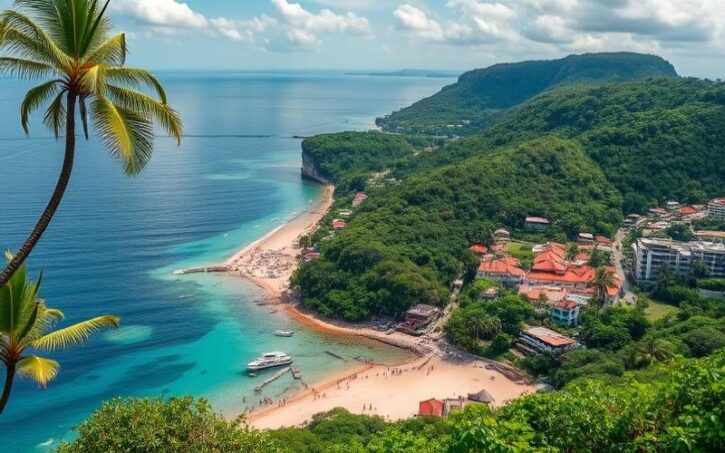
Discovering the Dominican Republic is not just about enjoying its paradisiacal landscapes; it’s also about immersing yourself in a rich tapestry of traditions and cultural practices. For expatriates, understanding the local religious practices is essential for integrating harmoniously and fully appreciating life on the island.
From the celebration of patron saint festivals to spiritual rituals deeply embedded in daily life, spirituality in the Dominican Republic is both a heritage and a contemporary expression.
This article will guide you through the religious beliefs and customs that shape Dominican society, offering valuable keys to decode and respectfully participate in this dynamic cultural mosaic.
Impact of Religious Practices on Daily Life in the Dominican Republic
Religious practices profoundly structure the daily lives of Dominicans, influencing not only personal routines but also collective organization, holidays, and social life.
Daily Rhythm and Organization
- The day often starts very early, marked by the convent bell, followed by Lauds, the first of the seven offices of the Liturgy of the Hours.
- Religious services (Liturgy of the Hours, Mass, Eucharistic adoration) punctuate the day at regular intervals, dictating the flow of activities and the time devoted to prayer or study.
- Even ordinary tasks (cooking, cleaning, gardening) are experienced as opportunities for prayer or offering.
Impact of Religious Holidays and Regular Services
- Major Christian holidays (Christmas, Easter, Assumption, etc.) suspend regular activities and are accompanied by special liturgical celebrations, processions, and community gatherings.
- On Sunday, the day of the main Mass, work schedules adapt: public services operate at a reduced pace, businesses may close, and social life revolves around attending Mass and family or parish meetings.
Examples of Religious Customs Influencing Daily Life
| Aspect | Common Custom | Concrete Impact |
|---|---|---|
| Meals | Simple meals during penitential periods (e.g., Lent), blessing of meals | Simplicity, sometimes sobriety |
| Dress Code | Wearing modest clothing, sometimes religious habits for members | Uniformity, sign of belonging |
| Social Interactions | Greetings or encouragement using pious phrases, gestures of peace | Mark of respect and fraternity |
Religious Diversity and Integration of Expatriates
The Dominican Republic is predominantly Catholic, but there are also Protestant, Evangelical, and other Christian communities, each with its own practices and holidays.
An expatriate may encounter differences in pace, the importance placed on community participation, and social codes steeped in religious references, which requires observation and adaptation for successful integration.
Rural/Urban Differences
In rural areas, religious practices remain very collective and visible (processions, village festivals, public services), strengthening community cohesion.
In urban areas, religious practice can be more individual or institutional, with greater diversity and sometimes a more secularized lifestyle.
Religious practice shapes routine, social relationships, schedules, and even the collective atmosphere, while presenting great diversity depending on the region and environment.
Good to Know:
Sundays are often dedicated to Mass, which can influence business hours, while religious holidays like Holy Week often paralyze regular activities; in rural areas, practices may be more conservative, impacting social interactions and dress customs.
Understanding and Celebrating Major Religious Holidays
Christmas is a major holiday in the Dominican Republic, celebrated on December 25th. It holds both religious and cultural significance, marking the birth of Jesus Christ. Traditions include:
- Family gatherings where typical festive meals are shared, such as roast pork, tropical fruits (grapes, apples, tangerines), gummy candies, and various dried nuts.
- Decorating homes with lights and artificial Christmas trees.
- Gift distribution to children by the Baby Jesus or Santa Claus, depending on the region.
- Charitable actions: toy drives for underprivileged or hospitalized children.
- Candy stands in the streets announcing the start of the festivities.
Expatriates can participate by respecting these customs: sharing a traditional meal with their neighbors or getting involved in local solidarity actions.
Semana Santa (Holy Week)
Holy Week is celebrated during the last week before Easter. It is a major event in the Dominican Catholic calendar, commemorating the passion and resurrection of Christ. Main traditions:
- Solemn religious processions throughout the country.
- Special religious services organized in every parish.
- Observance of silence during ceremonies; many avoid any loud festive activities during this sacred period.
- Family picnics on the beaches where traditional meatless dishes are served.
To respect these rites, expatriates are advised to adopt a sober attitude during this week and avoid organizing public festive events unrelated to religion.
Día de La Altagracia
January 21st marks the national holiday dedicated to Our Lady of Altagracia, the spiritual patroness of the country. Its religious significance is manifested by:
- Special Masses celebrated mainly in the Basilica of Higüey but also throughout the island.
- Massive pilgrimages bringing together faithful who sometimes come on foot from their region to Higüey to pay homage to “Nuestra Señora.”
- Floral offerings and votive objects placed before her sacred image in churches.
Expatriates wishing to participate can attend public services or locally accompany their Dominican friends on a pilgrimage while respecting the sacred and solemn nature of the event.
| Holiday | Date | Primary Importance | Traditions/Events |
|---|---|---|---|
| Christmas | December 25 | Religious & Family | Festive meal, children’s gifts |
| Semana Santa | March/April | Religious | Processions, sacred silence |
| Día Altagracia | January 21 | National Patroness | Masses & pilgrimages |
Impact on Daily Life, Economy & Tourism
- Daily Life: These holidays often result in several days off when schools and businesses partially or fully close; they also strengthen family ties through frequent intergenerational gatherings during each important event.
- Economy: Food markets thrive due to massive purchases for preparing traditional dishes; decoration-specialized businesses see significant growth during Christmas. The tourism sector also benefits from a significant increase related to the return of Dominicans living abroad as well as the arrival of curious visitors wanting to discover these living traditions.
- Tourism: During Semana Santa and Día Altagracia in particular, hotels near holy sites are fully booked while popular beaches fill up – although some sites temporarily adopt a more reserved behavior adapted to the national religious observance. For Christmas, free public concerts are organized in some major squares, attracting locals and foreigners alike who wish to fully integrate into this unique festive atmosphere.
Good to Know:
Expatriates can participate in the celebrations of Christmas, Semana Santa, and Día de la Altagracia in the Dominican Republic by attending Masses, taking part in processions, and discovering traditional meals like Sancocho; it is important to respect local traditions and values, such as the importance of family and community during these times.
Adaptations for Expatriates During Religious Celebrations
Main Religious Celebrations in the Dominican Republic
| Holiday | Date | Cultural Significance |
|---|---|---|
| Semana Santa (Holy Week) | Late March to mid-April (2025: April 13–20) | Time for reflection, family gatherings, religious processions, and community rituals. Beaches and bars become very crowded, alternating between solemnity and festivities. |
| Día de la Altagracia | January 21 | Tribute to the country’s protective Virgin; massive pilgrimages to Higüey, family gatherings, and prayers. |
| Mother’s Day | Last Sunday of May | Day dedicated to honoring mothers; family celebrations with gifts, traditional meals, and expressions of affection. |
| All Saints’ Day | November 1 | Commemoration of saints; visits to the cemetery to honor the deceased in an atmosphere of spiritual hope. |
| Immaculate Conception | December 8 | Honor paid to Mary from her conception; special Masses organized throughout the country. |
Common Challenges for Expatriates During Celebrations
- Schedule Changes: Many businesses close or reduce their hours during religious holidays.
- Crowds on Roads/Beaches: Travel is more difficult due to the large number of people traveling to join their families or participate in festivities.
- Cultural Barriers: Expatriates may feel excluded if they do not understand the deep meaning of the rituals or the social protocol surrounding the holidays.
Respectful and Inclusive Adaptation Strategies
- Learn about the origin and proceedings of each holiday from locals or through documentation before any participation.
- Adapt daily plans to announced closures (shop in advance, book ahead).
- Take part in community activities open to the public, such as processions or beach events.
- Respect the sacred nature of the moment by avoiding any behavior deemed inappropriate (modest attire, discreet conduct during ceremonies).
Practical Examples for Respectful Participation
- Attend local Masses as a respectful observer.
- Offer logistical support during community events (volunteer help during a procession).
- Share a traditional dish with Dominican neighbors after learning about its symbolic context.
Importance of Community Practices & Building Intercultural Bonds
Active participation allows:
- Establishing a climate of trust with locals,
- Learning local history directly from them,
- Contributing to social dynamism while fostering personal integration.
Coexistence during these significant times often encourages language exchanges, mutual invitations, and collaborative projects between native Dominicans and expatriates.
Practical Tips for Managing Daily Life During These Periods
- Systematically check the special hours posted by supermarkets/pharmacies/offices before going out.
- Carry enough cash as some ATMs may be temporarily inaccessible.
- Adjust your professional pace – many businesses operate at a reduced capacity or even close completely for several consecutive days.
Remember to organize your grocery shopping several days before the official start
Accept the possibility that some administrative procedures may be postponed
Adopt greater flexibility in your personal schedule
By adopting these open and proactive behaviors, it becomes possible not only to live serenely through each major Dominican holiday but also to durably enrich your local intercultural relationships.
Good to Know:
During Holy Week, expect business closures and reduced public services; participate respectfully in processions by researching their meaning in advance through locals. To build connections, offering your culinary skills by preparing typical dishes during the holidays will help you integrate and better experience the cultural event.
Religious Freedom and Resources for Expatriates
The Dominican Constitution guarantees religious freedom and protects all recognized religious practices, affirming equality before the law and prohibiting any discrimination based on religion. There is no official state church, but a concordat signed in 1954 grants special privileges to the Catholic Church (notably tax benefits and partial funding for certain infrastructure), even though other religions now have the right to celebrate religious marriages recognized civilly and enjoy equivalent civil rights.
Main Religions Present in the Dominican Republic:
| Religion | Estimated Percentage of Population |
|---|---|
| Catholicism | 55-60% |
| Evangelical Protestantism | 20-25% |
| Other Christians | ~5% |
| Spiritism/Other | ~2% |
| No Affiliation | ~10-15% |
Dominican society is characterized by a Catholic majority, with notable growth of Evangelical Protestantism in recent decades. Other minority groups exist, including Adventists, Jehovah’s Witnesses, Jews, Muslims, and practitioners of Spiritism or Afro-Caribbean syncretisms.
Regarding the Interfaith Climate:
- Relations between religious groups are generally harmonious.
- Tensions are rare; they mainly concern societal debates or claims related to public visibility or institutional advantages granted to Catholicism.
- Expatriates can freely practice their religion without fear of social or administrative ostracism.
Resources for Expatriates Practicing Different Religions:
- Catholic churches in all major cities.
- Evangelical Protestant churches (Baptist, Pentecostal…) well established throughout the country.
- Synagogues in Santo Domingo for Jewish residents.
- Mosque in Santo Domingo for Muslims; small groups also organize private meetings elsewhere.
- Spiritual centers or communities linked to Voodoo/Dominicanismo accessible locally (with caution).
International Expatriate Groups:
- Intercultural associations sometimes offering multi-faith religious events
- Facebook/WhatsApp groups facilitating the organization of themed meetings
Cultural/Religious Events Useful for Expatriates:
- Local patron saint festivals open to the public
- Major religious processions during Holy Week
- Cultural festivals blending Christian traditions with African/Caribbean influences
Practical Tips for Respecting Local Diversity While Practicing Your Own Faith:
- Respect national religious holidays (especially Catholic ones) which strongly structure social life;
- Adopt an open attitude towards the cultural syncretism present in some local rites;
- Discreetly ask before participating in a religious event that is not public;
- Learn about the local calendar to avoid any confusion during major events;
- Adapt your dress habits when visiting certain sacred places;
It is advisable for expatriates wishing to practice their religion in the Dominican Republic to quickly establish contact with their respective local communities – either via the internet or through recommendations – in order to easily access available resources.
Good to Know:
The Dominican Republic guarantees religious freedom through its constitution, and the majority of the population is Catholic (about 57%), followed by Evangelical Protestants (about 23%) and other religious minorities. For expatriates, there are diverse places of worship and religious events that foster harmonious coexistence despite some isolated tensions; joining local meetup groups can facilitate integration while respecting local traditions.
Disclaimer: The information provided on this website is for informational purposes only and does not constitute financial, legal, or professional advice. We encourage you to consult qualified experts before making any investment, real estate, or expatriation decisions. Although we strive to maintain up-to-date and accurate information, we do not guarantee the completeness, accuracy, or timeliness of the proposed content. As investment and expatriation involve risks, we disclaim any liability for potential losses or damages arising from the use of this site. Your use of this site confirms your acceptance of these terms and your understanding of the associated risks.

Cyril Jarnias is an independent expert in international wealth management with over 20 years of experience. As an expatriate himself, he is dedicated to helping individuals and business leaders build, protect, and pass on their wealth with complete peace of mind.
On his website, cyriljarnias.com, he shares his expertise on international real estate, offshore company formation, and expatriation.
Thanks to his expertise, he offers sound advice to optimize his clients' wealth management. Cyril Jarnias is also recognized for his appearances in many prestigious media outlets such as BFM Business, les Français de l’étranger, Le Figaro, Les Echos, and Mieux vivre votre argent, where he shares his knowledge and know-how in wealth management.





