
 Published on and written by Cyril Jarnias
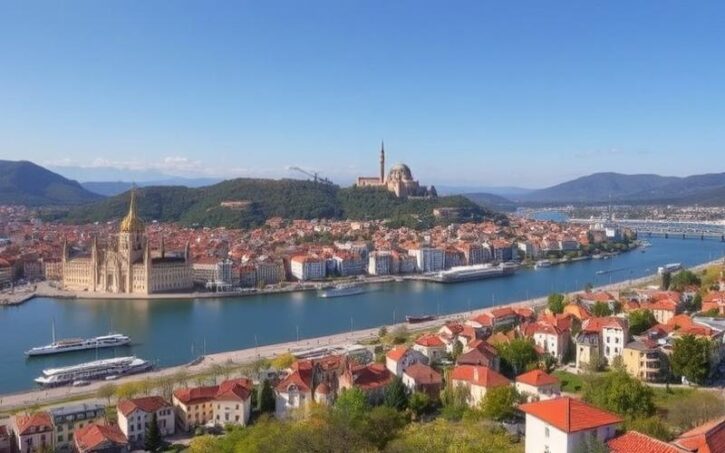
Montenegro, this small Balkan country nestled between sea and mountains, is attracting more and more expatriates seeking an exceptional living environment. With its breathtaking landscapes, rich historical heritage, and Mediterranean atmosphere, Montenegro offers a unique blend of tradition and modernity that appeals to foreigners from around the world. In this article, we will explore the neighborhoods and cities most popular with expatriates, revealing the secrets of this little Adriatic paradise.
The Gems of the Adriatic Coast: Dream-Worthy Cities
Budva: The Jewel of the Montenegrin Riviera
Budva, nicknamed the “Miami of the Balkans,” is undoubtedly one of the most popular destinations for expatriates in Montenegro. This charming coastal city perfectly combines a thousand-year-old history with a vibrant modern life. Its historic center, surrounded by Venetian walls, houses a maze of cobblestone streets and picturesque squares, while its sandy beaches and crystal-clear waters attract fans of relaxation and water sports.
Expatriates are particularly drawn to the modern residential neighborhoods bordering the old town. Luxury apartment complexes offer stunning views of the Adriatic Sea, while the surrounding hills host lavish villas with pools. The Bečići neighborhood, located a few kilometers south of Budva, is especially appreciated for its quieter, family-friendly atmosphere, while remaining close to the city’s amenities.
Good to Know:
Budva experiences a high influx of tourists in the summer, which can lead to rising real estate prices and some hustle and bustle. Expatriates often prefer to settle in the peripheral neighborhoods to enjoy a more serene living environment throughout the year.
Kotor: A Journey Back in Time in the Heart of the Bay of Kotor
A UNESCO World Heritage site, the city of Kotor is a true medieval gem nestled at the back of the Bay of Kotor, a spectacular fjord surrounded by steep mountains. Its perfectly preserved historic center is a labyrinth of narrow streets, ancient churches, and picturesque squares that transport visitors to another era.
Many expatriates succumb to Kotor’s charm, attracted by its unique atmosphere and exceptional quality of life. The most sought-after neighborhoods are generally located near the old town, providing easy access to shops, restaurants, and cultural attractions. The Dobrota neighborhood, stretching along the bay north of Kotor, is particularly appreciated for its beautiful stone houses and small private beaches.
For those seeking a more luxurious setting, the Luštica peninsula, located at the entrance to the Bay of Kotor, houses several high-end residential complexes offering spectacular views of the sea and surrounding mountains.
Good to Know:
Kotor can experience periods of heavy tourist traffic, especially when large cruise ships dock. Expatriates often favor neighborhoods slightly set back from the city center to enjoy a quieter environment while remaining close to amenities.
Tivat: Montenegro’s New Chic Destination
Once a modest port town, Tivat has transformed in recent years to become one of Montenegro’s most sought-after destinations. The development of the Porto Montenegro luxury complex has propelled the city onto the international stage, attracting a wealthy and cosmopolitan clientele.
More and more expatriates are setting their sights on Tivat, seduced by its sophisticated ambiance and exceptional living environment. The Porto Montenegro neighborhood, with its luxury apartments, high-end boutiques, and state-of-the-art marina, is particularly popular. The residences offer stunning views of the Bay of Kotor and the surrounding mountains, as well as direct access to beaches and leisure facilities.
For those seeking a more authentic environment, the residential neighborhoods on the outskirts of Tivat, such as Donja Lastva or Seljanovo, offer a more peaceful living environment while remaining close to the city center’s amenities.
Good to Know:
Tivat has an international airport, making it a particularly convenient destination for expatriates who travel frequently. The city is experiencing rapid development, with many ongoing real estate projects, offering great investment opportunities.
The Treasures of the Interior: Cities with Authentic Charm
Podgorica: The Dynamic, Booming Capital
Although less touristy than the coastal cities, Podgorica, the capital of Montenegro, is attracting more and more expatriates seeking professional opportunities and an urban lifestyle. The city is experiencing rapid development, with numerous real estate projects and modern infrastructure coexisting with a charming historic city center.
The neighborhoods most popular with expatriates are generally located in or near the city center. The Novi Grad (New City) neighborhood is particularly appreciated for its modern buildings, green spaces, and proximity to shopping centers and business districts. The Stara Varoš (Old Town) neighborhood, on the other hand, attracts authenticity lovers with its traditional houses and picturesque atmosphere.
For those seeking a greener living environment, the residential neighborhoods on the surrounding hills, such as Gorica or Ljubović, offer beautiful villas with views of the city and mountains.
Good to Know:
Podgorica has a more affordable cost of living than the coastal cities, making it an interesting option for expatriates looking to settle in Montenegro long-term. The city also has excellent educational and healthcare infrastructure.
Cetinje: The Timeless Charm of the Former Royal Capital
Nestled at the foot of Mount Lovćen, Cetinje, the former royal capital of Montenegro, appeals to expatriates seeking authenticity and tranquility. This small, characterful town, rich in history and culture, offers a peaceful living environment far from the hustle and bustle of seaside resorts.
Expatriates who choose Cetinje are generally attracted by its provincial atmosphere and remarkable architectural heritage. The city center, with its beautiful period houses and museums, is particularly popular. The residential neighborhoods on the outskirts, such as Bajice or Donje Polje, offer a more spacious and green living environment, ideal for families.
Cetinje particularly attracts artists, writers, and academics, drawn by its cultural atmosphere and inspiring setting. The town houses several important cultural institutions, including the Montenegrin Academy of Fine Arts.
Good to Know:
Cetinje enjoys a cooler climate than the coast in summer, making it a prime destination for expatriates sensitive to heat. The town is also an excellent starting point for exploring Lovćen National Park and its spectacular landscapes.
Finding the Hidden Gem: Tips for Your Dream Home in Montenegro
Finding the ideal home in Montenegro can seem daunting for an expatriate, but with the right tools and advice, this task becomes much simpler. The first step is to clearly define your search criteria: budget, type of housing, location, and desired amenities. Once these elements are clarified, you can begin your search more targeted and efficiently.
The Montenegrin real estate market offers a wide variety of options, from modern seaside apartments to traditional stone houses in mountain villages. Prices vary considerably depending on location and property type, with rates generally higher on the coast and in major cities. It is important to research average prices in the area you are interested in to avoid unpleasant surprises.
For your search, you can use several channels:
- Local and international real estate listing websites
- Real estate agencies specializing in properties for expatriates
- Facebook groups dedicated to real estate in Montenegro
- Word of mouth within the expatriate community
Good to Know:
The Montenegrin real estate market can be quite dynamic, especially in tourist areas. It is advisable to be responsive and not hesitate to quickly visit properties that interest you.
Before diving into buying or renting a property in Montenegro, it is crucial to understand the legal and administrative aspects. Unlike some countries, Montenegro allows foreigners to buy real estate in their own name, which greatly simplifies the process. However, it is highly recommended to hire a local lawyer to guide you through the process and ensure all formalities are properly completed.
For rentals, contracts are typically established for a one-year term, renewable. It is important to read and understand all the terms of the contract before signing, especially regarding fees, termination conditions, and any restrictions. Do not hesitate to negotiate certain points if necessary.
A few important points to keep in mind:
- Ensure the property owner is registered with the tax authorities
- Verify that the property has all necessary permits, especially for recent constructions
- Inquire about any restrictions related to protected areas or historical sites
- Familiarize yourself with registration procedures with local authorities once settled
Good to Know:
The Montenegrin cadastral system has been modernized in recent years, but some inconsistencies may still exist. It is recommended to have a thorough title check done before any purchase.
The Art of Negotiation: Getting the Best Terms for Your Home
In Montenegro, as in many Mediterranean countries, negotiation is an integral part of the real estate buying or renting process. Do not feel embarrassed to negotiate the price or terms; it is a common and often expected practice. However, it is important to remain respectful and not make unreasonably low offers, as this may offend the owner or real estate agent.
Here are some tips for negotiating effectively:
- Do your research on market prices in the area you are interested in
- Be prepared to justify your offer with solid arguments
- Show flexibility on some points to get concessions on others
- Do not hesitate to ask for extras, such as furniture or renovation work
- Be patient and ready to walk away if the terms are not right
For rentals, it is common to negotiate a rent reduction for a longer-term commitment. You can also try to negotiate the inclusion of certain utilities in the rent, such as water or electricity.
Good to Know:
The time of year can influence your bargaining power. During the low tourist season, you will generally have more leverage, especially in coastal areas.
Integrating into Your New Neighborhood: Keys to a Successful Expatriation
Building Connections: Joining the Expatriate and Local Community
Integration into your new neighborhood is a crucial step for a successful expatriation in Montenegro. The first thing to do is to find out about the associations and expatriate groups in your area. These communities are often an excellent source of information and support, especially in the early days of your settlement.
Here are some ways to meet other expatriates and locals:
- Join Facebook groups dedicated to expatriates in Montenegro
- Participate in events organized by your country’s embassy
- Sign up for Montenegrin language courses
- Frequent cafes and restaurants popular with expatriates
- Participate in local sports or cultural activities
Remember that integration is not limited to the expatriate community. Making an effort to learn a few words of Montenegrin and taking an interest in the local culture will be greatly appreciated by your neighbors and will facilitate your integration.
Good to Know:
Montenegrins are known for their hospitality. Do not hesitate to accept invitations from your neighbors or colleagues; it is often the best way to build lasting relationships.
Adopting the Local Pace of Life: Secrets to a Smooth Adjustment
Adapting to the Montenegrin pace of life may take some time, but it is an essential step to fully enjoy your expatriation. Montenegro generally has a more relaxed pace of life than many Western countries, with an emphasis on social relationships and moments of conviviality.
Some aspects of daily life to consider:
- Working hours are generally from 9 a.m. to 5 p.m., with a lunch break often longer than in other countries
- Stores may close earlier than you are used to, especially in smaller towns
- Meals are often times for sharing and can last several hours
- The siesta is still practiced in some regions, especially in summer
- Montenegrins place great importance on family and friendship ties
Try to adopt some aspects of this more relaxed lifestyle, while staying true to your own values and habits. This balanced approach will allow you to fully enjoy your new life in Montenegro while avoiding culture shock.
Good to Know:
Coffee plays an important role in Montenegrin social culture. Having coffee with friends or colleagues is an excellent way to socialize and integrate.
Overcoming Challenges: Practical Tips for a Peaceful Daily Life
Despite all its attractions, life in Montenegro can present certain challenges for expatriates. Being prepared for these potential difficulties will help you overcome them more easily and fully enjoy your new life.
Here are some practical tips:
- Learn the basics of the Montenegrin language, even though English is widely spoken in tourist areas
- Familiarize yourself with the local healthcare system and consider taking out international health insurance
- Inquire about available banking options for expatriates
- Be prepared for occasional power outages, especially in rural areas
- Be patient with bureaucracy, which can sometimes be slow and complex
Do not hesitate to ask for help from the expatriate community or your local neighbors if you encounter difficulties. Montenegrins are generally very helpful and will be happy to assist you in adapting to your new life.
Good to Know:
Montenegro is constantly evolving, and many improvements are made each year in terms of infrastructure and services. Stay informed about changes that could make your daily life easier.
In conclusion, moving to Montenegro offers a unique opportunity to live in a country with spectacular landscapes, rich in history and culture, while benefiting from a relatively affordable cost of living. Whether you choose the lively Adriatic coast or the picturesque inland towns, you will certainly find a neighborhood that matches your expectations and lifestyle. With good preparation, patience, and an open mind, your expatriation in Montenegro can become a rewarding and unforgettable experience.
Disclaimer: The information provided on this website is for informational purposes only and does not constitute financial, legal, or professional advice. We encourage you to consult qualified experts before making any investment, real estate, or expatriation decisions. Although we strive to maintain up-to-date and accurate information, we do not guarantee the completeness, accuracy, or timeliness of the proposed content. As investment and expatriation involve risks, we disclaim any liability for potential losses or damages arising from the use of this site. Your use of this site confirms your acceptance of these terms and your understanding of the associated risks.

Cyril Jarnias is an independent expert in international wealth management with over 20 years of experience. As an expatriate himself, he is dedicated to helping individuals and business leaders build, protect, and pass on their wealth with complete peace of mind.
On his website, cyriljarnias.com, he shares his expertise on international real estate, offshore company formation, and expatriation.
Thanks to his expertise, he offers sound advice to optimize his clients' wealth management. Cyril Jarnias is also recognized for his appearances in many prestigious media outlets such as BFM Business, les Français de l’étranger, Le Figaro, Les Echos, and Mieux vivre votre argent, where he shares his knowledge and know-how in wealth management.





