
 Published on and written by Cyril Jarnias
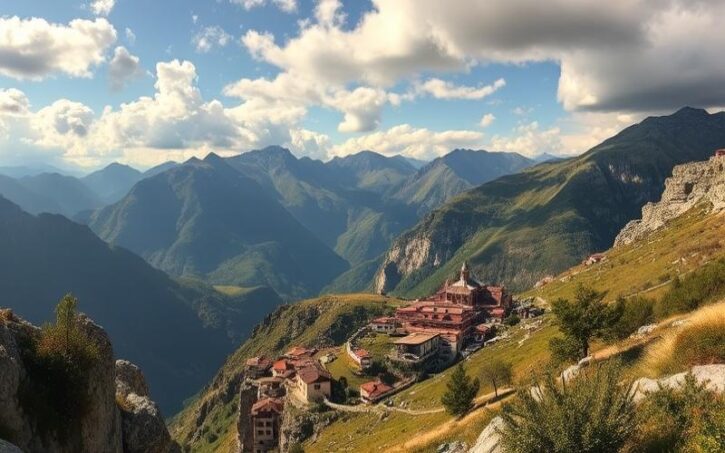
Montenegro, a small Balkan country nestled between sea and mountains, is attracting more and more expatriates drawn by its quality of life, breathtaking landscapes, and advantageous cost of living. But what about safety in this still lesser-known country? Is it a safe destination for long-term settlement? What precautions should one take to live a peaceful expatriate experience in Montenegro? Let’s dive into the realities of daily life in this Adriatic gem and discover the keys to a successful and worry-free relocation.
Montenegro: A Haven of Peace for Expatriates?
Contrary to preconceived notions about the Balkans, Montenegro stands out as a particularly safe destination for expatriates. The country enjoys remarkable political and social stability since its independence in 2006. The ethnic tensions that shook the region in the 1990s are now largely appeased, and Montenegro cultivates an image of openness and tolerance.
Official statistics confirm this impression of safety. According to data from the Montenegrin Ministry of Interior, the country’s crime rate is significantly lower than the European average. In 2024, there were only 22 crimes per 100,000 inhabitants, compared to an average of 62 in the European Union. Serious violence is extremely rare, and petty crime remains limited, even in tourist areas.
This safety is felt in daily life. Expatriates unanimously testify to the sense of tranquility that reigns in Montenegrin cities. Whether in the capital Podgorica or charming coastal towns like Kotor or Budva, one can walk without fear at any time of day or night. Women in particular appreciate being able to go out alone without being harassed, a freedom sometimes rare in some Mediterranean countries.
Good to know:
Montenegro regularly ranks in the top 20 safest countries in the world according to the Global Peace Index, surpassing many Western countries.
Montenegro’s Security Assets: A Country Betting on Stability
Several factors explain the high level of safety enjoyed by Montenegro. First, the country has made security a national priority in its development strategy. Aware that tranquility is a major asset for attracting investors and expatriates, the authorities have heavily invested in modernizing law enforcement and crime prevention.
The Montenegrin police, trained to European standards, are known for their professionalism and efficiency. Their discreet but constant presence in public places greatly contributes to the feeling of safety. Furthermore, the country has implemented a high-performance video surveillance system in major cities, allowing for rapid intervention in case of an incident.
Another major asset of Montenegro is its human scale. With barely 620,000 inhabitants, the country benefits from strong social control. Everyone knows each other, which makes it difficult for potential offenders to act. This closeness also fosters mutual aid and solidarity among neighbors, a non-negligible safety factor for expatriates.
Finally, Montenegro is heavily betting on its European integration. As a candidate for EU accession, the country is gradually aligning its legislation and practices with European standards in security and justice. This European perspective acts as a powerful stabilizing factor and encourages authorities to maintain a high level of safety.
Good to know:
Montenegro closely collaborates with Interpol and Europol to combat cross-border crime, thereby strengthening its internal security.
Areas of Concern: Points of Vigilance for a Peaceful Expatriation
Despite this overall positive picture, a few points of vigilance remain for expatriates in Montenegro. Without falling into paranoia, it is important to be aware of certain local realities to better protect oneself.
Corruption remains an endemic problem, although authorities are striving to eradicate it. While it rarely affects expatriates in their daily lives, it can sometimes complicate administrative procedures or relations with certain officials. It is important to remain firm and never give in to illegal solicitations, while keeping in mind that the situation is improving year by year.
Road traffic is probably the main danger in Montenegro. Mountain roads can be dangerous, especially in winter, and some local drivers tend to adopt an aggressive driving style. It is crucial to exercise extra caution when driving and to maintain your vehicle properly.
Finally, while organized crime has significantly declined in recent years, it has not completely disappeared. It is mainly concentrated on cigarette trafficking and remains invisible to the average citizen. Nevertheless, it is preferable to avoid certain outlying neighborhoods of large cities late at night.
Good to know:
The Montenegrin government launched a vast anti-corruption plan in 2024, with encouraging results. The country moved from 67th to 54th place in Transparency International’s Corruption Perceptions Index in just two years.
Expert Advice: Keys to Enhancing Daily Safety
To live a peaceful expatriate life in Montenegro, a few simple habits are generally enough to guarantee daily safety. Here are the most relevant tips, based on the experience of long-term expatriates and recommendations from local authorities:
- Learn the basics of Montenegrin: Even though English is increasingly spoken, knowing a few words of the local language will greatly facilitate your interactions and allow you to better understand your environment.
- Integrate into the local community: Montenegrins are known for their hospitality. Build relationships with your neighbors, participate in local events. This integration is your best protection.
- Be vigilant without being paranoid: Adopt the same precautions as in Western Europe (locking doors, not leaving valuables visible in your car), without falling into excessive distrust that could isolate you.
- Respect local customs and traditions: Montenegro remains a fairly traditional society. Avoid behaviors that could be perceived as disrespectful, especially in rural areas.
- Choose your place of residence carefully: Prioritize neighborhoods known to be safe and well-lit. Do not hesitate to seek the opinion of other expatriates or trusted real estate agents.
In case of a problem, do not hesitate to contact the police (emergency number: 122), who often have English-speaking officers. The French Embassy in Podgorica also remains a valuable point of contact for French nationals in difficulty.
Good to know:
Montenegro has a single emergency number (112) accessible 24/7, with English-speaking operators for expatriates.
Testimonials: Safety as Seen by Those Living in Montenegro
To better grasp the reality of safety in Montenegro, nothing beats the experience of those who live there daily. Here are some testimonials from French expatriates settled in different regions of the country:
Sophie, 42, settled in Kotor for 5 years: “I feel safer here than in Paris. I can walk alone in the evening without fear. People are kind and always ready to help. My only safety concern is when I drive on mountain roads in winter!”
Marc, 55, entrepreneur in Podgorica: “Corruption exists, it’s true, but it decreases every year. As a foreigner, you rarely encounter it directly. The most important thing is to surround yourself well, to find trusted local partners. Once you understand how the country works, everything becomes simpler.”
Émilie, 38, mother in Budva: “Our children are much freer here than in France. They can play outside without constant supervision, people in the neighborhood watch over them. It’s a huge plus for family quality of life. The only downside is the sometimes chaotic traffic in summer with the influx of tourists.”
These testimonials confirm the general impression of safety, while highlighting the importance of integration and understanding local specifics for a successful expatriation.
Good to know:
According to a 2024 survey among the expatriate community, 92% of foreigners settled in Montenegro declare themselves satisfied or very satisfied with the level of safety in the country.
Future Prospects: Towards Strengthened Security
The future looks promising in terms of safety in Montenegro. The country continues its efforts to consolidate its reputation as a safe destination, aware that it is a major asset for its economic and touristic development.
Several projects are underway to further improve the situation:
- Infrastructure modernization: A vast road renovation plan is underway, which should significantly reduce traffic accidents.
- Strengthening cybersecurity: Faced with rising digital threats, the government is heavily investing in data protection and the fight against cybercrime.
- Ongoing training for law enforcement: The Montenegrin police regularly receive training from European experts to remain at the forefront of prevention and intervention techniques.
- Increased international cooperation: Montenegro is strengthening its collaboration with Interpol and European police forces, particularly within the framework of its EU candidacy.
These initiatives should help maintain, or even improve, the country’s already high level of safety in the coming years. For current and future expatriates, this is the assurance of being able to consider their long-term settlement with complete peace of mind.
Good to know:
Montenegro has set the ambitious goal of becoming one of the 10 safest countries in Europe by 2030, according to the national security strategy published in 2024.
Expatriating to Montenegro therefore appears to be a wise choice for those seeking a living environment combining safety, quality of life, and a change of scenery. With its breathtaking landscapes, Mediterranean climate, and welcoming population, this small Balkan country has all the assets to attract expatriation candidates. By following a few common-sense precautions and opening up to the local culture, nothing stands in the way of a successful and fulfilling settlement in this Adriatic haven of peace.
Disclaimer: The information provided on this website is for informational purposes only and does not constitute financial, legal, or professional advice. We encourage you to consult qualified experts before making any investment, real estate, or expatriation decisions. Although we strive to maintain up-to-date and accurate information, we do not guarantee the completeness, accuracy, or timeliness of the proposed content. As investment and expatriation involve risks, we disclaim any liability for potential losses or damages arising from the use of this site. Your use of this site confirms your acceptance of these terms and your understanding of the associated risks.

Cyril Jarnias is an independent expert in international wealth management with over 20 years of experience. As an expatriate himself, he is dedicated to helping individuals and business leaders build, protect, and pass on their wealth with complete peace of mind.
On his website, cyriljarnias.com, he shares his expertise on international real estate, offshore company formation, and expatriation.
Thanks to his expertise, he offers sound advice to optimize his clients' wealth management. Cyril Jarnias is also recognized for his appearances in many prestigious media outlets such as BFM Business, les Français de l’étranger, Le Figaro, Les Echos, and Mieux vivre votre argent, where he shares his knowledge and know-how in wealth management.





