
 Published on and written by Cyril Jarnias
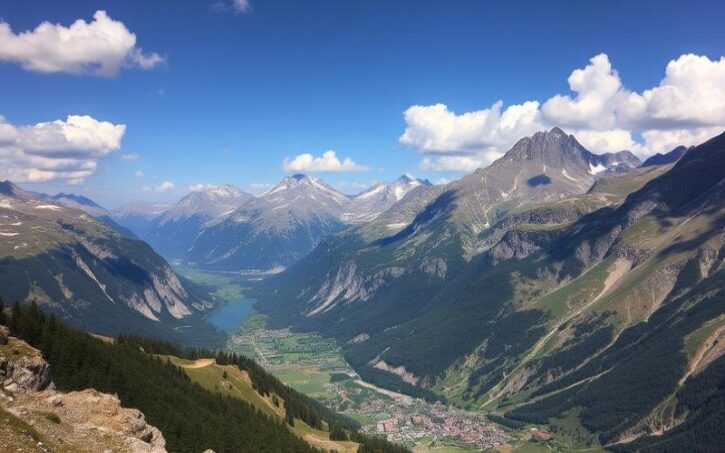
Montenegro, a small Balkan country nestled between sea and mountains, is brimming with natural and cultural treasures waiting to be discovered. From the sandy beaches of the Adriatic coast to the towering peaks of the Dinaric Alps, and through picturesque medieval towns, Montenegro offers a breathtaking diversity of landscapes and experiences. Whether you’re a history buff, a nature lover, or simply seeking relaxation, this country will captivate you with its many charms. Here is a comprehensive guide to the must-see tourist attractions not to miss during your stay in Montenegro.
The Gems of the Adriatic Coast
The Bay of Kotor, Jewel of the Adriatic
A UNESCO World Heritage site, the Bay of Kotor is undoubtedly one of Montenegro’s most iconic landmarks. Often compared to a fjord due to its calm waters surrounded by steep mountains, this bay offers breathtaking landscapes. Nestled in this majestic setting is the fortified town of Kotor, a true gem of medieval architecture.
Stroll through the cobblestone streets of the old town, admire the Romanesque churches and Venetian palaces, then climb the 1,350 steps leading to the city walls for a panoramic view of the bay. For a unique experience, opt for a sunset cruise that will let you admire the picturesque villages lining the coast, such as Perast with its artificial islands.
Budva, the Pearl of the Montenegrin Riviera
A popular seaside resort, Budva combines sandy beaches with historical heritage. Its old town, surrounded by Venetian walls, houses a maze of charming streets, ancient churches, and a citadel offering stunning sea views. Mogren Beach and Slovenska Plaza are ideal for sunbathing, while the lively nightlife attracts partygoers from around the world.
A few kilometers south, don’t miss the island-hotel of Sveti Stefan, a former fishing village turned luxury resort. Although access to the island is reserved for hotel guests, the view from the beach is worth the trip.
Good to Know:
Peak season in Budva runs from June to September. To fully enjoy the beaches and activities while avoiding crowds, opt for May or October, which still offer pleasant weather.
The Natural Treasures of the Inland
Durmitor National Park, a Hiker’s Paradise
Located in northern Montenegro, Durmitor National Park is a true paradise for nature lovers and outdoor sports enthusiasts. A UNESCO World Heritage site, this park offers spectacular landscapes with its rugged mountains, dense forests, and glacial lakes.
Black Lake, accessible via a short hike from the village of Žabljak, is one of the park’s jewels. For the more adventurous, climbing Bobotov Kuk Peak (2,523 m) offers a breathtaking panoramic view of the entire massif. In winter, the Savin Kuk ski resort attracts winter sports enthusiasts.
Don’t miss the Tara River Canyon, Europe’s deepest canyon, where you can go rafting or simply admire the view from the Đurđevića Tara Bridge.
Lake Skadar, a Haven of Peace for Wildlife
Straddling Montenegro and Albania, Lake Skadar is the largest lake in the Balkans and a site of international importance for bird conservation. This vast body of water surrounded by mountains boasts exceptional biodiversity, including over 280 bird species.
A cruise on a traditional boat will let you explore the lake’s calm waters, dotted with islets housing medieval monasteries. The village of Virpazar, an ideal starting point for visiting the lake, also offers charming accommodation and dining options.
Good to Know:
The best time for birdwatching on Lake Skadar is spring (April-May) and autumn (September-October). Remember to bring binoculars and a bird guide to fully enjoy the experience.
Historical Cities Not to Miss
Cetinje, the Former Royal Capital
Nestled at the foot of Mount Lovćen, Cetinje was the historical capital of Montenegro and retains a unique charm. This small town is full of museums and historical buildings reflecting its royal past. Don’t miss the Cetinje Monastery, which houses precious relics, or the King Nicholas Palace, turned into a national museum.
Cetinje is also the ideal starting point for visiting Lovćen National Park and the mausoleum of Petar II Petrović-Njegoš, which offers a panoramic view over much of the country.
Herceg Novi, the Gateway to the Bay of Kotor
Located at the entrance to the Bay of Kotor, Herceg Novi is a charming coastal town rich in history. Its old town, dominated by the Kanli Kula fortress, offers a maze of picturesque streets and flower-lined stairways. The seaside promenade, lined with palm trees and cafes, is ideal for a relaxing stroll.
Don’t miss a visit to the Savina Monastery, nestled in the hills overlooking the town, or a boat trip to the Blue Grotto, known for its intensely blue waters.
Good to Know:
Herceg Novi hosts the Montenegrin Film Festival every year in July-August, a great opportunity to discover local culture and enjoy a festive atmosphere.
How to Get to Montenegro?
By Plane: The Main Gateway
- Podgorica Airport, near the capital, is the country’s largest and receives direct flights from several European cities.
- Tivat Airport, on the Adriatic coast, is ideal for quick access to seaside resorts.
It’s also possible to land at Dubrovnik Airport in Croatia, just 30 km from the Montenegrin border, which often offers more international connections.
By Road: A Practical Option for Exploring the Region
- From Croatia: via the Debeli Brijeg border crossing
- From Bosnia and Herzegovina: via Trebinje
- From Albania: via Shkodër
- From Serbia: via Bijelo Polje or Rozaje
Montenegro’s road network has improved significantly in recent years, but stay cautious on mountain roads, which can be winding.
Good to Know:
If you enter Montenegro by car, make sure you have a green card and valid insurance for the country. Some car rental companies may charge extra fees for crossing the border.
Where to Stay for an Unforgettable Trip?
Luxury Hotels for a High-End Stay
Montenegro has an increasing number of luxury establishments, especially on the Adriatic coast. In Kotor, the Forza Terra Hotel offers a 5-star experience with stunning views of the bay. In Sveti Stefan, Aman Sveti Stefan provides an exclusive stay on a historic island-hotel. For those seeking an exceptional natural setting, the Bianca Resort & Spa in Kolašin, near Biogradska Gora National Park, combines modern comfort with mountain charm.
Charming Accommodations for a Local Immersion
For a more authentic experience, opt for small charming hotels or guesthouses. In Perast, the Per Astra Hotel offers elegant rooms in a Baroque palace with bay views. In Durmitor National Park, Soa Guesthouse in Žabljak provides cozy chalets in the heart of nature. In Cetinje, Villa Margheri welcomes you in a historic home with old-world charm.
Budget-Friendly Options for Tight Budgets
Travelers on a limited budget will find plenty of affordable options. Hostels like Old Town Hostel in Kotor or Freedom Hostel in Budva offer dormitories and private rooms at attractive prices. For more independence, rental apartments on platforms like Airbnb are plentiful, especially in coastal towns.
Good to Know:
The peak tourist season in Montenegro runs from June to September. For better rates and to avoid crowds, consider a stay in May or October, when the weather is still pleasant but prices are lower.
Practical Tips for a Successful Stay
When to Go?
- Summer (June to September): ideal for beaches and water activities, but it’s also peak tourist season with higher prices and more crowds.
- Spring and Autumn (April-May and September-October): mild weather, perfect for hiking and cultural visits, with fewer tourists.
- Winter (December to March): ideal season for winter sports at ski resorts like Kolašin or Žabljak.
How to Get Around?
The bus network is well-developed and connects most cities and tourist sites. However, for more flexibility, renting a car is recommended, especially if you want to explore the inland. Taxis are also available in major cities and seaside resorts.
What to Eat?
- Njeguški pršut (smoked ham)
- Kačamak (a corn and cheese dish)
- Fresh seafood on the coast
- Local wine, especially Vranac
Good to Know:
Montenegro uses the euro as its official currency, although it is not part of the European Union. Credit cards are widely accepted in tourist areas, but it’s advisable to have cash for small shops and rural areas.
Montenegro, with its preserved nature, rich historical heritage, and idyllic beaches, offers a unique travel experience in the heart of the Balkans. Whether you’re a hiking enthusiast, a history buff, or simply seeking relaxation, this small country will captivate you with its diversity and authenticity. Don’t wait any longer to discover the hidden treasures of Montenegro!
{Are you considering moving to Montenegro? Whether to enjoy its quality of life, explore new professional opportunities, or simply change your surroundings, expatriation requires careful preparation. As an expatriation expert, I can assist you with every step of your project:
from administrative procedures to finding housing, including tax matters and cultural integration. Feel free to contact me for personalized support and to make your expatriation to Montenegro a successful and enriching experience.
Disclaimer: The information provided on this website is for informational purposes only and does not constitute financial, legal, or professional advice. We encourage you to consult qualified experts before making any investment, real estate, or expatriation decisions. Although we strive to maintain up-to-date and accurate information, we do not guarantee the completeness, accuracy, or timeliness of the proposed content. As investment and expatriation involve risks, we disclaim any liability for potential losses or damages arising from the use of this site. Your use of this site confirms your acceptance of these terms and your understanding of the associated risks.

Cyril Jarnias is an independent expert in international wealth management with over 20 years of experience. As an expatriate himself, he is dedicated to helping individuals and business leaders build, protect, and pass on their wealth with complete peace of mind.
On his website, cyriljarnias.com, he shares his expertise on international real estate, offshore company formation, and expatriation.
Thanks to his expertise, he offers sound advice to optimize his clients' wealth management. Cyril Jarnias is also recognized for his appearances in many prestigious media outlets such as BFM Business, les Français de l’étranger, Le Figaro, Les Echos, and Mieux vivre votre argent, where he shares his knowledge and know-how in wealth management.





