
 Published on and written by Cyril Jarnias
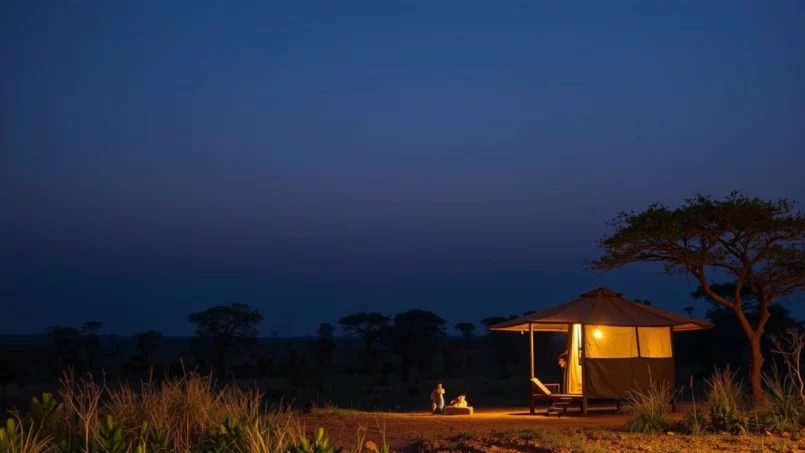
Spending an evening in Kenya is not just about having a drink at a hotel bar before bed. Between Nairobi’s electro clubs, beach bars on the Indian Ocean, sunset safaris, night markets, jazz concerts, and nyama choma evenings, the country offers a real playground after dark. All in an atmosphere that is both festive, friendly, and deeply rooted in local cultures.
Kenyan nightlife is varied: it offers clubs for dancing, jazz bars, night markets, immersive cultural experiences, and beachfront evenings.
Nairobi, the capital of partying and urban nights
Nairobi concentrates most of Kenya’s nightlife. A dynamic, cosmopolitan, and very young city, it is often described as the “beating heart” of Kenyan nights. Options range from sophisticated rooftop terraces to the high-energy clubs of Westlands, as well as neighborhood pubs, hybrid creative spaces, and restaurant-concert venues.
Nairobi’s main nightlife districts
The organization of nightlife in Nairobi largely follows the geography of the neighborhoods. Some concentrate trendy bars and clubs, others offer more local and affordable vibes.
| Neighborhood / Area | Main Vibe | For Which Crowd? |
|---|---|---|
| Westlands | Hub for clubs, trendy bars, rooftops, food courts | Night owls, expats, urban travelers |
| Parklands | Large pubs, concert venues, brunch & reggae nights | Live music lovers, relaxed ambiance |
| CBD (City Center) | Local bars, very “Kenyan” clubs, street food & low prices | Curious travelers, tight budgets |
| Karen & Lang’ata | Chic spots, gastro restaurants, hotel bars | Quiet evenings, cocktails, elegant dinners |
| Kilimani / Kileleshwa | Lounges, cultural cafes, rooftop cinemas, intimate bars | Creative crowd, quieter outings |
Most clubs gradually pick up steam around 10 PM, peaking in energy between 11 PM and 3 AM, especially on weekends. Quieter restaurants and bars often close around midnight, just as nightclubs truly begin their night.
Westlands: Creative bars, techno, afrobeat, and rooftops
Westlands is the true epicenter of Nairobi‘s nights. You can find everything here: big clubs, game bars, food courts, concert halls, rooftops with skyline views, and creative hubs.
The iconic venue in the area is The Alchemist, a vast open space with stages for concerts, DJ sets, food trucks, bars, ping-pong tables, and boutiques. It’s known for its sharp programming – techno, afro-house, hip-hop, live bands – and its safe, laid-back vibe. People come for anything from a quick burger to a full night of dancing.
Nearby, other venues complete the picture:
Several establishments illustrate the diversity of nightlife vibes in Nairobi. The Brew Bistro & Rooftop Bar, present in Westlands and on Ngong Road, combines a microbrewery, gastropub, and club, serving its craft beers on a large terrace with DJ sets and concerts. The Bao Box is a playful cafe-bar where evenings revolve around board games, mini-golf, or darts, enhanced by cocktails and sometimes karaoke. The Nairobi Street Kitchen, built from shipping containers, is a hybrid space mixing a food court, rooftop bar, art space, and event hall, with themed nights, DJs, or Latin dances. Finally, the Sky Bar (Ibis Styles) and the Sarabi Rooftop Lounge (Sankara Hotel) each offer a panoramic city view, refined cocktails, and DJ nights, particularly lively on weekends.
This density of venues makes it easy to switch scenes in just a few minutes by taxi or ride-hail, for example, moving from a sunset on a rooftop, to dinner with reimagined street food at Nairobi Street Kitchen, then ending the night at The Alchemist or a more specialized techno or afro-house club.
Clubs and electro scenes: Nairobi’s techno side
The capital has built a reputation as a thriving techno and electronic scene. Several clubs and regular parties cater to fans of electronic beats, often blending local influences with international sounds, afro-house, Amapiano, and European house.
This scene can be found in places like: museums, theaters, art galleries, cafes, parks, and cultural events.
– Glow Club, right in the city center, equipped with a very modern sound and light system, featuring local and international DJs.
– Coded Club, with a sleek decor, large dance floor, and VIP area, designed for electro nights.
– Mercury Lounge, which mixes “classic” and contemporary techno sounds in a charming, slightly retro setting.
– Club Hypnotica, known for a lineup heavily focused on house and techno, with shisha service and guest DJs.
Major events like “Techno Nights” or “Deep Space” illustrate this energy: monthly parties, programming of local producers, appearances by big international names, and a crowd that comes specifically for the music rather than to “see and be seen.”
Bars, pubs, and hybrid spots: Going out without necessarily clubbing
Not everyone is looking to dance until dawn. Nairobi is full of places where you can have a drink, listen to live music, or relax over a good meal.
Among them:
For an evening featuring live music in Nairobi, several establishments stand out for their regular programming. The K1 Klub House (Parklands) combines a sports bar, concert hall, and Sunday brunch, with reggae nights on Thursday, jazz on Tuesday, and live bands on weekends. The Geco Café (Lavington) offers a cozy, laid-back vibe with live bands and open mic nights. J’s Fresh Bar & Kitchen (Karen and Westlands) focuses on acoustic concerts in a relaxed setting. The Choices Pub (Industrial Area / Westlands) is a go-to spot for rock, reggae, and rumba fans. Finally, Yunion transitions from a daytime cafe to a dance bar in the evening, often featuring afro-house and Amapiano rhythms.
In these places, the night is more about “hanging out with friends” than intense clubbing, often with the chance to chat, sit on a terrace, and enjoy live music without being drowned in decibels.
Nairobi by night, differently: Jazz, cinema, markets, and evening safaris
Nighttime in Nairobi isn’t limited to clubs. For those looking for more original activities, several interesting options are available.
A surprisingly rich jazz scene
Since the 1960s, Nairobi has cultivated a real jazz culture, nourished by traditional music and international influences. Many bars and hotels regularly organize jazz evenings, sometimes free:
| Venue | Neighborhood / Location | Usual Jazz Nights |
|---|---|---|
| Makuti Bar | Intercontinental Hotel, CBD | Every Thursday |
| J’s Fresh Bar | Muthangari Drive | Monthly jazz / soul programming |
| Nyama Mama | Delta branch, Waiyaki Way | Free live jazz on Friday and Sunday |
| The Blues | Barclays Plaza, Loita Street, CBD | Friday night |
| Balcony (Kempinski) | Villa Rosa Kempinski, Chiromo Road | Jazz on Wednesday |
| Karel T Lounge | Village Market | Jazz Saturday from 7 PM to 10 PM |
| Flame Tree | Sarova Panafric | Tuesday through Friday |
| Thorn Tree & Exchange | Sarova Stanley, CBD | Jazz every night from Tuesday onward |
| Brew Bistro | Ngong Road / Westlands | Sunday brunch with jazz |
You can listen to both “classic” jazz and afro-jazz fusions led by Kenyan artists. Festivals like the Nairobi International Jazz Festival or Int’l Jazz Day Nairobi further energize the scene.
Rooftops, cinema, and urban culture
Rooftops have become a must in Nairobi’s nightlife in recent years. In addition to those in Westlands, you’ll find:
Discover a selection of elevated spots in Nairobi to enjoy breathtaking views, unique ambiance, and a memorable experience.
With a superhero theme, this bar located at the Trademark Hotel in Gigiri is ideal for a drink with a view.
At The Curve by The Park on Mombasa Road, enjoy a panorama over Nairobi National Park and the city skyline.
At Emara Ole Sereni, this poolside lounge by an infinity pool offers a direct view of the national park plains.
In Kilimani, this rooftop combines independent outdoor cinema and a cafe-bar, perfect for an arthouse film followed by a drink.
These places allow for a more contemplative nightlife experience, between sunset, illuminated skyline, and cultural programming.
Night markets and urban strolls
The city also offers another nocturnal face: that of markets and the bustling city center.
– The Maasai Market, although mostly held during the day, sometimes extends its hours. It moves locations depending on the day: Westgate, Village Market, Yaya Centre, city center near the High Court, etc.
– Gikomba and Toi Market remain active part of the evening for second-hand clothes, appliances, and street food.
– In Eastleigh, streets like Kipanga Athumani Street or General Waruinge turn into night markets between 6 PM and 10 PM, with clothes, shoes, beauty products, and food.
A dedicated night market for young entrepreneurs has even been launched in the CBD, to promote a 24/7 economy and offer a secure, well-lit space for vendors and customers.
Organized experiences: Bar crawls, storytelling, and night safaris
Several local agencies have structured experiences to explore the night safely:
– “Nairobi Ultimate Bar Crawl” or “Nightlife Experience with Drinks and Dancing” offer hopping from bar to club with a guide, including a drink at each spot and return to the hotel.
– Packages like “Nairobi nightlife and Safari Park Hotel dinner” combine a traditional dance show at the Safari Park Hotel and a tour of a few upscale bars, often on heights with views.
– More atypical tours, like the “Nairobi Storytelling Tour with Former Street Kids,” dive into the city’s social history, guided by former street children who share their journey.
Finally, evening safaris at Nairobi National Park allow you to see lions, rhinos, giraffes, or zebras at sunset, before ending with dinner accompanied by live music and African dances at the Safari Park Hotel.
The coast and the Indian Ocean: Beach nights, clubs, and sunset cruises
The other major face of nightlife in Kenya is found on the coast, along the Indian Ocean. From Diani Beach to Mombasa, Watamu, or Malindi, the night unfolds to the rhythm of the waves, beach bars, taarab music, and cocktails under the moonlight.
Diani Beach: Between beach parties, clubs, and sunset cruises
Diani Beach, south of Mombasa, is one of the country’s most renowned beach resorts. The warm waters of the Indian Ocean, palm trees, and long white sand beach set the scene. The community of European expats and retirees is significant, contributing to a varied but generally relaxed nightlife.
The vibe is described as both lively and relaxed, with options for all tastes: beach bars, clubs with DJs, restaurants in natural caves, live bands, or salsa nights. Many hotels and resorts organize their own evening entertainment.
Must-visit bars and clubs in Diani
On the main road running along the beach, almost everything is concentrated within a few kilometers. You can easily move from one spot to another by tuk‑tuk or scooter.
| Venue | Type of Venue / Vibe | Nighttime Features |
|---|---|---|
| Ali Barbour’s Cave | Restaurant in a coral cave | Intimate dinner, candlelit, from 6 PM |
| Soul Breeze Beach Resort | Beach club & social hub | Live music on weekends, beach bonfires, games & karaoke |
| Full Moon Night Club | Large club, restaurant & rooftop lounge | Afro beats, hip‑hop, pop, open until dawn |
| Club Cocobongo | Club with “max security,” newly managed | Themed parties, twerk nights, top DJs |
| Shakatak Disco | Late-night club + beach bar | Vibe picks up especially after midnight |
| Oasis Beach Bar | Beach bar | Live music & salsa Friday/Saturday |
| Chill Spot | Beach bar | Live music & salsa on Saturday |
| Tiki Bar | Cocktail bar | Salsa nights on Friday |
| Funky Monkey | Bar & club cocktails/DJ | Salsa and DJ set on Friday |
This is complemented by venues more specialized in a specific type of entertainment: Backpackers, Stilts, or Sizzlers for karaoke on certain weeknights; bars like The Estuary, Casamia Jazz, Havana, or Safari Beach Jazz for Saturday concerts; Nomad for live music and Sunday afternoon salsa.
The Full Moon Night Club is known for its large dance floor, eclectic music programming (Afro beats, hip-hop, pop), shows with Maasai performers, its restaurant, and its rooftop lounge offering a view. Festivities there can last until 5 or 6 in the morning.
Club Cocobongo, for its part, positions itself as “the safest club” in Diani, with professional security, themed parties (Halloween, etc.), twerk contests, renowned DJs, and well-prepared food.
Atmosphere, budget, and practical tips
Most venues in Diani adopt a fairly casual dress code, compatible with a beach day, although the chicest clubs appreciate shirts and closed-toe shoes for men. The atmosphere remains good-natured, with a mix of locals, Kenyan tourists from Nairobi, and foreign travelers.
Budgets remain accessible:
– Dinner at an exceptional spot like Ali Barbour’s Cave runs around 40–50 USD per person.
– In a beach club like Soul Breeze, a burger and fries is more in the 10 to 15 USD range.
– Drinks at clubs like Shakatak are considered “reasonable,” provided you specify your order clearly to avoid any confusion on the bill.
Regarding lodging, a two-bedroom Airbnb with a pool can be found for 20 to 40 USD per night, allowing you to invest more in going out. A Nairobi–Diani flight costs about 45–50 USD, for a 30–45 minute trip.
In Diani, there is no Uber or Bolt. People get around by tuk‑tuk (a few dollars per ride), hotel-arranged taxi, scooter, or rental car. It’s always best to agree on a price before getting in. Most clubs remain open to adults only (over 18).
Diani after sunset: Mangroves, dhows, and villages
Night in Diani isn’t just about clubs. The coastline and surrounding mangroves offer calmer or more romantic experiences.
Several sunset excursions are offered.
– River tours on the Kongo River, at the estuary marking the border between Tiwi and Diani. By tuk‑tuk, you reach the starting point, then gently navigate along the mangroves, watching birds and villages before stopping at a spot to admire the sun disappearing.
– A “Sunset Dhow Cruise,” a two-hour cruise on a traditional dhow along the Mwachema River towards the Kongo River. You drift through ancient mangroves, sip fresh juice and water, then dine riverside on local dishes in a very peaceful atmosphere.
– Canoe outings in the mangroves with guides like Omari, passionate about preserving these ecosystems. The boat, without a motor, is rowed, avoiding noise pollution and fumes. Economic benefits directly support the villages surrounding these “secret spots.”
These excursions suit couples seeking a romantic moment, families, groups of friends, or solo travelers who want a more contemplative time before, perhaps, heading back to the beach bars.
Mombasa and the north coast: Nights between clubs, casinos, and street food
Further north, Mombasa – the country’s second city – offers a nightlife very different from Nairobi’s but just as rich. Between the beaches of Nyali and Bamburi, the historic Old Town, and roads lined with clubs, the city lives to the rhythm of Swahili music, taarab, reggae, Afrobeat, and Arab and Indian influences.
The main hubs of nightlife activity in Mombasa are located in the neighborhoods of Nyali, Bamburi, Shanzu, and Mtwapa. Some spots in the city center also offer evening entertainment.
Among the noted venues:
– Moonshine Beach Bar (Nyali Beach): A renowned beach bar known for its affordable cocktails, live concerts every other week, and direct ocean view.
– Z Lounge, on a rooftop behind City Mall in Bamburi, a pioneer of high-up night bars with a young, festive clientele.
– Florida Nightclub & Casino, on Mama Ngina Drive, a combo club, restaurant, and casino with a lawn by the sea, international DJs, and a large discotheque.
– Pirates Beach Lounge, a very popular bar-restaurant-disco complex for its “wet & wild” parties.
– Shots Bar (Bamburi), known for its low prices, two-story designer interior, and purely festive purpose.
– Just Drinks (near Mombasa Beach Hotel) or Pata Pata Beach Club (Malindi) complete the picture, with pool parties, eclectic music, and cuisine blending European, Asian, and Kenyan flavors.
The vibe varies a lot by neighborhood. Nyali and Bamburi, very touristy, are generally considered relatively safe, with private security presence and police patrols in frequented areas. In the old town, around the Likoni ferry, or in some outlying neighborhoods, more caution is advised, especially late at night.
Street food is fully part of the night in Mombasa: shawarmas, biryani, viazi karai, mahamri, and other Swahili delights can be enjoyed until late, especially on Digo Road, at Marikiti Market, and at Mama Ngina Park, where families come for an evening stroll.
Cultural outings and shows: Dancing with Kenya
The Kenyan night is also about encountering the country’s cultures. Many hotels, lodges, and cultural centers offer traditional dance performances, taarab or benga concerts, or shows mixing acrobatics and percussion.
Bomas of Kenya, Safari Park, and Carnivore: The classics
In Nairobi, several venues have specialized in these cultural evenings:
In Nairobi, several establishments offer experiences combining gastronomy and live performances to discover Kenyan culture. At Bomas of Kenya, near the city center, the Harambee Dancers perform traditional dances daily, like isukuti (Luhya), adumu (Maasai), kilumi (Kamba), mwomboko (Kikuyu), and chakacha (Swahili), with costumes, makeup, and percussive music. The Safari Park Hotel organizes dinner shows where you savor grills and African dishes during the show by the Safari Cats Dancers and Acrobats, blending regional dances and acrobatics. Finally, the famous Carnivore Restaurant, known for its meats grilled in the Maasai style, transforms in the evening into a club with live concerts and DJ sets at Simba Saloon.
These evenings combine gastronomy, live music, and dance, and easily fit into a travel itinerary, especially for those with only a few days in Nairobi.
Music and dance: From benga to taarab, from gengetone to village dances
Kenyan nights are also an opportunity to encounter the great musical diversity of the country:
– Benga, born among the Luo, blends fast guitars and percussion, and remains very popular.
– Taarab, Swahili coastal music, fuses African, Arab, and Indian influences with instruments like the oud, violin, or accordion. You can hear it in some hotels and festivals on the coast, as well as in Lamu during the Lamu Cultural Festival.
– More recent genres like kapuka or gengetone, subgenres of local hip-hop, dominate the soundtrack of urban clubs, with lyrics rooted in daily life.
– Gospel, meanwhile, fills concert halls and churches, and some artists are true national stars.
In villages and during festivals (Lake Turkana Festival, festivities in Lamu, Mombasa Carnival, etc.), you can also witness ritual dances such as kilumi among the Kamba, mwazindika among the Dawida, isukuti among the Luhya, or otenyo among the Abagusii. Some of these dances are in the process of being recognized as intangible cultural heritage, like the mwazindika studied by a UNESCO delegation in 2024.
Night markets and street food: The other face of nightlife
For many Kenyans, night is less about clubs and more about markets, street food stalls, soccer matches on big screens, and lively cafes.
Night markets: Ambiance, safety, and good deals
Night markets are among the most vibrant and often overlooked facets of Kenyan urban culture. You’ll find:
– A crowd mixing families, students, workers, tourists.
– An atmosphere generally described as festive but relaxed, with a decent level of safety thanks to good lighting and the presence of security guards.
– Stalls selling second-hand clothes, crafts, jewelry, cosmetics, electronics, as well as a wide variety of snacks.
Haggling is a common and expected practice, but it should remain reasonable. Prefer payment in Kenyan shillings, in small bills, as most vendors do not accept bank cards. Although a few stalls might exceptionally accept dollars, it is not the norm.
In Nairobi, the hotspots are:
– The itinerant Maasai Market (Westgate, Village Market, Yaya, city center, etc.), for Maasai crafts, kikoi, kanga or kitenge fabrics, wood carvings, and jewelry.
– City Market and Nairobi City Market (Muindi Mbingu / Koinange Street), for a mix of souvenirs, flowers, meat, spices.
– Gikomba, Toi, Kariokor, Githurai, more focused on second-hand clothes, shoes, dishes, etc., but with activity extending into the evening.
In Mombasa, Marikiti Market and the streets of Old Town are full of stalls selling fabrics, spices, local sweets, and snacks, often until late.
Evening street food: Nyama choma, soups, and snacks
Street food is omnipresent in Kenyan nights. Depending on the cities and neighborhoods, you’ll come across:
Kenyan street food offers a great variety of tasty and typical dishes. Among the must-tries are *nyama choma* (grilled goat, beef, or chicken served with salt, ugali, and kachumbari), *mutura* (blood sausage consumed in the evening), and *smocha* (sausage sandwich in a chapati). The scene is also rich in snacks like samosas, bhajias, grilled corn, mandazi, or goat or beef head soup, particularly appreciated on cool nights.
Prices remain very low: a few dozen shillings for a snack, rarely more than a few euros for a full meal. The basic rule: choose the busiest stalls, a guarantee of freshness and quick product turnover. More cautious travelers can opt for guided tours like “Safari Street Eats Tour” to discover these specialties in a secure and educational setting.
Practical tips for enjoying nightlife in Kenya
Whether you’re going out in Nairobi, Diani, Mombasa, or elsewhere, a few pointers help you fully enjoy Kenyan nights.
Transportation, safety, and payment methods
In most major cities, services like Uber, Bolt, or Little Cab facilitate nighttime travel. In Diani, however, you need to rely on tuk‑tuks, local taxis, or rental vehicles. Everywhere, it is not advised to walk alone late at night, especially in unfamiliar neighborhoods or the CBD after a certain hour. It’s best to:
– Move in a group or with a guide during initial outings.
– Use only taxis recommended by the hotel or ride-hail services.
– Carry only the essentials: a little cash, a card, but no flashy jewelry or large cameras in crowded areas.
– Always keep an eye on your drink, as some cases of drink spiking have been reported.
Payment by card is widely accepted in establishments like bars, clubs, hotels, and major restaurants. However, for purchases at markets, street food, or small shops, it’s better to use cash (Kenyan shillings), ideally in small bills for ease. The mobile payment system M‑Pesa, although omnipresent in the country, is not very practical for short-term travelers unless they have a local phone line.
Dress codes and customs
Dress codes vary:
– In pubs and sports bars, very casual attire.
– In hotel bars, rooftops, and upscale clubs, men are often expected to wear closed-toe shoes and a shirt or polo, with flip-flops frowned upon.
– On the coast, swimwear is reserved for the beach and pool areas; in traditional neighborhoods of Mombasa or Lamu, it is recommended to cover shoulders and knees, out of respect for the predominantly Muslim population.
Tipping is not obligatory but appreciated: about 10–15% at restaurants, and 50–100 KES per round in a bar is a commonly mentioned baseline.
When to go out and how to plan your evenings
Fridays and Saturdays remain the best nights to gauge the extent of nightlife, but Nairobi, Diani, or Mombasa offer entertainment almost every night: karaoke on Mondays in some hostels, salsa on Thursday or Friday, jazz on Tuesday or Wednesday, musical brunch on Sunday, etc.
A good way to discover the Kenyan night is to mix and match:
– A cultural start to the evening (museum, Bomas of Kenya, storytelling tour).
– A dinner around nyama choma or Swahili specialties.
– A stop at a rooftop for a sundowner overlooking the city or savanna.
– Then a club, jazz concert, salsa night, or beach bar depending on your mood.
Local agencies – whether safari specialists like Africa Kenya Safaris or urban-focused companies like Touch Wild Tours & Travel – can integrate these evenings into broader itineraries, combining safari days, beaches or hiking, and festive nights.
Conclusion: One night, a thousand faces
Nightlife in Kenya reflects the country’s diversity: urban and trendy in Nairobi, beachy and relaxed in Diani or Mombasa, deeply cultural in dance shows and festivals, everyday and popular in night markets and street food.
The Kenyan night offers a great variety of experiences, from rooftops with views over Nairobi National Park to concerts, beach parties, sunset safaris, and local tastings. To make it a strong memory, it’s essential to take basic safety precautions, be open to local culture, and leave room for the unexpected.
Ultimately, in Kenya, the night is not just an extension of the day: it’s another gateway to the country, its music, flavors, encounters, and energy.
Disclaimer: The information provided on this website is for informational purposes only and does not constitute financial, legal, or professional advice. We encourage you to consult qualified experts before making any investment, real estate, or expatriation decisions. Although we strive to maintain up-to-date and accurate information, we do not guarantee the completeness, accuracy, or timeliness of the proposed content. As investment and expatriation involve risks, we disclaim any liability for potential losses or damages arising from the use of this site. Your use of this site confirms your acceptance of these terms and your understanding of the associated risks.

Cyril Jarnias is an independent expert in international wealth management with over 20 years of experience. As an expatriate himself, he is dedicated to helping individuals and business leaders build, protect, and pass on their wealth with complete peace of mind.
On his website, cyriljarnias.com, he shares his expertise on international real estate, offshore company formation, and expatriation.
Thanks to his expertise, he offers sound advice to optimize his clients' wealth management. Cyril Jarnias is also recognized for his appearances in many prestigious media outlets such as BFM Business, les Français de l’étranger, Le Figaro, Les Echos, and Mieux vivre votre argent, where he shares his knowledge and know-how in wealth management.





